How To Make Cookies Without The Oven And Save Energy
Want to enjoy fresh homemade cookies without turning on your oven? Learning how to make cookies without the oven is easier than you think and can help you save on electricity bills. From no-bake stovetop treats to microwave magic, there are plenty of energy-efficient baking methods that deliver delicious results every time.
This is a comprehensive guide about How To Make Cookies Without The Oven.
Key Takeaways
- No-Oven Baking Saves Energy: Skipping the oven reduces electricity usage and keeps your kitchen cool, especially during warm months.
- Multiple Methods Work Great: You can use the stovetop, microwave, refrigerator, or even a toaster oven for cookie recipes without oven needs.
- No-Bake Cookies Are Quick: Many no-bake cookie recipes take less than 30 minutes from start to finish.
- You Need Minimal Equipment: A stovetop, microwave, or even just a mixing bowl is all you need to get started.
- Healthier Options Exist: Homemade cookies without the oven let you control ingredients, reducing sugar and adding nutritious extras.
- Perfect for Any Skill Level: These methods are beginner-friendly and require no special baking expertise.
- Fun for the Whole Family: Kids love helping with easy cookie recipes that don’t need hot ovens.
[FEATURED_IMAGE_PLACEHOLDER]
Why Skip the Oven? The Benefits of No-Oven Cookie Making
Have you ever noticed how hot your kitchen gets when you bake cookies? The oven heats up your entire house, your electricity bill climbs, and sometimes the cookies end up overbaked on the edges. Learning how to make cookies without the oven solves all of these problems at once.
No-bake cookie recipes have been around for decades, and they are making a huge comeback. People are looking for energy-efficient baking alternatives that still deliver that warm, gooey cookie experience. Whether you live in a small apartment without an oven or you simply want to cut down on energy costs, skipping the traditional oven opens up a world of possibilities.
The benefits go beyond just saving electricity. Homemade cookies made without an oven often take less time to prepare. You avoid preheating, you reduce the risk of burning, and cleanup is usually much simpler. For many families, this has become the go-to way to bake treats on busy weeknights.
Energy Savings Add Up Fast
Here is something that might surprise you. A standard oven uses between 2,000 and 5,000 watts per hour. That is a lot of electricity. When you make cookies without the oven, you use a fraction of that energy. Over a month, these savings can really add up. Some bakers report cutting their baking energy use by up to 80 percent when they switch to alternative methods.
During summer months, this is especially helpful. Running a hot oven heats up your kitchen, which forces your air conditioning to work harder. By using low-energy desserts methods like stovetop or microwave baking, you keep your kitchen cool and your energy bills low.
Who Benefits Most From No-Oven Baking?
Lots of people can benefit from baking alternatives that skip the oven. College students living in dorm rooms with mini fridges love no-bake cookie recipes because they need minimal equipment. People in hot climates prefer them because they do not add heat to their homes. Busy parents appreciate the speed and simplicity. And anyone trying to live a more sustainable lifestyle enjoys the reduced energy footprint.
The beauty of how to make cookies without the oven is that it is inclusive. You do not need fancy equipment or years of baking experience. A few basic ingredients and simple kitchen tools are all you need to get started.
No-Bake Cookie Recipes You Will Love
The most popular way to make cookies without the oven is through no-bake recipes. These treats use heat from your stove or refrigerator to set the cookies, rather than an oven. The results are often fudgy, chewy, and incredibly satisfying.
Classic No-Bake Chocolate Oat Cookies
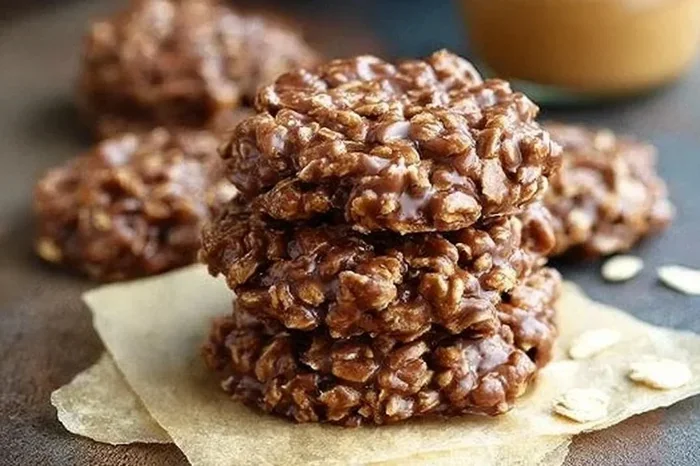
This is a timeless favorite that almost everyone loves. You mix oats, cocoa powder, sugar, butter, and milk in a saucepan on the stovetop. Once the mixture comes to a boil, you let it simmer for a few minutes. Then you stir in vanilla and drop spoonfuls onto wax paper to cool in the fridge.
These cookies take about 20 minutes of active prep time and another hour in the refrigerator. The texture is dense and fudgy, very similar to a baked chocolate cookie. Kids go crazy for them, and they are a great way to use up leftover oats from the pantry.
Quick Tip: Add a pinch of sea salt on top before the cookies set. It brings out the chocolate flavor beautifully and adds a nice crunch.
Peanut Butter Cookie Bites
If you love peanut butter, you will want to try this recipe. Combine peanut butter, honey, and oats in a bowl. Mix until everything comes together into a dough-like consistency. Roll the mixture into small balls and place them on a tray. Refrigerate for at least 30 minutes until firm.
These cookie recipes without oven requirements are naturally sweet and packed with protein. They make excellent grab-and-go snacks for school lunches or afternoon pick-me-ups. You can also roll them in shredded coconut or mini chocolate chips for extra flavor.
Refrigerator Sugar Cookies
Want homemade cookies that look and taste like they came from a bakery? Try refrigerator sugar cookies. You make a soft dough using butter, sugar, flour, and vanilla. You roll the dough into a log shape, wrap it in plastic, and chill it overnight. In the morning, you slice thin rounds and place them on a plate. They set up perfectly in the cold fridge.
This method gives you beautiful, uniform cookies with almost no effort. The dough can be made a week ahead of time, so you always have fresh cookies ready when you need them.
Using the Stovetop to Make Perfect Cookies
Your stovetop is one of the most underrated tools for how to make cookies without the oven. With a simple skillet or saucepan, you can create cookies that have a slightly crispy edge and a soft, chewy center. This method gives you more control over the baking process than an oven does.
Skillet Cookies: The Stovetop Secret
Skillet cookies are a game-changer for energy-efficient baking. You take your favorite cookie dough and press it into a greased skillet. Then you cook it on low heat with a lid on top. The lid traps the heat, creating an oven-like environment inside the pan. In about 15 to 20 minutes, you have a warm, gooey cookie that serves an entire family.
The best part about skillet cookies is that you can customize them easily. Add chocolate chips, nuts, dried fruit, or M&M’s to the dough before cooking. You can also make mini skillet cookies using a smaller pan for individual servings.
Expert Insight: Professional bakers recommend using a cast iron skillet for stovetop cookies. Cast iron distributes heat evenly and helps create that perfect golden-brown texture on the bottom of the cookie.
Controlling Heat on the Stovetop
The key to great stovetop cookies is low and slow heat. Set your burner to the lowest setting and be patient. High heat will burn the outside while leaving the inside raw. Low heat ensures the cookie cooks through evenly, just like an oven would.
Use a thermometer if you can. You want your skillet to stay around 300 to 325 degrees Fahrenheit. This temperature range is perfect for cookie dough to set without scorching. Covering the skillet with a lid helps trap heat and speeds up the cooking process.
Stovetop vs. Oven: What Is the Difference?
When you compare stovetop cookies to traditional oven-baked ones, the differences are subtle but noticeable. Stovetop cookies tend to be denser and chewier. They have a slightly different texture because the heat comes from the bottom rather than surrounding the cookie from all sides. However, most people agree that the flavor is just as good, if not better.
For save electricity purposes, stovetop baking clearly wins. A single burner uses about 700 to 1,200 watts, compared to a full oven that draws 2,000 to 5,000 watts. Over time, switching to stovetop methods can make a noticeable difference in your monthly energy bill.
Microwave Cookies: Fast and Easy
If you need cookies in a hurry, the microwave is your best friend. Microwave cookies are ready in under five minutes and require almost no cleanup. This is one of the fastest baking alternatives available, and the results are surprisingly delicious.
How Microwave Cookies Work
Microwaves heat food by exciting water molecules inside the dough. This creates steam, which helps the cookie set and rise. The result is a soft, slightly puffy cookie that tastes freshly baked. The texture is different from oven-baked cookies, but many people actually prefer it.
Most microwave cookie recipes use a mug or a microwave-safe bowl. You mix the ingredients directly in the mug, pop it in the microwave for 60 to 90 seconds, and enjoy. It really is that simple.
Best Microwave Cookie Recipes to Try
Here are some popular easy cookie recipes that work beautifully in the microwave:
- Mug Chocolate Chip Cookie: Mix flour, sugar, butter, and chocolate chips in a mug. Microwave for 70 seconds. Enjoy a single-serving cookie in minutes.
- Mug Peanut Butter Cookie: Combine peanut butter, sugar, an egg, and flour. Microwave for 60 seconds. Rich and creamy with a slightly crispy top.
- Mug Oatmeal Raisin Cookie: Add oats, raisins, cinnamon, and brown sugar to a mug batter. Microwave for 90 seconds. Comforting and warm.
Quick Tip: Do not overcook microwave cookies. They will continue to firm up as they cool. Pull them out when they still look slightly underdone in the center for the best texture.
Limitations of Microwave Baking
While microwave cookies are convenient, they do have some limitations. You cannot make large batches in a microwave. The texture is softer and more cake-like than crispy and crunchy. And some people do not like the slightly different flavor that microwaving creates. However, for quick single servings, there is nothing that beats a mug cookie made in under three minutes.
Alternative Appliances for Cookie Making
Beyond the stovetop and microwave, there are other appliances you can use for how to make cookies without the oven. These tools are often already in your kitchen and can produce amazing results.
Toaster Oven Cookies
A toaster oven is a fantastic middle ground between a full oven and no-bake methods. It uses much less energy than a regular oven, typically around 1,200 to 1,800 watts. You can bake small batches of cookies in a toaster oven with great results. The cookies come out with a nice golden color and a slightly crispy edge.
Toaster ovens are perfect for when you want just a few cookies rather than a full batch. They preheat quickly, which saves both time and energy. If you are looking for a compromise between traditional baking and low-energy desserts, a toaster oven is worth considering.
Waffle Iron Cookies
This might sound unusual, but a waffle iron works wonders for cookie recipes without oven needs. You press cookie dough between the waffle plates and the heat creates fun-shaped cookies with a crispy exterior and soft interior. You can make them in under five minutes.
Waffle iron cookies are especially fun for kids. They love the novelty of getting a cookie shaped like a waffle. You can use any sugar cookie or shortbread dough for this method. The results are crispy on the outside and chewy on the inside.
Air Fryer Cookies
An air fryer is another excellent option for energy-efficient baking. It circulates hot air around the cookies, creating a baked texture without the need for a full oven. Air fryer cookies take about 8 to 10 minutes and come out beautifully golden.
Air fryers use significantly less electricity than traditional ovens. They are compact, heat up instantly, and are perfect for baking small batches. If you already own an air fryer, this is a great way to expand your homemade cookies repertoire without using your main oven.
Tips for Perfect Cookies Every Time
Whether you are using a stovetop, microwave, or alternative appliance, a few tips can help you get the best results every time. How to make cookies without the oven is simple, but a little know-how goes a long way.
Use Quality Ingredients
The foundation of any great cookie is quality ingredients. Use fresh butter, real vanilla extract, and good-quality chocolate chips. Even when you are skipping the oven, the ingredients matter. Cheap substitutes can lead to cookies that taste flat or artificial.
When you control what goes into your cookie dough, you also control the nutritional value. You can reduce sugar, swap in healthier fats, and add whole grains. This is one of the biggest advantages of homemade cookies over store-bought ones.
Do Not Skip the Chilling Step
Many no-bake and stovetop recipes require the cookies to chill before they set. Do not skip this step. Chilling allows the butter and other fats to solidify, which gives the cookie its structure. A warm cookie that has not been chilled will be mushy and fall apart.
Plan ahead when you are making no-bake cookie recipes that require refrigeration. Make the dough in the evening and let the cookies set overnight. By morning, you will have a batch of perfectly set, ready-to-eat treats.
Experiment With Flavors and Mix-Ins
One of the joys of making cookies without an oven is the freedom to experiment. Try adding different spices like cinnamon, nutmeg, or cardamom. Mix in chopped nuts, dried cranberries, or shredded coconut. Use different types of chocolate or swap sugar for honey or maple syrup.
Common Mistake: Many beginners add too many mix-ins, which can prevent the cookie from setting properly. Keep your add-ins to about one cup per batch for the best results. Too many chunks can make the cookie crumbly and weak.
Store Your Cookies Properly
No-bake cookies and stovetop cookies can be stored at room temperature in an airtight container for up to one week. If you live in a warm climate, keep them in the refrigerator to prevent melting. You can also freeze baked cookies for up to three months. Just thaw them at room temperature before serving.
For cookie dough that you have not yet baked, wrap it tightly in plastic wrap and store it in the refrigerator. Most no-bake doughs will keep for up to five days. This makes it easy to have fresh cookies whenever you want them.
Key Takeaways
- No-Oven Baking Saves Energy: Skipping the oven reduces electricity usage and keeps your kitchen cool, especially during warm months.
- Multiple Methods Work Great: You can use the stovetop, microwave, refrigerator, or even a toaster oven for cookie recipes without oven needs.
- No-Bake Cookies Are Quick: Many no-bake cookie recipes take less than 30 minutes from start to finish.
- You Need Minimal Equipment: A stovetop, microwave, or even just a mixing bowl is all you need to get started.
- Healthier Options Exist: Homemade cookies without the oven let you control ingredients, reducing sugar and adding nutritious extras.
- Perfect for Any Skill Level: These methods are beginner-friendly and require no special baking expertise.
- Fun for the Whole Family: Kids love helping with easy cookie recipes that don’t need hot ovens.
Conclusion
How to make cookies without the oven is one of the most practical and rewarding skills you can learn in the kitchen. Whether you want to save money on electricity, keep your kitchen cool, or simply try something new, these methods deliver delicious results every single time.
From classic no-bake chocolate oat cookies to quick microwave mug treats, there is a method for every preference and schedule. Energy-efficient baking does not mean sacrificing taste or texture. In many cases, these alternative methods produce cookies that are just as good, if not better, than their oven-baked counterparts.
The best part is that anyone can do it. You do not need special equipment, years of experience, or a professional kitchen. All you need is a willingness to try something new and a few simple ingredients. So the next time you are craving cookies, skip the oven and explore the wonderful world of no-bake cookie recipes. Your wallet, your kitchen, and your taste buds will thank you.
Start with one recipe today. Experiment with flavors. Share your creations with friends and family. Once you discover how easy and fun it is to make cookies without the oven, you will never go back to the traditional method again.
Question?
Can I really make good cookies without an oven? Absolutely. Many people prefer no-bake and stovetop cookies because they are fudgier and chewier than oven-baked versions. Methods like microwave mug cookies, skillet cookies, and refrigerator cookies all produce delicious, homemade treats with minimal effort and equipment.
Question?
No-bake cookies typically take between 15 and 30 minutes of active preparation time, plus any chilling time required. Microwave cookies are ready in under 5 minutes. Stovetop skillet cookies take about 15 to 20 minutes of cooking time. Overall, how to make cookies without the oven is significantly faster than traditional baking.
Question?
Yes, how to make cookies without the oven is a great way to save energy. A full oven uses between 2,000 and 5,000 watts per hour, while a stovetop burner uses about 700 to 1,200 watts, and a microwave uses around 1,000 watts. Switching to alternative methods can reduce your baking energy use by up to 80 percent.
Question?
The best no-bake cookies depend on your taste preferences. Chocolate oat cookies are a classic favorite, peanut butter bites are great for protein-packed snacking, and refrigerator sugar cookies offer a more traditional cookie shape and texture. All of these cookie recipes without oven methods are beginner-friendly and require minimal ingredients.
Question?
You can use a stovetop skillet, microwave, toaster oven, air fryer, waffle iron, or simply your refrigerator for energy-efficient baking. Each method produces a different texture and flavor, so it is fun to experiment with multiple approaches to find what works best for you.
Question?
Yes, homemade cookies made without an oven can be just as healthy as baked ones. When you make cookies at home, you control the ingredients. You can reduce sugar, use natural sweeteners like honey or maple syrup, add whole grains, and include nutritious mix-ins like nuts and dried fruit. This level of control is harder to achieve with store-bought cookies.
Frequently Asked Questions
What is How To Make Cookies Without The Oven?
How To Make Cookies Without The Oven is an important topic with many practical applications.