How To Reheat Rice In Microwave Oven Perfectly Every Time
Reheating rice in the microwave doesn’t have to be a guessing game. With the right technique, you can enjoy leftover rice that tastes freshly cooked, with perfect rice texture and moisture retention. This guide covers every microwave reheating method, safety tips, and common mistakes to avoid. You’ll learn how to make reheated rice taste just as good as the first time.
Key Takeaways
- Add water or steam: A damp paper towel or splash of water is the secret to fluffy reheated rice in the microwave.
- Use microwave-safe containers: Always choose microwave-safe bowls and avoid metal or plastic not labeled safe.
- Cover and vent: Covering traps steam for even heating, while venting prevents pressure buildup.
- Stir halfway through: This ensures uniform reheating and eliminates cold spots where bacteria can grow.
- Rest the rice: Letting it sit after reheating allows moisture to redistribute for better rice texture.
- Follow food safety rules: Don’t leave rice at room temperature too long, and eat reheated rice within 24 hours.
- Adjust power levels: Medium power works better than full power for gentle, even microwave rice reheating.
📑 Table of Contents
- How To Reheat Rice In Microwave Oven The Right Way
- Step-by-Step Guide To Reheating Rice In The Microwave
- Best Microwave Settings For Reheating Rice
- How To Reheat Different Types Of Rice In The Microwave
- Food Safety Tips For Reheating Rice
- Common Mistakes People Make When Reheating Rice
- Quick Tips For Perfectly Reheated Rice Every Time
- Expert Insights On Microwave Rice Reheating
- Conclusion
How To Reheat Rice In Microwave Oven The Right Way
Leftover rice is one of those kitchen staples that never quite gets the respect it deserves. Whether you made too much steamed rice for dinner or saved a container from takeout, reheated rice can be just as delicious as the original. The problem? Most people end up with dry, clumpy, or unevenly heated messes.
The good news is that microwave reheating is simple once you know the basics. A few small changes in how you prepare and heat your rice make a massive difference. This guide walks you through every step so your microwave rice comes out perfect every single time.
Let’s be honest. Nobody wants to throw away perfectly good food. Learning how to properly reheat leftover rice saves money, reduces food waste, and gives you a quick meal in minutes. Whether you are a busy parent, a college student, or someone who meal preps, these reheating tips will change your kitchen game forever.
Why Does Reheated Rice Turn Out Bad?
Before we dive into the methods, it helps to understand what goes wrong. Rice is full of starch. When it cools, the starch molecules rearrange and make the grains hard and dry. When you blast it with high heat in the microwave, the moisture evaporates fast. This leaves you with crunchy, unpleasant rice texture.
Another issue is uneven heating. Microwaves heat food inconsistently. Some bites are scalding hot while others are still cold. Cold spots are also a food safety concern because bacteria can survive in areas that didn’t get hot enough. This is why knowing the proper microwave reheating technique matters so much.
Step-by-Step Guide To Reheating Rice In The Microwave
Now that you understand why things go wrong, let’s fix it. Follow these simple steps for perfectly reheated rice every time.
Step 1: Choose The Right Container
Not every bowl works in the microwave. Always use a microwave-safe container. Glass and ceramic bowls are excellent choices. Avoid metal containers, aluminum foil, or any plastic not labeled microwave-safe. A shallow, wide bowl works better than a deep narrow one because it spreads the rice out for more even heating.
Step 2: Add Moisture
This is the single most important step. Dry rice becomes crunchy rice. Add a splash of water, about one tablespoon per cup of rice. You can also place a damp paper towel over the top of the rice. The moisture creates steam inside the container, which gently heats each grain and restores the soft rice texture.
Step 3: Cover And Vent
Cover your microwave-safe bowl with a microwave-safe lid or a damp paper towel. The cover traps steam, which is your best friend when reheating leftover rice. However, leave a small gap or vent the lid slightly. This prevents pressure from building up and allows excess steam to escape safely.
Step 4: Heat In Intervals
Do not nuke your rice on full power for several minutes straight. Instead, use short intervals. Heat for 60 to 90 seconds, then stir. Repeat this process two or three times. This method promotes uniform reheating and prevents some grains from drying out while others stay cold.
Step 5: Stir And Check
After each interval, open the cover and give the rice a good stir. Breaking up clumps helps every grain get equal exposure to heat. Check the temperature by tasting a few grains. If it still feels cool in the center, continue heating in 30-second bursts until it reaches a steaming hot temperature throughout.
Step 6: Let It Rest
Once your microwave rice is hot, let it sit covered for about one minute. This resting period allows the heat to distribute evenly and lets moisture settle back into each grain. The result is fluffy, tender reheated rice that almost tastes freshly cooked.
Best Microwave Settings For Reheating Rice
Not all microwaves are the same. Power levels vary from model to model. Understanding how to adjust your settings makes a big difference in the quality of your reheated rice.
Use Medium Power For Better Results
Full power might seem faster, but it actually dries out rice quickly. Setting your microwave to medium power (around 50 to 70 percent) gives you gentler, more controlled microwave reheating. The steam has time to penetrate each grain without evaporating too fast. This is especially important for steamed rice varieties like jasmine or basmati.
Adjust Based On Rice Quantity
A single serving of leftover rice reheats faster than a full container. For small portions, use shorter intervals of 45 to 60 seconds. For larger amounts, extend each interval to 90 seconds. Always stir between intervals regardless of the quantity. The goal is even heating, not speed.
Know Your Microwave
Every microwave has hot spots. These are areas where the microwave energy concentrates more intensely. Stirring your rice halfway through helps you identify these spots and adjust accordingly. If you notice one side is hotter than the other, simply rearrange the rice and continue heating.
How To Reheat Different Types Of Rice In The Microwave
Not all rice is the same. Different varieties respond differently to microwave reheating. Here is how to handle the most common types of leftover rice.
White Rice
White rice is the easiest to reheat. It has less starch than brown rice and absorbs moisture well. Follow the standard steps above and add one tablespoon of water per cup. White rice typically reheats in about two to three minutes using medium power. The damp paper towel method works beautifully here.
Brown Rice
Brown rice has a tougher outer bran layer, which makes it slightly harder to reheat evenly. It also dries out faster. Add a little extra water, about one and a half tablespoons per cup. Brown rice benefits from longer resting periods after reheating. Cover it and let it sit for two minutes before serving for the best rice texture.
Fried Rice
If you are reheating fried rice from a Chinese takeout container, the approach changes slightly. Fried rice already has oil and seasoning baked in. Use a lower power setting and shorter intervals to avoid overcooking the vegetables and proteins. Add just a teaspoon of water to prevent the rice from drying out. Stir gently to keep the ingredients intact.
Sticky Rice
Sticky rice, also known as glutinous rice, needs special care. It tends to clump together when reheated. Add two tablespoons of water per cup and cover it well. The extra moisture helps loosen the grains. After reheating, use a fork to gently separate the rice. This prevents the sticky clumps that nobody enjoys.
Food Safety Tips For Reheating Rice
Food safety is not something you should take lightly, especially with reheated rice. Improper handling can lead to foodborne illness. Here are essential safety guidelines every home cook should follow.
The Bacillus Cereus Risk
Raw rice can contain spores of Bacillus cereus, a bacteria that survives cooking. When cooked rice sits at room temperature, these spores can grow and produce toxins. These toxins are not destroyed by reheating. This is why it is crucial to refrigerate leftover rice within two hours of cooking and never leave it out overnight.
Storage Best Practices
Store your leftover rice in a clean, airtight microwave-safe container. Place it in the refrigerator as soon as it cools down. Do not leave rice in the microwave or on the counter for extended periods. Proper storage is the first step in safe microwave reheating.
How Long Can You Keep Reheated Rice?
Eat reheated rice within 24 hours of taking it out of the refrigerator. Do not reheat rice more than once. Each cycle of cooling and reheating increases the risk of bacterial growth. If you have a large batch, portion it out before reheating so you only warm what you plan to eat.
Check The Temperature
Reheated rice should reach an internal temperature of 165 degrees Fahrenheit. If you have a food thermometer, use it. If not, make sure the rice is steaming hot throughout with no cold spots. When in doubt, heat it a little longer. It is always better to be safe than sorry when it comes to food safety.
Common Mistakes People Make When Reheating Rice
Even experienced home cooks make mistakes with microwave rice. Knowing what to avoid saves you from disappointing meals and potential health risks.
Skipping The Water
The most common error is reheating dry rice with no added moisture. This leads to hard, crunchy grains that no amount of stirring can fix. Always add water or use the damp paper towel method. Moisture is the key to restoring rice texture.
Using The Wrong Container
Throwing rice in a takeout container with metal handles or a non-microwave-safe plastic tub is a bad idea. These containers can melt, leach chemicals, or even cause sparks in the microwave. Always transfer leftover rice to a proper microwave-safe bowl before heating.
Heating On Full Power
Full power might save a few minutes, but it ruins the texture of your rice. The edges dry out while the center stays cold. Medium power with multiple short intervals is the winning reheating method for consistent, quality results.
Not Stirring Enough
Skipping the stir means cold pockets and uneven microwave reheating. Always stir at least once or twice during the heating process. This simple step transforms your reheated rice from mediocre to excellent.
Leaving Rice Out Too Long
This is a food safety mistake with serious consequences. Cooked rice left at room temperature for more than two hours should be discarded. No reheating technique can undo the toxins that bacteria produce. When it comes to leftover food, timing is everything.
Quick Tips For Perfectly Reheated Rice Every Time
Here are some bonus reheating tips that take your microwave rice from good to great:
- Flavor it up: Add a few drops of sesame oil or a sprinkle of fresh herbs after reheating for an instant flavor boost.
- Use a rice cooker to cook perfect rice: Starting with perfectly cooked rice makes reheating much easier and more consistent.
- Keep a spray bottle of water: A quick spritz over the rice before covering adds just the right amount of moisture.
- Freeze for later: If you will not eat rice within 24 hours, freeze it in portions. Frozen rice reheats well and lasts for months.
- Add a splash of broth: Replace water with chicken or vegetable broth for richer flavor in your reheated rice.
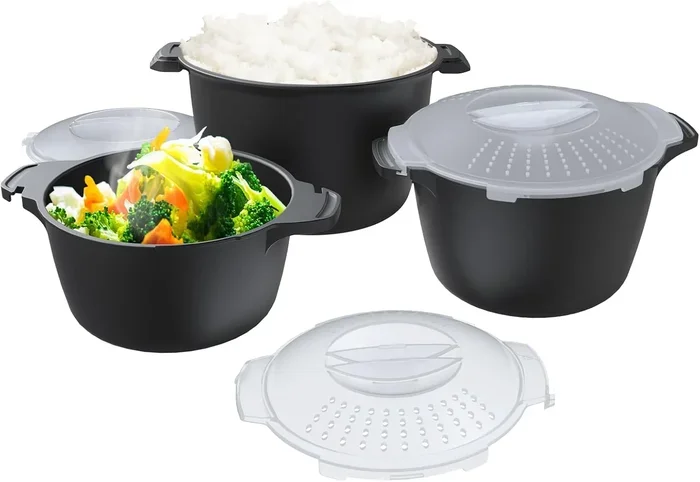
- Cover with a microwave lid: These reusable lids trap steam better than plates and make cleanup easier.
- Let rice cool before refrigerating: Spread it out on a tray first so it cools faster and stays fresher longer.
Expert Insights On Microwave Rice Reheating
Professional chefs and food scientists agree that microwave reheating is one of the most convenient methods for leftover rice. Chef Thomas Keller once said that the key to great reheated food is moisture and patience. The same applies to rice. Taking the extra minute to add water, cover properly, and heat in intervals pays off in flavor and rice texture.
Food safety experts from the USDA emphasize the importance of proper storage and timely reheating. Rice is one of the foods most prone to bacterial contamination when handled incorrectly. Following the food safety guidelines in this article protects your health and ensures your reheated rice tastes fantastic.
Nutritionists also point out that properly reheated rice retains its nutritional value. Rice is an excellent source of carbohydrates and, when reheated correctly, maintains its fiber content and energy-boosting properties. So you are not just saving time, you are also preserving the nutritional benefits of your microwave rice.
Conclusion
Reheating rice in the microwave oven is easy when you know the right technique. From adding the perfect amount of water to using medium power and stirring halfway through, each step plays a role in achieving perfectly reheated rice. The damp paper towel method, proper microwave-safe containers, and food safety awareness are your three pillars for success.
Remember that leftover rice is not just a backup plan. It is a quick, convenient meal that can taste just as good as the first serving. With these reheating tips and microwave reheating methods, you will never waste good rice again. Practice these steps a few times and they will become second nature in your kitchen.
Start today. Next time you have steamed rice left over, reach for your microwave-safe bowl, add a splash of water, cover it up, and heat it in intervals. You will be amazed at the difference. Your reheated rice will be fluffy, flavorful, and safe to eat. Enjoy every bite and make microwave rice your new favorite kitchen hack.
Frequently Asked Questions
Can you reheat rice in the microwave more than once?
No, you should only reheat rice once. Reheating it multiple times increases the risk of bacterial growth and foodborne illness. Only portion out what you plan to eat and reheat that amount just once.
Why does my reheated rice taste different from fresh rice?
Rice loses moisture as it cools and sits in the refrigerator. When you reheat it without adding moisture back, the grains become dry and the texture changes. Adding water or using a damp paper towel restores much of the original taste and softness.
Is it safe to eat reheated rice?
Yes, reheated rice is safe to eat as long as you store it properly and reheat it to a steaming hot temperature. Always refrigerate cooked rice within two hours and make sure it reaches 165 degrees Fahrenheit when reheated.
What is the best container for reheating rice in the microwave?
Glass or ceramic microwave-safe bowls work best. Avoid metal containers, recycled paper products, and any plastic that is not labeled microwave-safe. A shallow, wide bowl promotes more even heating than a deep narrow one.
How long does it take to reheat rice in the microwave?
It typically takes two to four minutes depending on the quantity and your microwave’s power level. Using medium power with multiple short intervals gives the best results. Always stir between intervals to ensure uniform reheating.
Can I add butter or oil when reheating rice in the microwave?
Yes, adding a small amount of butter or oil helps coat the grains and adds flavor. This is especially helpful for fried rice or plain white rice that needs a little extra richness. Just use a small amount to avoid making the rice greasy.