How To Clean Smoky Oven And Remove Stubborn Grease
A smoky oven is frustrating, but you can fix it with the right approach. This guide shows you how to clean a smoky oven and remove stubborn grease using household items like baking soda and vinegar. You will learn step-by-step methods for deep cleaning oven interiors, racks, and doors without harsh chemicals. These oven cleaning tips save time, money, and keep your kitchen smelling fresh.
Nothing ruins a good cooking session faster than a smoky oven. You set the temperature, put in your favorite dish, and suddenly your kitchen fills with haze and a burnt smell. A smoky oven is more than just annoying. It can affect the taste of your food and even pose health risks from smoke particles floating in your home.
The good news is that cleaning a smoky oven does not require expensive products or hours of effort. With the right oven cleaning hacks, you can tackle grease buildup and restore your oven to working order. This guide covers everything you need to know about how to clean a smoky oven and remove stubborn grease using simple, proven methods.
Whether you deal with occasional smoke from drips or a full-on grease fire aftermath, the steps below will help. You will find practical advice for every part of the oven, from the interior walls to the racks and the door. Let us get started and make your oven shine again.
Key Takeaways
- Baking soda and vinegar are the most effective and affordable oven cleaning solutions for cutting through grease.
- Regular oven maintenance prevents smoke buildup and keeps your oven running efficiently.
- Steam cleaning loosens burnt-on grime quickly without harsh scrubbing.
- Cleaning oven racks separately ensures thorough grease removal and better cooking results.
- Avoiding common mistakes like using steel wool or excessive water protects your oven surfaces.
- Natural degreaser recipes are safer for your family and the environment compared to chemical products.
- Consistent cleaning habits make oven maintenance quick and painless over time.
📑 Table of Contents
- Why Ovens Become Smoky And Greasy
- How To Clean Smoky Oven: Step-By-Step Methods
- Cleaning Oven Racks And The Door
- How To Remove Smoke Smell From Your Oven
- Preventing Smoke And Grease Buildup In The Future
- Common Mistakes To Avoid When Cleaning Your Oven
- Expert Insights On Oven Cleaning
- Key Takeaways
- Frequently Asked Questions
- Conclusion
Why Ovens Become Smoky And Greasy
Understanding why your oven gets smoky helps you prevent it from happening again. Ovens accumulate grease and food residue over time. Every time you cook, tiny particles of oil and food splatter onto the walls, floor, and ceiling of the oven cavity.
When you use the oven again, that old residue heats up and starts to smoke. This creates the burnt smell and visible haze you notice. Over weeks and months, this kitchen grease buildup becomes thick and hard to remove. Here are the main reasons ovens become smoky.
Food Spills And Drippings
Every time you bake, roast, or broil, some food inevitably spills. Greasy meats, cheesy casseroles, and sugary sauces all leave behind residue. When these drips hit the bottom of the oven, they char and produce smoke. The longer you leave them, the worse the problem gets.
Oil Splatter From Cooking
High-heat cooking causes oil to splatter onto oven surfaces. Even if you use a baking tray or foil, some oil still reaches the walls. Over time, this forms a sticky, hardened layer of oven residue removal that generates smoke every time you turn on the heat.
Burned-On Food Residue
Sometimes food bubbles over and sticks to the oven surfaces. This burnt-on residue is tough to remove with regular wiping. It builds up layer after layer, creating a thick coating that smokes easily. This is where deep oven grease removal methods come in handy.
How To Clean Smoky Oven: Step-By-Step Methods
Now that you understand the cause, let us look at the actual cleaning process. There are several effective methods you can use depending on how bad the buildup is. Each method targets different levels of grime and smoke damage.
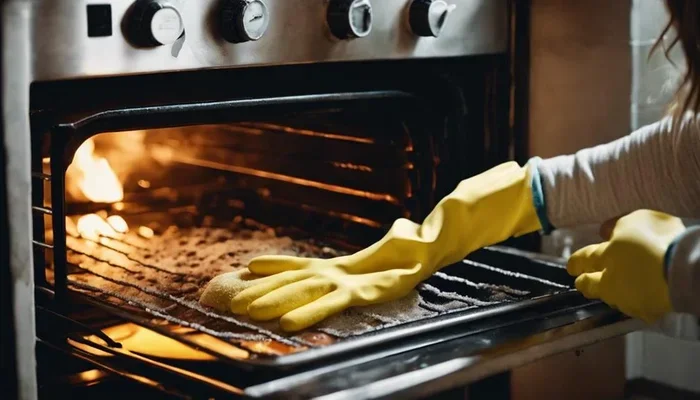
Method 1: Baking Soda And Vinegar Paste
This is the most popular and effective oven cleaning hack for home use. Baking soda is a natural abrasive and degreaser. Vinegar adds fizz that helps lift grime from surfaces. Together, they create a powerful oven cleaning solution that cuts through grease without harsh fumes.
How to do it:
- Mix three parts baking soda with one part water to form a thick paste.
- Spread the paste evenly across the oven interior, avoiding the heating elements.
- Let it sit overnight or for at least eight hours.
- The next day, spray white vinegar onto the paste. It will fizz and bubble.
- Wipe away the loosened grime with a damp cloth.
- Rinse with clean water and dry thoroughly.
This method works great for moderate grease and smoke stains. It is safe for all oven surfaces and does not produce toxic fumes. You will be surprised at how much grime comes off with just a little patience.
Method 2: Steam Cleaning
Steam cleaning is one of the easiest ways to clean burnt oven surfaces quickly. The steam softens hardened grease and food residue, making it easy to wipe away. This method is perfect for light to medium smoke and grease buildup.
How to do it:
- Fill a large oven-safe bowl with water and add two tablespoons of lemon juice or white vinegar.
- Place the bowl on the bottom rack of the oven.
- Heat the oven to 200 degrees Fahrenheit for about 15 to 20 minutes.
- Turn off the oven and leave the door closed for another 15 minutes.
- Remove the bowl carefully and wipe down all interior surfaces with a damp cloth.
The steam loosens the grime so you barely need to scrub. This is a fantastic oven cleaning tip for weekly maintenance. It keeps grease from building up to the point where it causes smoke.
Method 3: Dish Soap And Warm Water Soak
For heavy grease buildup, a good old-fashioned dish soap soak works wonders. Dish soap is designed to cut through kitchen grease, and when combined with warm water, it becomes a powerful degreaser for your oven.
How to do it:
- Remove the oven racks and soak them in hot water with dish soap in a large sink or bathtub.
- For the oven interior, mix warm water and a few drops of dish soap in a spray bottle.
- Spray the interior surfaces generously and let it sit for 30 minutes.
- Use a non-abrasive sponge to scrub away the softened grease.
- Rinse with a clean damp cloth and dry completely before using the oven again.
This method is excellent for oven interior cleaning after a heavy cooking session. It is gentle enough for regular use and does not damage any oven surfaces.
Method 4: Commercial Oven Degreaser
If home remedies are not cutting it, a commercial oven degreaser can handle the toughest grime. These products are specifically formulated to dissolve baked-on grease and carbonized food residue. They work fast and require less manual effort.
When choosing a product, look for one that is safe for food surfaces. Always follow the manufacturer instructions carefully. Use gloves and ensure good ventilation while spraying. After applying, rinse the oven thoroughly with water to remove any chemical residue before cooking again.
Commercial degreasers are best reserved for severe cases of grease cutter situations. For regular maintenance, natural methods are safer and more cost-effective.
Cleaning Oven Racks And The Door
Oven racks and the door are two areas that collect the most grease. They are also the most visible parts of the oven, so keeping them clean makes a big difference in how your kitchen looks and smells.
Cleaning Oven Racks
Oven racks often have thick layers of baked-on grease that regular wiping cannot remove. The best approach is to soak and scrub them separately.
Step-by-step for clean oven racks:
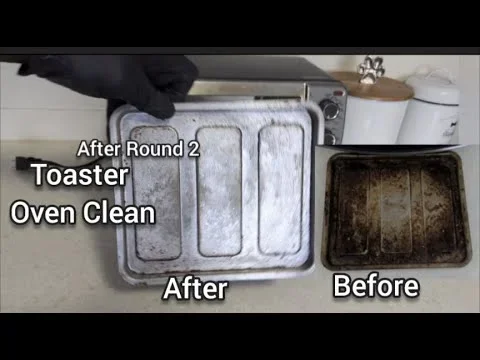
- Remove the racks from the oven and place them in a bathtub or large sink.
- Fill with hot water and add a half cup of dish soap and a half cup of baking soda.
- Let the racks soak for at least two to three hours.
- Use a non-scratch scrub brush or sponge to remove loosened grease.
- Rinse thoroughly with clean water and dry completely before reinstalling.
For extremely dirty racks, you can also place them in a large garbage bag with ammonia and seal it overnight. The fumes dissolve the grease without scrubbing. Just make sure to rinse them extremely well before putting them back in the oven.
Cleaning The Oven Door
The oven door often gets a film of grease and smoke residue that makes it hard to see through. Here is how to restore it to clear and clean.
- Make a paste of baking soda and water and spread it on the door glass.
- Let it sit for 20 to 30 minutes.
- Wipe it off with a damp microfiber cloth.
- For stubborn spots, spray vinegar on the paste and scrub gently.
- Finish with a glass cleaner or a mix of water and white vinegar for a streak-free shine.
Regular oven door grease cleaning prevents buildup and keeps your oven looking great. A clean door also helps you monitor your food while cooking without opening the oven and losing heat.
How To Remove Smoke Smell From Your Oven
Even after cleaning the grease, a smoky smell can linger in the oven and your kitchen. Removing the odor is just as important as removing the grime. Here are simple ways to remove smoke smell effectively.
Ventilate Your Kitchen
Open all windows and doors to let fresh air circulate. Turn on your kitchen exhaust fan and leave it running for at least 30 minutes. Fresh air is the simplest and most effective way to clear out smoke particles and odors.
Use Lemon Or Vanilla
Place a bowl of lemon slices or a few drops of vanilla extract in the oven and heat it at a low temperature for 15 minutes. The natural scents neutralize the burnt smell and leave a pleasant aroma behind. This is one of the best oven cleaning tips for dealing with lingering odors.
Activated Charcoal
Place a bowl of activated charcoal inside the oven overnight. Charcoal absorbs odors naturally and effectively. Remove it the next morning, and your oven should smell fresh and clean. This trick also works well for refrigerators and other enclosed spaces.
Preventing Smoke And Grease Buildup In The Future
Cleaning is only half the battle. Preventing future smoke and grease buildup saves you time and effort in the long run. A little prevention goes a long way toward keeping your oven in top shape.
Use A Baking Tray Or Foil Liner
Always place a baking tray or aluminum foil on the bottom rack when cooking greasy or saucy foods. This catches drips and prevents them from reaching the oven floor where they will burn and smoke.
Clean Spills Immediately
The best time to clean a spill is right after it happens. Wait for the oven to cool, then wipe up any food or grease as soon as possible. This prevents it from baking on and becoming a source of smoke later.
Schedule Regular Deep Cleaning
Set a reminder to deep clean your oven every one to two months. Regular oven maintenance keeps grease from reaching dangerous levels. It also improves cooking efficiency and extends the life of your appliance.
Cook At Recommended Temperatures
Avoid setting the oven to extremely high temperatures unless the recipe requires it. Excessive heat causes oil and grease to smoke and carbonize faster. Sticking to recommended temperatures reduces smoke and keeps your oven cleaner longer.
Common Mistakes To Avoid When Cleaning Your Oven
Even with the best intentions, people make mistakes that can damage their ovens or reduce cleaning effectiveness. Here are some common mistakes to watch out for.
- Using steel wool or abrasive pads: These scratch oven surfaces and strip protective coatings. Always use soft sponges or microfiber cloths instead.
- Using too much water: Excess water can damage oven heating elements and electrical components. Use damp cloths, not soaking wet ones.
- Skipping the rinse: If you use cleaning solutions like baking soda paste or degreaser, always rinse thoroughly. Residue can affect the taste of your food and produce smoke during cooking.
- Ignoring the oven racks: Cleaning only the interior and neglecting the racks leaves grease and grime untouched. Always remove and clean racks separately.
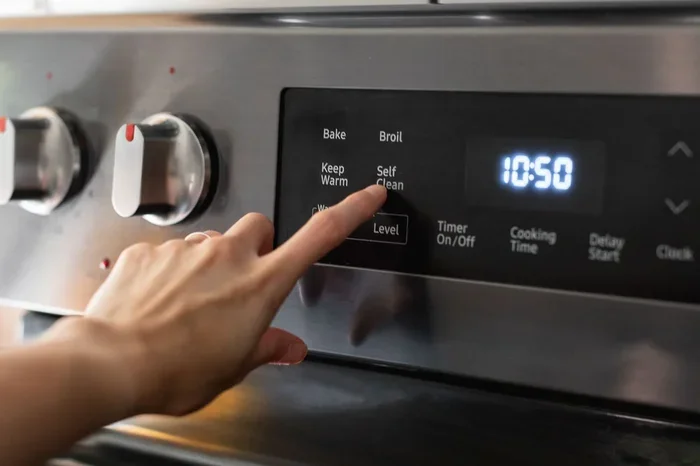
- Using the self-cleaning cycle too often: While convenient, the self-cleaning cycle uses extreme heat that can wear out oven components over time. Use it sparingly and only when needed.
- Not ventilating during cleaning: Chemical cleaners and even natural solutions like vinegar can produce strong fumes. Always open windows and turn on fans while cleaning.
Expert Insights On Oven Cleaning
Professional cleaners and appliance experts agree on a few key principles for effective oven maintenance. First, consistency matters more than intensity. A quick wipe-down after each use prevents the need for deep oven grease removal sessions later. Second, natural cleaners like baking soda and vinegar are just as effective as commercial products for most household needs.
Experts also recommend keeping a small spray bottle of diluted dish soap and water inside the oven area. A quick spray after cooking makes cleanup faster and easier. Another pro tip is to place a sheet of parchment paper on the bottom rack when roasting. It acts as a barrier that catches drips and makes cleanup a breeze.
For those who use their oven frequently, investing in a good oven cleaning solution that is food-safe is worth it. Look for products that are free from harsh chemicals and safe for interior oven surfaces. Reading reviews and choosing trusted brands ensures you get effective results without risking damage to your appliance.
Key Takeaways
- Baking soda and vinegar are the most effective and affordable oven cleaning solutions for cutting through grease.
- Regular oven maintenance prevents smoke buildup and keeps your oven running efficiently.
- Steam cleaning loosens burnt-on grime quickly without harsh scrubbing.
- Cleaning oven racks separately ensures thorough grease removal and better cooking results.
- Avoiding common mistakes like using steel wool or excessive water protects your oven surfaces.
- Natural degreaser recipes are safer for your family and the environment compared to chemical products.
- Consistent cleaning habits make oven maintenance quick and painless over time.
Frequently Asked Questions
Can I use a self-cleaning oven feature to remove smoke and grease?
Yes, the self-cleaning feature uses high heat to burn off grease and food residue. However, it works best for moderate buildup and should not be used too frequently. Always remove large food debris before starting the cycle, and make sure your kitchen is well ventilated during the process.
How often should I deep clean my oven to prevent smoke?
Deep cleaning every four to six weeks is ideal for most home cooks. If you use your oven daily or cook a lot of greasy foods, you may need to clean it more often. Regular wiping after each use reduces the need for deep sessions significantly.
Is it safe to use baking soda and vinegar inside a gas oven?
Yes, baking soda and vinegar are safe for gas ovens. They are natural, non-toxic cleaners that do not damage gas burners or heating elements. Just make sure to rinse the surfaces well after cleaning and dry them completely before using the oven again.
What is the best way to remove burnt-on grease from the oven floor?
The best method is to apply a thick baking soda paste and let it sit overnight. The next day, spray vinegar on it and scrub with a non-abrasive sponge. For tough spots, a commercial grease cutter spray can help dissolve the residue without excessive scrubbing.
Can I clean my oven with just hot water and dish soap?
Absolutely. Hot water and dish soap work well for light to moderate grease and smoke stains. For best results, let the soapy water sit on the surfaces for 20 to 30 minutes before wiping. This softens the grease and makes removal much easier.
How do I stop my oven from smoking when I cook?
To prevent smoking, always use a baking tray to catch drips, avoid overfilling cookware, and cook at recommended temperatures. Regular cleaning also prevents old grease from smoking when heated. A quick wipe after each use goes a long way toward keeping your oven smoke-free.
Conclusion
Learning how to clean a smoky oven and remove stubborn grease is easier than most people think. With the right tools, natural cleaners, and a little consistency, you can keep your oven in excellent condition. The methods shared in this guide work for all levels of grease buildup, from light smoke stains to heavy, baked-on grime.
Start with simple household items like baking soda, vinegar, and dish soap. These affordable products handle most cleaning tasks effectively. For tougher situations, commercial degreasers and steam cleaning offer powerful alternatives. Remember to clean your racks and door separately for complete results.
Prevention is the real game-changer. Regular maintenance, immediate spill cleanup, and smart cooking habits keep your oven smoke-free and running efficiently. A clean oven not only looks better but also cooks food more evenly and safely.
Apply these oven cleaning tips today and enjoy a fresher, cleaner kitchen. Your oven will thank you, and your next cooking session will be a much more pleasant experience.