How To Roast Veg In Oven For Crispy Delicious Results
Learn how to roast veg in oven for perfectly crispy, golden results every single time. This guide covers temperatures, timing, seasoning, and the best vegetables to use. You will master oven roasted vegetables with simple steps and expert tips.
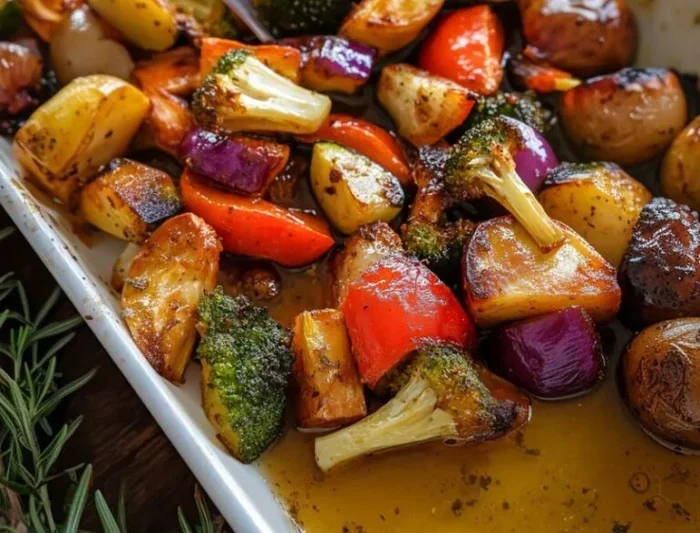
There is something truly magical about how to roast veg in oven and turn simple raw vegetables into golden, caramelized bites of joy. Whether you are a seasoned home cook or just starting out in the kitchen, roasting vegetables in the oven is one of the easiest and most rewarding techniques you can learn. It requires almost no effort, fills your kitchen with an amazing aroma, and delivers results that taste far better than boiling or steaming ever could.
The beauty of oven roasted vegetables lies in their simplicity. You chop, you season, you pop them in the oven, and you wait. That is it. No fancy equipment needed. No complicated recipes required. Just good vegetable roasting fundamentals and a hot oven. In this guide, we will walk you through everything you need to know to get crispy roasted vegetables every single time.
By the end of this article, you will know exactly which vegetables work best, what temperature to use, how long to roast them, and all the little tricks that separate good roasted veggies from absolutely incredible ones. Let us dive in and make your next batch of roast vegetables in the oven truly unforgettable.
Key Takeaways
- Choose the right veggies: Root vegetables and dense veggies roast best in the oven.
- Cut pieces evenly: Uniform sizing ensures everything cooks at the same rate.
- Preheat your oven: Always start with a hot oven for crispy results.
- Don’t overcrowd the pan: Space vegetables out so steam escapes and browning happens.
- Season generously: Olive oil, salt, pepper, and herbs make a huge difference.
- Flip halfway through: This promotes even roasting and crispy edges on all sides.
📑 Table of Contents
- Why Roasting Vegetables In The Oven Is The Best Method
- Choosing The Best Vegetables For Roasting
- Essential Tools And Prep Work
- Step By Step Guide To Roasting Veggies
- Temperature And Timing Guide
- Tips For Perfectly Crispy Roasted Vegetables
- Common Mistakes To Avoid
- Expert Insights On Oven Roasting
- Delicious Variations To Try
- Frequently Asked Questions
- Conclusion
Why Roasting Vegetables In The Oven Is The Best Method
You might wonder why so many people swear by roasting vegetables in the oven instead of other cooking methods. The answer comes down to flavor, texture, and convenience. When you roast vegetables in the oven, the dry heat surrounds every piece and creates a beautifully caramelized exterior while keeping the inside tender.
The Science Behind Perfect Roasting
When vegetables hit a hot oven, the heat triggers a process called the Maillard reaction. This is what gives your crispy roasted vegetables that deep golden color and rich, complex flavor. It is the same reaction that makes roasted meat so delicious. The dry heat of an oven draws out moisture from the vegetables, which concentrates their natural sugars. This is why roasted vegetables taste so much sweeter than their boiled counterparts.
Benefits Of Oven Roasting
There are so many reasons to make oven roasted veggies a regular part of your meal routine. Here are the top benefits:
- Minimal effort: Once the vegetables are in the oven, you are free to do other things.
- Hands-off cooking: You do not need to stand over a stove stirring or flipping constantly.
- Easy to scale: Roast a small portion for one or roast a big sheet pan for the whole family.
- Nutrient retention: Roasting preserves more vitamins than boiling, where nutrients leach into the water.
- Versatile: You can roast almost any vegetable and customize flavors to match any cuisine.
- Make-ahead friendly: Roasted vegetables reheat well and work great in meal prep.
Once you master how to roast veg in oven, you will wonder why you ever boiled your vegetables in the first place. The depth of flavor is simply unmatched.
Choosing The Best Vegetables For Roasting
Not all vegetables are created equal when it comes to the oven. Some vegetables roast beautifully and turn wonderfully crispy, while others can become mushy or dry out quickly. Knowing which best vegetables to roast makes a huge difference in your results.
Root Vegetables That Roast Beautifully
Root vegetables are the stars of vegetable roasting. They are dense, full of natural sugars, and hold their shape well in a hot oven. Here are the top root vegetables to reach for:
- Potatoes: Yukon Gold or baby potatoes roast up crispy on the outside and fluffy inside.
- Sweet potatoes: These caramelize beautifully and bring a natural sweetness to any dish.
- Carrots: Roast carrots develop deep, concentrated flavor and a gorgeous golden edge.
- Beets: Roasted beets become tender and earthy with a slightly sweet flavor.
- Parsnips: Often overlooked, parsnips roast up wonderfully with a nutty, sweet taste.
- Turnips: These roast crisp and pair beautifully with herbs like thyme and rosemary.
Non-Root Vegetables That Work Great
You are not limited to root vegetables. Many non-root options also roast beautifully in the oven:
- Broccoli and cauliflower: These get beautifully charred on the edges while staying tender inside.
- Brussels sprouts: When roasted properly, Brussels sprouts develop crispy leaves and a nutty flavor.
- Bell peppers: They soften and sweeten dramatically with oven roasting.
- Zucchini and summer squash: These roast quickly and develop a lovely golden color.
- Onions: Roasted onions turn sweet and jammy, adding incredible depth to any dish.
- Tomatoes: Cherry tomatoes burst in the oven and create a deliciously concentrated sauce-like texture.
Vegetables To Avoid Roasting
Some vegetables do not fare well in the oven. Leafy greens like spinach and kale will burn quickly. Watery vegetables like cucumbers and celery become limp and soggy. Stick to dense, firm vegetables for the best oven roasted vegetables results.
Essential Tools And Prep Work
Getting the right tools and doing proper prep work sets you up for success with how to roast veg in oven. You do not need much, but a few key items make a real difference.
Tools You Will Need
Here is what you need in your kitchen to get started with vegetable roasting:
- Sheet pan or roasting pan: A large rimmed sheet pan is the workhorse of oven roasting. It allows air to circulate around the vegetables.
- Parchment paper or silicone mat: These prevent sticking and make cleanup a breeze.
- Large mixing bowl: You need space to toss vegetables with oil and seasoning evenly.
- Sharp knife and cutting board: Dull knives make uneven cuts, which leads to uneven cooking.
- Spatula or tongs: These help you flip vegetables halfway through roasting without breaking them.
Prepping Your Vegetables
Proper prep is the secret to crispy roasted vegetables. Take your time with this step because it really matters.
First, wash all your vegetables thoroughly and pat them dry. Moisture is the enemy of crispiness. Wet vegetables will steam instead of roast, and you will end up with soggy results instead of crispy vegetables.
Next, cut your vegetables into uniform pieces. This is one of the most important roasted veggies tips you will ever learn. If you have a mix of large and small pieces, the small ones will burn while the large ones are still raw. Aim for pieces that are roughly the same size, about one to two inches thick.
For denser vegetables like potatoes and carrots, you can cut them slightly smaller than softer vegetables like zucchini or bell peppers. This way, everything finishes cooking around the same time.
Step By Step Guide To Roasting Veggies
Now for the fun part. Here is exactly how to roast veg in oven for the best possible results. Follow these steps and you will not go wrong.
Step One: Preheat Your Oven
Always preheat your oven before adding the vegetables. Set it to 400°F to 425°F for most vegetables. A hot oven is essential for getting that crispy, caramelized exterior. If you put vegetables in a cold oven, they will steam and turn out mushy instead of crispy.
Preheating usually takes about 10 to 15 minutes. While the oven heats up, you can prep your vegetables. This keeps everything moving smoothly.
Step Two: Toss With Oil And Seasoning
Place your cut vegetables in a large mixing bowl. Drizzle them with olive oil or avocado oil. Use about one to two tablespoons of oil per large baking sheet of vegetables. Toss everything together until the pieces are evenly coated.
Now comes the seasoning. Keep it simple for the best results. Salt and pepper are your foundation. Then add any herbs or spices you like. Some great roast vegetables with herbs combinations include:
- Rosemary and garlic for a classic savory flavor
- Smoked paprika and cumin for a warm, earthy taste
- Italian seasoning with a pinch of red pepper flakes
- Oregano and lemon zest for a bright Mediterranean vibe
Do not be shy with your seasoning. Vegetables need a good amount of salt to bring out their natural flavors. This is one of the most overlooked roasted vegetable recipes tips.
Step Three: Spread On The Pan
This step is crucial for getting crispy roasted vegetables. Spread the vegetables out in a single layer on your sheet pan. Do not crowd them. Leave space between each piece so hot air can circulate freely.
If you overcrowd the pan, the vegetables will steam instead of roast. You will end up with soft, pale vegetables instead of golden, crispy ones. If you have a lot of vegetables, use two sheet pans or roast in batches.
Pro tip: Do not pile vegetables on top of each other. The more surface area exposed to the oven heat, the crispier your results will be.
Step Four: Roast And Flip
Place the pan in the preheated oven on the middle rack. Set a timer for about 20 to 25 minutes. Halfway through, pull the pan out and flip the vegetables with a spatula or tongs. This ensures even browning on all sides.
Check the vegetables for doneness. They should be golden brown on the edges and tender when pierced with a fork. If they are not done yet, give them another 5 to 10 minutes.
Step Five: Serve Immediately
Roasted vegetables are best served right away while they are still hot and crispy. Transfer them to a serving dish and enjoy. If you need to hold them for a short time, keep the oven on its lowest setting and leave the pan inside. Do not cover them, as trapped steam will make them soggy.
Temperature And Timing Guide
Getting the oven temperature for roasting veggies right is one of the keys to success. Different vegetables need different times and temperatures. Here is a helpful guide to take the guesswork out of roasting times for vegetables.
Recommended Temperatures
Most vegetables roast beautifully at 400°F to 425°F. This temperature is hot enough to caramelize the natural sugars without burning the outside before the inside cooks through. For vegetables that release a lot of moisture, like tomatoes or zucchini, you might want to go slightly higher at 425°F to help evaporate the water quickly.
For more delicate vegetables like leafy greens or thin asparagus, a lower temperature of 375°F works better to prevent burning.
Roasting Times By Vegetable Type
Here is a general guide for roasting times for vegetables at 400°F:
- Potatoes and root vegetables: 30 to 40 minutes (cut into one-inch pieces)
- Carrots and parsnips: 25 to 35 minutes
- Broccoli and cauliflower: 20 to 25 minutes
- Brussels sprouts: 25 to 30 minutes
- Bell peppers and onions: 20 to 25 minutes
- Zucchini and summer squash: 15 to 20 minutes
- Cherry tomatoes: 15 to 20 minutes
These times are guidelines. Always check your vegetables by piercing them with a fork. They should be tender but not falling apart. Adjust times based on the size of your pieces and your specific oven.
Tips For Perfectly Crispy Roasted Vegetables
Getting from good roasted vegetables to absolutely perfect crispy roasted vegetables comes down to a few extra details. These roasted veggies tips will elevate your vegetable roasting game every single time.
Use Enough Oil
This might sound counterintuitive, but using enough oil is essential for crispiness. Oil helps transfer heat to the surface of the vegetables and promotes browning. Too little oil and your vegetables will dry out and burn. Too much and they will be greasy. Find the sweet spot where every piece is lightly coated but not swimming in oil.
High Heat Is Your Friend
A hot oven creates crispy edges. Do not be afraid of 400°F to 425°F. Some people lower the temperature out of fear, but this actually leads to steamed, soft vegetables. Trust the heat and let the oven do its work.
Season At The Right Time
Add salt before roasting, not after. Salt draws out moisture from the vegetables, and that moisture evaporates in the hot oven, leaving behind crispy edges. If you salt after roasting, the vegetables will be less crispy.
Experiment With Different Oils
Olive oil is the most popular choice for roast vegetables with herbs, but you can also try avocado oil, grapeseed oil, or even coconut oil for a different flavor profile. Each oil has a different smoke point and flavor, so experiment to find what you like best.
Add A Finishing Touch
Once your oven roasted vegetables are done, try adding a finishing touch to take them to the next level. A squeeze of fresh lemon juice brightens everything up. A sprinkle of fresh herbs like parsley or basil adds color and freshness. A drizzle of balsamic glaze or a dusting of nutritional yeast can add an extra layer of flavor.
Make It A Sheet Pan Meal
Sheet pan vegetables are incredibly versatile. Roast a big batch and use them throughout the week. Toss them into salads, fold them into pasta, serve them over grains, or eat them as a snack. Roasted vegetable recipes like sheet pan roasted veggies are perfect for meal prep and busy weeknights.
Common Mistakes To Avoid
Even experienced cooks make mistakes when roasting vegetables in the oven. Here are the most common ones and how to avoid them.
- Overcrowding the pan: This is the number one mistake. Too many vegetables on one pan means steam builds up and you get soggy results instead of crispy ones.
- Skipping the preheat: Putting vegetables in a cold oven leads to uneven cooking and poor browning.
- Using the wrong oil: Oils with low smoke points like extra virgin olive oil can burn at high temperatures. Use regular olive oil or a high smoke point oil instead.
- Not cutting pieces evenly: Uneven pieces mean some are burnt while others are still raw.
- Under-seasoning: Vegetables need more seasoning than you think. Do not be afraid to add enough salt and spices.
- Opening the oven too often: Every time you open the oven door, the temperature drops. This slows down roasting and can prevent proper browning.
Avoid these mistakes and your how to roast veg in oven results will improve dramatically.
Expert Insights On Oven Roasting
Professional chefs and cooking experts share a few insights that can help you master vegetable roasting even faster.
Chef Michael Ruhlman once said that the secret to great roasted vegetables is patience. Let the oven do the work. Do not rush the process by turning up the heat too high or pulling vegetables out too early. Trust the time and temperature guidelines and let the natural sugars caramelize slowly.
Another expert tip from cooking instructors is to toss vegetables in a light coating of cornstarch before roasting. The cornstarch creates an extra crispy exterior that is absolutely delicious. This trick works especially well on potatoes and root vegetables.
Food scientist Harold McGee recommends using a combination of salt and acid. Salt before roasting for crispiness, and a splash of acid (like vinegar or lemon juice) after roasting to brighten the flavors. This simple technique transforms ordinary oven roasted vegetables into something extraordinary.
Delicious Variations To Try
Once you have mastered the basics of roasting vegetables in the oven, it is time to get creative. Here are some delicious variations to try:
Mediterranean Style: Toss vegetables with olive oil, garlic, oregano, and lemon zest. Serve with crumbled feta cheese and fresh olives.
Asian Inspired: Use sesame oil, soy sauce, and a sprinkle of sesame seeds. Add ginger and a dash of sriracha for heat.
Rustic Italian: Roast with fresh basil, rosemary, and a drizzle of balsamic vinegar at the end.
Spicy Southwest: Use cumin, chili powder, smoked paprika, and a squeeze of lime juice. Top with fresh cilantro.
Each variation gives your roasted vegetables a completely different personality while using the same basic technique. This is what makes how to roast veg in oven such a valuable skill to have in your kitchen.
Frequently Asked Questions
What temperature should I roast vegetables at?
The ideal temperature for most oven roasted vegetables is between 400°F and 425°F. This high heat caramelizes the natural sugars and creates crispy edges while keeping the inside tender. For delicate vegetables like asparagus or leafy greens, you can lower the temperature to 375°F to prevent burning.
Do I need to peel vegetables before roasting?
No, you do not need to peel most vegetables before roasting. The skin on potatoes, carrots, and sweet potatoes becomes deliciously crispy when roasted. Just wash them thoroughly and scrub off any dirt. Leaving the skin on also adds extra fiber and nutrients to your roasted vegetable recipes.
Can I roast vegetables ahead of time?
Yes, you can roast vegetables ahead of time and reheat them later. Roast them up to a day in advance and store them in the refrigerator. Reheat in the oven at 400°F for about 5 to 10 minutes to keep them crispy. Avoid microwaving, as it will make them soggy.
Why are my roasted vegetables soggy instead of crispy?
The most common reason for soggy roasted vegetables is overcrowding the pan. When vegetables are too close together, steam builds up and prevents crispiness. Make sure to spread them in a single layer with space between each piece. Also, make sure your vegetables are dry before roasting and that your oven is fully preheated.
What is the best oil for roasting vegetables?
Olive oil is the most popular choice for roast vegetables with herbs because of its flavor and health benefits. Avocado oil works great too because it has a high smoke point. Avoid using butter for high-temperature roasting, as it burns easily. For the best crispy roasted vegetables, use enough oil to lightly coat each piece.
Can I mix different vegetables on the same sheet pan?
Yes, you can mix vegetables, but keep a few things in mind. Dense vegetables like potatoes and carrots take longer to roast than soft vegetables like zucchini or bell peppers. Either cut the dense vegetables into smaller pieces or roast them separately and combine at the end. This ensures everything comes out perfectly crispy vegetables at the same time.
Conclusion
Mastering how to roast veg in oven is one of the simplest and most rewarding skills you can add to your cooking toolkit. With the right vegetables, the right temperature, and a little patience, you can create crispy roasted vegetables that taste incredible every single time.
Roasting vegetables in the oven is not just a cooking method. It is a way to bring out the best in fresh, seasonal produce and turn ordinary ingredients into something truly special. Whether you are meal prepping for the week, preparing a side dish for dinner, or looking for a healthy snack, oven roasted vegetables never disappoint.
Start with the basics from this guide. Preheat your oven to 400°F to 425°F, cut your vegetables evenly, season generously, and give them space on the pan. Follow these simple steps and you will be rewarded with golden, crispy, flavorful roast vegetables in the oven every time.
Now that you know all the tips and tricks, it is time to get into the kitchen. Grab your favorite vegetables, preheat the oven, and experience the joy of vegetable roasting for yourself. Your taste buds will thank you, and once you start making crispy roasted vegetables regularly, you will never go back to boiled or steamed again.