How To Clean A Very Greasy Oven With These Easy Tips
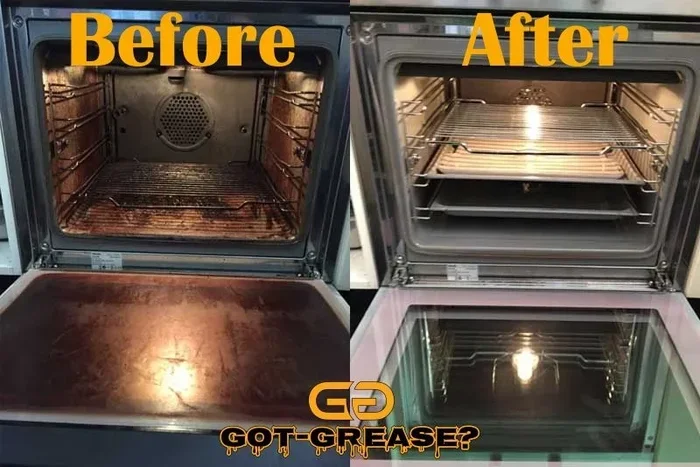
Cleaning a very greasy oven can feel overwhelming, but it does not have to be. This guide covers easy oven cleaning tips, natural degreasing methods, and practical hacks that make grease removal simple and fast. You will learn how to tackle baked-on grease safely using household ingredients and effective oven cleaners without harsh chemicals.
There is nothing worse than opening your oven and being hit with a wave of burnt grease and lingering odors. A very greasy oven not only smells terrible but also affects how your food cooks. Grease buildup can cause smoke, uneven heating, and even weird tastes on your meals. If you have been putting off oven cleaning, you are in the right place.
This guide walks you through every step of cleaning a very greasy oven using simple methods you can do at home. Whether you prefer natural cleaning solutions or store-bought oven degreasers, we have you covered. You will learn practical oven cleaning tips that save time, money, and effort. Let us turn that greasy oven into a sparkling clean cooking space.
Key Takeaways
- Baking soda and vinegar are powerful allies: This natural combination cuts through heavy grease safely and affordably.
- Soaking oven racks makes a big difference: A long soak loosens baked-on grime and saves you elbow grease.
- Regular maintenance prevents buildup: Wiping down your oven after spills keeps grease removal tasks much easier.
- Steam cleaning is a gentle but effective method: Using water and heat softens tough grease without chemicals.
- Store-bought oven degreasers work fast: Commercial oven cleaning products are great for severe grease buildup.
- Safety always comes first: Wear gloves and ensure proper ventilation during any oven cleaning session.
📑 Table of Contents
- Why Grease Builds Up Inside Your Oven
- Natural Methods To Clean A Very Greasy Oven
- Using Store-Bought Oven Cleaners For Heavy Grease
- How To Clean Oven Racks Properly
- Step-by-Step Guide To Deep Clean A Very Greasy Oven
- Common Mistakes To Avoid When Cleaning A Greasy Oven
- Preventing Grease Buildup For Easier Future Cleaning
- When To Call A Professional For Oven Cleaning
- Final Thoughts On Cleaning A Very Greasy Oven
Why Grease Builds Up Inside Your Oven
Understanding why grease accumulates helps you prevent it in the future. When you cook fatty foods, the oils splatter and stick to the oven walls. Over time, heat bakes this grease into a hard, stubborn layer. Every time you use your oven, more grease collects. This grease buildup becomes thicker and harder to remove the longer you wait.
Several factors speed up grease accumulation:
- High-temperature cooking: Frying and roasting at high heat melts fats, which then splatter and coat surfaces.
- Frequent cooking without cleaning: Skipping regular wipes allows layers of grease to pile up.
- Using foil on oven floors: This traps grease against the oven bottom instead of letting it drip away.
- Covering dishes poorly: Uncovered food releases more grease and oil into the oven cavity.
The good news is that regular oven maintenance keeps grease from reaching that terrible, crusty stage. Even a quick wipe after each use makes a huge difference. But if your oven is already covered in layers of baked-on grime, do not worry. We will show you exactly how to handle it.
Natural Methods To Clean A Very Greasy Oven
Many people prefer natural oven cleaning methods because they are safe, affordable, and free from harsh fumes. You probably already have the ingredients you need in your kitchen. These eco-friendly cleaning hacks work surprisingly well on heavy grease.
The Baking Soda and Vinegar Method
This is the most popular natural oven cleaner recipe, and for good reason. Baking soda is a gentle abrasive that breaks down grease, while vinegar creates a fizzing reaction that lifts dirt away.
Here is how to do it:
- Mix about half a cup of baking soda with a few tablespoons of water to form a thick paste.
- Spread the paste evenly on the inside of your oven, avoiding the heating elements.
- Let it sit overnight or for at least 8 hours.
- The next day, spray white vinegar over the paste and let it fizz.
- Wipe everything away with a damp cloth or sponge.
- Rinse with clean water and dry thoroughly.
This method works best on moderate grease buildup. For very heavy grease removal, you may need to apply a second coat and let it sit longer.
Steam Cleaning Your Oven
Steam cleaning is a gentle yet effective way to soften baked-on grease. The moisture and heat work together to loosen grime without any chemicals.
Here is how to steam clean your oven:
- Place a large oven-safe dish filled with water on the bottom rack.
- Add a splash of white vinegar to the water.
- Set your oven to 200°F (93°C) and let it run for about 30 minutes.
- The steam will soften the grease on all surfaces.
- Turn off the oven and let it cool slightly.
- Wipe down the interior with a damp cloth or sponge.
Quick Tip: Steam cleaning works best as a first step. After steaming, apply a baking soda paste to tackle any remaining grease. This two-step oven cleaning hack is gentle on your oven and the environment.
Using Lemon Juice as a Degreaser
Lemon juice is a natural acid that cuts through grease effectively. It also leaves a fresh, clean scent behind. Mix the juice of two lemons with a cup of water and heat the mixture in your oven at 200°F for 30 minutes. The citric acid helps dissolve grease naturally. Afterward, wipe the interior with a clean cloth.
Using Store-Bought Oven Cleaners For Heavy Grease
When grease buildup is severe, natural methods alone might not be enough. This is where commercial oven cleaning products come in handy. Store-bought oven degreasers are formulated to dissolve tough, baked-on grease quickly.
Types of Commercial Oven Cleaners
The market offers several types of oven cleaning products. Each has its own strengths:
- Aerosol sprays: These are the most common and easiest to use. Spray, wait, and wipe. They work well on moderate grease removal tasks.
- Foaming cleaners: The foam clings to oven walls, giving the product more contact time with the grease. Great for heavy grease cleaning.
- Gel-based cleaners: These thick formulas stay put on vertical surfaces and penetrate deep into baked-on grime.
- Continuous-clean oven products: Some ovens come with a self-cleaning oven feature. For those that do not, continuous-clean sprays offer ongoing oven maintenance between deep cleans.
Comparing Natural vs. Chemical Cleaners
| Feature | Natural Cleaners | Chemical Cleaners |
|---|---|---|
| Grease-cutting power | Moderate to good | Excellent on heavy grease |
| Safety | Non-toxic and safe | Requires gloves and ventilation |
| Cost | Very affordable | Moderate to high |
| Smell | Pleasant (lemon, vinegar) | Strong chemical odor |
| Time required | Longer soak time | Faster results |
| Environmental impact | Low | Higher |
| Best for | Regular cleaning | Severe grease buildup |
Expert Insight: Many professional cleaners recommend using natural methods for regular oven maintenance and reserving chemical cleaners for deep-cleaning sessions. This approach keeps your oven clean without exposing your home to harsh fumes every time.
How To Clean Oven Racks Properly
Oven racks are often the worst part of grease removal. They collect layers of baked-on grease and food residue. Cleaning them separately is the smartest approach because you can give them the attention they need without working around the oven walls.
The Bath Method
This is the most effective way to soak oven racks and loosen heavy grease:
- Remove the racks from your oven.
- Find a large sink, bathtub, or plastic storage bin that fits the racks.
- Fill it with hot water and add two tablespoons of dish soap.
- Add half a cup of baking soda for extra grease-cutting power.
- Let the racks soak for at least 4 hours, or overnight for best results.
- After soaking, scrub with a non-abrasive sponge or brush.
- Rinse thoroughly and dry before placing them back in the oven.
Using a Grill Pan To Soak Racks Outdoors
If your bathtub is too small, try this clever trick. Place the oven racks inside a large grill pan or trash bag, add hot water and dish soap, seal the bag, and let them sit outside in the sun for several hours. The heat helps the solution work faster. This is one of the best oven cleaning hacks for stubborn grime.
Cleaning Glass Oven Doors
The glass door on your oven collects grease and food splatters that can obscure your view of cooking food. Use a paste of baking soda and water, apply it to the glass, let it sit for 20 minutes, and wipe clean. For baked-on grease on the door, spray vinegar after the paste and scrub gently with a non-scratch pad.
Step-by-Step Guide To Deep Clean A Very Greasy Oven
A full deep clean oven session might sound intimidating, but breaking it into steps makes it manageable. Follow this guide for thorough grease removal every time.
Step 1: Remove Everything From the Oven
Take out all racks, trays, and any oven-safe dishes. Remove the oven door if your model allows it. This gives you full access to every surface that needs cleaning.
Step 2: Apply Your Cleaning Solution
Choose your preferred method from this article. Apply the cleaning solution generously to all interior surfaces. Pay extra attention to corners, crevices, and areas around the heating elements where grease tends to accumulate most.
Step 3: Let It Sit
Patience is key during grease removal. Let your cleaning solution work for at least 30 minutes for moderate grease or several hours for severe buildup. The longer it sits, the easier the wiping will be.
Step 4: Scrub and Wipe
Use a damp sponge or microfiber cloth to scrub away loosened grease. For tough spots, apply more cleaning solution and let it sit again before scrubbing. Avoid abrasive pads that can scratch the oven interior.
Step 5: Clean the Racks Separately
Follow the rack cleaning methods described earlier in this guide. Clean them while the oven interior is soaking for maximum efficiency.
Step 6: Rinse and Dry
Wipe down all surfaces with clean water to remove any cleaning residue. Dry the oven thoroughly with a clean cloth before reinserting racks and turning it on. Moisture left inside can cause rust or affect your next cooking session.
Common Mistakes To Avoid When Cleaning A Greasy Oven
Even with the best oven cleaning tips, mistakes can slow you down or damage your oven. Here are common errors to watch out for:
- Using steel wool or abrasive scrubbers: These can scratch the oven interior and damage non-stick coatings. Always use soft sponges or microfiber cloths.
- Skipping ventilation: Chemical oven cleaners release fumes that are harmful. Always open windows and turn on fans while cleaning.
- Not letting cleaner sit long enough: Rushing the process means you will scrub harder and get worse results. Let solutions work their magic.
- Forgetting the oven door seal: Grease builds up on rubber seals too. Wipe them down with a damp cloth and mild soap.
- Using too much water: Excess moisture can damage oven components. Use damp cloths, not soaking wet ones.
- Ignoring regular maintenance: Waiting until grease is unbearable makes every cleaning session harder. A quick wipe after each use prevents this.
Common Mistake Alert: Never mix different cleaning products together. Combining bleach with vinegar or ammonia-based cleaners creates dangerous fumes. Stick to one product at a time or use natural methods that are safe to combine.
Preventing Grease Buildup For Easier Future Cleaning
The best oven cleaning strategy is preventing heavy grease buildup in the first place. These simple habits make future deep cleaning sessions much faster and easier.
- Line the oven bottom with foil: Place a sheet of foil on the rack below your dish to catch drips and splatters. Just remove and replace it after each use.
- Cover dishes with lids or foil: This traps grease and moisture inside the dish instead of letting it spread across the oven.
- Wipe up spills immediately: If you notice a spill while cooking, wait until the oven cools slightly and wipe it out. Fresh grease is much easier to remove than baked-on grime.
- Clean your oven monthly: A quick oven maintenance routine every month keeps grease from reaching dangerous levels.
- Use a roasting pan: Cooking fatty meats in a roasting pan catches most of the grease before it reaches the oven walls.
Quick Tip: Keep a small spray bottle of diluted dish soap in your kitchen. A quick spray and wipe after cooking takes only 30 seconds and prevents grease from hardening. This tiny habit saves hours of scrubbing over time.
When To Call A Professional For Oven Cleaning
There are times when DIY oven cleaning is not enough. If you have tried multiple methods and still face stubborn grease buildup, it might be time to call a professional. Heavy baked-on grease that has accumulated over years can be extremely difficult to remove without professional-grade equipment.
Professional oven cleaning services use industrial-strength oven degreasers and specialized tools that reach deep into every crevice. They also inspect your oven for damage caused by long-term grease neglect. Consider hiring a professional if:
- Your oven has not been cleaned in several years.
- You notice a persistent burning smell during cooking.
- The grease is so thick it is affecting your oven’s performance.
- You have a self-cleaning oven that needs preparation before its cycle.
For most households, however, the methods in this guide are more than enough. A self-cleaning oven feature can also handle routine grease removal automatically. Simply follow your oven’s manual for the best results.
Final Thoughts On Cleaning A Very Greasy Oven
Cleaning a very greasy oven does not have to be a dreaded chore. With the right methods and a bit of patience, you can restore your oven to a sparkling, fresh-smelling state. Whether you choose natural cleaning solutions like baking soda and vinegar or prefer the power of commercial oven cleaners, the key is to act consistently and not let grease build up over time.
Start with the simplest method that fits your needs. The baking soda and vinegar approach works wonders for most grease removal tasks. For heavier buildup, give the steam method or a store-bought oven degreaser a try. And remember, the best oven cleaning habit is prevention. A quick wipe after each use keeps your oven in great shape between deep cleans.
Now that you have all these oven cleaning tips and practical hacks at your fingertips, there is no reason to let a greasy oven hold you back. Pick your favorite method, gather your supplies, and get started today. Your oven will thank you with better performance, cleaner food, and a kitchen that smells fresh every time you cook.
Frequently Asked Questions
What is the best way to clean a very greasy oven?
The best way is to use a baking soda and vinegar paste. Apply the paste to all greasy surfaces, let it sit overnight, then wipe it away with a damp cloth. For severe grease buildup, follow up with steam cleaning or a commercial oven degreaser. This combination of natural and mechanical methods delivers the best results.
Can I use oven cleaner on a self-cleaning oven?
No, you should not use chemical oven cleaners in a self-cleaning oven. The high heat during the self-cleaning cycle can cause chemical residue to release toxic fumes. Instead, use the self-cleaning feature or natural methods like steam cleaning to maintain your oven.
How long does it take to clean a greasy oven naturally?
Natural oven cleaning typically takes 2 to 4 hours, including soaking time. The baking soda paste needs several hours to break down grease. Steam cleaning adds another 30 minutes. While it takes longer than chemical cleaners, the natural oven cleaning approach is safer and just as effective with patience.
How often should I deep clean my oven?
Most experts recommend a deep clean oven session every 3 to 6 months. However, if you cook fatty foods frequently, you may need to clean more often. Regular oven maintenance like wiping spills immediately and using foil liners can extend the time between deep cleans significantly.
Is it safe to mix baking soda and vinegar for oven cleaning?
Yes, it is completely safe. The fizzing reaction between baking soda and vinegar helps lift grease and dirt from oven surfaces. While the reaction itself does not create a stronger cleaning agent, the combination of the mild abrasive (baking soda) and the acidic solvent (vinegar) works effectively for grease removal in most household oven cleaning tasks.
What removes baked-on grease from oven walls?
Baked-on grease responds best to a combination of steam and a baking soda paste. First, use steam to soften the hardened grease for 30 minutes. Then apply a thick baking soda paste and let it sit for several hours. Scrub with a non-abrasive sponge. For the most stubborn spots, a commercial oven degreaser will dissolve the remaining grime quickly and effectively.