What Does Conv Bake Mean On My Oven And Why It Matters
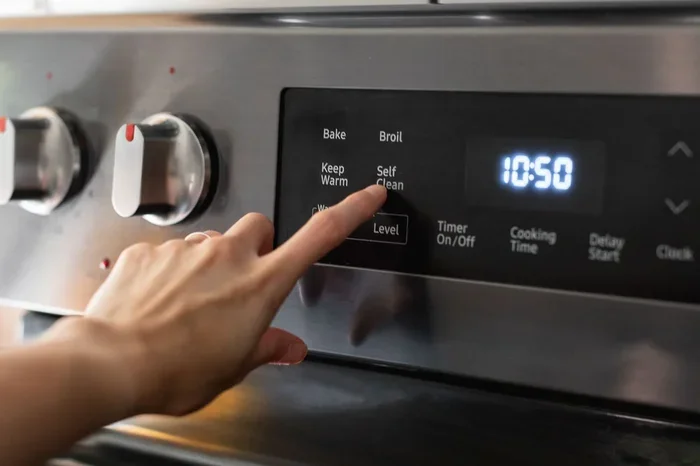
Conv bake stands for convection bake, a setting that uses a fan and heating element to circulate hot air around your food. This method cooks food faster and more evenly than a standard bake mode. Understanding conv bake helps you get better baking results every time you use your oven.
Have you ever stared at your oven’s control panel, trying to figure out what all those buttons and settings really mean? If you have seen the words “conv bake” and wondered what they stand for, you are not alone. Many home cooks see this option and feel confused. The truth is, understanding conv bake can seriously change the way you cook. This guide breaks it all down in simple terms. You will learn what conv bake means, how it works, when to use it, and when to stick with regular bake mode. By the end, you will feel confident using every oven setting on your machine.
Modern ovens come packed with features. Some of these features make cooking easier. Others can feel overwhelming if you do not know what they do. Conv bake is one of those settings that sounds technical but works in a really simple way. It just adds a fan to the standard baking process. That fan moves hot air around the oven. This creates a more consistent heat distribution compared to a conventional oven. Let us dive deeper into how this all works.
Key Takeaways
- Conv bake uses a fan to move hot air: This creates a more even heat distribution throughout the oven cavity.
- It cooks faster than conventional bake: You can reduce cooking time and lower oven temperature by about 25°F.
- Best for cookies, pastries, and roasted veggies: Convection baking delivers crispy edges and uniform browning.
- Not ideal for delicate foods: Cakes and soufflés may need the standard bake mode to rise properly.
- Check your oven manual: Every fan-forced oven has unique temperature adjustment guidelines.
- Use the right bakeware: Light-colored baking trays work best with conv bake settings.
📑 Table of Contents
- What Does Conv Bake Mean on My Oven?
- How Does Conv Bake Work Inside Your Oven?
- When Should You Use Conv Bake?
- Temperature Adjustments for Conv Bake
- Common Mistakes People Make with Conv Bake
- Conv Bake vs. Convection Roast: What is the Difference?
- Expert Tips for Getting the Best Results with Conv Bake
- Why Conv Bake Matters for Your Everyday Cooking
- Conclusion
What Does Conv Bake Mean on My Oven?
Conv bake is short for convection bake. It is a cooking mode that combines the standard heating elements with a rear fan. The fan blows hot air across the food and around the oven cavity. This constant movement of air cooks food more evenly. It also speeds up the cooking time compared to regular bake mode. Think of it like a gentle breeze that carries heat to every corner of the oven.
In a standard oven without a fan, heat rises from the bottom element. The top of the oven gets hotter than the bottom. This creates hot spots. Food placed in those hot spots can burn. Food placed elsewhere may cook too slowly. Conv bake solves this problem. The fan pushes the hot air around. This means every part of your food gets the same amount of heat exposure. The result is more even cooking and better baking results.
How Convection Baking Differs from Regular Baking
The main difference comes down to air movement. A conventional oven relies on passive heat. The heating element warms the air. The hot air rises naturally. This is called natural convection. It works fine for many recipes. But it is not always consistent.
Conv bake adds mechanical convection. A fan forces the hot air to circulate. Here is how they compare:
- Regular bake: Heat comes from the bottom element. Air stays mostly still. Cooking can be uneven.
- Conv bake: The fan moves hot air continuously. Heat reaches food from all sides. Cooking is faster and more uniform.
- Temperature difference: Conv bake usually requires a temperature drop of 25°F compared to regular bake mode.
- Time difference: Food cooks about 25% faster with convection baking turned on.
These differences might seem small. But over time, they make a big impact on your cooking. Your cookies will brown more evenly. Your roasts will cook faster. Your pastries will have a better texture. Once you get used to conv bake, you may never go back to regular bake mode.
How Does Conv Bake Work Inside Your Oven?
Understanding the mechanics of conv bake helps you use it better. When you select this setting, several things happen at once. The heating element turns on. The fan starts spinning. Hot air flows from the back of the oven. It moves across the food. Then it cycles back to the rear where it gets heated again. This loop continues throughout the cooking process.
The Role of the Fan
The fan is the heart of conv bake. It is usually located at the back of the oven cavity. Some ovens have a third heating element near the fan. This element heats the air before the fan pushes it out. This setup is called a third-element convection. It provides even more consistent heat distribution.
The fan speed matters too. Some ovens have high-speed fans. These are great for roasting meats. Others have gentler fans. These work better for delicate baking. Check your oven manual to learn about your specific model.
Air Circulation and Heat Transfer
When hot air moves around food, it transfers heat more efficiently. This is called forced convection. It is the same principle used in convection microwaves and air fryers. The moving air strips away the thin layer of cool air that forms around food. This layer, called the boundary layer, slows down cooking. By removing it, conv bake lets heat reach the food faster.
This is why conv bake gives you crispy cookies and golden pastries. The moving air dries the surface faster. This promotes browning and caramelization. It also means your food retains less moisture on the outside. The inside stays moist while the outside gets perfectly crisp.
When Should You Use Conv Bake?
Conv bake is not a one-size-fits-all setting. It works best for certain types of cooking. Knowing when to use it makes a huge difference in your results.
Great Foods for Conv Bake
Here are some foods that shine with convection baking:
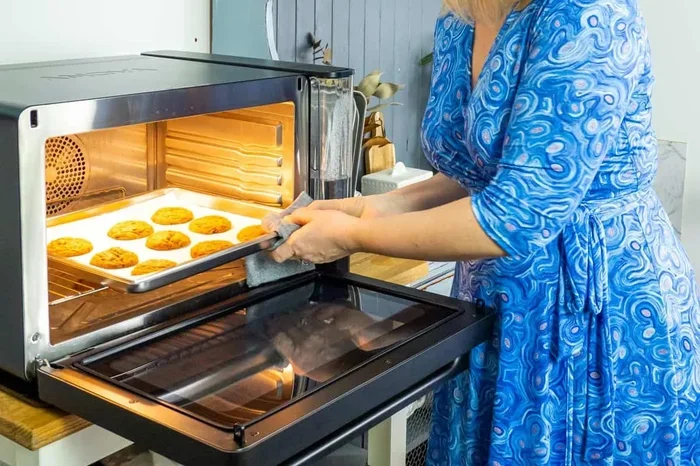
- Cookies and biscuits: They bake evenly on all sides. You get uniform browning without rotating trays.
- Pastries and croissants: The fan helps create flaky, crispy layers. The even heat melts butter consistently.
- Roasted vegetables: They caramelize beautifully. The hot air dries the surface for extra crispness.
- Whole chicken or turkey: The fan cooks the bird faster. It also crisps the skin evenly.
- Pizza: The circulating heat mimics a wood-fired oven. You get a crispy crust and melted cheese.
- Sheet pan dinners: Everything cooks at the same rate. No more half-done vegetables and overcooked chicken.
When to Avoid Conv Bake
Not every recipe benefits from conv bake. Some foods need the gentler heat of a conventional oven. Avoid conv bake for:
- Cakes and cupcakes: The fan can cause uneven rising. The cake may lean or dome oddly.
- Soufflés and custards: These need still air to set properly. Moving air can disrupt the delicate structure.
- Bread dough: The fan can dry out the surface too quickly. This affects the rise and crust formation.
- Delicate sauces and flans: The even heat can be too intense for these sensitive dishes.
Temperature Adjustments for Conv Bake
One of the most important things to know about conv bake is that you need to adjust your oven temperature. Because the fan moves hot air so efficiently, food cooks faster. If you use the same temperature as regular bake mode, your food may overcook.
The 25-Degree Rule
The most common rule of thumb is to reduce the temperature by 25°F when using conv bake. So if a recipe calls for 375°F in regular bake mode, set your oven to 350°F for convection baking. This simple adjustment prevents burning and overcooking.
Some ovens have an automatic temperature adjustment feature. These models reduce the temperature for you when you select conv bake. If your oven has this feature, you do not need to adjust manually. Check your oven manual to see if your model includes this.
Time Adjustments Too
Along with lowering the temperature, you should also reduce the cooking time. Food typically cooks about 25% faster with conv bake. So if a recipe says bake for 30 minutes, check your food at around 22 to 25 minutes. Use a toothpick test or visual cues to check for doneness.
Here is a quick reference table for temperature and time adjustments:
| Regular Bake Temp | Conv Bake Temp | Regular Time | Conv Bake Time |
|---|---|---|---|
| 350°F | 325°F | 30 min | 22-24 min |
| 375°F | 350°F | 25 min | 18-20 min |
| 400°F | 375°F | 20 min | 15-17 min |
| 425°F | 400°F | 15 min | 11-13 min |
These are general guidelines. Always keep an eye on your food. Every oven behaves a little differently. The more you use conv bake, the better you will get at guessing the right temperature adjustment and cooking time.
Common Mistakes People Make with Conv Bake
Even experienced cooks make mistakes with conv bake. Learning what to avoid saves time and prevents ruined meals.
Not Lowering the Temperature
This is the most common mistake. People use the same oven temperature for conv bake as they do for regular bake mode. The result? Burnt edges and undercooked centers. Always reduce the temperature by 25°F. This one change will dramatically improve your baking results.
Overcrowding the Baking Tray
Conv bake relies on air circulation. If you place too much food on the tray, the hot air cannot flow properly. This leads to uneven cooking. Leave space between each item. A good rule is to leave at least one inch between pieces. This allows the air circulation to reach every surface.
Using the Wrong Bakeware
Dark, non-stick pans absorb more heat. They can cause food to brown too quickly in conv bake mode. Stick with light-colored, aluminum, or glass baking trays. These reflect heat more evenly. They help prevent burning and promote consistent browning.
Forgetting to Check Early
Because conv bake cooks faster, food can go from perfect to overdone quickly. Set a timer for a few minutes earlier than the recipe suggests. Check the food and add more time if needed. This habit saves you from dry, overcooked meals.
Conv Bake vs. Convection Roast: What is the Difference?
Many ovens have both conv bake and convection roast settings. They both use a fan, but they serve different purposes.
Conv bake uses the bottom heating element and the fan. It provides gentle, even heat. This is ideal for baking and pastries. The bottom element provides a warm base that helps dough rise and set.
Convection roast uses the top and bottom elements along with the fan. It provides more intense heat. This is better for roasting meats and vegetables. The stronger heat sears the outside of the food. It creates a crispy exterior while keeping the inside juicy.
Here is a simple comparison:
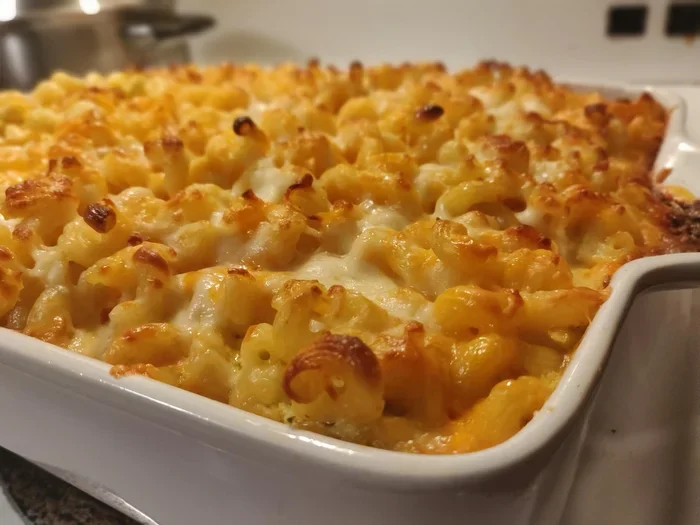
- Conv bake: Fan plus bottom element. Best for cookies, cakes, pastries, and casseroles.
- Convection roast: Fan plus top and bottom elements. Best for meats, root vegetables, and whole poultry.
- Regular bake: Bottom element only. Best for delicate foods that need gentle, still heat.
Choosing the right setting depends on what you are cooking. If you are making chocolate chip cookies, use conv bake. If you are roasting a pork loin, switch to convection roast. Understanding these differences helps you get the best results every time.
Expert Tips for Getting the Best Results with Conv Bake
Want to master conv bake? These expert tips will help you get the most out of this powerful oven setting.
Always Use Light-Colored Pans
Light-colored pans reflect heat. They prevent the bottom of your food from burning. Dark pans absorb too much heat in conv bake mode. This can lead to over-browning on the bottom while the top stays undercooked.
Place the Rack in the Center
The center rack gives the best air circulation in conv bake mode. The fan pushes air evenly around the food. Placing your tray on the center rack ensures all sides get equal heat exposure. Avoid placing trays too close to the top or bottom of the oven.
Do Not Open the Door Too Often
Every time you open the oven door, you let hot air escape. This disrupts the heat distribution that conv bake works so hard to create. Resist the urge to peek too often. Use the oven light to check on your food instead. Trust your timer and check only when needed.
Let Your Oven Preheat Fully
Conv bake works best when the oven is fully preheated. The fan needs hot air to circulate. If you put food in too early, the cooking will be uneven. Wait for the preheat signal before placing your food inside. Most ovens take 10 to 15 minutes to preheat fully.
Convert Your Favorite Recipes
If you have a trusted recipe that uses regular bake mode, you can easily convert it for conv bake. Just reduce the temperature by 25°F and check for doneness a few minutes early. Over time, you will develop a feel for how your specific oven handles convection baking.
Why Conv Bake Matters for Your Everyday Cooking
Conv bake is more than just a fancy oven feature. It is a tool that can improve your daily cooking in real ways. Faster cooking means less time in the kitchen. Even heat distribution means fewer burnt cookies and undercooked roasts. Better browning means more flavorful meals. Once you understand how to use conv bake properly, it becomes your go-to setting for many recipes.
It also saves energy. Because food cooks faster, your oven uses less electricity or gas. Over time, this can lower your utility bills. It is a win for your cooking and a win for your wallet.
Take some time to experiment with conv bake this week. Try baking a batch of cookies on this setting. Roast some vegetables. You will notice the difference right away. The more you use it, the more confident you will become. Soon, conv bake will feel like second nature.
Remember, every oven is a little different. Your neighbor’s oven may behave differently than yours. The best way to learn is to practice. Start with simple recipes. Pay attention to the temperature adjustment and cooking time changes. Keep notes if you need to. Before long, you will be a conv bake pro.
Understanding what does conv bake mean on my oven is the first step. Using it correctly is the next. With the tips in this guide, you have everything you need to get started. Happy baking!
Conclusion
Conv bake is one of the most useful features on any modern oven. It uses a fan to circulate hot air. This creates faster, more even cooking. It works best for cookies, pastries, roasted vegetables, and meats. Just remember to lower your oven temperature by 25°F and reduce your cooking time by about 25%. Avoid using conv bake for delicate foods like cakes and soufflés. With practice, you will wonder how you ever cooked without it. Now that you know what conv bake means, go ahead and try it out. Your next meal will thank you.
Frequently Asked Questions
Is conv bake the same as convection bake?
Yes, conv bake is simply a shortened way of saying convection bake. Both terms refer to the same oven setting that uses a fan to circulate hot air for more even and faster cooking.
Can I use metal pans in conv bake mode?
Absolutely. Metal pans work great with conv bake. For the best results, choose light-colored metal pans. They reflect heat evenly and prevent over-browning on the bottom of your food.
Do I need to adjust the temperature when using conv bake?
Yes, you should lower the temperature by about 25°F. Because the fan moves hot air efficiently, food cooks faster and at a lower temperature. This prevents burning and ensures even baking results.
What is the difference between conv bake and regular bake?
Regular bake mode uses only the bottom heating element without a fan. Conv bake adds a fan that circulates hot air around the food. This leads to faster cooking and more even heat distribution throughout the oven.
Can I use conv bake for baking bread?
It is best to avoid conv bake for bread. The fan can dry out the dough surface too quickly. This affects the rise and crust formation. Use regular bake mode for the best bread results.
Should I always use conv bake for cookies?
Most of the time, yes. Conv bake gives cookies even browning and a crispy edge. You do not need to rotate the tray halfway through. Just remember to lower the temperature by 25°F and check a few minutes early.