What Type Of Ground Coffee For Your Espresso Machine
Choosing the right ground coffee for your espresso machine is the single most important step toward pulling a great shot. The ideal grind is fine, consistent, and freshly milled just before brewing. Whether you prefer dark roast, medium roast, or a specialty blend, understanding your options transforms ordinary coffee into café-quality espresso at home.
Making great espresso starts long before you tamp the grounds into your portafilter. It starts with choosing the right ground coffee for espresso machine. The type of coffee you use, how it’s ground, and when it’s ground all play a massive role in the final cup. If you have ever wondered why your shots taste bitter, sour, or flat, the answer often lies in the coffee itself.
This guide breaks down everything you need to know about selecting the perfect espresso ground coffee. We will cover grind sizes, roast levels, bean origins, and whether to buy pre-ground or fresh. By the end, you will know exactly what to look for the next time you shop for coffee.
Key Takeaways
- Fine grind is essential: Espresso requires a much finer grind than drip coffee to create the right pressure and extraction.
- Freshness matters enormously: Beans ground within 15 minutes of brewing produce significantly better crema and flavor.
- Roast level changes everything: Dark roasts give bold, smoky shots while medium roasts balance acidity and body.
- Pre-ground coffee works in a pinch: But it loses flavor fast and limits your control over the final cup.
- Burr grinders beat blade grinders: They produce a consistent particle size that leads to even extraction.
- Experimentation is key: Every machine and bean combination is different, so dialing in your grind takes patience.
📑 Table of Contents
- Understanding Espresso Grind Size
- Types of Coffee Beans for Espresso
- Pre-Ground vs. Freshly Ground Coffee
- Roast Levels and Their Impact on Espresso
- How to Choose the Right Ground Coffee for Your Machine
- Common Mistakes When Choosing Ground Coffee for Espresso
- Expert Tips for Perfect Espresso at Home
- Final Thoughts
Understanding Espresso Grind Size
The espresso grind size is the foundation of a great shot. Espresso machines force hot water through tightly packed coffee at high pressure. This means the grind must be fine enough to slow the water down just right. If the grind is too coarse, the water rushes through and produces a weak, sour shot. If it is too fine, the water cannot pass through, and you get a bitter, over-extracted mess.
What Does the Ideal Grind Look Like?
The perfect espresso grind resembles table salt or powdered sugar. It should feel smooth between your fingers but not as dusty as flour. When you tamp it into the portafilter, it should resist your pressure just enough to create a solid puck. Water should take about 25 to 30 seconds to push through, producing a rich stream of espresso shot with a golden-brown layer of crema on top.
Here is a simple way to think about it:
- Too coarse: Water flows too fast, coffee tastes thin and sour.
- Just right: Water flows steadily, balanced flavor, nice crema.
- Too fine: Water struggles, coffee tastes bitter and harsh.
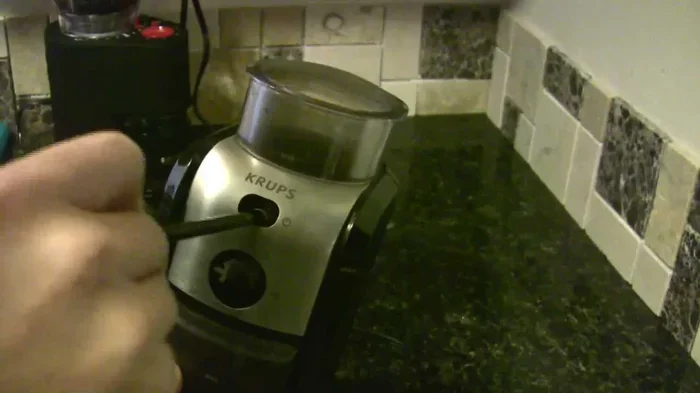
Getting this right depends heavily on the coffee grinder you use. A quality burr grinder crushes beans into uniform particles, which is critical for even extraction. Blade grinders chop beans unevenly, creating a mix of fine dust and coarse chunks. This inconsistency leads to uneven brewing and disappointing results.
If you are serious about espresso, investing in a good burr grinder is just as important as choosing the right beans. The coffee particle size directly affects how flavors are extracted, and consistency is everything.
Types of Coffee Beans for Espresso
Not all coffee beans are created equal when it comes to espresso. The two main species you will encounter are Arabica and Robusta, and each brings something different to the cup.
Arabica Beans
Arabica beans are the most popular choice for espresso lovers. They grow at higher altitudes and produce a complex, nuanced flavor profile. Arabica tends to be brighter, sweeter, and more aromatic than other varieties. You will often notice notes of fruit, chocolate, nuts, and flowers in a well-pulled Arabica shot.
Most specialty espresso blends use 100% Arabica beans because they offer the widest range of flavor possibilities. If you enjoy a clean, bright, and layered cup, Arabica is your best bet.
Robusta Beans
Robusta beans contain nearly double the caffeine of Arabica and produce a much thicker, creamier crema. They have a stronger, more bitter flavor with earthy and woody notes. Many traditional Italian espresso blends include a percentage of Robusta to boost body and crema.
Robusta is not bad by any means. It just serves a different purpose. If you like a bold, intense, and full-bodied shot with a rich foam top, a blend with Robusta might be exactly what you need.
Single Origin vs. Blends
Single origin coffee comes from one specific region or farm. It lets you taste the unique characteristics of that area, whether it is the fruity brightness of Ethiopian beans or the chocolatey depth of Brazilian beans.
Espresso blends combine beans from multiple origins to create a balanced, complex flavor profile. Blends are designed specifically for espresso brewing and often work better in machines because they are formulated for consistency and crema production.
For beginners, starting with a quality espresso blend is a smart move. Once you understand what you like, you can explore single origin options and develop your personal taste.
Pre-Ground vs. Freshly Ground Coffee
This is one of the biggest decisions coffee lovers face. Both options have real benefits, but they also come with trade-offs.
The Case for Freshly Ground Coffee
Freshly ground coffee is almost always better. When you grind beans, you release hundreds of aromatic compounds that start to fade within minutes. The coffee freshness window is short — ideally, you should brew within 15 minutes of grinding. This is why most professional baristas grind their beans right before pulling a shot.
Freshly ground coffee delivers a richer aroma, a thicker layer of crema, and a more vibrant flavor profile. The difference is especially noticeable with dark roast coffee and medium roast beans, where the oils and aromatics are more pronounced.
The Case for Pre-Ground Coffee
Pre-ground coffee is convenient and accessible. You can buy it at any grocery store, and it saves time if you do not own a grinder. For casual coffee drinkers or those just getting started with espresso, pre-ground is a perfectly fine option.
The downside is flavor loss. Pre-ground coffee sits on shelves for days or weeks, and the coffee extraction suffers as a result. The grounds also lose their ability to produce a thick crema, and the overall taste becomes flatter and less interesting.
If you must use pre-ground coffee, buy smaller quantities and store the bag in an airtight container away from light and heat. Better yet, try to find a local roaster who sells freshly ground coffee in sealed bags with one-way valves.
A Quick Comparison
| Factor | Freshly Ground | Pre-Ground |
|---|---|---|
| Flavor intensity | High | Moderate to low |
| Crema quality | Thick and rich | Thin and short-lived |
| Convenience | Requires a grinder | Ready to use |
| Aroma | Strong and fresh | Fades quickly |
| Cost | Higher upfront (grinder) | Lower upfront |
| Shelf life | Best within 15 minutes | Weeks to months |
The clear winner for flavor and quality is freshly ground coffee. But pre-ground still has a place in the kitchen, especially for quick mornings or when you are testing out a new machine.
Roast Levels and Their Impact on Espresso
The coffee bean roast level changes the flavor, body, and extraction characteristics of your espresso dramatically. Understanding roast levels helps you choose the right beans for your taste preferences.
Light Roast
Light roast beans are roasted for a shorter time and retain more of their original characteristics. They tend to be bright, acidic, and fruity. In espresso, light roasts can produce interesting and complex shots, but they require careful attention to grind size and extraction time.
Light roasts are less common for traditional espresso because they produce a thinner body and less crema. However, specialty coffee shops have been pushing the boundaries, and many home baristas enjoy the bright, tea-like quality of a well-extracted light roast shot.
Medium Roast
Medium roast coffee strikes a beautiful balance. It retains some of the origin flavors while developing sweeter, caramel-like notes from the roasting process. Medium roasts produce a well-rounded espresso with good body, moderate acidity, and a pleasant aroma.
This is often the best starting point for home espresso users. Medium roasts are forgiving and work well across a range of grind sizes and brew times, making them ideal for experimentation.
Dark Roast
Dark roast coffee is the classic choice for traditional espresso. These beans are roasted longer, which brings out bold, smoky, and sometimes chocolatey or smoky flavors. Dark roasts produce a thick, creamy crema and a full-bodied shot with lower acidity.
Many classic Italian espresso recipes rely on dark roast beans for their intense, robust flavor. If you enjoy a strong, punchy cup of espresso with rich depth, dark roast is the way to go.
Just keep in mind that dark roasts extract more quickly, so you may need to adjust your grind slightly coarser to avoid over-extraction and bitterness.
How Roast Level Affects Extraction
Lighter roasts are denser and require more time and pressure to extract fully. Darker roasts are more porous and extract faster, which means they are more forgiving but also more prone to bitterness if you are not careful.
Here is a quick guide:
- Light roast: Use a slightly finer grind and longer extraction time.
- Medium roast: Start with a standard espresso grind and adjust from there.
- Dark roast: Use a slightly coarser grind and shorter extraction time.
How to Choose the Right Ground Coffee for Your Machine
Choosing the right ground coffee for espresso machine involves more than just picking a bag off the shelf. Several factors come into play, and understanding them will save you time, money, and disappointment.
Consider Your Machine Type
Different espresso machines have different requirements. A home pump machine, a pod machine, a stovetop moka pot, and a professional lever machine all behave differently. Pump machines work best with a fine, consistent grind. Moka pots can handle a slightly coarser grind. Pod machines use pre-packaged grounds, so your choice is already made for you.
Understanding your machine’s pressure and brewing style helps you narrow down the right coffee type and grind size.
Think About Your Taste Preferences
Do you like bold and intense, or smooth and nuanced? Your taste preference should guide your bean selection. If you enjoy strong, smoky flavors, go for a dark roast blend. If you prefer brightness and complexity, try a medium roast single origin.
Do not be afraid to experiment. Buy small bags of different roasts and blends, and taste them side by side. Your palate is the best guide.
Check the Roast Date
Always look for a roast date on the bag, not just an expiration date. Coffee is at its peak flavor between 7 and 30 days after roasting. Beans that are too fresh can taste harsh and overly carbonated, while beans that are too old lose their aroma and produce flat shots.
For the best results, buy beans that were roasted within the last two weeks and grind them right before brewing.
Buy from Trusted Roasters
Local roasters and specialty coffee brands often provide fresher, higher-quality beans than mass-market options. They also tend to label their products with grind recommendations and brewing tips. If you are unsure what to buy, ask the roaster for an espresso recommendation — they are usually happy to help.
Common Mistakes When Choosing Ground Coffee for Espresso
Even experienced coffee lovers make mistakes when selecting grounds for espresso. Here are the most common ones to avoid.
Using Drip Coffee Grind for Espresso
This is the number one mistake. Drip coffee is ground much coarser than espresso. Using drip grind in an espresso machine results in a weak, watery, under-extracted shot that tastes sour and thin. Always make sure you are buying coffee specifically labeled for espresso or fine grinding.
Ignoring Freshness
Old, stale grounds produce flat, lifeless espresso. If your coffee has been sitting in the pantry for months, it is time to replace it. Freshness is non-negotiable when it comes to pulling quality shots.
Skipping the Grinder Upgrade
If you are using a blade grinder, your espresso will suffer. The inconsistent particle size leads to uneven extraction, which means some parts of the coffee are over-extracted and bitter while others are under-extracted and sour. A burr grinder is a worthwhile investment for any espresso enthusiast.
Not Adjusting for Roast Level
Using the same grind setting for a light roast and a dark roast will lead to inconsistent results. Dark roasts extract faster and need a slightly coarser grind. Light roasts extract slower and benefit from a finer grind. Adjust your grind each time you switch roasts.
Buying in Bulk Without Tasting
It is tempting to buy large bags of coffee to save money, but if you have not tried a roast first, you might end up with pounds of coffee you do not enjoy. Start with smaller quantities, find what you love, and then buy in bulk.
Overlooking the Role of Water
While not directly about the coffee itself, water quality affects extraction and flavor. Hard water can cause scale buildup in your machine and alter the taste of your shot. Use filtered water for the best results, and remember that great coffee is about more than just the beans.
Expert Tips for Perfect Espresso at Home
Getting great espresso at home takes practice, but a few pro tips can accelerate your learning curve.
First, always weigh your coffee. A digital scale helps you use the correct dose — typically 18 to 20 grams for a double shot. Consistency in dosing leads to consistency in flavor.
Second, tamp evenly. Uneven tamping creates channels in the coffee puck, which lets water bypass the grounds and produce weak spots in your shot. Use a level, firm tamp with about 30 pounds of pressure.
Third, clean your machine regularly. Residual oils and old grounds build up over time and can turn your fresh coffee rancid. Backflush your machine weekly and rinse the portafilter after every use.
Fourth, keep your beans stored properly. Oxygen, light, heat, and moisture are the enemies of fresh coffee. Store beans in an opaque, airtight container at room temperature. Do not refrigerate them, as moisture and odors can damage the beans.
Fifth, take notes. Every time you make a shot, write down the grind setting, dose, extraction time, and how the coffee tasted. Over time, you will build a personal reference guide that takes the guesswork out of dialing in your machine.
These habits might seem small, but they add up to a significant improvement in cup quality. Even the best ground coffee for espresso machine will underperform if the preparation and maintenance are lacking.
Final Thoughts
Choosing the right ground coffee for espresso machine is equal parts science and art. The grind size must be fine and consistent, the beans must be fresh, and the roast level must match your taste. Whether you prefer a bold dark roast or a bright light roast, understanding these fundamentals puts you in control of your espresso experience.
Start with a quality espresso blend, grind your beans fresh, and pay attention to the details. The difference in flavor will be immediate and noticeable. Over time, as you experiment with different roasts, origins, and grind settings, you will develop a deeper appreciation for what makes a truly great espresso shot.
Remember, the best coffee is the one you enjoy drinking. Do not overthink it. Buy good beans, grind them fresh, and savor the process. Your morning espresso ritual should be something you look forward to every single day.
Frequently Asked Questions
Can I use regular ground coffee in an espresso machine?
You can, but the results will not be ideal. Regular ground coffee is usually too coarse for espresso, which leads to weak, sour shots. For the best results, use coffee that is specifically ground to a fine espresso consistency, or invest in a grinder that lets you adjust the fineness.
How fine should the grind be for espresso?
The grind should be about the consistency of table salt or powdered sugar. It should feel smooth, not gritty, and should slow the water down enough to allow a 25 to 30 second extraction. If the water flows too quickly, your grind is too coarse.
Is freshly ground coffee really that much better than pre-ground?
Yes, significantly better. Freshly ground coffee retains its aromatic oils and produces a richer crema, more vibrant flavor, and a more satisfying overall experience. Pre-ground coffee loses freshness within hours, and the difference in taste is noticeable even to casual drinkers.
What is the best roast level for espresso?
There is no single best roast. Dark roasts deliver bold, smoky, and intense flavors with thick crema. Medium roasts offer a balanced, nuanced cup with good body. Light roasts are brighter and more complex but require more precision. Choose based on your personal taste preference.
How long after roasting should I use coffee beans?
Coffee beans are at their peak flavor between 7 and 30 days after roasting. Beans that are too fresh (within the first 3 to 5 days) can taste harsh and over-carbonated. Beans that are older than 30 days lose aroma and produce flat shots. Always check the roast date on the bag.
Do I need a burr grinder for espresso?
A burr grinder is strongly recommended for espresso because it produces a consistent particle size, which is critical for even extraction. Blade grinders chop beans unevenly and create a mix of fine and coarse particles, leading to inconsistent and often disappointing results. If you are serious about espresso, a burr grinder is a worthwhile investment.
=== CONCLUSION ===
Finding the perfect ground coffee for espresso machine is a journey, not a destination. The right grind size, roast level, freshness, and bean type all work together to create that perfect shot. Start with the basics, experiment often, and trust your taste buds. With a little practice and the right coffee, you can enjoy café-quality espresso in the comfort of your own home every single morning.
If you want to explore more about coffee and kitchen tools, check out our guide on how to make coffee in a microwave oven for quick and easy alternatives. Understanding different brewing methods helps you appreciate what makes espresso unique and gives you more options when you are short on time or equipment.