How To Make Cuban Coffee On Youtube Like A Real Pro
Making Cuban coffee on YouTube is easier than you think, and our guide breaks it down step by step so you can brew a perfect cafecito at home. You will learn the right equipment, the traditional recipe, and pro tips that YouTube creators swear by. Whether you want a strong Cuban coffee or a sweet cafe Cubano, this article covers everything you need to know.
Cuban coffee is more than just a drink. It is a culture, a ritual, and a way of life for millions of people. If you have ever watched Cuban coffee Youtube videos and thought, “I want to make that,” you are in the right place. This guide will walk you through everything you need to know to brew authentic Cuban coffee like the pros you see online.
Making cafe Cubano at home is simpler than most people think. You do not need a fancy espresso machine or a barista degree. All you need is the right tool, the right beans, and a little patience. Whether you are a complete beginner or someone who already brews coffee but wants to level up, this article has something for you.
We will cover the equipment, the recipe, the technique, and even how YouTube tutorials can speed up your learning curve. By the end, you will feel confident enough to make your own Cuban coffee and impress everyone at the table.
Key Takeaways
- Stovetop espresso makers are the heart of Cuban coffee: A moka pot or cafetera is essential for getting that rich, bold flavor.
- YouTube tutorials make learning easy: Visual guides help you see the exact technique, from packing the coffee grounds to pouring the espuma.
- The espuma (foam) is what sets Cuban coffee apart: Learning to whip the sugar and coffee together is the signature step.
- You do not need expensive gear: A simple stovetop maker and demitasse cups are all you need to start.
- Sweetened vs. unsweetened is a personal choice: Traditional Cuban coffee uses sugar, but you can adjust to your taste.
- Practice makes perfect: Even pros on YouTube had to learn the technique through trial and error.
📑 Table of Contents
What Is Cuban Coffee And Why Is It So Special?
Cuban coffee refers to a style of strong, sweet espresso that originated in Cuba. The most common version is called cafecito, which is a small shot of espresso sweetened with sugar. Another popular version is the cortadito, which adds steamed milk to the mix.
What makes Cuban coffee different from regular espresso is the espuma. That is the thick layer of whipped sugar and coffee that sits on top. It is creamy, sweet, and adds a unique texture that you cannot get from any other brewing method.
The Role Of Sugar In Cuban Coffee
Sugar is not just a sweetener in Cuban coffee. It plays a structural role. When you whip sugar with the first few drops of espresso, it creates a thick, creamy foam. This foam is called espuma or espumita. Without it, you just have regular sweetened espresso. The espuma is what makes the drink feel special and authentic.
Some people use white granulated sugar. Others prefer brown sugar for a deeper flavor. The choice is yours. The key is to mix the sugar with the coffee before adding the rest of the shot.
Why People Love Watching Cuban Coffee Videos
There is something satisfying about watching someone make Cuban coffee on YouTube. The process is visual and hands-on. You get to see the texture of the grounds, the way the espresso flows, and the foam come together. It is almost meditative to watch.
Many people search for Cuban coffee Youtube because they want to see the technique in action. Reading a recipe is helpful, but seeing it done in real time makes a huge difference. That is why video tutorials are so popular for this particular drink.
The Essential Equipment You Need
You do not need a lot of gear to make great Cuban coffee. In fact, the traditional method is beautifully simple. Here is what you will need to get started.
Stovetop Espresso Maker (Moka Pot)
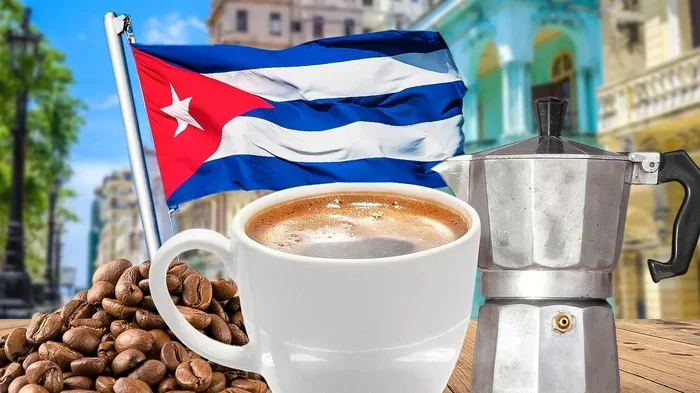
The stovetop espresso maker, also known as a moka pot or cafetera, is the backbone of Cuban coffee. It is a small, affordable pot that brews coffee by pushing steam through ground coffee. The result is a strong, concentrated shot that is close to espresso.
Moka pots come in different sizes. A 3-cup or 6-cup size is perfect for most households. Look for ones made of aluminum or stainless steel. Both work well, but aluminum is more traditional and heats up faster.
Demitasse Cups
Cuban coffee is served in small cups called demitasse cups. These are tiny, usually holding about 2 to 3 ounces. The small size keeps the coffee concentrated and strong. You can find demitasse cups at most kitchen supply stores or online for very little money.
A Good Coffee Grinder
Freshly ground coffee makes a big difference. If you do not have a grinder, you can buy pre-ground coffee, but freshly ground beans will give you a richer, more flavorful shot. Look for a fine grind, similar to what you would use for espresso.
Sugar And A Mixing Spoon
That is it. You do not need fancy tools. Just sugar, a spoon, and your moka pot. The simplicity of the process is part of what makes Cuban coffee so appealing.
Step-By-Step Cuban Coffee Recipe
Now let us get into the actual recipe. Follow these steps closely, and you will be drinking authentic Cuban coffee in no time.
Step 1: Prepare Your Moka Pot
Fill the bottom chamber of your moka pot with cold water. Do not overfill. The water should reach just below the safety valve. Next, fill the filter basket with finely ground coffee. Do not pack it too tight. Level it off with the back of a spoon.
Step 2: Start Brewing
Place the moka pot on the stove over medium heat. Keep the lid open so you can watch the coffee flow. Within a few minutes, you will hear a gurgling sound. This means the coffee is brewing and pushing through the grounds.
Watch carefully. As soon as the coffee starts to come through in a steady stream, remove the pot from the heat. Do not let it boil dry. This can make the coffee taste bitter.
Step 3: Make The Espuma (Foam)
This is the most important step. Before you pour the coffee into the cup, you need to create the foam. Take a small amount of sugar in a cup or spoon. Then, using a spoon, catch the first few drops of espresso and mix them into the sugar.
Stir vigorously. You are trying to create a thick, creamy paste. Keep adding drops and stirring until you have a smooth, caramel-colored foam. This mixture is the soul of Cuban coffee.
Step 4: Combine And Pour
Once your espuma is ready, pour the rest of the brewed coffee into the cup. Stir gently to combine. The foam will rise to the top and create that signature layer.
Serve immediately. Cuban coffee is best enjoyed fresh and hot. Do not let it sit too long, or the foam will lose its texture.
How YouTube Tutorials Can Help You Perfect Your Technique
If you have ever tried making Cuban coffee and it did not turn out right, you are not alone. The espuma can be tricky, and getting the grind size just right takes practice. This is where YouTube tutorials become incredibly valuable.
Why Video Beats Text For Learning Cuban Coffee
When you watch someone make Cuban coffee on video, you can see things that words cannot describe. You can observe how tight to pack the coffee grounds, how fast to stir the espuma, and exactly when to remove the pot from the heat. These visual cues are essential for getting the technique right.
Many creators on Cuban coffee Youtube channels also share their mistakes and tips. This gives you a more realistic learning experience. You see that even the pros struggle sometimes, and that is completely normal.
What To Look For In A Good Tutorial
Not all YouTube videos are created equal. Here are some things to look for when choosing a tutorial:
- Clear close-up shots: You want to see the details of the process, especially the espuma being made.
- Realistic settings: Videos filmed in a real kitchen feel more relatable than overly polished studio setups.
- Step-by-step narration: The best creators explain each step as they go, so you never feel lost.
- Tips and troubleshooting: Look for videos that address common problems like bitter coffee or thin foam.
Watching a few different videos can also help you compare techniques. Some creators use a specific method for the espuma that works better for them. You can experiment and find what works best for your taste.
Alternative Brewing Methods You Can Explore
While the moka pot is the traditional choice, some people explore other methods. For example, you can learn how to make coffee in a microwave oven as a quick alternative when you do not have time for the full stovetop process. However, keep in mind that the microwave method will not give you the same rich, concentrated flavor as a moka pot or espresso machine.
Common Mistakes And How To Avoid Them
Making Cuban coffee is simple, but small mistakes can ruin the final result. Here are the most common pitfalls and how to avoid them.
Using The Wrong Grind Size
If your coffee grounds are too coarse, the shot will be weak and watery. Too fine, and the water cannot flow through properly. You want a fine grind, similar to table salt. If you are using a burr grinder, set it to a medium-fine setting.
Overpacking The Filter Basket
It is tempting to pack the coffee grounds tightly into the moka pot. Resist that urge. Overpacking restricts water flow and can cause the coffee to taste bitter or burnt. Use a gentle hand and level the grounds with a spoon.
Forgetting The Espuma
This is the biggest mistake beginners make. Without the espuma, you are just drinking sweetened espresso. The foam is what defines Cuban coffee. Take the time to learn how to make it properly. It might take a few tries, but once you get the hang of it, it becomes second nature.
Using Stale Coffee Beans
Fresh beans make a world of difference. Coffee that has been sitting on the shelf for months will taste flat and dull. Try to buy whole beans and grind them right before brewing. This gives you the best flavor and aroma.
Not Serving It Immediately
Cuban coffee is meant to be enjoyed right away. The foam loses its texture as it sits, and the flavors change. Make the coffee, pour it, and drink it while it is hot and fresh.
Serving And Enjoying Your Cuban Coffee
Once you have brewed your Cuban coffee, it is time to enjoy it the right way. Serving it properly makes the experience even better.
Traditional Pairings
Cuban coffee is traditionally served alongside sweet pastries or desserts. Think flan, pastelitos, or even a warm Cinnabon. The sweetness of the pastry complements the bold, slightly sweet coffee perfectly. If you want to try warming up a Cinnabon in the oven, it makes for an excellent pairing with a fresh cup of cafecito.
Another popular option is to serve Cuban coffee with a small plate of cookies or sweet bread. The combination of rich coffee and sugary treats is a classic pairing that brings people together.
The Social Aspect Of Cuban Coffee
In Cuban culture, coffee is a social drink. It is not something you gulp down on the go. It is something you sit down, savor, and share with others. Making Cuban coffee for friends or family is a gesture of warmth and hospitality.
Next time you make a pot of Cuban coffee, invite someone to sit with you. Share the cup. Talk. Laugh. That is the real magic of this drink.
How To Store Leftover Coffee
If you happen to have leftover coffee, you can reheat it in the oven or on the stove. However, reheating coffee can change its flavor. If you need to reheat, do so gently and avoid boiling. A better option is to use leftover coffee in recipes, such as marinades or desserts.
Key Takeaways
- A moka pot is the essential tool: It creates the strong, concentrated base that defines Cuban coffee.
- The espuma is the signature element: Practice making the foam until it becomes second nature.
- YouTube tutorials accelerate your learning: Watching real people brew coffee helps you pick up techniques faster than reading alone.
- Use fresh, finely ground beans: This is the single biggest factor in flavor quality.
- Serve immediately and enjoy socially: Cuban coffee is meant to be shared and savored, not rushed.
- Pair with sweet treats for the full experience: A warm pastry alongside your cafecito elevates the whole moment.
Frequently Asked Questions
What is the difference between Cuban coffee and regular espresso?
Cuban coffee is essentially espresso that is sweetened with sugar and topped with a thick foam called espuma. Regular espresso is usually served without sugar and foam. The addition of sugar and the whipping technique are what give Cuban coffee its unique character and creamy texture.
Can I make Cuban coffee without a moka pot?
Yes, you can use an espresso machine if you have one. However, the traditional moka pot is what gives Cuban coffee its authentic flavor. If you do not have either, you can learn how to make coffee in a microwave oven as a quick alternative, though the results will be different from the real thing.
How do I make the espuma foam properly?
Start by placing a small amount of sugar in a cup. Then, using a spoon, catch the first few drops of freshly brewed espresso and mix them into the sugar. Stir vigorously until you get a thick, creamy, caramel-colored paste. This mixture is your espuma, and it goes on top of the coffee before you pour the rest of the shot.
What type of coffee beans are best for Cuban coffee?
Traditional Cuban coffee uses dark-roasted beans, which give the coffee a bold, rich flavor. You can use any dark roast beans you like. The key is to grind them fresh and fine for the best results. Look for beans labeled as dark roast or espresso roast for the most authentic taste.
Is Cuban coffee the same as cafe Cubano?
Yes, cafe Cubano is another name for Cuban coffee. Both terms refer to the same drink: a small, strong shot of espresso sweetened with sugar and topped with espuma foam. You may also hear it called cafecito, which is a smaller, more casual version of the same drink.
How can YouTube help me improve my Cuban coffee technique?
YouTube tutorials allow you to see the entire process in real time, from grinding the beans to creating the foam. Watching experienced baristas and home cooks demonstrates techniques that are hard to describe in words. Search for Cuban coffee videos on YouTube to find creators who share detailed, step-by-step guidance that you can follow along with at home.
=== CONCLUSION ===
Making Cuban coffee at home is a rewarding experience that brings a piece of Cuban culture right into your kitchen. With just a moka pot, some sugar, and a little practice, you can brew a cafecito that rivals what you would find in a Havana cafe.
Use YouTube tutorials to speed up your learning, avoid common mistakes, and refine your technique over time. The espuma may take a few tries to master, but once you get it right, you will never go back to regular coffee again.
So grab your moka pot, pull up a Cuban coffee Youtube video, and start brewing. Your perfect cup of cafe Cubano is just a few steps away. Enjoy the process, share it with loved ones, and savor every sip of that rich, sweet, beautiful coffee.