Your Guide on How To Make Continental Coffee at Home
Discover the art of continental coffee with our simple at-home guide. This rich, smooth brew uses a special method that brings out deep, full flavors every time. You’ll learn the exact steps, equipment, and pro tips to master continental coffee like a café barista.
There is something deeply comforting about a cup of continental coffee. Unlike the quick espresso shots many people know, this style brews slowly and delivers a smooth, full-bodied experience. If you have ever visited a European café, you have likely tasted this method. Now, you can recreate it in your own kitchen with just a few simple steps.
Continental coffee is more than just a drink. It is a ritual that brings people together. The gentle extraction pulls out rich flavors without the bitterness often found in other brewing methods. Whether you are a coffee novice or a seasoned home brewer, learning how to make continental coffee will elevate your daily routine. This guide covers everything from equipment and ingredients to troubleshooting and pairing ideas.
By the end of this article, you will know exactly how to brew a perfect pot. You will understand the differences between cafetière, percolator, and drip methods. You will also discover quick tips and common mistakes to avoid. Let us dive into the world of continental coffee and bring that café feeling home.
Key Takeaways
- Point 1: Continental coffee is a rich, smooth brewing style that originated in Europe and uses a slower extraction process.
- Point 2: You only need a few simple tools like a cafetière, percolator, or drip filter to make authentic continental coffee at home.
- Point 3: The perfect cup depends on the right grind size, water temperature, and coffee-to-water ratio.
- Point 4: Avoid common mistakes such as using boiling water or pre-ground coffee to get the best flavor.
- Point 5: Pair your brew with hearty dishes like BBQ chicken tenders baked in the oven or roasted sweet potatoes for a complete meal.
- Point 6: Experiment with variations like spiced or iced continental coffee to match your mood.
📑 Table of Contents
- What Is Continental Coffee?
- A Brief History of Continental Coffee
- Essential Equipment for Brewing Continental Coffee
- Step-by-Step Guide to Making Continental Coffee
- Popular Continental Coffee Variations
- Common Mistakes to Avoid
- Pairing Continental Coffee with Food
- Quick Tips for the Perfect Cup
- Conclusion
What Is Continental Coffee?
Continental coffee refers to a traditional European brewing style. It focuses on balance, clarity, and a mellow taste. The method uses a coarser grind and longer steeping time compared to espresso. This results in a cup that feels smooth on the palate and highlights the natural sweetness of the beans.
The term “continental” simply means it comes from the European continent. Countries like France, Italy, and Austria have their own versions, but the core principles remain the same. You use fresh beans, clean water, and a slow extraction process. The goal is a clean, flavorful cup that you can sip slowly.
How Continental Coffee Differs from Other Styles
Espresso is fast and intense. It uses high pressure and a fine grind to produce a small, concentrated shot. Continental coffee does not use pressure. Instead, it relies on gravity or immersion. This makes it gentler and less acidic. Filter coffee in the American style is similar, but continental methods often involve specific devices like the cafetière or moka pot.
The continental coffee taste is often described as round, nutty, and slightly sweet. It lacks the sharp bite of a dark espresso. This makes it a perfect base for milk drinks or black sipping. Many people find it easier on the stomach because the slower extraction reduces certain compounds that cause bitterness.
A Brief History of Continental Coffee
Coffee arrived in Europe in the 17th century. By the 1800s, coffee houses became social hubs across the continent. People gathered to drink continental coffee and discuss ideas. The brewing methods evolved alongside these social rituals. The French press, for example, gained popularity in the 1920s as a simple way to extract full flavor.
In Austria, the Viennese coffee tradition added a touch of elegance. They served coffee with a dollop of cream. The Italian moka pot, invented in 1933, brought stovetop brewing into homes. Each of these devices shaped the continental coffee culture we know today. They all share a commitment to patience and quality.
Understanding this history helps you appreciate the craft. When you brew a pot, you are participating in a centuries-old tradition. You are not just making caffeine; you are creating a moment of calm.
Essential Equipment for Brewing Continental Coffee
You do not need expensive gear to make great continental coffee. The right tools ensure consistency and flavor. Here are the most common devices used in this style.
The Cafetière (French Press)
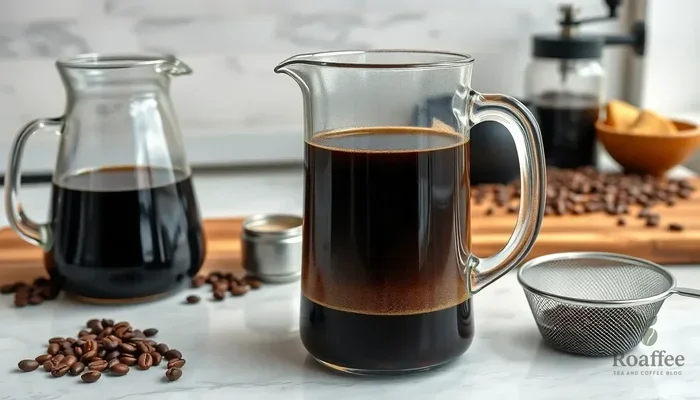
A cafetière is the most iconic tool for continental coffee. It uses immersion brewing. You steep coarsely ground coffee in hot water for four minutes, then press a metal plunger down. The result is a rich, full-bodied cup with natural oils intact. This method is simple, affordable, and forgiving.
Look for a cafetière with a sturdy glass or stainless steel carafe. A good plunger filter prevents grounds from slipping through. A 34-ounce press serves two to four people comfortably.
The Percolator
The percolator has a long history in European households. It cycles boiling water through coffee grounds repeatedly. This creates a strong, bold brew. Traditional stovetop percolators are making a comeback among continental coffee enthusiasts. They offer a nostalgic brewing experience and a robust flavor profile.
However, percolators can over-extract if left on too long. You must watch the brewing cycle carefully. Many modern electric percolators have timers that make this easier.
The Filter Drip Machine
A standard drip coffee maker can also produce excellent continental coffee. The key is to use a paper or gold filter and a medium grind. The water heats and drips slowly over the grounds. This method is convenient for larger batches. It produces a clean, bright cup that highlights the bean’s origin notes.
Other Useful Tools
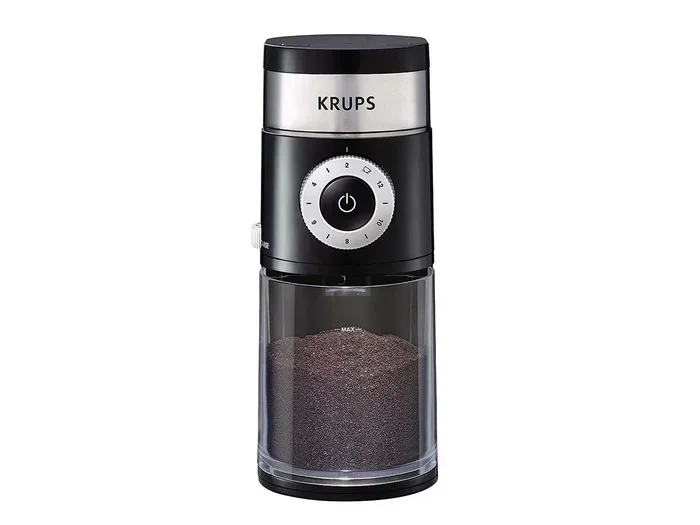
- Burr grinder: Ensures an even grind size, which is critical for balanced extraction.
- Kettle with temperature control: Lets you heat water to the ideal range without guessing.
- Kitchen scale: Measures coffee and water precisely for consistent results.
- Timer: Helps you track steeping or brewing time accurately.
Step-by-Step Guide to Making Continental Coffee
Brewing continental coffee is straightforward once you know the process. Follow these steps for a perfect cup every time.
Step 1: Choose Fresh, Quality Beans
Start with whole beans that were roasted within the last two to four weeks. Fresh beans release more aromatic oils during brewing. Look for a medium roast, which balances acidity and sweetness. The beans should smell rich and slightly sweet, not stale or oily.
For the best continental coffee flavor, consider a blend with Brazilian and Colombian beans. These provide a nutty base with a hint of chocolate. Single-origin beans also work well if you enjoy tracing the flavor back to a specific region.
Step 2: Grind the Beans Correctly
Grind size is the most important variable. For a cafetière, use a coarse grind, similar to sea salt. For a percolator or drip machine, a medium grind works best. A burr grinder gives you the most consistent particles. Avoid blade grinders, which create uneven dust and large chunks.
Grind your beans just before brewing. This preserves the volatile aromas that make continental coffee so enjoyable. If you must grind ahead, store the grounds in an airtight container away from light.
Step 3: Heat the Water to the Right Temperature
Use filtered water for the cleanest taste. Heat the water to between 195°F and 205°F (90°C to 96°C). Boiling water (212°F) can scorch the grounds and create bitterness. If you do not have a temperature-controlled kettle, simply let boiling water sit for 30 seconds before pouring.
The right water temperature ensures proper extraction without damaging the beans. Too cool and the coffee will be weak and sour. Too hot and it becomes harsh and astringent.
Step 4: Measure the Coffee and Water
A good starting ratio is 1:15. That means 1 gram of coffee for every 15 grams of water. For a standard 12-cup drip machine, this translates to about 60 grams of coffee and 900 milliliters of water. Use a kitchen scale for accuracy. Scoops can be unreliable because they pack differently.
Adjust the ratio to your taste. If you prefer a stronger cup, use a 1:14 ratio. For a lighter brew, try 1:16. The beauty of continental coffee is its flexibility.
Step 5: Brew with Patience
If using a cafetière, add the grounds to the empty carafe. Pour hot water evenly over the coffee and start the timer. Stir gently once after 30 seconds. Place the lid on top and let it steep for four minutes. Then press the plunger down slowly and steadily.
For a percolator, fill the reservoir with cold water and add grounds to the basket. Place it on the stove over medium heat. Watch for the first signs of bubbling. Once it begins to perk, reduce the heat to low. Let it brew for six to eight minutes total. Remove from heat immediately when the brewing cycle ends.
With a drip machine, simply add the filter, grounds, and water, then press start. The machine will handle the timing. However, you can still pour the first cup once it finishes to prevent over-steeping on the hot plate.
Step 6: Serve and Enjoy
Pour the coffee into a pre-warmed cup. Pre-warming keeps the brew from cooling too quickly. Drink it within 20 minutes of brewing for the best flavor. Continental coffee is often enjoyed black to appreciate its full character, but a splash of milk or cream is perfectly acceptable.
For a special touch, add a pinch of cinnamon or a drop of vanilla. These enhancements complement the natural sweetness of the beans without masking the origin flavors.
Popular Continental Coffee Variations
Once you master the basic method, you can explore fun variations. These twists add new dimensions to your cup.
Spiced Continental Coffee
Add a cinnamon stick or three whole cloves to the grounds before brewing. The spices infuse during the steeping process and create a warm, aromatic cup. This variation pairs beautifully with autumn and winter mornings. It is a simple way to elevate your continental coffee routine.
Iced Continental Coffee
Brew a strong batch using the 1:14 ratio. Let it cool to room temperature, then pour over a glass filled with ice. The rapid chilling locks in the flavors and prevents dilution. Add a splash of oat milk for a creamy, refreshing drink. This is a perfect continental coffee recipe for hot summer days.
Sweetened Honey Continental Coffee
Stir a teaspoon of raw honey into your cup while the coffee is still hot. The honey dissolves easily and adds floral notes. This is a healthier alternative to white sugar. It also complements the nutty undertones of a medium roast.
Common Mistakes to Avoid
Even experienced home brewers can slip up. Watch out for these pitfalls when making continental coffee.
- Using boiling water: This is the most common error. Scalding water extracts bitter compounds and ruins the smooth taste. Always wait for the water to cool slightly after boiling.
- Grinding too fine: A fine grind can clog filters and create a muddy, over-extracted cup. Match the grind size to your brewing device.
- Skipping the preheat: A cold carafe or mug absorbs heat from the coffee, making it cool faster and taste flat. Rinse your vessels with hot water before brewing.
- Using old beans: Coffee stales quickly after roasting. Beans older than a month lose their aroma and produce a flat, lifeless cup.
- Leaving coffee on the heat: If you use a drip machine with a hot plate, do not leave the pot on it for more than 20 minutes. The continued heat turns the coffee bitter and burnt.
Expert Insight
Baristas often say that continental coffee is all about balance. If your cup tastes too bitter, your water was too hot or you steeped too long. If it tastes sour or thin, the grind is too coarse or the water was too cool. Adjust one variable at a time until you find your perfect sweet spot.
Pairing Continental Coffee with Food
Continental coffee pairs wonderfully with a variety of foods. Its smooth, balanced profile complements both sweet and savory dishes. Here are some ideas to complete your coffee experience.
For a classic breakfast, serve continental coffee with fresh pastries or toast. The mild acidity of the coffee cuts through the richness of butter and jam. If you are in the mood for something heartier, try a side of roasted sweet potatoes. Their natural sweetness echoes the nutty notes in the coffee. You can learn how to make them perfectly by following our guide on how to make sweet potatoes in the oven.
For a lunch or brunch, pair your brew with savory baked chicken. The smoky, tangy flavors of BBQ sauce stand up beautifully to the boldness of continental coffee. Our recipe for BBQ chicken tenders baked in the oven makes an excellent companion. The crispy tenders and rich coffee create a satisfying meal that feels both cozy and indulgent.
If you enjoy exploring other coffee methods, you might also appreciate our guide on how to make coffee in a microwave oven. While not a traditional continental method, it is a quick alternative for busy mornings.
Quick Tips for the Perfect Cup
- Always use filtered water: Chlorine and minerals in tap water can alter the taste of your coffee.
- Preheat your brewer: Rinse the cafetière or carafe with hot water before adding grounds.
- Keep beans in an airtight container: Store them at room temperature away from sunlight and heat.
- Clean your equipment regularly: Old coffee oils build up and turn rancid, affecting every brew.
- Experiment with ratios: Keep a simple log of your coffee-to-water ratios and adjust based on your preference.
Conclusion
Making continental coffee at home is a rewarding skill. It brings the elegance of a European café into your daily life. With the right beans, grind, water, and device, you can brew a cup that is smooth, rich, and full of character. The process is simple, yet the results are extraordinary.
Remember to take your time. The slow extraction is the heart of this method. Do not rush the steeping or the brewing cycle. Pay attention to the details, and your taste buds will thank you. Whether you prefer the classic cafetière or the convenience of a drip machine, the principles remain the same. Use fresh beans, the correct water temperature, and the proper grind size.
Now that you have this guide, you are ready to start. Brew a pot, sit down, and savor every sip. Continental coffee is more than a drink. It is a moment of pause in a busy day. Enjoy that moment, and share it with friends. The perfect cup is waiting for you.
Frequently Asked Questions
What makes continental coffee different from regular drip coffee?
Continental coffee typically uses a coarser grind and a slower extraction method, such as immersion in a cafetière or cycling in a percolator. Regular drip coffee often uses a medium grind and a paper filter, which produces a cleaner, lighter cup. The result is a richer, more full-bodied flavor profile.
Can I use pre-ground coffee for continental coffee?
You can, but fresh whole beans ground just before brewing will always yield a superior cup. Pre-ground coffee loses its aromatic oils quickly, resulting in a flatter taste. If you must use pre-ground, store it in a sealed container and use it within a week of opening.
What is the best coffee bean for continental coffee?
A medium roast blend with Brazilian and Colombian beans is a classic choice. These beans offer a balanced nutty and chocolatey flavor that suits the slow extraction of continental brewing. You can also experiment with single-origin beans from Ethiopia or Guatemala for brighter, fruitier notes.
How long should I steep continental coffee in a cafetière?
The standard steeping time is four minutes. This allows enough time for proper extraction without over-extracting bitter compounds. If you prefer a stronger cup, you can steep for five minutes, but do not exceed six minutes or the flavor may turn harsh.
Is continental coffee stronger than espresso?
No, continental coffee is generally less concentrated than espresso. It has a smoother, milder strength because it does not use high pressure. However, the flavor can feel rich and robust because of the longer extraction time and the presence of natural oils.
Can I make continental coffee in an oven or toaster oven?
While you cannot brew coffee directly in an oven, you can use an oven to prepare ingredients that pair with your coffee, such as roasted sweet potatoes or baked goods. For the coffee itself, stick to stovetop percolators, cafetières, or drip machines designed for brewing.