Does Coffee Concentrate Have Caffeine And How Much
Yes, coffee concentrate has caffeine — in fact, it often packs more caffeine per ounce than regular brewed coffee. A typical serving of coffee concentrate contains around 100–200 mg of caffeine, depending on the beans and preparation method. Understanding caffeine levels helps you control your daily intake and enjoy your drink safely.
Coffee concentrate has taken the coffee world by storm. You see it on store shelves, in coffee shops, and in social media recipes. But one question keeps coming up — does coffee concentrate have caffeine? The short answer is yes. But the full story is more interesting than you might think.
Whether you are a busy professional looking for a quick morning boost or a coffee enthusiast experimenting at home, understanding the caffeine content in coffee concentrate matters. This guide breaks it all down. You will learn what coffee concentrate is, how much caffeine it actually contains, and how it compares to your regular cup of joe. We will also cover how to make it, how to use it, and what to watch out for if you are sensitive to caffeine.
By the end of this article, you will know everything you need to make informed choices about your coffee concentrate intake. No guesswork. No confusion. Just clear, practical information you can use every day.
Key Takeaways
- Coffee concentrate definitely contains caffeine — it is made from coffee beans, which naturally hold caffeine.
- A single serving typically has 100–200 mg of caffeine, which can be higher than a standard cup of drip coffee.
- The caffeine amount depends on several factors, including the type of bean, brewing method, and serving size.
- Cold brew concentrate and espresso concentrate are two popular forms, each with unique caffeine levels.
- Diluting concentrate with water or milk reduces caffeine per cup but does not eliminate it.
- People with caffeine sensitivity should monitor their intake and adjust serving sizes accordingly.
- Making coffee concentrate at home gives you full control over caffeine strength and flavor.
📑 Table of Contents
- What Is Coffee Concentrate?
- Does Coffee Concentrate Have Caffeine?
- Cold Brew Concentrate vs. Espresso Concentrate
- How to Make Coffee Concentrate at Home
- Caffeine in Coffee Concentrate vs. Other Coffee Drinks
- Common Mistakes When Using Coffee Concentrate
- Health Considerations and Caffeine Safety
- Quick Tips for the Perfect Coffee Concentrate
- Expert Insights on Coffee Concentrate and Caffeine
- Conclusion
What Is Coffee Concentrate?
Coffee concentrate is a thick, highly concentrated form of coffee. It is made by extracting coffee flavors and caffeine from grounds using water, time, or pressure. The result is a potent liquid that you can dilute with water, milk, or ice to create your favorite coffee drink.
Think of it like a coffee syrup — but not sweet. It carries the bold, rich taste of coffee in a small, powerful package. You only need a small amount to make a full cup.
How Is Coffee Concentrate Made?
There are several ways to make coffee concentrate at home. The most common methods include cold brewing, hot brewing, and espresso extraction.
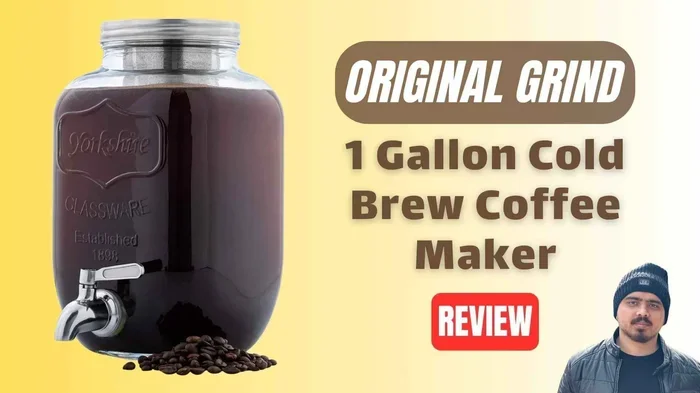
Cold Brew Method: You mix coarse coffee grounds with cold water and let it sit in the fridge for 12 to 24 hours. After straining, you get a smooth, concentrated coffee liquid. Cold brewing produces a less acidic concentrate, which many people prefer.
Hot Brew Method: You brew coffee with hot water using a higher ratio of grounds to water. This creates a strong concentrate quickly. If you are short on time, you can also make coffee in the microwave as a fast base for your concentrate.
Espresso Method: An espresso machine forces hot water through finely ground coffee at high pressure. The result is a thick, intense shot of coffee that serves as a natural concentrate. Espresso-based drinks like lattes and americanos start from this concentrated base.
Does Coffee Concentrate Have Caffeine?
Yes, coffee concentrate has caffeine. That is because caffeine is a natural compound found in coffee beans. When you extract coffee into a concentrate, you are pulling out caffeine along with flavor oils, acids, and other compounds.
The real question people ask is not whether it has caffeine, but how much caffeine is actually in coffee concentrate. And the answer depends on several key factors.
What Determines Caffeine Levels?
Several variables influence the final caffeine content in your concentrate:
- Type of coffee bean: Robusta beans contain nearly double the caffeine of Arabica beans. If you use Robusta, expect a stronger caffeine kick.
- Brewing method: Cold brew and espresso methods extract caffeine differently. Espresso pulls caffeine quickly under pressure, while cold brew extracts it slowly over many hours.
- Coffee-to-water ratio: More grounds per cup of water means more caffeine in the final concentrate.
- Brewing time: Longer extraction times pull out more caffeine. This is why cold brew concentrates often have higher caffeine levels.
- Serving size: A small shot of concentrate has less total caffeine than a large diluted cup.
How Much Caffeine Is in Coffee Concentrate?
On average, one ounce of coffee concentrate contains about 50 to 100 mg of caffeine. A standard serving is usually 1 to 2 ounces, which you then dilute with 6 to 8 ounces of water or milk.
So when you drink a full diluted cup, you are consuming roughly 100 to 200 mg of caffeine. For comparison, a standard 8-ounce cup of drip coffee has about 80 to 100 mg. This means coffee concentrate can actually deliver more caffeine per serving, especially if you use less water when diluting.
| Coffee Type | Caffeine Per Serving | Notes |
|---|---|---|
| Drip Brewed Coffee | 80–100 mg (8 oz) | Standard baseline |
| Cold Brew Concentrate | 100–200 mg (per diluted cup) | Higher due to concentration |
| Espresso Concentrate | 63–75 mg (per 1 oz shot) | Intense but small serving |
| Instant Coffee Concentrate | 30–90 mg (per serving) | Varies by brand |
| Commercial Coffee Concentrate | 80–150 mg (per diluted cup) | Check label for exact amounts |
As you can see, the caffeine content varies widely. Always check the label if you are buying a store-bought concentrate. And if you are making it at home, control the ratio to suit your caffeine needs.
Cold Brew Concentrate vs. Espresso Concentrate
Not all coffee concentrates are the same. Cold brew concentrate and espresso concentrate are the two most popular types, and they differ in caffeine levels, taste, and preparation.
Cold Brew Concentrate
Cold brew concentrate is made by steeping coffee grounds in cold water for 12 to 24 hours. It produces a smooth, low-acidity concentrate with a rich flavor profile. Because the extraction process is slow, cold brew often pulls out caffeine steadily over many hours.
A typical cold brew concentrate has about 200 mg of caffeine per 8-ounce diluted cup. This makes it one of the stronger options among caffeinated beverages. Many people love cold brew concentrate because it lasts up to two weeks in the fridge, making it a convenient daily option.
Espresso Concentrate
Espresso concentrate is made using an espresso machine that forces hot water through finely ground coffee. Each shot is small — usually 1 to 2 ounces — but packed with intense flavor and caffeine.
A single espresso shot contains about 63 to 75 mg of caffeine. While this seems lower than cold brew, people often drink multiple shots in a single serving. A double espresso or a latte made with two shots can easily reach 150 mg of caffeine or more.
Which One Has More Caffeine?
Generally, cold brew concentrate delivers more caffeine per diluted cup than a single espresso shot. However, if you drink multiple espresso-based drinks throughout the day, your total caffeine intake can add up quickly.
The best choice depends on your preferences and caffeine tolerance. If you want a strong, slow-release energy boost, cold brew concentrate is a great pick. If you prefer a quick, intense jolt, espresso concentrate is hard to beat.
How to Make Coffee Concentrate at Home
Making coffee concentrate at home is simple and rewarding. You control the ingredients, the strength, and the caffeine level. Here are three easy methods you can try today.
Method 1: Simple Cold Brew Concentrate
You will need coarse coffee grounds, cold filtered water, a jar, and a strainer.
- Combine 1 cup of coarse grounds with 4 cups of cold water in a jar.
- Stir gently to saturate all the grounds.
- Cover and refrigerate for 16 to 24 hours.
- Strain through a fine mesh strainer or cheesecloth.
- Store in the fridge for up to 14 days.
To serve, mix 1 to 2 ounces of concentrate with 6 to 8 ounces of water or milk. Adjust the ratio to control caffeine strength and flavor.
Method 2: Hot Concentrate Method
This method is faster and great for busy mornings.
- Boil 2 cups of water.
- Add 1 cup of finely ground coffee and stir.
- Let it steep for 4 to 5 minutes.
- Strain and let it cool.
- Store in the refrigerator.
This produces a strong hot-brewed concentrate. You can dilute it just like cold brew. The caffeine content will be slightly higher due to the hot extraction process.
Method 3: Using an Espresso Machine
If you own an espresso machine, making concentrate is effortless. Pull two or three shots and use them as a base for iced coffee, lattes, or americanos. You can also save extra shots in the freezer for later use.
For those who do not have an espresso machine, you can explore countertop kitchen appliances that simplify the process. Many modern ovens and coffee makers now offer multifunctional features that make coffee preparation easier than ever.
Caffeine in Coffee Concentrate vs. Other Coffee Drinks
Not all coffee drinks are created equal when it comes to caffeine. Here is how coffee concentrate stacks up against other popular options.
Coffee Concentrate vs. Regular Brewed Coffee
A standard 8-ounce cup of brewed coffee has about 80 to 100 mg of caffeine. A diluted cup of coffee concentrate can have 100 to 200 mg, depending on how much concentrate you use. So coffee concentrate often delivers more caffeine per cup.
Coffee Concentrate vs. Instant Coffee
Instant coffee is a quick and easy option, but it generally has less caffeine than concentrate. One cup of instant coffee contains about 30 to 90 mg. Coffee concentrate nearly doubles that amount.
Coffee Concentrate vs. Energy Drinks
Energy drinks are loaded with caffeine and sugar. A typical 12-ounce energy drink has about 80 to 120 mg of caffeine. Coffee concentrate offers a similar caffeine boost without the added sugar and artificial ingredients.
If you are looking for a clean, natural source of caffeine, coffee concentrate is a solid choice. It gives you the energy boost you need without the extra additives found in many commercial energy drinks.
Common Mistakes When Using Coffee Concentrate
Even experienced coffee drinkers make mistakes with concentrate. Here are some common errors to avoid.
Using Too Much Concentrate
More concentrate does not always mean better coffee. Using too much can result in an overly strong, bitter drink. Stick to the recommended ratio of 1 to 2 ounces of concentrate per 6 to 8 ounces of liquid.
Ignoring Caffeine Sensitivity
People react to caffeine differently. Some can drink multiple cups without issues, while others feel jittery after one serving. If you are sensitive to caffeine, start with a smaller serving and see how you feel. You can always add more the next time.
Storing Concentrate Improperly
Coffee concentrate should always be stored in the refrigerator. Leaving it at room temperature can cause bacteria growth and spoilage. Proper storage keeps your concentrate fresh and safe to drink.
Using the Wrong Grind Size
For cold brew, use coarse grounds. Fine grounds can make the concentrate gritty and over-extracted. For hot concentrate, a medium grind works best. Matching the grind to the method makes a big difference in flavor and texture.
Health Considerations and Caffeine Safety
Coffee concentrate is safe for most healthy adults when consumed in moderation. The FDA recommends limiting caffeine intake to 400 mg per day. This equals about two to four diluted cups of coffee concentrate, depending on strength.
Who Should Be Cautious?
Certain groups should monitor their caffeine intake more carefully:
- Pregnant women: Limit caffeine to 200 mg per day.
- People with heart conditions: Caffeine can increase heart rate and blood pressure.
- Individuals with anxiety: Caffeine may worsen anxiety symptoms.
- Teenagers and children: Lower caffeine tolerance means smaller servings are appropriate.
Signs of Too Much Caffeine
Watch for these warning signs:
- Restlessness or jitteriness
- Rapid heartbeat
- Difficulty sleeping
- Stomach upset or nausea
- Headaches
If you experience any of these symptoms, reduce your caffeine intake and drink plenty of water. Your body will thank you.
Quick Tips for the Perfect Coffee Concentrate
Here are some expert tips to help you get the best results every time:
- Use fresh, quality beans: Freshly roasted beans produce the best flavor and caffeine extraction.
- Grind just before brewing: Pre-ground coffee loses flavor quickly. Grind your beans right before making concentrate.
- Experiment with ratios: Everyone’s taste is different. Adjust the coffee-to-water ratio until you find your perfect strength.
- Keep it cold: Cold concentrate stays fresher longer and has a smoother taste than warm concentrate.
- Label your concentrate: If you make multiple batches, label them with the date and type of bean. This helps you track freshness and flavor preferences.
- Try adding flavors: A splash of vanilla, cinnamon, or cocoa can elevate your concentrate into a gourmet drink.
Expert Insights on Coffee Concentrate and Caffeine
According to coffee professionals, the key to a great concentrate is balance. The extraction process should pull out enough caffeine and flavor without overdoing it. Cold brew experts often recommend a 1:4 coffee-to-water ratio for the perfect concentrate that is strong but not overwhelming.
Baristas also suggest that the type of water you use matters. Filtered water without heavy chlorine or mineral content produces a cleaner, more balanced concentrate. Hard water can interfere with extraction and alter the final taste.
For those who want to explore different coffee experiences, consider trying various beans and roast levels. Light roasts tend to have slightly more caffeine than dark roasts, though the difference is small. The real flavor difference comes from the tasting notes — light roasts are brighter and more acidic, while dark roasts are bolder and smokier.
Conclusion
So, does coffee concentrate have caffeine? Absolutely. Coffee concentrate is a powerful, convenient, and delicious way to enjoy your daily caffeine fix. Whether you prefer cold brew concentrate or espresso concentrate, you are getting a significant caffeine boost in every serving.
The caffeine content in coffee concentrate typically ranges from 100 to 200 mg per diluted cup, making it comparable to or even stronger than regular brewed coffee. By understanding how concentrate is made and how to control your serving size, you can enjoy it safely and deliciously every day.
Making coffee concentrate at home is easy, affordable, and gives you complete control over your caffeine intake. Start with one of the simple methods we covered, experiment with ratios and beans, and find your perfect cup. Coffee concentrate is more than a trend — it is a practical, enjoyable way to start your morning right.
Frequently Asked Questions
Is coffee concentrate stronger than regular coffee?
Yes, coffee concentrate is typically stronger than regular brewed coffee. It has a higher concentration of coffee solids and caffeine per ounce. However, you dilute it before drinking, so the final caffeine content depends on how much water or milk you add.
How much caffeine is in a tablespoon of coffee concentrate?
A tablespoon of coffee concentrate (about 0.5 ounces) contains roughly 25 to 50 mg of caffeine. This varies based on the bean type, brewing method, and concentration ratio used during preparation.
Can coffee concentrate keep you awake?
Yes, coffee concentrate can keep you awake because it contains a significant amount of caffeine. The high caffeine levels in concentrate make it a powerful energy booster, especially if you drink it without diluting it too much.
Does decaf coffee concentrate have caffeine?
Decaf coffee concentrate still contains a small amount of caffeine, typically 2 to 5 mg per serving. The decaffeination process removes most caffeine but not all of it. If you are highly sensitive to caffeine, check the label carefully.
How long does coffee concentrate last in the fridge?
Coffee concentrate stays fresh in the refrigerator for up to 14 days when stored in an airtight container. After that, the flavor begins to degrade. Always use clean utensils when scooping out concentrate to avoid contamination.
Can I use coffee concentrate for cooking and baking?
Yes, coffee concentrate works great in cooking and baking. It adds rich coffee flavor to desserts, marinades, and sauces. You can also use it as a base for coffee-flavored ice cream or smoothies for an extra caffeine kick.