What Is A Cold Press Coffee Maker And Why You Need One
A cold press coffee maker is a simple device that brews coffee using cold or room-temperature water over a long steeping period. This method creates a smooth, low-acid coffee concentrate that tastes remarkably different from hot-brewed coffee. You will learn how cold press coffee makers work, their key benefits, and how to pick the right one for your needs.
If you love coffee but hate the bitter, acidic bite of hot-brewed cups, a cold press coffee maker might change your mornings forever. This simple brewing tool uses time and cold water to draw out the sweetest, smoothest flavors from coffee grounds. The result is a rich concentrate that tastes clean, mellow, and incredibly refreshing.
Cold brew coffee has exploded in popularity over the last few years. Coffee shops line their menus with cold brew options, and home brewers are jumping on board too. But what exactly is a cold press coffee maker, and why should you consider adding one to your kitchen? Let us break it all down.
Whether you are a coffee newbie or a seasoned brew enthusiast, understanding how cold brewing works can transform your daily routine. This guide covers everything from the basics of how a cold press coffee maker functions to practical tips for getting the best results at home.
Key Takeaways
- Cold brewing extracts fewer bitter compounds: Cold water pulls out smoother flavors and less acidity than hot brewing.
- A cold press coffee maker is easy to use: Just add grounds, water, wait, and strain.
- The concentrate lasts up to two weeks: You can batch brew and enjoy coffee all week long.
- Multiple styles exist: From simple mason jars to dedicated machines with built-in filters.
- Cold press coffee is versatile: Use it for iced coffee, lattes, or even coffee cocktails.
- Investing in a quality maker pays off: Better materials mean cleaner filtration and longer life.
📑 Table of Contents
- What Is A Cold Press Coffee Maker?
- How Does A Cold Press Coffee Maker Work?
- Benefits Of Using A Cold Press Coffee Maker
- Types Of Cold Press Coffee Makers
- How To Choose The Right Cold Press Coffee Maker
- Tips For Making The Best Cold Brew Coffee
- Cold Brew Vs. Hot Coffee: A Quick Comparison
- Common Mistakes To Avoid With Cold Brewing
- Frequently Asked Questions About Cold Press Coffee Makers
- Final Thoughts On Cold Press Coffee Makers
What Is A Cold Press Coffee Maker?
A cold press coffee maker is a brewing device designed to make coffee using cold or room-temperature water instead of hot water. The process is called cold brewing or cold pressing, and it relies on time rather than heat to extract flavor from coffee grounds.
Unlike traditional drip coffee makers or espresso machines, a cold press coffee maker does not apply any heat during the brewing process. The coffee steeps in cold water for anywhere from 12 to 24 hours. After steeping, the mixture gets filtered to separate the grounds from the liquid, leaving behind a smooth, concentrated coffee extract.
The concept is surprisingly simple. People have been making cold brew coffee for centuries, but modern cold press coffee makers make the process cleaner and more convenient. You do not need any special skills or expensive equipment to get started.
How Cold Brewing Differs From Hot Brewing
Hot brewing methods like drip coffee or French press use heat to quickly extract flavors from coffee grounds. This fast extraction pulls out both desirable compounds and bitter, acidic elements. The result is a bold cup with a lot of complexity, but also a lot of bite.
Cold brewing takes a completely different approach. Because the water is cold, the extraction happens slowly and selectively. The process pulls out the sweet, chocolatey, and fruity notes while leaving behind most of the bitter compounds. This is why cold press coffee tastes noticeably smoother and less acidic than its hot-brewed counterpart.
Think of it this way. Hot brewing is like a sprint, while cold brewing is a marathon. Both get you to the finish line, but the journey shapes the final result entirely.
How Does A Cold Press Coffee Maker Work?
The mechanics behind a cold press coffee maker are straightforward. Most systems consist of three main parts: a brewing container, a strainer or filter, and a collection vessel. Some models combine all three into one sleek unit.
Here is how the process typically works:
- You add coarsely ground coffee to the brewing container.
- Pour cold or room-temperature water over the grounds.
- Stir gently to make sure all grounds are saturated.
- Let the mixture steep for 12 to 24 hours in the refrigerator or at room temperature.
- Strain or press the mixture through a filter to separate the liquid from the grounds.
- Store the resulting concentrate in the refrigerator and serve as needed.
That is really all there is to it. The long steeping time does the heavy lifting. You do not need to monitor temperature or pressure like you would with an espresso machine.
The Role Of Steeping Time
Steeping time is one of the most important factors in cold brewing. Shorter steeping times around 12 hours produce a lighter, more diluted concentrate. Longer steeping times up to 24 hours create a richer, bolder flavor profile.
Most experts recommend starting with 16 to 18 hours as a sweet spot. This gives you a balanced concentrate that is strong enough to stand up to milk or water but not so intense that it overwhelms your palate.
Keep in mind that the brewing temperature also matters. Room-temperature steeping extracts flavors a bit faster than cold refrigeration. Some brewers prefer to let their cold press coffee maker sit on the counter for the first 8 hours and then move it to the fridge for the remaining time.
Benefits Of Using A Cold Press Coffee Maker
There are many reasons people fall in love with cold brew coffee. A cold press coffee maker offers benefits that go far beyond just great taste.
Smooth, Low-Acid Coffee
This is the number one reason most people switch to cold brewing. Because cold water extracts fewer acidic compounds, the resulting coffee is much gentler on your stomach. If you have ever felt heartburn or acid reflux after drinking hot coffee, cold brew might be a game changer for you.
The lower acidity also means a naturally sweeter flavor. You may find that you do not need to add sugar or flavored syrups to enjoy a delicious cup.
Convenience And Batch Brewing
Once you set up your cold press coffee maker in the morning, you come back to fresh coffee concentrate 12 to 24 hours later. That is it. No waiting for a drip cycle, no watching a percolator bubble away.
Better yet, cold brew concentrate keeps in the refrigerator for up to two weeks. This means you can batch brew once and enjoy coffee all week long. It is perfect for busy mornings when you need a quick caffeine boost without the hassle.
Versatility In The Kitchen
A cold press coffee maker opens up a world of possibilities beyond a simple glass of iced coffee. You can use the concentrate to make lattes, smoothies, coffee cocktails, and even coffee-infused desserts. The concentrated flavor holds up beautifully when mixed with milk, ice, or other ingredients.
Some people even use cold brew concentrate in cooking and baking. A splash of cold press coffee can add depth to chocolate desserts, marinades, and sauces.
Cost Savings Over Time
Buying cold brew coffee from cafes adds up fast. A daily cold brew habit can cost several dollars per day. With a cold press coffee maker at home, you can make the same quality coffee for pennies per cup. The initial investment pays for itself within weeks.
Types Of Cold Press Coffee Makers
Not all cold brew systems are created equal. Different styles suit different needs, budgets, and kitchen spaces. Here is a look at the most popular types.
Glass Pitcher Systems
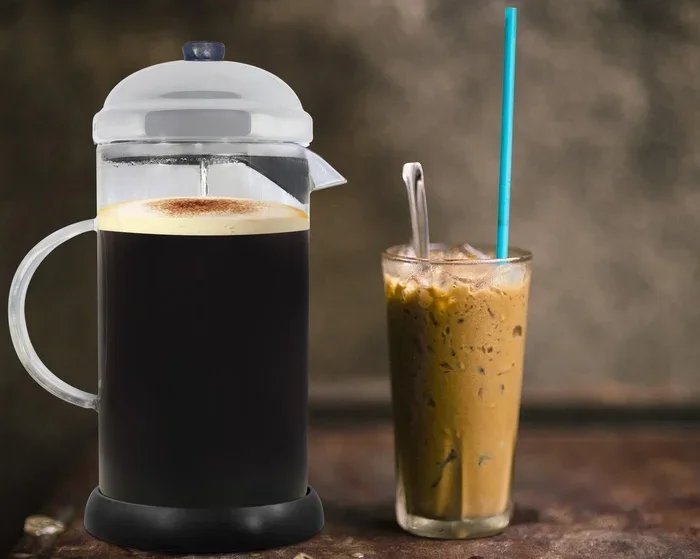
Glass pitcher cold brew systems are the most traditional option. They typically feature a glass carafe with a built-in strainer or lid that holds a filter basket. These systems are affordable, easy to clean, and let you watch the coffee steep.
The downside is that glass can break if handled carelessly. It also does not insulate as well as other materials. You will want to store your glass pitcher in the refrigerator during steeping.
Stainless Steel Cold Brew Makers
Stainless steel models are durable, long lasting, and often dishwasher safe. They come in various sizes and designs, from simple immersion-style brewers to more advanced systems with built-in filtration.
Many coffee enthusiasts prefer stainless steel because it does not absorb odors or flavors the way plastic can. A quality stainless steel cold press coffee maker can last for years with proper care.
Electric Cold Brew Machines
If you want speed and convenience, an electric cold brew machine might be worth the investment. These devices use cold water circulation or refrigeration to speed up the brewing process significantly. Some models can produce cold brew in as little as 1 to 2 hours.
Electric machines do cost more than manual options, but they are ideal for people who want fresh cold brew on demand without the long wait. Think of them as the cold press coffee maker equivalent of a quick brew.
DIY And Improvised Methods
You do not actually need a special device to make cold brew coffee. Many people use a simple mason jar, a fine mesh strainer, and a cheesecloth or paper filter. This approach works surprisingly well and costs almost nothing.
However, dedicated cold press coffee makers offer better filtration and more consistent results. If you plan to make cold brew regularly, investing in a proper system will improve your experience.
How To Choose The Right Cold Press Coffee Maker
With so many options on the market, picking the right cold press coffee maker can feel overwhelming. Here are the key factors to consider before you buy.
Capacity And Size
Think about how much coffee you drink in a week. A single-serve cold brew maker might be perfect if you only brew for yourself. Families or coffee lovers who drink multiple cups per day will benefit from a larger capacity system that makes a full batch at once.
Consider where you will store the maker. Some models are compact enough to fit in a refrigerator door, while others need more shelf space.
Material And Durability
Glass looks elegant but breaks easily. Stainless steel is tough and long lasting. Plastic is lightweight and affordable but may scratch or retain odors over time. Choose a material that fits your lifestyle and how careful you are with your kitchen gear.
If you are comparing kitchen appliances, keep in mind that a cold press coffee maker serves a very different purpose than something like an air fryer. An air fryer is basically a small convection oven, while a cold press coffee maker is all about slow extraction at low temperatures.
Filtration Quality
The filter is the heart of any cold press coffee maker. Better filtration means a cleaner, grit-free cup of coffee. Look for makers with fine mesh filters, reusable cloth filters, or paper filter compatibility.
Some systems use a two-stage filtration process that removes even the finest coffee particles. This produces a remarkably smooth concentrate that you can dilute to your preferred strength.
Ease Of Cleaning
Nobody wants to spend extra time scrubbing coffee residue from complicated parts. Choose a cold press coffee maker with simple, removable parts that are easy to rinse or wash in the dishwasher. A maker that is a hassle to clean will quickly lose its appeal.
Price Range
Cold press coffee makers range from under $10 for DIY setups to over $100 for premium electric machines. You do not need to spend a fortune to get great results. A simple glass pitcher system in the $20 to $40 range works wonderfully for most people.
Electric models cost more but offer speed and consistency. Set a budget that makes sense for your coffee habits and stick to it.
Tips For Making The Best Cold Brew Coffee
Getting the most out of your cold press coffee maker comes down to a few simple but important details. Follow these tips to elevate your cold brew game.
Use The Right Grind Size
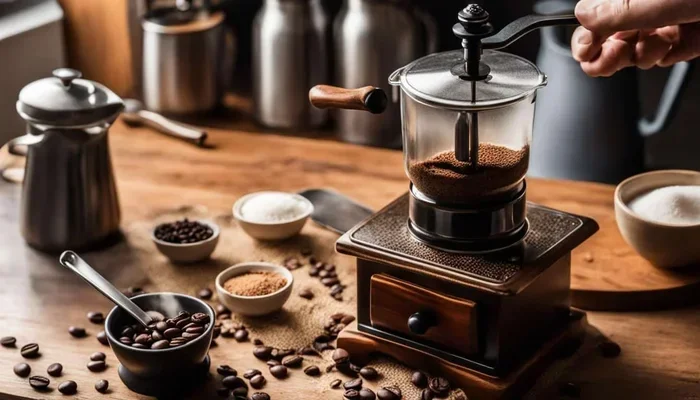
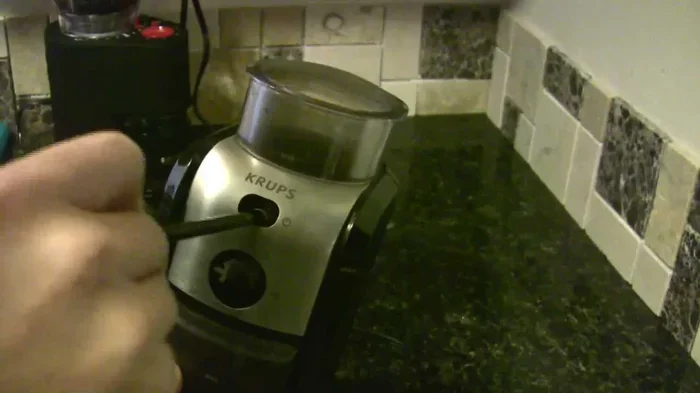
Coarse ground coffee is essential for cold brewing. A fine grind will slip through most filters and create a muddy, gritty cup. Think of the texture like sea salt rather than table salt.
Most coffee grinders have a coarsest setting that works perfectly for cold brew. If you buy pre-ground coffee, look for a brand that specifically labels it as cold brew or coarse grind.
Use Clean, Filtered Water
Because cold brewing extracts flavors so slowly, the quality of your water matters even more. Chlorinated or hard tap water can introduce off flavors that linger in your concentrate. Use filtered or spring water for the cleanest taste.
The ratio of water to coffee grounds is also important. A common starting point is 1 cup of coarsely ground coffee to 4 cups of water. You can adjust this ratio to make a stronger or weaker concentrate based on your preference.
Experiment With Brewing Times
Every coffee bean and grind size behaves a little differently. Do not be afraid to experiment with steeping times. Try 12 hours one day, 18 hours the next, and 24 hours the day after. You will quickly learn what timing produces your ideal flavor.
Keep notes on your experiments so you can replicate your best results. This is how great home brewers develop their signature cup.
Store Your Concentrate Properly
Once you have strained your cold brew, transfer the concentrate to a clean glass jar or bottle. Store it in the refrigerator and use it within two weeks for the best flavor. The concentrate will stay fresh longer, but the taste gradually dulls over time.
When serving, dilute the concentrate with water, milk, or your favorite creamer. A good rule of thumb is equal parts concentrate and liquid, but you can adjust to taste.
Try Different Coffee Beans
Not all coffee beans work equally well for cold brewing. Medium and dark roasts tend to produce rich, chocolatey cold brew with natural sweetness. Lighter roasts can work too but may produce a more delicate, fruity flavor profile.
Freshly roasted beans also make a noticeable difference. If you can buy whole beans and grind them yourself right before brewing, you will taste the improvement in every cup.
Cold Brew Vs. Hot Coffee: A Quick Comparison
Curious how cold brew stacks up against your regular hot coffee? Here is a side by side look at the key differences.
| Feature | Cold Brew | Hot Brew |
|---|---|---|
| Brewing Temperature | Cold or room temperature water | Hot water (195 to 205 degrees Fahrenheit) |
| Brewing Time | 12 to 24 hours | 3 to 5 minutes |
| Acidity Level | Low (about 60 to 70 percent less) | Higher natural acidity |
| Flavor Profile | Smooth, sweet, mellow | Bold, complex, sometimes bitter |
| Caffeine Content | Higher in concentrate form | Moderate per cup |
| Shelf Life | Up to 2 weeks in the fridge | Best fresh, within hours |
| Equipment Needed | Cold press coffee maker or simple jar | Drip machine, French press, or espresso machine |
As you can see, each method has its strengths. Hot coffee is fast and flavorful in its own right. But cold brew offers a uniquely smooth experience that many coffee lovers prefer, especially during warmer months. If you have ever wondered whether an air fryer is basically a small oven, the same logic applies here. A cold press coffee maker is basically a slow extraction system that produces a fundamentally different cup of coffee than hot brewing methods.
Some people love both and switch between them depending on the season. Hot coffee in the winter and cold brew in the summer. It is a simple way to enjoy the best of both worlds.
Common Mistakes To Avoid With Cold Brewing
Even though cold brewing is simple, a few common mistakes can ruin your results. Watch out for these pitfalls.
- Using too fine a grind: This leads to a gritty, over extracted concentrate that tastes muddy and unpleasant.
- Using boiling or hot water: The whole point of cold brewing is low temperature extraction. Hot water defeats the purpose and produces a more acidic result.
- Steeping for too long: Leaving coffee to steep beyond 24 hours can create an overly bitter concentrate. Stick to the recommended time range.
- Using old or stale coffee grounds: Fresh beans make a dramatic difference in flavor. Always check the roast date on your coffee.
- Skipping the filtration step: Poor filtration leaves sediment in your cup. Take the extra time to strain your concentrate thoroughly through a fine filter or cheesecloth.
Avoiding these mistakes will help you get consistent, delicious results every time you use your cold press coffee maker.
Frequently Asked Questions About Cold Press Coffee Makers
Is Cold Brew Coffee Stronger Than Regular Coffee?
Cold brew concentrate is typically stronger in caffeine and flavor than standard hot-brewed coffee. However, you dilute the concentrate before drinking, so the final cup often has a similar caffeine level to regular coffee. The perceived strength comes from the smooth, rich flavor that concentrates beautifully without the bitterness.
Can I Use Any Coffee Beans For Cold Brewing?
Yes, you can use any coffee beans for cold brewing, but medium and dark roasts tend to produce the best results. They bring out chocolatey, nutty, and caramel notes that shine in cold brew. Light roasts work too but may taste more acidic or fruity in the cold extraction process.
How Long Does Cold Brew Concentrate Last In The Refrigerator?
Cold brew concentrate stays fresh for up to two weeks when stored in an airtight container in the refrigerator. After that, the flavor gradually fades. For the best taste, try to use your concentrate within 10 to 14 days of brewing.
Do I Need A Special Coffee Grinder For Cold Brewing?
You do not need a special grinder, but you do need one that can produce a coarse, consistent grind. Most burr grinders handle this well. Blade grinders can work too, but they tend to create uneven particle sizes, which can affect the clarity and texture of your cold brew.
Is A Cold Press Coffee Maker The Same As A French Press?
No, they are different tools for different purposes. A French press uses hot water and a short steeping time of about 4 minutes. A cold press coffee maker uses cold water and a long steeping time of 12 to 24 hours. The results are distinctly different in flavor, acidity, and texture.
Can I Heat Up Cold Brew Coffee If I Want It Hot?
Absolutely. You can heat cold brew concentrate by adding hot water or microwaving it. Interestingly, heating cold brew does not make it more acidic than regular hot coffee because the cold extraction process already removed most of the bitter compounds. Some people even say heated cold brew tastes smoother than traditionally brewed hot coffee.
Final Thoughts On Cold Press Coffee Makers
A cold press coffee maker is one of the simplest yet most rewarding kitchen investments you can make. It gives you access to smooth, low-acid coffee that tastes incredible and costs pennies per cup. The process requires almost no effort, and the results last for days.
Whether you are tired of the bitterness of hot-brewed coffee, looking for a refreshing summer drink, or simply want to level up your home brewing game, a cold press coffee maker delivers on all fronts. It is affordable, versatile, and endlessly customizable to your personal taste.
Start with a basic glass pitcher system if you are new to cold brewing. Once you fall in love with the smooth, clean flavor of cold press coffee, you can explore more advanced options like stainless steel makers or electric cold brew machines. The world of cold brew is waiting for you, and once you take that first sip, there is no going back.
So grab some coarse coffee grounds, cold filtered water, and a cold press coffee maker that fits your style. Your future self will thank you every morning when you pour that perfectly smooth, refreshing cup of coffee. Happy brewing.