How To Bake Yams In Oven Without Foil And Get Great Results
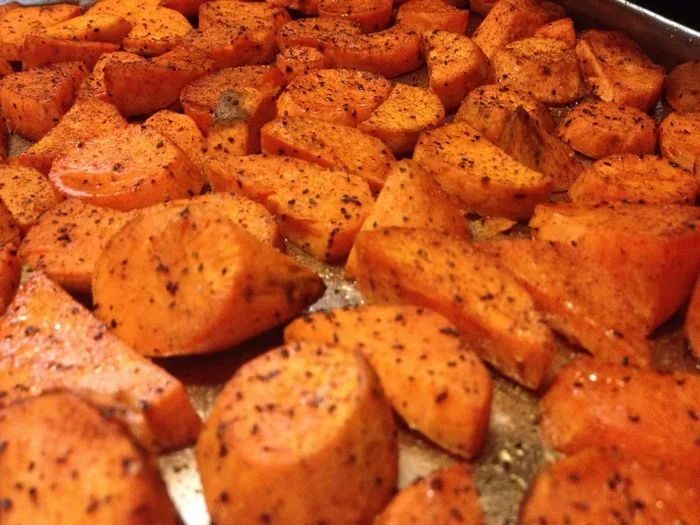
Baking yams in the oven without foil is a simple way to get evenly cooked, caramelized yams with crispy skin. This method lets the natural sugars in the yam concentrate and create a rich, sweet flavor that foil can trap. You will learn the exact temperature, timing, and prep steps to get perfect oven-baked yams every single time. No special tools needed — just a whole yam, a little oil, and your oven.
There is something deeply satisfying about pulling a tray of oven-baked yams out of the oven. The kitchen fills with a warm, sweet aroma, and you know you are about to eat something truly good. Many people reach for aluminum foil when they roast vegetables, but baking yams in oven without foil actually gives you better results.
When you skip the foil, the yam’s skin gets crispy, the inside turns creamy and soft, and the natural sugars caramelize in a way that foil simply cannot allow. Whether you are new to cooking yams or you have been doing it for years, this method is easy to learn and hard to mess up. Let us walk through everything you need to know.
Key Takeaways
- No Foil Needed: Baking yams without foil allows moisture to escape, giving you crispy skin and concentrated flavor.
- Right Temperature Matters: 400°F is the sweet spot for roasting yams evenly and getting that perfect caramelization.
- Prep Is Simple: Washing, oiling, and poking holes in the yam skin is all the prep you need.
- Timing Varies by Size: Small yams take about 45 minutes while large ones may need up to 90 minutes.
- Check for Doneness: A fork should slide in easily when your yam is fully cooked and tender.
- Seasoning Adds Flavor: Simple additions like olive oil, salt, and cinnamon can transform plain yams into a delicious side dish.
- Leftovers Store Well: Baked yams keep in the fridge for up to 5 days and reheat beautifully.
📑 Table of Contents
- Why Bake Yams Without Foil?
- Choosing the Right Yams for Oven Baking
- How To Prep Your Yams for Baking
- Baking Yams Without Foil: Step-by-Step Guide
- Tips for Perfectly Baked Yams Every Time
- Common Mistakes to Avoid
- Serving Ideas and Flavor Variations
- Storing and Reheating Leftover Yams
- Health Benefits of Baked Yams
- How To Tell When Your Yams Are Done
- Final Thoughts
Why Bake Yams Without Foil?
You might wonder why anyone would skip foil. After all, it makes cleanup easier and keeps things moist. But when it comes to roasting yams, foil actually works against you in several ways. Here is why going foil-free is worth it.
Better Caramelization
When hot air flows freely around the yam, the skin browns and caramelizes. This creates a slightly crunchy exterior that contrasts beautifully with the soft, fluffy inside. Foil traps steam, which keeps the surface wet and prevents that golden, crispy finish you are looking for.
Concentrated Flavor
Without foil, moisture escapes during cooking. This might sound like a bad thing, but it actually concentrates the yam’s natural sugars. The result is a deeper, sweeter flavor that tastes richer and more complex than yams cooked under a foil tent.
Easier Skin Preparation
When you bake yams without foil, the skin becomes edible and delicious. You can eat it as-is or peel it off easily after cooking. Foil-baked yams often end up with soggy skin that nobody wants to eat.
Choosing the Right Yams for Oven Baking
Not all yams are created equal, and picking the right ones makes a big difference in your final result. Understanding what to look for will set you up for success from the very start.
Look for Firm, Smooth Yams
When you are shopping for whole yams, choose ones that feel firm and heavy for their size. Avoid any with soft spots, bruises, or wrinkled skin. Smooth, unbroken skin is a good sign that the yam was stored properly and will cook evenly.
Size Matters for Even Cooking
Try to pick yams that are similar in size if you are baking more than one. This ensures they all finish cooking at the same time. Medium-sized yams, about 6 to 8 inches long, work best for even oven roasting without any guesswork.
Yam Versus Sweet Potato
Many people use the words yam and sweet potato interchangeably, but they are actually different vegetables. True yams have rough, bark-like skin and starchy, white or purple flesh. Sweet potatoes have thinner, smoother skin and sweeter, orange flesh. Both can be baked the same way, but true yams need a longer cooking time due to their dense texture.
How To Prep Your Yams for Baking
Good preparation is the secret to great baked yams. The prep process is quick and simple, but it sets the foundation for everything that follows.
Step 1: Wash Thoroughly
Rinse each yam under cool running water. Use a vegetable brush to scrub away any dirt from the skin. Even if you plan to peel the yam after baking, washing it first removes surface bacteria and debris.
Step 2: Dry Completely
Pat the yams dry with a clean towel. Dry skin helps the oil or seasoning stick better, and it also promotes crispier skin during baking. Moisture on the surface can create steam pockets that lead to uneven cooking.
Step 3: Oil and Season
Rub a thin layer of olive oil over the entire surface of each yam. Sprinkle with salt and any other seasonings you like. The oil helps conduct heat evenly across the skin and adds flavor. For a sweet option, try a light coating of coconut oil with a dash of cinnamon.
Step 4: Poke Holes in the Skin
Use a fork to poke several holes all around the yam. This is a crucial step that many people skip. The holes let steam escape during cooking, which prevents the yam from bursting in the oven and ensures the inside cooks through evenly.
Baking Yams Without Foil: Step-by-Step Guide
Now for the main event. Here is exactly how to bake yams in oven without foil and get perfect results every time.
Preheat Your Oven
Set your oven to 400°F. This is the ideal temperature for oven-baked yams. It is hot enough to caramelize the skin quickly but not so hot that the outside burns before the inside cooks through. Let the oven fully preheat before placing the yams inside.
Position the Rack
Place the oven rack in the center position. This allows hot air to circulate evenly around the yams from all sides. If you have multiple yams, you can place them on a parchment-lined baking sheet with a few inches of space between each one.
Bake for the Right Amount of Time
Cooking time depends on the size of your yams. Here is a general guide:
- Small yams (under 6 inches): 40 to 50 minutes
- Medium yams (6 to 8 inches): 50 to 65 minutes
- Large yams (over 8 inches): 65 to 90 minutes
Start checking for doneness at the lower end of the time range. The yam is ready when a fork or knife slides into the center with no resistance.
Rest Before Serving
Once the yams are done, remove them from the oven and let them rest for 5 to 10 minutes. This brief rest allows the inside to settle and become extra creamy. It also makes them safer to handle since they will be very hot.
Tips for Perfectly Baked Yams Every Time
A few extra tips can take your yam recipe from good to great. These are simple adjustments that make a noticeable difference.
Place Yams Directly on the Rack
For the crispiest skin, place yams directly on the oven rack instead of on a baking sheet. This allows air to flow underneath and around the entire yam. Put a sheet of foil or a baking pan on the rack below to catch any drips.
Double the Oil for Larger Yams
If you are baking especially large yams, use a bit more oil. The extra fat helps conduct heat through the thick flesh and promotes even browning all the way to the center.
Add a Soak for Extra Creaminess
Some cooks swear by soaking the yams in salted water for 30 minutes before baking. This draws out some starch and results in a creamier, more tender interior. If you have the time, it is worth trying.
Rotate the Pan Halfway Through
Ovens can have hot spots. To ensure even yam cooking time, rotate the baking sheet 180 degrees about halfway through the bake. This simple step prevents one side from getting darker than the other.
Use a Meat Thermometer for Precision
If you want to be absolutely sure your yam is done, insert a meat thermometer into the thickest part. The internal temperature should read 205°F to 210°F. This is the sweet spot for perfectly soft, creamy yam flesh.
Common Mistakes to Avoid
Even experienced cooks can make mistakes when baking yams. Here are the most common ones and how to avoid them.
Skipping the Fork Pokes
This is the number one mistake people make. Without holes in the skin, steam builds up inside the yam and has nowhere to go. At best, you get unevenly cooked yams. At worst, they burst open in your oven and make a mess.
Using Too Much Oil
A little oil goes a long way. If you coat the yam too heavily, the skin can become greasy rather than crispy. A light, even coating is all you need for great results.
Opening the Oven Door Too Often
Every time you open the oven door, heat escapes and the temperature drops. This can significantly increase your total yam cooking time and lead to uneven baking. Trust the process and only open the door when it is time to check for doneness.
Not Letting Them Rest
Cutting into a yam right out of the oven releases steam that should have settled into the flesh. Letting the yam rest for a few minutes gives you a creamier, more flavorful result.
Serving Ideas and Flavor Variations
Plain baked yams are delicious on their own, but adding flavors takes them to the next level. Here are some ideas to try.
Classic Savory
Top your oven roasted yams with a pat of butter, a sprinkle of salt, and a dash of black pepper. Simple and satisfying.
Sweet and Spicy
Brush the yam with a mixture of honey, melted butter, and a pinch of cayenne pepper before baking. The heat and sweetness create a bold, addictive flavor.
Herb-Roasted
Rub the yam with olive oil, minced garlic, rosemary, and thyme before baking. The herbs infuse the flesh with a savory, aromatic flavor that pairs perfectly with roasted meats.
Loaded Yams
Slice the baked yam open and fluff the flesh with a fork. Top with black beans, cheese, salsa, and a dollop of sour cream for a hearty, satisfying meal.
Yam Casserole
For a crowd-pleasing side dish, mash the baked yams with butter, brown sugar, and a splash of vanilla. Transfer to a baking dish, top with marshmallows, and broil until golden. This yam casserole is a holiday favorite for good reason.
Storing and Reheating Leftover Yams
If you have leftovers from your baked yams, you will be happy to know they store well and reheat beautifully.
Let the yams cool completely, then wrap each one tightly in plastic wrap or place them in an airtight container. Store in the refrigerator for up to 5 days. To reheat, warm in the oven at 350°F for about 10 to 15 minutes. This keeps the skin crispy and the inside creamy. Avoid microwaving if possible, as it can make the skin rubbery and the flesh watery.
You can also freeze baked yams for up to 3 months. Wrap them individually in foil, then place them in a freezer bag. Thaw overnight in the refrigerator and reheat in the oven until warmed through.
Health Benefits of Baked Yams
Yam nutrition is impressive. Yams are a great source of dietary fiber, which supports healthy digestion and keeps you feeling full longer. They are also rich in vitamin C, potassium, and manganese. Because you are baking them without added fat from foil or heavy oils, the final dish remains relatively low in calories while being packed with nutrients.
The starchy vegetables in yams provide slow-releasing carbohydrates, making them an excellent energy source for active days. Unlike refined carbs, the fiber in yams slows down sugar absorption, which helps maintain steady blood sugar levels.
How To Tell When Your Yams Are Done
Knowing the signs of perfectly cooked yams takes the guesswork out of baking. Look for these clear indicators:
- The skin is wrinkled and slightly shrunken
- The yam feels soft when you gently squeeze it (use an oven mitt)
- A fork or knife slides into the center with zero resistance
- The yam smells sweet and caramelized
- The internal temperature reads 205°F or higher
If your yam is still hard in the center, simply return it to the oven for another 10 to 15 minutes and check again. Patience pays off with fork-tender yams that melt in your mouth.
Final Thoughts
Baking yams in oven without foil is one of the simplest and most rewarding cooking techniques you can learn. It requires minimal effort, uses basic ingredients, and delivers consistently delicious results. The crispy skin, creamy interior, and concentrated sweetness make this method far superior to using foil.
Once you try this approach a few times, it will become second nature. You will not even think about reaching for the foil anymore. The next time you are looking for an easy, healthy side dish or a comforting snack, give oven-baked yams a try. Your taste buds will thank you.
Start with the prep steps, keep an eye on the clock, and trust the process. Great baked yams are waiting for you, and they are easier to make than you might think.
Frequently Asked Questions
Can I use sweet potatoes instead of yams for this recipe?
Yes, sweet potatoes work very well for this method. They have a thinner skin and cook slightly faster than true yams. The steps for baking yams in oven without foil apply to sweet potatoes as well, just reduce the cooking time by about 10 to 15 minutes.
Do I need to peel the yams before baking?
No, you do not need to peel the yams before baking. The skin becomes edible and adds a nice texture when baked without foil. You can peel them before or after cooking based on your preference. Many people enjoy the skin for added fiber and nutrients.
How long do baked yams last in the fridge?
Properly stored baked yams last up to 5 days in the refrigerator. Wrap them tightly in plastic wrap or place them in an airtight container. Reheat in the oven at 350°F for about 10 minutes to keep the skin crispy and the flesh creamy.
Can I bake yams at a lower temperature?
Yes, you can bake yams at 350°F if you prefer a slower cook. However, 400°F is recommended for the best caramelization and crispy skin. At a lower temperature, the yams will take longer to bake, and you may not get the same depth of flavor from the oven roasted yams.
Is it okay to wrap individual yams in foil instead of going fully foil-free?
Wrapping individual yams in foil is a common practice, but it prevents the skin from crisping and reduces caramelization. If you want the best flavor and texture, go fully foil-free. The trade-off is slightly more cleanup, but the results are well worth it.
What is the best way to reheat leftover baked yams?
The best way to reheat leftover baked yams is in the oven at 350°F for 10 to 15 minutes. This method preserves the crispy skin and reheats the inside evenly. Avoid microwaving, which can make the skin tough and the flesh watery.