How Long To Pre Cook Meatballs In The Oven Perfectly
Pre cooking meatballs in the oven is the best way to ensure they are juicy, safe, and ready for any recipe. The typical time is 15 to 25 minutes at 375°F to 400°F, depending on size and meat type. This guide covers everything from temperature settings to step-by-step instructions so you can bake meatballs perfectly every single time.
There’s something magical about a perfectly baked meatball. Whether you’re making a big batch for spaghetti night or preparing freezer-friendly meals for the week, how long to pre cook meatballs in the oven is the question that matters most. Get this wrong, and you end up with dry, tough balls that nobody wants to eat.
The good news is that oven pre cooking is simple, reliable, and gives you consistent results every time. You just need the right temperature, the right timing, and a little patience. In this guide, we’ll walk you through everything you need to know about baking meatballs before they hit your favorite sauce.
We’ll cover temperatures, timing, common mistakes, and pro tips that will level up your meatball game instantly. Whether you’re using ground beef, pork, turkey, or a mix, this guide has you covered. Let’s dive in and make the best meatballs you’ve ever tasted.
Key Takeaways
- 15 to 25 minutes is the standard pre cook time for meatballs in the oven at 375°F.
- 375°F to 400°F is the ideal oven temperature for pre cooking meatballs of any type.
- Meatball size and meat type directly affect cooking time and final texture.
- Always check the internal temperature with a meat thermometer for safe, juicy results.
- Pre cooking helps meatballs hold their shape and stay moist during simmering.
- You can freeze pre cooked meatballs for up to 3 months for quick weeknight meals.
- Resting meatballs for 5 minutes after baking keeps them tender and juicy.
📑 Table of Contents
- Why Pre Cooking Meatballs in the Oven Matters
- The Best Oven Temperature for Pre Cooking Meatballs
- How Long To Pre Cook Meatballs In The Oven by Type and Size
- Step-by-Step Guide to Pre Cooking Meatballs in the Oven
- Pre Cooked vs Raw Meatballs: Which Works Better?
- Common Mistakes and Quick Tips for Perfect Results
- Conclusion
Why Pre Cooking Meatballs in the Oven Matters
Pre cooking meatballs might seem like an extra step. But trust us, it makes a huge difference in both flavor and texture. When you pre cook meatballs in the oven, you get several benefits that stovetop or microwave methods simply can’t match.
The Benefits of Oven Pre Cooking
Oven baking allows heat to surround the meatball evenly. This means every side cooks at the same rate. You get a uniform brown crust on the outside while keeping the inside moist and juicy. Stovetop cooking often leads to uneven browning, with some sides darker than others.
Another big advantage is fat rendering. The oven allows excess grease to drip away during baking meatballs in oven. This results in lighter, less greasy meatballs that still taste incredibly rich. Your meatball sauce will also stay cleaner and less oily when you add pre cooked balls to it.
Oven-baked meatballs also hold their shape much better. The even heat helps the proteins set around the entire ball. This means fewer cracked or fallen-apart meatballs on your plate. For meal prep and batch cooking, this is a real game changer.
When Should You Pre Cook Meatballs?
There are several situations where pre cooking makes sense. Here are the most common ones:
- Meal prep: Make a big batch on Sunday and use them all week long.
- Freezer storage: Pre cooked meatballs freeze beautifully and reheat in minutes.
- Adding to sauce: Pre cooked meatballs simmer better without falling apart.
- Appetizers and parties: Bake ahead and serve at room temperature.
- Safety: Pre cooking ensures the internal temperature reaches a safe level throughout.
Once you start pre cooking, you’ll wonder how you ever made meatballs any other way. It’s that much of an improvement.
The Best Oven Temperature for Pre Cooking Meatballs
Temperature is the backbone of great oven-baked meatballs. Too low, and they take forever. Too high, and the outside burns before the inside cooks through. Getting the right oven temperature for meatballs is essential for perfect results every time.
Temperature Guidelines by Meat Type
Different meats behave slightly differently in the oven. Here’s what you need to know for each type:
- Ground beef meatballs: Bake at 375°F for even cooking and great browning.
- Pork meatballs: 375°F works well. Pork cooks a bit faster than beef.
- Turkey meatballs: Go slightly higher at 400°F to get a good golden sear.
- Chicken meatballs: 400°F ensures they cook through without drying out.
- Mixed meat meatballs: 375°F is the sweet spot for beef-pork blends.
The general sweet spot for most meatball recipes is 375°F. This temperature allows the meatballs to cook through gently while developing a beautiful golden crust. It also gives you a nice window of time to check on them without rushing. If you’re using poultry, bump it up to 400°F for better food safety and color.
Why Temperature Matters for Texture
Temperature directly affects your meatball texture. At 375°F, the proteins in the meat coagulate slowly and evenly. This creates a tender, soft interior with a slightly firm outer layer. If you crank the heat to 425°F or higher, the outside cooks too fast. The inside stays raw or turns rubbery, which is exactly what you want to avoid.
On the flip side, baking at too low a temperature, like 325°F, dries out the meatballs over time. They lose moisture during the long cooking period. The result is dense, dry balls that nobody enjoys eating. Nobody wants that.
Always preheat your oven before placing the meatballs inside. A hot oven from the start ensures even cooking from the very first minute. This small step makes a surprisingly big difference in your final result. It’s one of those things that separates good cooks from great ones.
How Long To Pre Cook Meatballs In The Oven by Type and Size
Now for the million-dollar question: how long to pre cook meatballs in the oven. The answer depends on a few key factors. Meatball size, meat type, and whether they’re frozen or fresh all play a role in determining the right meatball cooking time. Let’s break it all down so you can plan your cooking with confidence.
Standard-Sized Meatballs
For standard meatballs that are about 1.5 inches in diameter, pre cook meatballs in the oven for 15 to 20 minutes at 375°F. This size is perfect for most pasta dishes, sandwiches, and snack plates. The cooking time gives the meatballs enough time to develop a nice crust while staying juicy inside.
If you like your meatballs a bit larger, say 2 inches in diameter, add about 5 extra minutes. A 2-inch meatball at 375°F needs roughly 20 to 25 minutes to cook through properly. The larger the meatball, the longer the heat needs to penetrate to the center.
Mini Meatballs and Large Meatballs
Mini meatballs, around 1 inch each, cook much faster than standard-sized ones. They need only 10 to 12 minutes at 375°F. These bite-sized balls are great for appetizers and party platters. Keep a close eye on them since they can go from perfectly done to overcooked in just a couple of minutes.
Large meatballs, 2.5 inches or bigger, require more time and attention. Plan for 25 to 30 minutes at 375°F. The key is to check the internal temperature with a meat thermometer. You want the center to reach at least 160°F for beef and pork, or 165°F for poultry and chicken meatballs.
Frozen vs Fresh Meatballs: A Quick Comparison
Frozen meatballs take longer to cook than fresh ones. You’ll need to add about 5 to 10 extra minutes to the standard time. Here’s a handy comparison table to help you plan:
| Meatball Type | Size | Temperature | Time (Fresh) | Time (Frozen) |
|---|---|---|---|---|
| Beef | 1.5 inches | 375°F | 15-20 min | 20-25 min |
| Pork | 1.5 inches | 375°F | 15-20 min | 20-25 min |
| Turkey | 1.5 inches | 400°F | 15-18 min | 20-23 min |
| Mixed Beef-Pork | 2 inches | 375°F | 20-25 min | 25-30 min |
| Mini (1 inch) | Small | 375°F | 10-12 min | 15-18 min |
| Large (2.5 inches) | Big | 375°F | 25-30 min | 30-35 min |
Always let frozen meatballs sit at room temperature for 5 to 10 minutes before baking. This helps them cook more evenly from the start. Frozen meatballs straight from the freezer can cook unevenly, with the outside overcooking before the center has a chance to thaw. A little patience at the start saves you from undercooked meatballs later.
Step-by-Step Guide to Pre Cooking Meatballs in the Oven
Now that you know the times and temperatures, let’s walk through the process step by step. Following these steps ensures your meatball prep goes smoothly every single time. Even if you’re a beginner, these instructions are easy to follow.
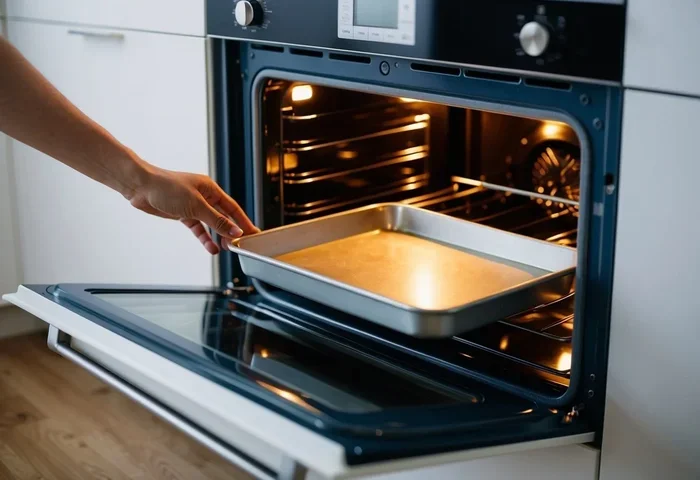
- Preheat the oven to 375°F. Let it fully heat up before the meatballs go in. A properly preheated oven is the secret to even cooking from edge to center.
- Mix your meatball ingredients. Combine ground meat, breadcrumbs, egg, grated onion, garlic, salt, and pepper in a large bowl. Don’t overmix, or the meatballs will turn out dense and tough.
- Shape the meatballs. Roll them into uniform balls, about 1.5 inches each. Consistent size means consistent cooking. Try to keep them as similar as possible for even results.
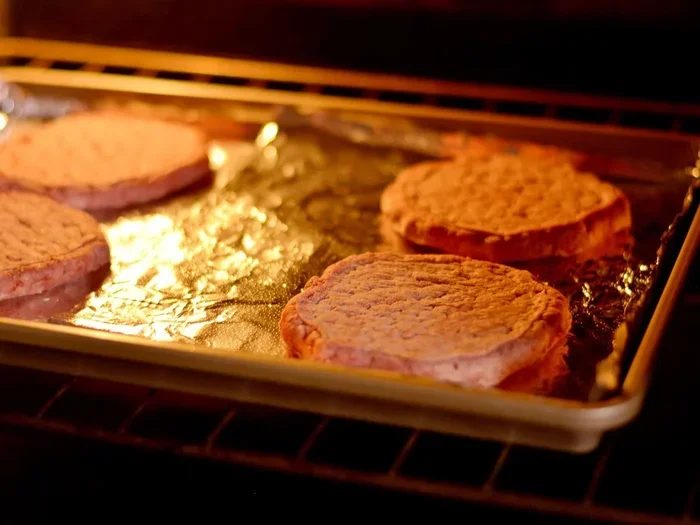
- Place on a lined baking sheet. Use parchment paper or a lightly greased sheet pan. Give each meatball enough space. About 1 inch apart prevents them from steaming instead of baking.
- Bake for 15 to 20 minutes. Set your timer and resist the urge to open the oven door too often. Every time you open it, the temperature drops and cooking slows down significantly.
- Check the internal temperature. Insert a meat thermometer into the center of the largest meatball. It should read at least 160°F for beef and pork, and 165°F for poultry.
- Let them rest for 5 minutes. This allows the juices to redistribute throughout the meatball. Cutting into a hot meatball right away releases all the moisture, leaving you with dry results.
That’s it! Seven simple steps to perfectly pre cooked meatballs. Once you’ve done it a couple of times, the whole process takes less than 30 minutes from start to finish. It becomes second nature before you know it.
Pro Tip: Use a Wire Rack for Even Browning
For even better results, place your meatballs on a wire rack set over a baking sheet. The air circulates around the bottom of each meatball, promoting even browning on all sides. You’ll get a gorgeous golden crust all around, not just on the bottom. This small upgrade takes your oven-baked meatballs to the next level. It’s a trick that restaurant kitchens use all the time.
Pre Cooked vs Raw Meatballs: Which Works Better?
This is a debate that comes up a lot among home cooks. Some people prefer to add raw meatballs directly to sauce and let them simmer. Others swear by pre cooking meatballs first. Let’s compare both approaches so you can decide what works best for your kitchen and lifestyle.
Flavor Comparison
Pre cooked meatballs develop more flavor overall. The oven-roasting process creates browned meatballs with a rich, caramelized exterior. This Maillard reaction adds depth and complexity that raw meatballs simply don’t have on their own. When you pop a pre cooked meatball into your meatball sauce, it brings that roasted, savory flavor with it. The difference is noticeable from the very first bite.
Raw meatballs added directly to sauce have a softer, more delicate taste. The slow simmering in sauce gives them a different kind of flavor profile. Some people prefer this method because the meatballs absorb more of the sauce during the long cooking process. Both approaches produce delicious results. It really comes down to personal preference and how much effort you want to put in.
Convenience and Storage
When it comes to convenience, pre cooked meatballs win hands down. You can make a huge batch in one afternoon and store them in the fridge for up to 4 days. They also freeze beautifully for up to 3 months. This makes meal prep incredibly easy and efficient. On a busy Tuesday night, you just pull some out, reheat, and serve.
Raw meatballs in sauce require more active cooking time and attention. You need to monitor the simmer carefully and make sure each meatball cooks through evenly. There’s also a higher risk of meatballs breaking apart if you’re not gentle when adding them to the pot. Pre cooking meatballs eliminates that risk almost entirely.
For busy weeknights and families with tight schedules, pulling pre cooked meatballs out of the freezer and reheating them is a total lifesaver. The convenience factor alone makes pre cooking worth the extra 20 minutes of oven time. Your future self will thank you on those hectic evenings.
Common Mistakes and Quick Tips for Perfect Results
Even experienced cooks make mistakes when baking meatballs. Knowing what to avoid saves you time, ingredients, and a lot of frustration. Here are the most common errors home cooks make, along with how to fix them right away.
Mistakes to Avoid
- Overmixing the meat: This is the number one mistake people make. Overmixing develops too much gluten in the breadcrumbs, making meatballs tough and rubbery instead of tender. Mix just until everything comes together. That’s all you need.
- Skipping the rest period: Meatballs need a few minutes to rest after baking. The juices need time to settle back into the center. Cutting in too early means dry, flavorless meatballs on your plate.
- Crowding the baking sheet: meatballs need space for air to circulate freely. When they’re packed too close together, they steam instead of bake. This leads to soggy, pale balls with no golden crust.
- Not using a meat thermometer: Guessing doneness leads to either undercooked or overcooked meatballs every time. A simple instant-read thermometer takes the guesswork out completely and takes just seconds to use.
- Ignoring frozen meatballs: Cooking frozen meatballs for the same time as fresh ones leaves the center undercooked and potentially unsafe. Always add extra time for frozen batches and check the temperature carefully.
Expert Quick Tips for Juicy Meatballs
Here are some pro tips that separate good meatballs from truly great ones:
- Chill the meatballs for 15 minutes before baking. Cold meatballs hold their shape better and cook more evenly throughout.
- Use a mix of meats. A beef-pork blend gives you the best flavor and juiciness. The fat from pork keeps meatballs tender and mouthwatering.
- Add a splash of milk to your breadcrumbs. This creates a softer, more moist interior. It’s a trick used by Italian grandmothers for generations, and it really works.
- Don’t skip the egg. It acts as a binder and helps the meatballs stay together during oven pre cook time. Without it, they may crumble.
- Rotate the pan halfway through. This ensures even browning on all sides, especially if your oven has hot spots that most ovens have.
- Let meatballs cool completely before freezing. This prevents condensation and freezer burn, keeping them fresh and flavorful for months.
These small adjustments make a massive difference in your final dish. Once you try them, you’ll notice the improvement immediately. Your meatballs will be juicier, more flavorful, and perfectly textured every single time.
Conclusion
Mastering how long to pre cook meatballs in the oven is easier than you might think. With the right temperature, timing, and a few simple techniques, you can create juicy, flavorful meatballs every single time. The key is to stay consistent with your size, check the internal temperature with a thermometer, and give your meatballs the rest they deserve after baking.
Whether you’re meal prepping for the week, making freezer-friendly dinners for busy nights, or just cooking for your family tonight, pre cooking meatballs in the oven is the way to go. The results speak for themselves. You get perfectly browned meatballs with a tender interior and a rich, savory flavor that pairs beautifully with any sauce or dish.
So fire up that oven, roll up your sleeves, and make the best meatball recipe you’ve ever had. Once you try oven pre cooking, you’ll never go back to other methods. Your taste buds will thank you every single time. Happy cooking!
Frequently Asked Questions
Frequently Asked Questions
Can I pre cook meatballs in the oven and then freeze them?
Yes, absolutely. Pre cooked meatballs freeze wonderfully and can be stored in the freezer for up to 3 months. Let them cool completely first, then place them in a single layer on a baking sheet to freeze before transferring to a freezer bag. This prevents them from sticking together.
What is the best internal temperature for pre cooked meatballs?
The safe internal temperature for pre cooked meatballs is 160°F for beef and pork, and 165°F for poultry-based meatballs. Always use a meat thermometer to check the center of the largest meatball to make sure they are fully cooked through.
Do I need to brown meatballs before putting them in sauce?
It’s not required, but it’s highly recommended. Browning meatballs in the oven before adding them to sauce creates a richer flavor and helps them hold their shape better during simmering. Pre cooked meatballs also absorb less sauce, keeping your sauce thicker.
Can I use frozen meatballs straight from the freezer in the oven?
Yes, you can cook frozen meatballs in the oven, but you need to add 5 to 10 extra minutes to the cooking time. It’s also a good idea to let them sit at room temperature for 5 to 10 minutes before baking so they cook more evenly throughout.
How do I reheat pre cooked meatballs without drying them out?
The best way to reheat pre cooked meatballs is in a saucepan over low heat with your meatball sauce or a little broth. You can also reheat them in the oven at 350°F for about 10 minutes. Covering them with foil helps trap moisture and keeps them juicy.
What size meatballs cook best in the oven?
Standard 1.5-inch meatballs are the ideal size for oven pre cooking. They cook evenly and have a great balance of crust and juicy interior. Mini meatballs at 1 inch work well for appetizers, while larger 2-inch meatballs need a few extra minutes to cook through completely.