How Long To Cook 6 Oz Salmon In Oven For Juicy Results
How long to cook 6 oz salmon in oven depends on temperature and method, but most recipes call for 12 to 15 minutes at 400°F. Baked salmon at the right oven temperature for salmon stays moist, flaky, and full of flavor. Whether you prefer salmon with skin or without, following the correct salmon cooking time ensures a restaurant-quality salmon dinner at home.
There is something truly special about a perfectly baked salmon fillet. The way it flakes apart with a fork, the gentle pink color, and the burst of flavor make it one of the best salmon recipes you can make at home. If you have a 6 oz piece of salmon and you are wondering exactly how long to cook 6 oz salmon in oven, you are in the right place.
This guide covers everything you need to know. From the ideal oven temperature for salmon to simple seasoning ideas, we will walk you through each step. By the end, you will feel confident enough to make juicy salmon every single time. No guesswork. No dry, overcooked fish. Just delicious results on your plate.
Key Takeaways
- Cook at 400°F for 12-15 minutes: This is the sweet spot for a 6 oz fillet.
- Internal temperature matters: Pull your salmon at 145°F for safe and juicy results.
- Pat the fish dry first: This helps get a light crisp on the outside.
- Use parchment or foil: Both methods work, but parchment gives better browning.
- Rest the salmon after cooking: Let it sit for 3 minutes to lock in juices.
- Season simply for best flavor: Olive oil, salt, pepper, and lemon go a long way.
- Avoid overcooking: A few extra minutes can dry out your fillet quickly.
📑 Table of Contents
How Long To Cook 6 Oz Salmon In Oven
The short answer is 12 to 15 minutes at 400°F. But the full picture is a little more detailed than that. Several factors can change your salmon bake time slightly. Let us break it all down so you understand exactly what is happening inside your oven.
When you set your oven to 400°F, the heat circulates around the fillet evenly. This temperature is hot enough to cook the fish through without drying it out. For a standard 6 oz fillet, this means about 12 minutes on the middle rack. If you like your salmon a bit more done, you can extend it to 15 minutes. But do not go beyond that or you risk losing moisture.
The salmon cooking time can vary based on thickness too. A thin fillet will cook faster than a thick one. If your piece is particularly thick, add two extra minutes and check the internal temperature. Always use a meat thermometer for accuracy. The target salmon internal temperature is 145°F at the thickest part.
Why 400°F Works Best
Many home cooks ask why 400°F is the go-to temperature. The reason is simple. At this heat, the outside of the salmon fillet gets a light sear while the inside stays tender and moist. Lower temperatures like 350°F take longer and can steam the fish instead of baking it. Higher temperatures like 425°F can burn the outside before the center is cooked through.
400°F also works well with different preparations. Whether you are baking salmon with skin on or off, this temperature delivers consistent results. It is the sweet spot for oven-baked salmon that everyone loves.
Preparing Your 6 Oz Salmon Fillet
Before you even think about the oven, preparation matters. How you prep your fish before cooking has a big impact on the final result. Taking a few extra minutes here can make your baked salmon recipe so much better.
Pat It Dry
This is the number one step most people skip. Take a paper towel and gently pat your salmon dry on all sides. Moisture on the surface creates steam, which prevents browning. A dry surface means a lightly crispy, golden exterior. That texture makes a huge difference in the eating experience.
Season Simply But Well
You do not need a complicated seasoned salmon recipe to get great flavor. A drizzle of olive oil, a pinch of salt, some black pepper, and a squeeze of fresh lemon juice work wonders. If you want to get fancier, try adding garlic powder, dill, or smoked paprika. Keep it light though. The salmon itself is the star of the show.
Should You Leave The Skin On?
Cooking salmon with skin on is a great choice for beginners. The skin holds the fillet together during baking and adds a nice crispiness. Place the salmon skin-side down on your baking sheet. If you prefer skinless fillets, that works too. Just be extra careful not to overcook it since there is no skin to protect the fish.
Step-by-Step Cooking Instructions
Now let us get into the actual process. Follow these steps for perfect how long to cook 6 oz salmon in oven results every time.
- Preheat your oven to 400°F. Let it fully heat up before putting the salmon in. This usually takes about 10 minutes.
- Prepare your baking sheet. Line it with parchment paper or lightly grease it with olive oil. Parchment paper makes cleanup easier and prevents sticking.
- Place the salmon fillet skin-side down. Center it on the baking sheet. Leave a little space around the edges for air to circulate.
- Season the fillet. Drizzle with olive oil and add your favorite seasonings. Keep it simple for the best flavor.
- Bake for 12 to 15 minutes. Set a timer so you do not forget about it. The fish is done when it reaches 145°F internally.
- Let it rest for 3 minutes. Remove it from the oven and let it sit on the pan. This allows the juices to redistribute throughout the fillet.
- Serve and enjoy. Squeeze fresh lemon over the top and pair it with your favorite sides.
Following these steps sounds simple, and it is. The beauty of cooking salmon in oven is that it requires very little effort for a stunning result. You can prep the seasoning while the oven heats up, and the whole process takes less than 30 minutes from start to finish.
Using Foil Versus Parchment Paper
Some recipes call for wrapping salmon in foil. This method traps moisture and creates a steamed effect. It works well if you prefer very soft, moist salmon. However, foil can prevent the skin from crisping up if you are cooking it skin-side down.
Parchment paper is a better choice for most people. It allows some airflow around the fish, which helps the outside get slightly caramelized. The salmon filet still stays juicy inside but gets a nicer texture on the outside. If you want the best of both worlds, try a light drizzle of oil on the parchment before placing the fish down.
How To Know When Salmon Is Done
This is one of the most important parts of how long to cook 6 oz salmon in oven. Knowing the visual and temperature cues helps you avoid overcooking. Nobody wants dry, chalky salmon.
The most reliable method is using an instant-read meat thermometer. Insert it into the thickest part of the fillet at an angle. When it reads 145°F, your salmon is done. The fish should feel firm but still have a slight give when you press it gently with your finger.
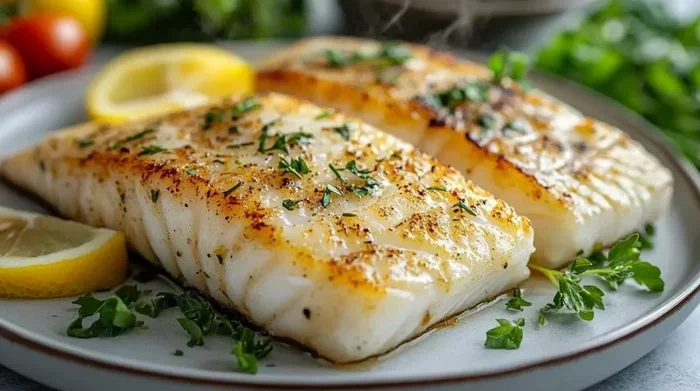
There are also visual signs to look for. The salmon should be opaque pink throughout. If the center still looks translucent or raw, it needs more time. The flesh should flake easily when you press it with a fork. If it resists flaking, keep cooking for another two minutes and check again.
Remember that the salmon continues to cook slightly after you remove it from the oven. This is called carryover cooking. Taking it off at 140°F and letting it rest will bring it up to the safe 145°F. This trick helps keep your healthy salmon dinner perfectly moist.
Tips For Perfectly Juicy Salmon Every Time
Even experienced cooks sometimes end up with dry salmon. The good news is that a few small changes can make a big difference. Here are expert tips to help you nail it every time.
Do Not Overcook It
This is the single biggest mistake people make. Salmon goes from perfectly done to dry very quickly. Set a timer and check the temperature early. If you are unsure, pull it out a couple of minutes early and let carryover cooking finish the job. Salmon per pound cooking time guidelines can help you estimate, but a 6 oz fillet is small and cooks fast.
Bring The Salmon To Room Temperature First
Take your fillet out of the fridge about 10 to 15 minutes before cooking. A cold piece of salmon placed in a hot oven will cook unevenly. The outside will be done while the center is still cold. Letting it warm up slightly ensures more even cooking throughout the pink salmon fillet.
Add A Little Fat
A thin layer of olive oil or a small pat of butter on top of the salmon helps keep it moist during baking. The fat also helps your seasonings stick to the fish and brown nicely. This is a simple trick that elevates the flavor and texture of your salmon dinner significantly.
Pair It With The Right Sides
Juicy salmon pairs beautifully with roasted vegetables, rice, or a fresh salad. Asparagus, broccoli, and cherry tomatoes all work great in the oven at the same time as your salmon. Cooking everything on one sheet pan makes for easy cleanup too.
Experiment With Flavors
Once you master the basic baked salmon recipe, start experimenting. Try a honey mustard glaze, a maple soy sauce, or a classic dill and cream cheese topping. Each variation changes the flavor profile while keeping the same reliable cooking method. Your family will love the variety.
Common Mistakes To Avoid
Learning what not to do is just as important as learning the right way. Here are common mistakes that lead to dry or undercooked salmon fillet results.
- Skipping the preheat: Putting salmon in a cold oven throws off the cooking time and results in uneven baking.
- Overcrowding the pan: Leave space between pieces so hot air can flow freely around each fillet.
- Using too much seasoning: Heavy spice rubs can mask the natural flavor of the fish. Less is often more.
- Not checking the temperature: Relying only on time can lead to overcooked or undercooked fish every time.
- Cutting into it too soon: Let the salmon rest for at least 3 minutes after baking. Cutting too early releases all those precious juices.
- Using a dark baking pan: Dark pans absorb more heat and can burn the bottom of your salmon. Stick to light-colored or parchment-lined sheets.
Avoiding these simple mistakes will save you from a lot of kitchen frustration. Even if you are a beginner, following these guidelines means your oven-baked salmon will turn out fantastic.
Nutritional Benefits Of Salmon
Beyond its delicious taste, healthy salmon is one of the most nutritious proteins you can eat. A 6 oz serving provides a generous amount of omega-3 fatty acids, which support heart health and brain function. Salmon is also rich in high-quality protein, B vitamins, and selenium.
Choosing baked salmon over fried or breaded options keeps the calorie count reasonable while preserving all the nutritional benefits. It makes an excellent choice for a salmon dinner that is both satisfying and good for you. Pair it with vegetables and whole grains for a balanced meal your whole family will enjoy.
Frequently Asked Questions
Can I Cook 6 Oz Salmon At 350°F Instead Of 400°F?
Yes, you can. Cooking at 350°F will take a bit longer, usually around 18 to 22 minutes. The lower temperature cooks the fish more gently but may result in less browning on the outside. If you choose this method, check the internal temperature to make sure it reaches 145°F before serving.
Should I Cover Salmon With Foil When Baking?
It depends on your preference. Foil traps moisture and keeps the fish very soft. Parchment paper allows the outside to brown slightly while keeping the inside juicy. Both methods work well for a 6 oz fillet. Try both and see which result you prefer for your salmon recipe.
How Can I Tell If My Salmon Is Undercooked?
Undercooked salmon will look translucent in the center and feel soft or slippery when you touch it. The internal temperature will read below 145°F. If you notice any of these signs, simply return the fillet to the oven for another two to three minutes and check again.
Is It Safe To Eat Salmon That Is Slightly Pink In The Middle?
Yes, it is. Salmon is considered safe to eat at 145°F internally, but many people prefer it at 130°F to 135°F for a more tender, moist texture. This slightly undercooked state is perfectly fine for fresh, high-quality salmon. Just make sure your fish is fresh and stored properly before cooking.
Can I Use Frozen Salmon Instead Of Fresh?
Absolutely. Thaw your frozen salmon in the refrigerator overnight before cooking. Do not cook it straight from frozen as the outside will overcook before the center thaws. Once thawed, pat it dry and follow the same 12 to 15 minute baking instructions at 400°F.
What Are The Best Seasonings For Oven-Baked Salmon?
Simple seasonings work best for highlighting the natural flavor of salmon. Olive oil, salt, black pepper, and lemon zest are classic choices. For something more flavorful, try garlic and herb blends, smoked paprika, or a maple glaze. Keep your seasonings light so they complement rather than overpower the fish.
Conclusion
Making juicy salmon at home is easier than most people think. The key to success lies in understanding how long to cook 6 oz salmon in oven and following a few simple steps. Bake at 400°F for 12 to 15 minutes, check the internal temperature at 145°F, and always let your fillet rest before serving.
With the right oven temperature for salmon and a little attention to detail, you can serve restaurant-quality baked salmon any night of the week. Whether you are cooking for yourself, a partner, or the whole family, this salmon dinner never disappoints. It is healthy, delicious, and incredibly satisfying.
Now that you have all the information, it is time to head to your kitchen. Preheat that oven, grab your 6 oz fillet, and get cooking. You will be amazed at how good homemade salmon fillet can taste. Enjoy every bite and feel proud of what you created.