How To Roast Ribeye In The Oven For Perfectly Juicy Results
Discover how to roast ribeye in the oven and achieve restaurant-quality steak at home. This guide walks you through every step, from choosing the perfect cut to resting your meat. You will learn the ideal oven temperature, timing, and seasoning secrets for a juicy, flavorful ribeye. Whether you are a beginner or a seasoned cook, these simple methods guarantee perfectly cooked steak. Follow our tips and your oven-roasted ribeye will be the star of any dinner.
There is something magical about a perfectly roasted ribeye steak. The aroma fills your kitchen. The crust crackles when you cut into it. And the juice that pools on the plate? Pure perfection.
If you have ever wondered how to roast ribeye in the oven, you are in the right place. This guide will show you exactly how to get juicy, tender, and flavorful results every single time. No fancy equipment needed. No complicated techniques. Just simple steps that deliver amazing steak.
Oven-roasted ribeye is one of the easiest ways to cook a great steak at home. You do not need a grill. You do not need a cast iron skillet (though it helps for the final sear). All you need is a good oven, a reliable meat thermometer, and a quality piece of beef. Let us dive in.
Key Takeaways
- Choose the Right Cut: Pick a well-marbled ribeye between 1.5 and 2 inches thick for the best oven roast results.
- Room Temperature Matters: Let your ribeye sit at room temperature for 30 to 45 minutes before cooking for even roasting.
- Use a Meat Thermometer: Target an internal temperature of 130 to 135 degrees Fahrenheit for a perfect medium-rare ribeye.
- Rest Your Steak: Always rest your roasted ribeye for at least 8 to 10 minutes to lock in the juices.
- The Reverse Sear Method Works Wonders: Slow-roast first, then sear for a crispy crust and evenly cooked interior.
- Season Simply: Salt, pepper, garlic, and fresh herbs are all you need for a delicious ribeye roast.
- Oven Temperature Is Key: A low temp of 250 degrees Fahrenheit followed by a hot sear gives the juiciest results.
📑 Table of Contents
- Why Roast Ribeye In The Oven?
- Choosing The Best Ribeye For Oven Roasting
- How To Prepare Your Ribeye For Roasting
- The Step-By-Step Process To Roast Ribeye In The Oven
- Ribeye Internal Temperature Guide
- Common Mistakes To Avoid When Roasting Ribeye
- Expert Tips For The Juiciest Oven-Roasted Ribeye
- Serving Suggestions For Oven-Roasted Ribeye
- How To Store And Reheat Leftover Ribeye
- Conclusion
Why Roast Ribeye In The Oven?
You might be wondering why anyone would choose to roast ribeye in the oven instead of grilling or pan-searing. The truth is, oven roasting has some real advantages. It gives you more control over the cooking process. It is hands-off for most of the cook time. And it produces incredibly even results.
When you roast ribeye in the oven, the heat surrounds the steak evenly. This means no hot spots or uneven cooking. The gentle, consistent warmth slowly brings the meat up to the perfect temperature. The result is a steak that is pink all the way through with just a hint of char on the outside.
Oven roasting also frees up your stovetop. You can cook sides while your ribeye slowly roasts. It is a great method for dinner parties or family meals where you want to play host, not stay stuck at the stove. Plus, the oven method works beautifully for larger cuts like a bone-in ribeye roast.
The Reverse Sear Method
One of the best ways to roast ribeye in the oven is the reverse sear method. This technique starts with a low oven temperature and ends with a hot, fast sear. The low heat gently cooks the steak to just below your target temperature. Then a blazing hot pan or broiler finishes the job with a beautiful crust.
The reverse sear method is popular among steak lovers for good reason. It gives you precise control over the internal temperature. The edges are evenly pink from edge to edge. And the crust is thick, crunchy, and full of flavor. This method works especially well for steaks that are 1.5 inches thick or more.
Choosing The Best Ribeye For Oven Roasting
Not all ribeye steaks are created equal. When you want to roast ribeye in the oven, choosing the right cut makes all the difference. Look for a steak that is at least 1.5 inches thick. Thicker cuts hold up better to oven roasting and give you more margin for error.
Marbling is your best friend here. Those white streaks of fat running through the meat melt during cooking. They baste the steak from the inside out. This creates that juicy, tender texture that makes ribeye so special. Look for a steak with fine, even marbling throughout.
You can choose bone-in or boneless ribeye for oven roasting. Both work well. Bone-in ribs have extra flavor from the bone, and they look impressive on the plate. Boneless ribs are easier to slice and serve. Pick whichever suits your style and preference.
Best Thickness For Oven-Roasted Ribeye
The ideal thickness for oven-roasted ribeye is between 1.5 and 2 inches. If your steak is thinner than 1.5 inches, it can overcook quickly in the oven. If it is much thicker than 2 inches, you will need to adjust your cooking time.
A 1.5-inch ribeye typically needs about 20 to 25 minutes in a low oven. A 2-inch steak might need 25 to 35 minutes. Always use a meat thermometer to check the internal temperature. This is the single most important tool for perfect oven-roasted ribeye.
How To Prepare Your Ribeye For Roasting
Proper preparation is the secret to great oven-roasted ribeye. Do not skip this step. Taking the time to prep your steak correctly sets you up for success.
Start by removing your ribeye from the refrigerator 30 to 45 minutes before cooking. This lets the steak come to room temperature. Cold steak going into a hot oven cooks unevenly. The outside overcooks while the inside stays cold. Room temperature meat roasts much more evenly.
Seasoning Your Ribeye
Keep your seasoning simple for the best results. Great beef does not need a lot of fuss. Here is what works beautifully:
- Kosher salt — about 1 teaspoon per side, applied 40 minutes before cooking or right before
- Freshly ground black pepper — a generous crack on each side
- Garlic powder — a light sprinkle for extra depth
- Fresh rosemary or thyme — place sprigs on the steak before roasting for aromatic flavor
- Olive oil — a light brush helps the seasoning adhere and promotes browning
Some cooks like to salt their ribeye the night before and let it sit uncovered in the fridge. This dries the surface slightly, which leads to an even better crust. Try it and see what you think. Both methods produce excellent results.
The Step-By-Step Process To Roast Ribeye In The Oven
Now for the fun part. Here is exactly how to roast ribeye in the oven for perfectly juicy results every time. Follow these steps and you will have steak that rivals any steakhouse.
Step 1: Preheat Your Oven
Set your oven to 250 degrees Fahrenheit. This low temperature is the key to gentle, even cooking. It slowly brings the steak up to temperature without drying it out. While the oven heats, prepare your steak as described above.
Place a wire rack inside a baking sheet or roasting pan. The rack allows air to circulate around the steak. This promotes even cooking and prevents the bottom from getting soggy. Do not skip the rack. It makes a real difference.
Step 2: Season And Place The Steak
Pat your ribeye dry with paper towels. This removes surface moisture and helps create a great crust. Apply your salt, pepper, and any other seasonings you like. Lightly brush both sides with olive oil.
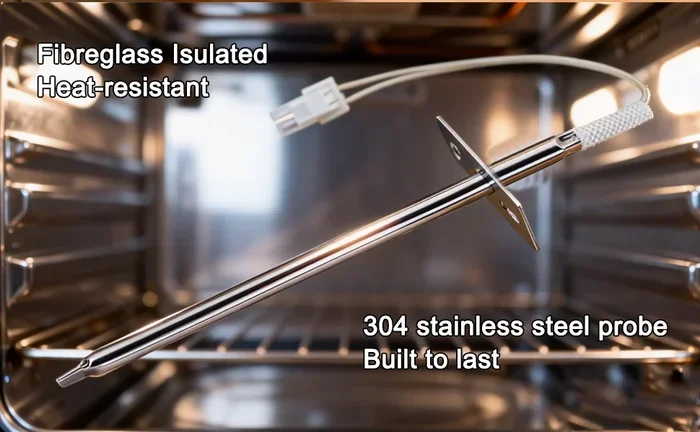
Place the seasoned ribeye on the wire rack. Put the baking sheet in the oven on the center rack. Insert a meat thermometer into the thickest part of the steak. Make sure the probe is not touching the bone or the pan.
Step 3: Slow Roast Until Just Below Target Temp
Now you wait. The roasting time depends on the thickness of your steak and your target doneness. Here is a general guide:
- 1.5-inch steak to 120°F: About 20 to 25 minutes
- 2-inch steak to 120°F: About 25 to 35 minutes
- 1.5-inch steak to 125°F: About 25 to 30 minutes
- 2-inch steak to 125°F: About 30 to 40 minutes
These times are approximate. Always rely on your meat thermometer. The goal is to pull the steak out when it is 5 to 10 degrees below your final target temperature. The steak will continue to rise in temperature during resting.
Step 4: Sear For A Perfect Crust
Once your ribeye reaches the right temperature, it is time for the sear. Heat a cast iron skillet or heavy-bottomed pan over high heat. Add a high smoke-point oil like avocado oil or grapeseed oil. Let the pan get ripping hot. This should take about 2 to 3 minutes.
Carefully place the ribeye in the hot pan. Sear for 60 to 90 seconds per side. Use tongs to hold the steak and sear the edges for 20 to 30 seconds each. This step creates the crispy, golden-brown crust that makes oven-roasted ribeye so irresistible.
If you prefer not to use a stovetop, you can use your oven’s broiler instead. Place the steak on a broiler pan and broil on high for 2 to 3 minutes per side. Watch it closely. The broiler can go from perfect to burnt very quickly.
Step 5: Rest Your Ribeye
This is the step most people skip. Do not skip it. Resting is essential for juicy, tender ribeye. Transfer the steak to a cutting board and tent it loosely with aluminum foil. Let it rest for 8 to 10 minutes.
During resting, the juices inside the steak redistribute. They move from the center to the outer edges. When you finally cut into it, those juices stay inside the meat instead of pooling on the plate. A properly rested ribeye is noticeably juicier than one that is cut immediately.
Step 6: Slice And Serve
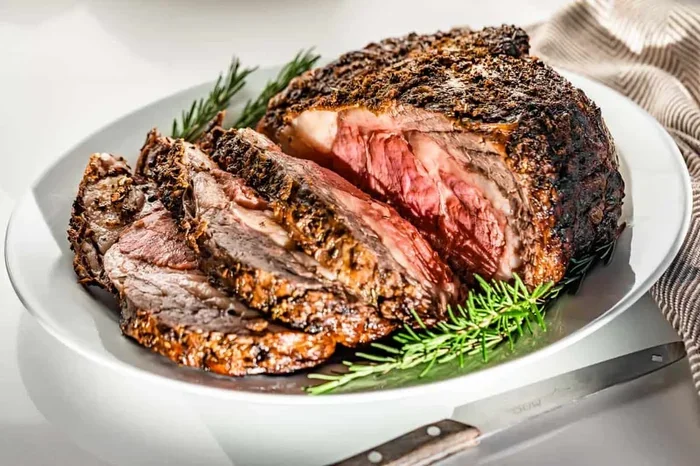
After resting, slice your ribeye against the grain. This shortens the muscle fibers and makes each bite more tender. Serve it right away while it is still warm and juicy.
Ribeye Internal Temperature Guide
Knowing your target temperature is the key to nailing the perfect doneness every time. Here is a quick reference guide for oven-roasted ribeye:
| Doneness | Pull Temp (Before Resting) | Final Temp (After Resting) | Look And Feel |
|---|---|---|---|
| Rare | 115 to 120°F | 120 to 125°F | Cool red center, very soft |
| Medium Rare | 120 to 125°F | 130 to 135°F | Warm red center, soft and juicy |
| Medium | 125 to 130°F | 135 to 140°F | Warm pink center, slightly firm |
| Medium Well | 130 to 135°F | 140 to 145°F | Slight pink center, firm |
| Well Done | 140 to 145°F | 150°F+ | Little or no pink, very firm |
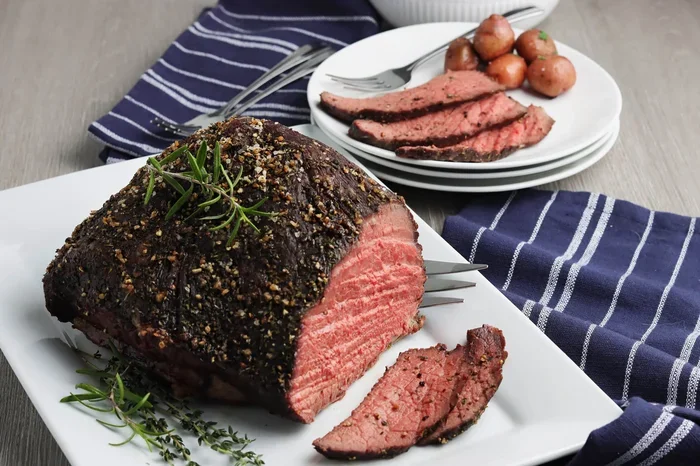
For most ribeye lovers, medium-rare is the sweet spot. It brings out the best flavor and texture. The meat is juicy and tender with a beautiful red-pink center. If you are new to oven-roasting ribeye, aim for 130 to 135 degrees Fahrenheit after resting.
Common Mistakes To Avoid When Roasting Ribeye
Even experienced cooks make mistakes when roasting ribeye in the oven. Here are the most common ones and how to avoid them.
Skipping The Room Temperature Step
Putting a cold steak straight into the oven leads to uneven cooking. The outside overcooks while the inside struggles to reach temperature. Always let your ribeye sit out for 30 to 45 minutes before roasting.
Not Using A Meat Thermometer
guessing the doneness of your ribeye is a recipe for disappointment. Ovens vary. Steaks vary. A meat thermometer removes all guesswork. It is the single best investment you can make for consistent results.
Overcooking During The Sear
The sear should be fast and hot. If you leave the steak in the pan too long, you will overcook it. Remember, the steak is already at your target temperature after slow roasting. The sear is only for the crust. Keep it brief. 60 to 90 seconds per side is all you need.
Cutting Into The Steak Too Soon
We get it. The aroma is irresistible. But cutting into your ribeye right away lets all those precious juices escape. Trust the process. Let it rest for at least 8 minutes. Your patience will be rewarded.
Using The Wrong Oven Temperature
Do not roast ribeye at high temperatures. A hot oven dries out the steak before the inside has time to cook evenly. Stick with 250 degrees Fahrenheit for the slow roast phase. You can always finish with a blast of high heat for the sear.
Expert Tips For The Juiciest Oven-Roasted Ribeye
Want to take your oven-roasted ribeye to the next level? These expert tips will help you get the best results possible every time.
Dry brine your steak overnight. Sprinkle kosher salt on both sides and place it uncovered on a wire rack in the refrigerator. The salt draws out moisture, which then gets reabsorbed. This seasons the meat deeply and creates a drier surface for a better crust. Try it once and you will never go back.
Use fresh herbs in the oven. Tossing sprigs of rosemary and thyme onto the steak or around it on the rack infuses the meat with a wonderful aroma. The herbs slowly roast alongside the beef, releasing their oils and flavor.
Let the pan heat up completely before searing. A hot pan is essential for a great crust. If the pan is not hot enough, the steak will steam instead of sear. You will not get that beautiful brown crust you are looking for.
Add butter and garlic during the sear. After searing both sides, reduce the heat to medium. Add a tablespoon of butter, a few crushed garlic cloves, and a sprig of thyme. Baste the steak with the melted butter for 30 seconds. This adds incredible richness and flavor.
Slice against the grain. This makes a huge difference in tenderness. Look at the direction of the muscle fibers and cut perpendicular to them. Shorter fibers mean easier chewing and a more tender bite.
Serving Suggestions For Oven-Roasted Ribeye
A great roasted ribeye deserves great sides. Here are some ideas that pair beautifully with oven-roasted steak:
- Crispy roasted potatoes — toss baby potatoes with olive oil, garlic, and rosemary
- Grilled asparagus — simple, healthy, and delicious alongside steak
- Creamy mashed potatoes — a classic pairing that never disappoints
- Wedge salad — crisp lettuce, blue cheese, and ranch dressing
- Sauteed mushrooms — earthy flavor that complements ribeye perfectly
- Roasted carrots — caramelized and sweet, a great contrast to the rich steak
Keep your sides simple so they do not compete with the star of the show. The ribeye should be the highlight of the plate. Let the sides support and complement it.
How To Store And Reheat Leftover Ribeye
If you have leftovers (and that is rare with a great ribeye), store them properly to keep them juicy. Let the steak cool to room temperature, then wrap it tightly in plastic wrap or foil. Refrigerate for up to 3 days.
To reheat, use a low oven temperature of 250 degrees Fahrenheit. Place the steak on a wire rack and warm it for 15 to 20 minutes until it reaches 110 to 115 degrees Fahrenheit. Then give it a quick sear in a hot pan for 30 seconds per side to restore the crust. This method keeps leftover ribeye tender and flavorful.
Avoid microwaving leftover steak if you can. It tends to make the meat rubbery and unevenly heated. The oven-and-sear method takes a little longer but produces far better results.
Conclusion
Roasting ribeye in the oven is one of the simplest and most rewarding ways to cook steak at home. With the right cut, the right temperature, and a little patience, you can achieve results that rival any steakhouse. The reverse sear method gives you precise control and a beautiful crust. A meat thermometer takes all the guesswork out. And resting your steak ensures every bite is juicy and full of flavor.
Remember to keep your seasoning simple. Let the quality of the beef speak for itself. Choose a well-marbled, thick-cut ribeye. Give it time to come to room temperature. Roast it low and slow. Sear it hot and fast. And always, always let it rest before you cut.
Once you master how to roast ribeye in the oven, you will never go back to overcooked, dry steak again. This method is forgiving, reliable, and incredibly delicious. Try it at your next dinner and watch your family and friends react with delight. Happy cooking.
Frequently Asked Questions
What is the best oven temperature to roast ribeye?
The best oven temperature for roasting ribeye is 250 degrees Fahrenheit. This low temperature allows the steak to cook slowly and evenly, bringing it up to the perfect internal temperature without drying it out. You will finish with a hot sear for a crispy crust.
How long should I roast a ribeye in the oven?
Roasting time depends on the thickness of your steak. A 1.5-inch ribeye typically takes 20 to 25 minutes, while a 2-inch steak may need 25 to 35 minutes at 250 degrees Fahrenheit. Always use a meat thermometer to check the internal temperature rather than relying on time alone.
Should I cover my ribeye with foil while roasting?
No, do not cover your ribeye with foil while roasting. Leaving it uncovered allows air to circulate around the steak, which promotes even cooking and helps create a better crust. You can tent it with foil during the resting period after cooking.
What internal temperature should ribeye reach for medium-rare?
For a perfect medium-rare ribeye, pull it from the oven when the internal temperature reaches 120 to 125 degrees Fahrenheit. After resting for 8 to 10 minutes, the temperature will rise to 130 to 135 degrees Fahrenheit, which is the ideal medium-rare range.
Can I roast a frozen ribeye in the oven?
It is best to thaw your ribeye before roasting. A frozen steak will cook unevenly in the oven, with the outside overcooking before the inside thaws. Thaw your ribeye in the refrigerator overnight for the most even and flavorful results.
How do I get a crispy crust on my oven-roasted ribeye?
The secret to a crispy crust is a very hot pan and a fast sear. Heat a cast iron skillet until it is smoking hot, add a high smoke-point oil, and sear the ribeye for 60 to 90 seconds per side. Make sure the steak surface is dry before it goes into the pan for the best results.