Which Rack In Oven Is Hottest For Juicy Roasting Results
Knowing which rack in oven is hottest can transform your cooking results completely. The top rack delivers direct heat for browning, the middle rack offers balanced warmth, and the bottom rack provides intense bottom heat for crispy finishes. This guide covers every rack position so you can roast, bake, and broil with total confidence.
Ever pulled a roast out of the oven only to find one side perfectly golden and the other side pale and undercooked? You are not alone. The answer to which rack in oven is hottest changes everything about how your food turns out. Understanding oven rack positions is one of the simplest yet most powerful skills you can build in the kitchen.
Most home cooks grab the same rack every single time without thinking twice. But here is the truth. Where you place your food inside the oven directly affects how it cooks. It changes browning, texture, and even juiciness. Whether you are roasting a whole chicken, baking cookies, or broiling steaks, rack placement plays a huge role. This article breaks down exactly how heat moves inside your oven and which oven rack position works best for every cooking task.
By the end of this guide, you will never second-guess your rack choice again. You will know the science behind oven heat zones, the best rack height for roasting, and simple tricks that take your meals from average to amazing. Let us dive in.
Key Takeaways
- Top rack = direct heat: Best for broiling and getting a golden crust on dishes.
- Middle rack = the sweet spot: Delivers the most even heat for roasting and baking.
- Bottom rack = intense lower heat: Ideal for crispy pizza bottoms and deeply browned casseroles.
- Convection fans change everything: They redistribute heat, making all racks more evenly hot.
- Rack height matters: Adjusting how close food sits to the heating element changes cooking speed and browning.
- Avoid common mistakes: Overcrowding racks and ignoring hot spots ruin your results.
📑 Table of Contents
- Understanding How Your Oven Distributes Heat
- Which Rack in Oven Is Hottest
- Rack Position for Different Cooking Tasks
- Convection vs Conventional Ovens
- Common Mistakes People Make with Rack Placement
- Quick Tips for Perfect Roasting Every Time
- Expert Insights on Oven Rack Mastery
- Key Takeaways
- Conclusion
Understanding How Your Oven Distributes Heat
Before we talk about specific rack positions, it helps to understand what is happening inside your oven. Heat does not spread evenly in every oven. Different ovens have different heating elements, different insulation, and different airflow patterns. But there are some general rules that apply to most standard ovens.
The Role of Heating Elements
Most ovens have two main heating elements. One sits at the top, and one sits at the bottom. The top element is called the broil element, and it generates direct, intense downward heat. The bottom element handles most of your everyday baking and roasting warmth. Together, they create distinct temperature zones inside the oven cavity.
The top element runs at very high temperatures when you use the broil setting. It can reach 500 to 550 degrees Fahrenheit. The bottom element works at lower, steadier temperatures for regular cooking. Because of this setup, the area closest to each element will always be the hottest.
Hot Spots and Cold Zones
Even with both elements working, ovens develop hot spots and cooler areas. Hot spots are zones where the temperature is noticeably higher than the surrounding air. They usually form near the heating elements or in corners of the oven. Cold zones sit in the dead air spaces where circulation is weak.
This is why rotating pans halfway through cooking is such a good habit. It helps food cook more evenly. But knowing which oven heat distribution pattern your oven follows can save you from guesswork entirely.
Which Rack in Oven Is Hottest
The short answer is the top rack. But the full answer is more nuanced. Each rack level serves a different purpose, and choosing the right one depends on what you are cooking and what result you want.
Top Rack: The Direct Heat Zone
The top rack sits closest to the broil element. This is the hottest rack in oven when you are using the broil setting. Food placed here gets blasted with direct radiant heat from above. The result is fast, intense browning and caramelization on the top surface.
Use the top rack when you want a crispy, golden finish on casseroles, gratins, or melted cheese dishes. It is also great for finishing a roast that needs a beautiful crust on top. But be careful. Because the heat is so direct, food on the top rack can burn quickly if you do not watch it closely.
A good rule of thumb is to stay alert when cooking on the top rack. Set a timer and check your food frequently. The broiling rack position works wonders for quick browning but demands your attention.
Middle Rack: The Sweet Spot
The middle rack is where most of the action happens. It is the most balanced position in the oven. Heat circulates evenly around food on the middle rack, which means more consistent cooking and less risk of burning one side.
If you are wondering which rack to use for everyday roasting and baking, the middle rack is almost always your best bet. It works beautifully for whole chickens, roast beef, pork loin, and most baked goods. The even heat distribution on the middle rack helps food cook through without drying out the edges.
Think of the middle rack as the default setting. When in doubt, place your pan on the middle rack and let the oven do its work. Most recipes assume you are using this position unless they say otherwise.
Bottom Rack: The Intense Heat Zone
The bottom rack sits closest to the bottom heating element. This element provides steady, radiating upward heat. The bottom rack is excellent for dishes that need a crispy base or deep browning on the bottom.
Pizza is a perfect example. Placing a pizza on the bottom rack gives you a crispy, well-browned crust that mimics a pizza oven floor. Lasagnas and baked casseroles also benefit from the bottom rack because the heat rises and creates a golden, bubbly top while the bottom stays firm and cooked through.
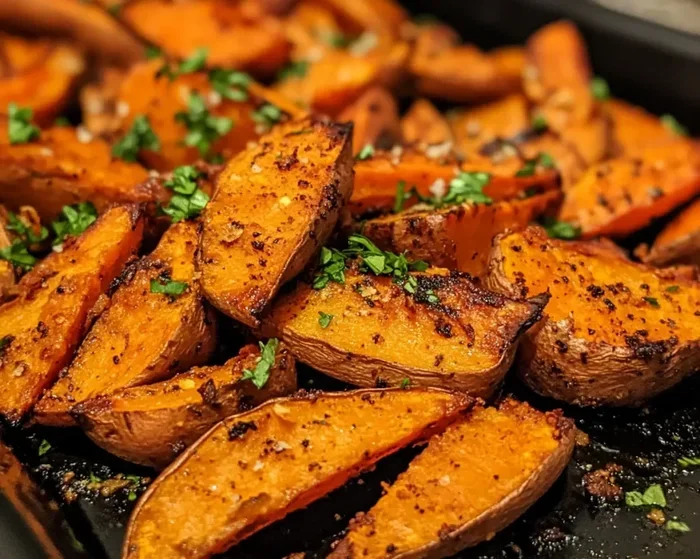
The bottom rack is also useful for roasted vegetables that you want deeply caramelized on the bottom. The direct heat from below creates those crispy, slightly charred edges that make roasted veggies irresistible.
Rack Position for Different Cooking Tasks
Now that you understand the three main rack zones, let us look at how to match rack positions to specific cooking tasks. This is where the real kitchen magic happens.
Roasting Meat
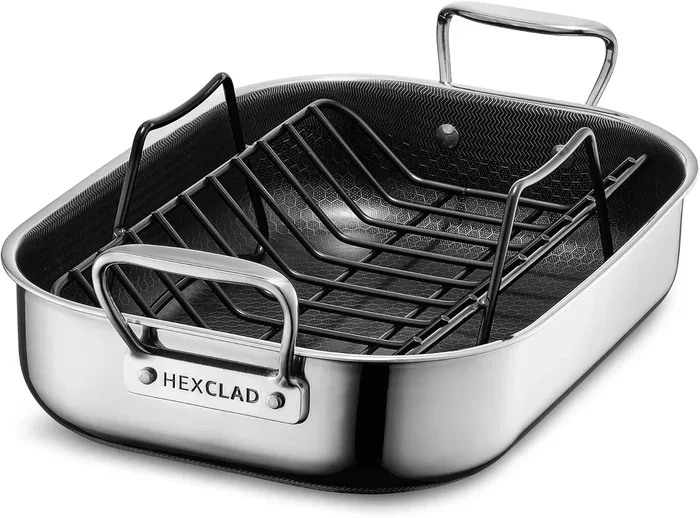
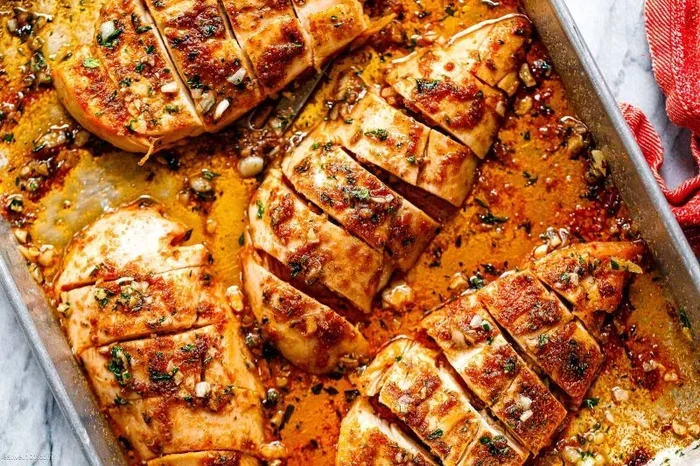
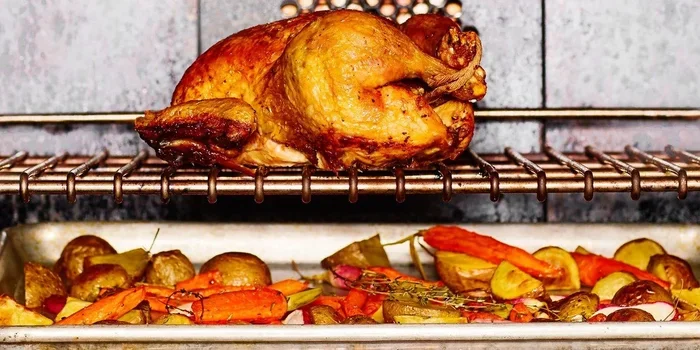
For juicy roasted meats like chicken, beef roast, or pork tenderloin, the middle rack is your best friend. The balanced heat surrounds the meat evenly, allowing it to cook through without drying out. Place the meat on a roasting pan or wire rack set inside a baking sheet for best results.
If you want extra browning on top during the last 10 to 15 minutes of cooking, you can move the roast to the top rack and switch to broil. This technique gives you a beautiful, caramelized crust without overcooking the inside.
For thicker cuts of meat, consider using a meat thermometer to check internal temperature. Rack position affects surface browning, but the internal temperature determines whether your roast is truly done.
Baking Bread and Pastries
Baking bread and pastries benefits from even, surrounding heat. The middle rack provides the balanced environment these delicate items need. Placing bread on the top rack can cause the top to brown too fast while the inside stays gummy.
For artisan bread with a crispy crust, some bakers place a Dutch oven or baking stone on the bottom rack. This creates a steamy environment at the bottom of the oven that mimics a professional bread oven. The bread sits on the middle rack above it, getting the perfect balance of heat and moisture.
Broiling and Finishing Dishes
The top rack is the go-to position for broiling. When you broil, you are using the top heating element at full power. This is perfect for melting cheese on top of casseroles, browning the top of a gratin, or giving fish fillets a crispy finish.
Keep the oven door slightly ajar when broiling. This allows moisture to escape and prevents steaming, which would interfere with browning. Watch the food carefully because the intense top heat can go from perfectly browned to burnt in seconds.
Convection vs Conventional Ovens
If your oven has a convection setting, everything changes. A convection oven uses a fan to actively circulate hot air throughout the cavity. This fan-driven airflow reduces the temperature differences between racks. In other words, the heat becomes much more uniform across all rack levels.
In a conventional oven, the top rack is noticeably hotter than the bottom rack. But in a convection oven, the temperature difference shrinks significantly. The fan pushes hot air around, which means the convection oven rack positions are more interchangeable.
That said, the top rack still gets slightly more direct heat from the broil element. And the bottom rack still benefits from the upward radiation of the bottom element. So even with convection, it is smart to think about where you place your food.
When using convection, reduce your cooking temperature by about 25 degrees Fahrenheit. The fan-driven airflow cooks food more efficiently, so lower temperatures prevent overcooking. Also, avoid overcrowding the oven when using convection. Blocking the airflow with too many pans defeats the purpose of the fan.
Common Mistakes People Make with Rack Placement
Even experienced cooks make rack placement mistakes. Here are the most common ones and how to avoid them.
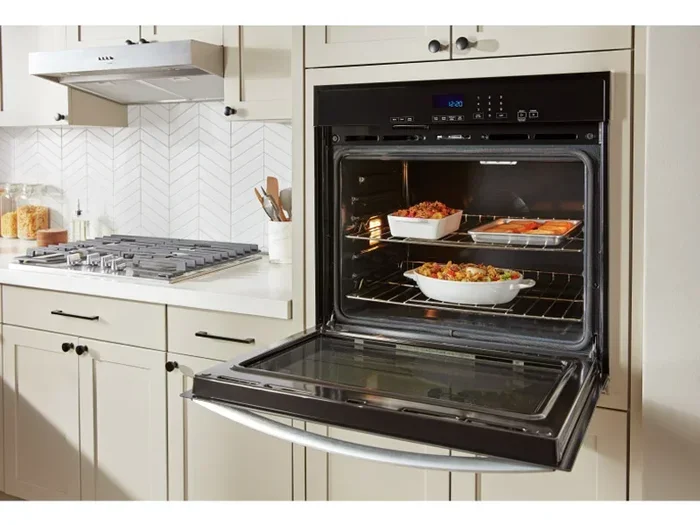
Using only one rack for everything. Many people keep all their food on the middle rack because they are afraid of burning. But different dishes need different rack positions. A casserole might need the top rack for browning, while cookies bake better on the middle rack.
Overcrowding the racks. Putting too many pans in the oven blocks airflow. This creates uneven cooking and extends bake times. If you need to cook multiple dishes, use different racks but leave enough space between pans for air to circulate freely.
Ignoring the bottom element. Some people never use the bottom rack because they assume it is too close to the heat source. But the bottom rack is incredibly useful for pizza, flatbreads, and any dish that needs a crispy base. Give it a try.
Not adjusting for oven type. Gas ovens and electric ovens distribute heat differently. Gas ovens tend to have more moisture in the air, which can affect browning. Electric ovens often have stronger top elements. Knowing your oven type helps you make better rack decisions.
Quick Tips for Perfect Roasting Every Time
Here are some simple, actionable tips that will improve your oven cooking immediately.
- Preheat your oven fully. Give it at least 15 to 20 minutes to reach the target temperature before putting food inside.
- Use a wire rack inside your roasting pan. This allows hot air to circulate around the meat from all sides, including the bottom.
- Rotate your pans halfway through cooking. This compensates for any uneven heat distribution in your specific oven.
- Invest in an oven thermometer. Many ovens run hotter or cooler than their dial says. An oven thermometer takes the guesswork out of temperature.
- Position racks before preheating. Decide where your racks will go while the oven is cold. Trying to move racks with a hot oven is dangerous and risky.
- Use the upper-middle rack for cookies. This position gives cookies even browning on top and bottom without burning the edges.
- Let meat rest after roasting. Resting allows juices to redistribute, which makes your roast juicier and more flavorful.
Expert Insights on Oven Rack Mastery
Professional chefs and cooking instructors consistently emphasize one thing. Rack placement is not a minor detail. It is a fundamental tool that controls how your food cooks. The best cooks think about rack position the same way they think about seasoning or knife skills.
Chef Thomas Keller once said that understanding your oven is just as important as understanding your ingredients. The rack you choose determines how much direct heat your food receives, how evenly it cooks, and what texture it develops. Mastering oven rack levels is one of the fastest ways to elevate your home cooking.
Another expert tip is to pay attention to how your oven behaves. Every oven is slightly different. Some run hot at the top, others have strong bottom heat. After a few uses, you will start to notice patterns. You will know which oven temperature zones exist in your specific appliance, and you will adjust your rack placement accordingly.
Key Takeaways
- Top rack = direct heat: Best for broiling and getting a golden crust on dishes.
- Middle rack = the sweet spot: Delivers the most even heat for roasting and baking.
- Bottom rack = intense lower heat: Ideal for crispy pizza bottoms and deeply browned casseroles.
- Convection fans change everything: They redistribute heat, making all racks more evenly hot.
- Rack height matters: Adjusting how close food sits to the heating element changes cooking speed and browning.
- Avoid common mistakes: Overcrowding racks and ignoring hot spots ruin your results.
Conclusion
The answer to which rack in oven is hottest depends on what you are cooking and which heating element is active. The top rack delivers the most direct heat and is perfect for broiling and finishing dishes with a crispy top. The middle rack provides balanced, even heat and is the best default position for most roasting and baking tasks. The bottom rack offers intense lower heat that creates beautifully crispy crusts and caramelized bottoms.
Understanding these three zones gives you control over your cooking results. You can choose the right oven rack position for every meal, from a Sunday roast chicken to a weeknight batch of cookies. Combine this knowledge with good habits like preheating, rotating pans, and using an oven thermometer, and you will notice an immediate improvement in your cooking.
The next time you preheat your oven, take a moment to think about where your food should go. A small adjustment in rack placement can make a big difference in texture, browning, and overall flavor. Start experimenting today and enjoy juicier, more evenly cooked meals every single time.
Frequently Asked Questions
Is the top rack always the hottest in the oven?
Yes, the top rack is the hottest when the broil element is active. It receives direct radiant heat from above, making it the most intense cooking zone. However, during regular baking with only the bottom element, the temperature difference between racks narrows. The top rack still tends to be warmer than the bottom rack in most conventional ovens.
Can I use two racks at the same time for roasting?
Yes, but you need to be strategic. Place one rack in the upper third and one in the lower third of the oven. Rotate the pans halfway through cooking to ensure even results. Avoid placing pans directly above each other, as this blocks airflow and creates uneven cooking. The middle rack is usually too crowded if you are using two pans.
Does rack position affect how juicy my roast turns out?
Absolutely. The middle rack provides the most balanced heat, which helps meat cook evenly without drying out the outer layers. If you place a roast too close to the top element, the surface can dry out before the inside is fully cooked. Using the middle rack and a meat thermometer gives you the best chance at a juicy, perfectly cooked roast.
How many racks does a standard oven have?
Most standard ovens come with three to five rack positions. The exact number depends on the oven model and size. Full-size ovens typically have four or five racks, while compact or countertop ovens usually have two or three. Always check your oven manual for the recommended rack positions and maximum load capacity.
Should I change rack position when baking cookies?
Yes, the upper-middle rack is ideal for baking cookies. This position allows heat to circulate evenly around the cookie sheet, producing uniform browning on both the top and bottom. Avoid the top rack, which can cause the tops to burn before the bottoms are done. Also avoid the bottom rack, which can over-brown the bottoms of cookies.
Does a convection oven eliminate the need to think about rack placement?
Not entirely. Convection ovens reduce temperature differences between racks because the fan circulates hot air more evenly. This makes all rack positions more usable. However, the top rack still receives more direct heat from the broil element, and the bottom rack still benefits from upward radiation. Thinking about rack position in a convection oven still improves your results, even if the differences are smaller.
=== END ===