How Long To Cook Roast Beef In Your Conventional Oven
Learning how long to cook roast beef in a conventional oven is simpler than you think. This guide covers times, temperatures, and pro tips for juicy results. Whether you are cooking a chuck roast or a prime rib, we have you covered. You will find step-by-step instructions that make roasting beef feel easy and fun.
There is something magical about a perfect roast beef coming out of the oven. The kitchen fills with a rich, savory aroma. The outside turns golden brown and crispy. And the inside? It is tender, juicy, and cooked to exactly the way you like it. If you have ever wondered how long to cook roast beef in a conventional oven, you are in the right place.
Roasting beef in a traditional oven is one of the most classic cooking methods around. It does not require fancy equipment. You do not need a fancy kitchen. All you need is a good cut of beef, a reliable oven, and a little patience. This guide will walk you through everything you need to know. We will cover timing, temperatures, cuts of meat, and all the little tricks that turn a good roast into a great one.
Whether you are a beginner in the kitchen or a seasoned home cook looking to refine your technique, this article has practical value. We will break down the science behind roasting beef. We will give you clear numbers you can trust. And we will share tips that make the whole process smoother. By the end, you will feel confident walking into your kitchen and pulling off a stunning oven roasted beef every single time.
Key Takeaways
- Cook Time Varies by Weight: A general rule is about 20 minutes per pound at 350°F for a medium roast.
- Internal Temperature Matters Most: Use a meat thermometer. 135°F is medium-rare, 145°F is medium, and 160°F is well-done.
- Resting Is Essential: Let your roast rest for 15 to 20 minutes after cooking for juicy, tender slices.
- Different Cuts Need Different Approaches: Chuck roast, rump roast, and prime rib all have unique cooking needs.
- Searing Before Roasting Adds Flavor: A quick sear on the stovetop creates a beautiful crust and locks in juices.
- Low and Slow Can Yield Better Results: Cooking at 300°F for longer makes tougher cuts incredibly tender.
📑 Table of Contents
- Understanding How Long To Cook Roast Beef In A Conventional Oven
- Choosing the Right Cut of Beef for Roasting
- Essential Prep Work Before You Roast
- Oven Temperature and Timing Guide
- Resting and Serving Your Roast Beef
- Common Mistakes to Avoid When Roasting Beef
- Expert Tips for the Perfect Roast Beef
- How Long To Cook Roast Beef In Conventional Oven: A Quick Reference
- Conclusion
Understanding How Long To Cook Roast Beef In A Conventional Oven
The most common question people ask is, “How long does it take to cook a beef roast?” The honest answer is that it depends. Several factors come into play. The weight of the roast matters a lot. The cut of beef changes things too. And your desired level of doneness plays a big role as well.
Here is a simple starting point. For most beef roasts cooked at 350°F, you can estimate about 20 minutes per pound. This is a general guideline for a medium cook. A 3-pound roast would take roughly 60 minutes. A 5-pound roast would take about 1 hour and 40 minutes. But these are just estimates. The real secret is using a meat thermometer.
Why Weight and Size Change Everything
A thick, compact roast cooks differently than a long, narrow one. Shape affects how heat moves through the meat. A roast that is wider in the middle will take longer to reach the center. A thinner roast cooks faster all the way through. This is why weight alone is not enough. You also need to consider the shape and thickness of your cut.
Also, the starting temperature of the meat matters. If you take a cold roast straight from the fridge, it will take longer than one that has been sitting at room temperature for 30 minutes. Letting your beef come to room temperature before roasting helps it cook more evenly. This small step can make a big difference in your final result.
The Role of Your Oven
Not all ovens heat the same way. Conventional ovens use heating elements at the top and bottom. They also rely on natural air circulation. This is different from convection ovens, which have a fan that blows hot air around. If you are using a conventional oven, you may need to add a few extra minutes compared to a convection setting. Always check your roast with a thermometer rather than relying only on the clock.
Choosing the Right Cut of Beef for Roasting
Not all beef cuts are created equal when it comes to roasting. Some cuts are naturally tender and cook quickly. Others need more time and lower heat to become tender and flavorful. Choosing the right cut is the first step toward a successful beef roast.
Best Cuts for Roasting
- Chuck Roast: This is a budget-friendly option that becomes incredibly tender when cooked low and slow. It has great marbling and rich flavor.
- Rump Roast: Lean and flavorful, rump roast works well for pot roast or slow roasting. It benefits from longer cooking times.
- Prime Rib: This is the showstopper cut. Prime rib is well-marbled and naturally tender. It roasts beautifully at higher temperatures.
- Top Round Roast: A leaner cut that works well when sliced thin against the grain after cooking.
- Brisket: A tough cut that transforms with low, slow heat. It needs several hours in the oven.
Tender vs. Tough Cuts
Tender cuts like tenderloin or ribeye cook faster. They are best served medium-rare or medium. Tough cuts like chuck or brisket need more time. The collagen in these cuts breaks down slowly with heat. This is what makes them fall-apart tender. If you are using a tougher cut, plan for a longer cook time and lower temperature.
Essential Prep Work Before You Roast
Great roast beef starts before you even turn on the oven. The prep work you do matters more than you might think. Taking a little extra time here pays off big time later.
Seasoning Your Roast
Keep it simple or go bold. A basic seasoning of salt, pepper, garlic powder, and onion powder works wonders. Some people like to add rosemary, thyme, or paprika. Whatever you choose, season the roast generously on all sides. You can also make a simple paste with butter, herbs, and garlic and rub it all over the meat.
Here is a quick tip. Let your seasoned roast sit uncovered in the fridge for a few hours or even overnight. This helps the seasoning penetrate deeper into the meat. It also dries the surface slightly, which leads to a better sear.
Searing for Maximum Flavor
Searing is not strictly necessary, but it adds a layer of flavor that is hard to beat. Heat a skillet with a little oil over medium-high heat. Pat the roast dry with paper towels first. Then place it in the hot pan and let it develop a deep brown crust on all sides. This usually takes about 2 to 3 minutes per side.
After searing, transfer the roast to your oven-safe pan or roasting rack. You can add chopped onions, carrots, and celery to the bottom of the pan if you like. These vegetables will release moisture and flavor as the roast cooks. They also make a great base for gravy later.
Oven Temperature and Timing Guide
This is where the real planning happens. Knowing the right temperature and timing for your specific cut and weight is the key to perfect roast beef. Below you will find a detailed guide broken down by temperature and roast type.
Standard Roasting at 350°F
Most beef roasts do well at 350°F. This is the go-to temperature for a traditional oven roast. Here is a general timing guide:
- 3-pound roast: About 1 hour to 1 hour and 15 minutes
- 4-pound roast: About 1 hour and 20 minutes to 1 hour and 40 minutes
- 5-pound roast: About 1 hour and 40 minutes to 2 hours
- 6-pound roast: About 2 hours to 2 hours and 20 minutes
These times assume you are aiming for medium doneness. Adjust up or down based on your preference and the size of your roast.
Low and Slow at 300°F
For tougher cuts like chuck roast or brisket, a lower temperature works better. Cooking at 300°F breaks down the connective tissue more gently. This method takes longer but produces incredibly tender meat.
- 3-pound chuck roast: About 3 to 3.5 hours
- 5-pound chuck roast: About 5 to 6 hours
- 6-pound brisket: About 6 to 8 hours
The low and slow approach is perfect for weekend cooking. It fills your home with an amazing aroma all day long. And the results are worth every minute of waiting.
High Heat at 400°F for Prime Rib
If you are cooking a prime rib or a tender cut, you can start at a higher temperature. A 400°F start helps create a beautiful crust. Then you can lower the temperature to 325°F for the rest of the cook.
For a 4-bone prime rib (about 6 to 7 pounds), this method takes roughly 1.5 to 2 hours total. The initial high heat phase lasts about 15 to 20 minutes. Then the roast finishes at the lower temperature.
Beef Roast Temperature Chart
Use this quick reference to check your roast at the right moment. Remember, the temperature will rise a few degrees while the roast rests.
- 120°F: Very rare
- 130°F: Rare
- 135°F: Medium-rare (recommended for tender cuts)
- 145°F: Medium
- 155°F: Medium-well
- 160°F and above: Well-done
Always pull your roast out of the oven a few degrees before it hits your target temperature. The carryover cooking will raise the internal temp by about 5 to 10 degrees as it rests.
Resting and Serving Your Roast Beef
One of the biggest mistakes people make is cutting into the roast right away. Resist the urge! Resting your roast beef is just as important as cooking it properly.
Why Resting Matters
When the roast comes out of the oven, the juices inside are under a lot of pressure. They are being pushed toward the center of the meat. If you cut right in, all those juices run out onto the cutting board. The meat ends up dry and less flavorful. But if you let it rest, the juices redistribute evenly throughout the roast.
Here is how long to let different sizes rest:
- Small roast (2 to 3 pounds): 10 to 15 minutes
- Medium roast (4 to 5 pounds): 15 to 20 minutes
- Large roast (6 pounds and up): 20 to 30 minutes
Tent the roast loosely with aluminum foil during resting. This keeps the heat in without trapping too much steam. Too much steam can make the crust soggy, and we do not want that.
Slicing Against the Grain
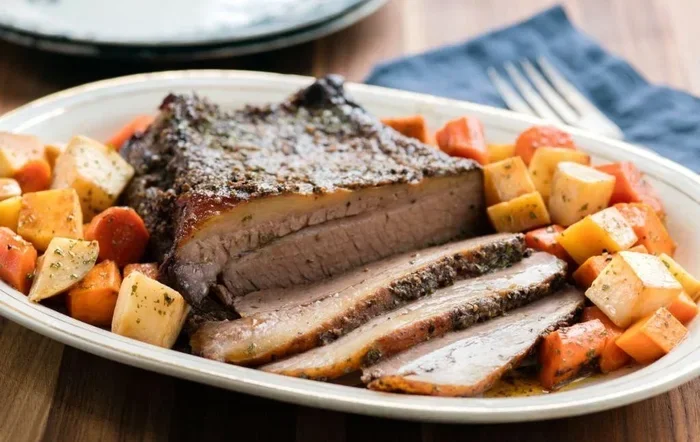
When you are ready to serve, look for the direction of the muscle fibers. These are the “grain” of the meat. Slice perpendicular to the grain, not parallel. Slicing against the grain shortens the muscle fibers and makes each bite more tender. This is especially important for leaner cuts like top round or rump roast.
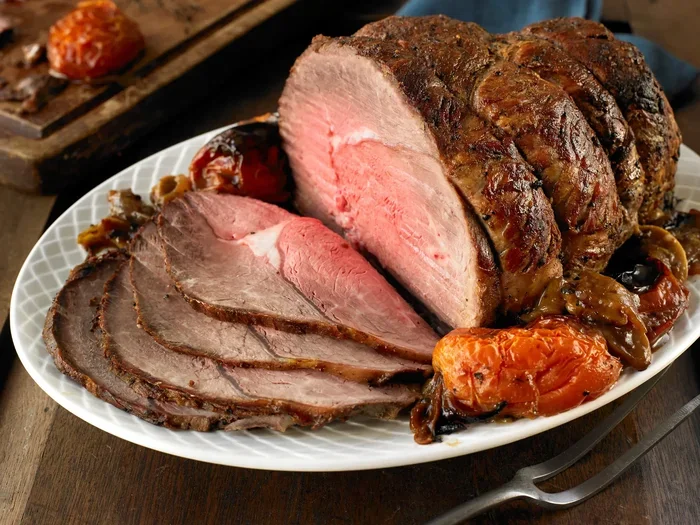
Use a sharp carving knife for clean slices. A dull knife will tear the meat and squeeze out the juices. Take your time and enjoy the process. A beautiful, well-sliced roast beef looks as good as it tastes.
Common Mistakes to Avoid When Roasting Beef
Even experienced cooks make mistakes sometimes. Here are a few common pitfalls that can affect your roast beef, and how to avoid them.
Skipping the Meat Thermometer
Relying on a timer alone is a recipe for disappointment. Every oven is different. Every roast is different. A meat thermometer takes all the guesswork out of the equation. It is the single most important tool for perfect roast beef. Get one if you do not have one already. They are inexpensive and make a huge difference.
Overcooking the Roast
It is easy to go too far. Many people cook their roast beef well-done because they are worried about food safety. But for most beef roasts, medium-rare to medium is the sweet spot. Not only does it taste better, but it is also safer when the internal temperature reaches at least 135°F for whole cuts. Use a thermometer and pull the roast when it is a few degrees below your target.
Not Letting the Roast Come to Room Temperature
We touched on this earlier, but it deserves its own mention. Putting a cold roast straight into a hot oven creates uneven cooking. The outside can overcook while the center is still cold. Take the roast out of the fridge about 30 to 45 minutes before cooking. This small step leads to much more even results.
Opening the Oven Door Too Often
Every time you open the oven door, heat escapes. The temperature can drop by 25 to 50 degrees. This adds extra cooking time and can affect how evenly the roast cooks. Use the oven light to check on your roast instead of opening the door. Only open it when you need to baste or check the temperature.
Cutting Too Soon
We already covered this, but it is worth repeating. Cutting into the roast too early releases all those precious juices. Be patient. Let the roast rest. Your future self, enjoying a juicy slice, will thank you.
Expert Tips for the Perfect Roast Beef
Here are some extra tips from experienced cooks and chefs that can elevate your roast beef from good to outstanding.
- Use a roasting rack: It lifts the roast above the pan juices and allows hot air to circulate all around the meat. This promotes even cooking and a better crust.
- Baste halfway through cooking: Spoon the pan juices over the roast about halfway through. This adds flavor and helps the outside cook more evenly.
- Add liquid to the pan: Pour a cup of beef broth, wine, or water into the bottom of the pan. This prevents drippings from burning and creates a base for gravy.
- Let the roast finish on the counter: Some cooks let the roast continue cooking on the counter for 20 to 30 minutes after pulling it from the oven. This can bring the internal temperature up gently for a perfect medium-rare finish.
- Save the drippings: The brown bits stuck to the bottom of the pan are liquid gold. Use them to make a quick and delicious gravy.
How Long To Cook Roast Beef In Conventional Oven: A Quick Reference
Here is a handy summary of cooking times and temperatures for the most popular beef roasts in a conventional oven. Keep this guide handy for your next cooking session.
- Chuck Roast (4 pounds) at 325°F: About 3 to 3.5 hours for tender results
- Rump Roast (3 pounds) at 350°F: About 1 hour and 15 minutes to 1 hour and 30 minutes
- Prime Rib (5 pounds) at 350°F: About 1 hour and 45 minutes to 2 hours
- Top Round Roast (4 pounds) at 350°F: About 1 hour and 30 minutes to 2 hours
- Brisket (5 pounds) at 300°F: About 5 to 6 hours
Remember, these are guidelines. Always use a meat thermometer to check for doneness. The internal temperature never lies.
Conclusion
Cooking roast beef in a conventional oven is one of the most rewarding things you can do in the kitchen. It fills your home with warmth and incredible smells. It brings family and friends together around the table. And once you understand the basics, it becomes second nature.
The key to perfect roast beef comes down to three things. First, choose the right cut for your needs. Second, pay attention to temperature and timing. Third, let the roast rest before you slice it. Follow these steps, and you will serve up a beef roast that rivals any restaurant.
Do not be afraid to experiment. Try different cuts. Play with seasoning blends. Adjust the temperature and see how it affects the texture. Every roast you cook teaches you something new. The more you practice, the more confident you will become.
So the next time you are planning a dinner or a special meal, remember everything you have learned here. You now know how long to cook roast beef in a conventional oven with confidence. You know which cuts work best. You know the right temperatures and times. And you know how to avoid the common mistakes that trip up even experienced cooks.
Go ahead. Turn on your oven. Pick out a beautiful cut of beef. And create something truly special. Your family and guests will be impressed. And you might just discover a new favorite thing to cook.
Frequently Asked Questions
Can I cook a frozen roast beef directly in the oven?
Yes, you can, but it will take significantly longer. A frozen roast may need 50% more cooking time than a thawed one. For best results, thaw your roast in the refrigerator overnight before cooking. This ensures more even cooking and better texture throughout the meat.
What is the best temperature for roast beef in a conventional oven?
350°F is the most commonly recommended temperature for a standard beef roast. However, you can cook at 325°F for slower, more tender results or at 400°F for a quicker sear on tender cuts like prime rib. The key is to use a meat thermometer and pull the roast at the right internal temperature.
How do I know when my roast beef is done without cutting into it?
The only reliable way is to use a meat thermometer inserted into the thickest part of the roast. Check the temperature against the doneness chart. For medium-rare, aim for 135°F. For medium, aim for 145°F. Remember that the temperature will continue to rise a few degrees as the roast rests.
Can I use a Dutch oven to roast beef in a conventional oven?
Absolutely. A Dutch oven works wonderfully for roast beef. It retains heat evenly and locks in moisture. You can sear the roast on the stovetop first and then transfer it directly into the oven. This method is especially great for tougher cuts like chuck roast or brisket.
How long should I let my roast beef rest before slicing?
A general rule is to rest the roast for 15 to 20 minutes for medium-sized roasts. Smaller roasts need about 10 minutes, while larger roasts over 6 pounds may need up to 30 minutes. Tent the roast loosely with foil to keep it warm without steaming the crust.
What is the difference between conventional oven roasting and convection oven roasting?
A conventional oven uses static heat from top and bottom elements. A convection oven uses a fan to circulate hot air. Convection ovens cook faster and more evenly, so you may need to reduce the temperature by 25°F or cut the time by about 25%. For conventional ovens, stick to the standard times and temperatures mentioned in this guide.
=== META TITLE ===
Cook Roast Beef In A Conventional Oven | Time & Temp Guide
=== URL SLUG ===
how-long-to-cook-roast-beef-in-conventional-oven
=== SEO TITLE ===
How Long To Cook Roast Beef In Your Conventional Oven
=== META DESCRIPTION ===
Learn exactly how long to cook roast beef in your conventional oven with our easy guide. Get perfect timing, temperatures, and tips every time!