How Do You Cook Flounder In The Oven For Beginners Today
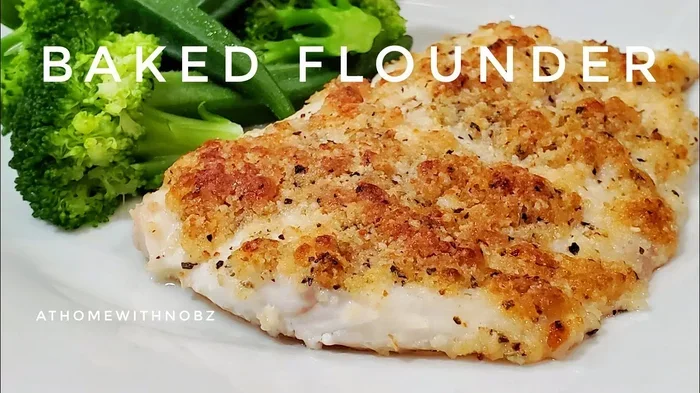
Learning how do you cook flounder in the oven is easier than you think. This beginner-friendly guide walks you through every step, from choosing fresh fillets to pulling a golden, flavorful dish out of your oven. You will master seasoning tips, cooking times, and temperature settings that deliver restaurant-quality results at home.
Few things feel as rewarding as putting a simple, delicious meal on the table without spending hours in the kitchen. How do you cook flounder in the oven? It is one of the easiest and most satisfying ways to prepare this mild, tender white fish. Whether you are a complete beginner or just looking for a reliable recipe, this guide covers everything you need to know.
Flounder is a fantastic choice for home cooks. It is lean, low in fat, and packed with protein. The delicate flavor makes it a perfect canvas for butter, lemon, herbs, and spices. Best of all, baking flounder in the oven requires almost no effort. You prep it, pop it in the oven, and wait for a golden, flaky result. In this article, you will learn the best techniques, flavor combinations, and tips that turn a simple fillet into a standout dish.
By the time you finish reading, you will feel confident enough to bake flounder tonight. Let us dive in and make dinner something to look forward to.
Key Takeaways
- Oven-baked flounder is simple and fast: Most recipes take 15 to 25 minutes at 400°F, making it perfect for weeknight dinners.
- Fresh or frozen fillets both work: You can use either fresh flounder or frozen flounder as long as you thaw it properly first.
- Seasoning makes all the difference: Lemon butter, garlic herbs, and breadcrumbs create delicious flavor profiles that elevate this delicate fish.
- Avoid overcooking: Flounder dries out quickly, so keep a close eye on it and use the fork test to check doneness.
- Pairs well with many sides: Roasted vegetables, rice, and salad complement oven-baked flounder beautifully.
- Minimal equipment is needed: A baking sheet, parchment paper, and a few basic ingredients are all you need to get started.
- Customization is easy: You can adjust seasoning, topping, and cooking time to suit your taste and dietary preferences.
📑 Table of Contents
- Why Oven-Baked Flounder Is a Great Choice
- What You Will Need: Ingredients and Equipment
- Step-by-Step Guide to Cooking Flounder in the Oven
- Best Seasonings and Flavor Combinations
- Common Mistakes to Avoid When Baking Flounder
- Serving Suggestions and Side Dishes
- Expert Insights on Baking Flounder
- Nutritional Benefits of Oven-Baked Flounder
- Frequently Asked Questions
- Conclusion
Why Oven-Baked Flounder Is a Great Choice
You might be wondering why baking is the best method for cooking flounder. The answer comes down to simplicity and results. Oven-baked flounder retains moisture better than many other cooking methods. It also requires very little active cooking time, which makes it ideal for busy evenings.
Here are some reasons why oven-baked flounder stands out:
- Easy cleanup: Most recipes use a single baking sheet lined with parchment paper.
- Consistent results: The oven heats evenly, so every fillet cooks at the same rate.
- Healthier than frying: Baking uses little to no oil, keeping the dish light and nutritious.
- Minimal hands-on time: You spend about 10 minutes prepping and then let the oven do the work.
- Versatile: You can bake flounder with different toppings, sauces, and seasonings every single time.
Compared to pan-frying or grilling, baking gives you more control over the final texture. Flounder is a thin, delicate fish. It can easily fall apart or dry out on a hot grill. In the oven, the gentle, surrounding heat cooks it evenly from edge to center. This makes baked fish a go-to method for anyone who wants tender, flaky results without stress.
Fresh vs. Frozen Flounder
One common question beginners ask is whether they should use fresh or frozen flounder. The good news is both work well. Fresh flounder has a slightly sweeter flavor and firmer texture. Frozen flounder is more accessible and often more affordable. If you buy frozen, simply thaw it overnight in the refrigerator before cooking. Never thaw fish at room temperature, as this can affect both safety and texture.
What You Will Need: Ingredients and Equipment
Before you start, gather everything you need. Having your ingredients and tools ready makes the whole process smoother and more enjoyable. The beauty of oven-baked flounder is that you do not need a long grocery list.
Essential Ingredients
- Flounder fillets: About 1 to 1.5 pounds for 2 to 4 servings.
- Olive oil or melted butter: This keeps the fish moist and adds richness.
- Lemon: Fresh lemon juice and zest brighten the flavor of the fish.
- Garlic: Minced fresh garlic or garlic powder adds depth.
- Salt and black pepper: Basic seasoning that enhances the natural taste.
- Fresh herbs: Parsley, dill, or thyme work beautifully with flounder.
Optional Toppings and Add-Ins
Want to take your recipe to the next level? Consider adding a few extras:
- Breadcrumbs: A light coating of seasoned breadcrumbs creates a crispy golden crust.
- Parmesan cheese: Adds a savory, nutty flavor that pairs well with white fish.
- Butter sauce: A simple lemon-butter sauce drizzled over the top before baking adds incredible flavor.
- Tomato slices: Layered on top, they add moisture and a burst of freshness.
- Capers or olives: For a Mediterranean twist that complements the mild fish flavor.
Equipment You Will Need
You do not need fancy kitchen tools for this recipe. Here is what you need:
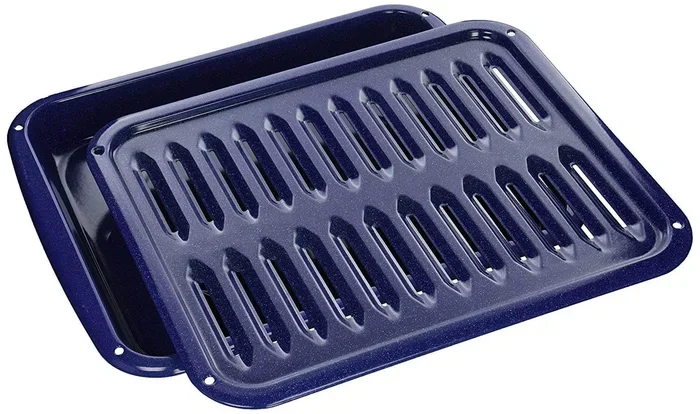
- A standard baking sheet or oven-safe dish
- Parchment paper or aluminum foil for easy cleanup
- A small bowl for mixing seasoning
- A spatula for transferring the fillets
- A fork to check doneness
That is it. No special pans, no expensive gadgets. Just simple tools and fresh ingredients. How do you cook flounder in the oven without any fuss? This is exactly how.
Step-by-Step Guide to Cooking Flounder in the Oven
Now let us get to the heart of the matter. This step-by-step walkthrough shows you exactly how to prepare and bake flounder like a pro. Follow these instructions closely, and you will have a beautiful, flavorful dish on your plate in less than 30 minutes.
Step 1: Preheat Your Oven
Start by preheating your oven to 400°F (200°C). This is the sweet spot for baking white fish. It is hot enough to create a light golden crust but not so hot that the fish dries out. While the oven heats up, you can prep the fillets.
Step 2: Prepare the Fillets
Rinse the flounder fillets under cold water and pat them dry with paper towels. Removing excess moisture helps the seasoning stick better. It also promotes a slightly crispier surface. If your fillets are different sizes, you can trim them to make them more uniform. This ensures even cooking throughout.
Step 3: Season the Fish
Place the fillets on your prepared baking sheet. Drizzle with olive oil or melted butter. Then sprinkle with salt, pepper, minced garlic, and a squeeze of fresh lemon juice. If you are using fresh herbs, chop them finely and scatter them over the top. Gently rub the seasoning into both sides of each fillet so it adheres well.
Step 4: Add Your Topping
This is where you can get creative. For a simple approach, just add a few lemon slices on top. For something crunchier, mix breadcrumbs with a little olive oil and sprinkle them over the fillets. If you love cheese, a light dusting of parmesan works wonders. The topping adds flavor and texture, so do not skip this step.
Step 5: Bake the Flounder
Place the baking sheet in the preheated oven. Cooking flounder in the oven typically takes 12 to 20 minutes. The exact time depends on the thickness of the fillets. Thinner pieces may be done in as little as 10 minutes. Thicker cuts might need closer to 20 minutes. Set a timer and check the fish a minute or two before the minimum time.
Step 6: Check for Doneness
How do you know when oven-baked flounder is ready? Use the fork test. Gently press the thickest part of the fillet with a fork. If the fish flakes easily and appears opaque all the way through, it is done. The internal temperature should reach 145°F (63°C) when measured with a food thermometer. Overcooked flounder becomes dry and tough, so err on the side of pulling it out a little early.
Step 7: Serve Immediately
Remove the baking sheet from the oven and let the fish rest for 2 to 3 minutes. Then transfer the fillets to plates and serve right away. Flounder tastes best when it is fresh from the oven. The texture is at its most tender, and the flavors are at their peak.
Best Seasonings and Flavor Combinations
One of the best things about baked fish is how easy it is to customize. Flounder has a very mild, slightly sweet flavor. It pairs well with a wide range of seasonings and ingredients. Here are some of the best flavor combinations to try:
Classic Lemon Butter
This is the most popular way to bake flounder. Mix melted butter with fresh lemon juice, a pinch of salt, and a dash of paprika. Drizzle it over the fillets before baking. The result is a rich, tangy, and incredibly satisfying dish. This combination works every single time.
Mediterranean Style
For a Mediterranean twist, top your flounder with sliced tomatoes, Kalamata olives, capers, and fresh oregano. A drizzle of olive oil ties everything together. This style pairs beautifully with a side of couscous or crusty bread.
Herb-Crusted
Combine breadcrumbs with chopped fresh dill, parsley, and thyme. Mix with a little butter and spread over the fillets before baking. The herb crust adds a wonderful crunch and aroma. This method gives your flounder recipe a more elevated, restaurant-quality feel.
Asian-Inspired
Do not be afraid to think outside the box. A drizzle of soy sauce, a sprinkle of sesame seeds, and some freshly grated ginger create an Asian-inspired flavor profile. Add a few slices of scallion on top after baking for a pop of color and freshness.
Simple and Clean
Sometimes less is more. A light coating of olive oil, a sprinkle of salt and pepper, and a few lemon slices are all you need. This approach lets the natural flavor of the flounder shine through. It is perfect for those who appreciate the taste of fresh, quality seafood.
Common Mistakes to Avoid When Baking Flounder
Even though baking flounder is straightforward, a few common mistakes can ruin the final result. Being aware of these pitfalls helps you avoid them and achieve perfect flounder cooking every time.
Overcooking the Fish
This is the number one mistake people make. Flounder is a very thin, delicate fish. It goes from perfectly cooked to dry and rubbery in a matter of minutes. Always set a timer and check the fish early. If it flakes easily and looks opaque, it is done. Remember that the fish will continue to cook slightly after you remove it from the oven.
Using Too Much Seasoning
Flounder has a delicate flavor that can be overwhelmed by heavy seasoning. Use a light hand with strong spices. Let the natural taste of the fish shine through. A little salt, pepper, lemon, and herbs go a long way.
Skipping the Parchment Paper
You might be tempted to just place the fillets directly on the baking sheet. Do not do this. Parchment paper prevents sticking and makes cleanup a breeze. It also promotes even browning on the bottom of the fish. This small step makes a big difference.
Not Thawing Frozen Fillets Properly
If you are using frozen flounder, make sure you thaw it completely before seasoning and baking. Cooking a partially frozen fillet leads to uneven cooking. The outside may be overdone while the center is still frozen. Thaw overnight in the refrigerator for the best results.
Crowding the Baking Sheet
Give each fillet enough space on the baking sheet. Overcrowding traps steam and prevents the fish from getting crispy on the bottom. If you are cooking a larger batch, use two baking sheets or bake in two rounds.
Quick Tips for Perfect Baked Flounder
- Pat the fillets dry before seasoning for a better coating and crispier texture.
- Let the oven fully preheat before placing the fish inside.
- Use a thin, sharp knife to check doneness in the thickest part of the fillet.
- Add a splash of white wine or broth to the baking sheet for extra moisture and flavor.
- Rest the fish for 2 to 3 minutes after baking to let the juices redistribute.
Serving Suggestions and Side Dishes
Baked flounder pairs wonderfully with a variety of side dishes. The mild flavor of the fish complements both light and hearty accompaniments. Here are some ideas to build a complete meal around your oven-baked flounder:
- Roasted vegetables: Asparagus, zucchini, cherry tomatoes, and bell peppers roasted in the same oven make a seamless side.
- Rice or quinoa: A fluffy bed of rice soaks up any leftover sauce or butter beautifully.
- Mashed potatoes: Creamy mashed potatoes add comfort and richness to the plate.
- Fresh salad: A light green salad with a simple vinaigrette balances the richness of the baked fish.
- Crusty bread: Warm bread is perfect for mopping up any remaining sauce from the baking sheet.
- Steamed green beans: A simple, healthy side that does not compete with the delicate fish.
For a complete weeknight dinner, pair your flounder dinner with roasted lemon potatoes and a simple arugula salad. It is quick, healthy, and absolutely delicious. The goal is to let the flounder be the star of the plate while the sides provide balance and variety.
Expert Insights on Baking Flounder
Professional chefs and home cooking experts agree on a few key principles when it comes to baking delicate fish like flounder. These insights can help you elevate your results significantly.
Temperature control is everything. Baking at 400°F to 425°F is the recommended range for white fish. Going higher can dry out the fillet before the inside is fully cooked. Going lower may leave the fish soggy. Stick to the middle ground for consistent, reliable results.
Fat is your friend. A light coating of olive oil or melted butter does more than add flavor. It helps transfer heat evenly across the surface of the fish. It also prevents the fillet from sticking to the pan. Even if you are watching your fat intake, a small amount makes a noticeable difference in texture and taste.
Fresh herbs make a real impact. Dried herbs can work in a pinch, but fresh herbs deliver a brighter, more aromatic flavor. If you are using dried herbs, use about one-third of the amount called for with fresh herbs. They are more concentrated in flavor.
Do not be afraid of the lemon. Lemon is the classic pairing for white fish. The acidity cuts through the richness of butter and brightens the delicate flavor of the flounder. Whether you use fresh juice, zest, or slices, lemon enhances almost any baked flounder recipe.
Nutritional Benefits of Oven-Baked Flounder
Beyond its incredible taste and ease of preparation, flounder offers impressive nutritional benefits. This makes it an excellent choice for health-conscious eaters. A typical serving of baked flounder provides:
- High-quality protein: About 20 to 25 grams per serving, supporting muscle health and satiety.
- Low calorie content: A serving of baked flounder contains roughly 120 to 150 calories, making it ideal for weight management.
- Omega-3 fatty acids: While flounder is a lean fish, it still provides beneficial omega-3s that support heart and brain health.
- Low fat: Baked preparation keeps the fat content minimal compared to frying or rich sauces.
- Vitamins and minerals: Flounder contains vitamin B12, selenium, and phosphorus, all of which play important roles in overall health.
Because oven-baked fish does not require added oils or heavy sauces, you get all the nutritional benefits of the fish without unnecessary extras. It is a clean, wholesome meal that fits into almost any diet plan.
Frequently Asked Questions
How long does it take to cook flounder in the oven?
Most flounder fillets take between 12 and 20 minutes to bake at 400°F. Thinner fillets may be done in as little as 10 minutes, while thicker pieces might need up to 25 minutes. The best indicator of doneness is when the fish flakes easily with a fork and reaches an internal temperature of 145°F.
Can I use frozen flounder for baking?
Yes, you can. However, you must thaw the fillets completely before baking. Place them in the refrigerator overnight or use the defrost setting on your microwave for faster results. Cooking flounder from a frozen state leads to uneven cooking and a less appealing texture.
What temperature should I bake flounder at?
The ideal temperature for baking flounder is 400°F (200°C). This temperature cooks the fish quickly while keeping it moist and tender. Some recipes call for 425°F for a slightly crispier exterior, but 400°F is the most reliable and forgiving option for beginners.
How do I prevent my baked flounder from drying out?
The key is to not overcook the fish. Keep a close eye on it and check for doneness a minute or two before the minimum cooking time. Using olive oil or melted butter, adding a topping of sauce or breadcrumbs, and covering the dish with foil for the first half of baking all help retain moisture.
What is the best seasoning for baked flounder?
Lemon butter with garlic and fresh herbs is widely considered the best seasoning for flounder. It enhances the fish’s natural flavor without overpowering it. However, you can also try Mediterranean herbs, a soy-ginger glaze, or a simple salt-and-pepper seasoning with lemon slices for a clean, classic approach.
Can I bake flounder in a foil packet?
Absolutely. Baking flounder in a foil packet, also known as en papillote, is a wonderful method. Place the seasoned fillets on a sheet of foil, add a splash of wine or broth, and seal the packet tightly. The steam created inside the packet cooks the fish gently and keeps it incredibly moist. Bake at 400°F for about 15 minutes and enjoy a mess-free, flavorful result.
Conclusion
How do you cook flounder in the oven? Now you know the answer. It is a simple, healthy, and incredibly delicious way to prepare one of the best white fish available. With just a few basic ingredients, a preheated oven, and about 15 to 20 minutes of your time, you can create a meal that impresses family and friends alike.
Remember to keep an eye on the cooking time. Flounder is delicate and dries out quickly, so pulling it out at the right moment is the difference between good and great. Experiment with different seasonings and toppings to find your favorite combination. Whether you prefer the classic lemon-butter approach or want to explore Mediterranean or Asian flavors, flounder adapts beautifully to any style.
Make oven-baked flounder a regular part of your dinner rotation. It is affordable, nutritious, and satisfying. Once you master the basic technique, you can get as creative as you want. The kitchen is yours, and this versatile fish is the perfect place to start. Happy cooking!