How To Make Delicious Coffee Cake Without Brown Sugar
Making coffee cake without brown sugar is easier than you think. You can use honey, maple syrup, or coconut sugar as tasty substitutes that keep your cake moist and flavorful. This coffee cake without brown sugar recipe is beginner-friendly and ready in under an hour.
There is something truly special about a warm slice of coffee cake on a quiet morning. The crumbly topping, the soft center, and the rich aroma filling your kitchen make it feel like a small luxury every single time. But what happens when you reach for brown sugar and find the bag empty?
Do not worry. You can still bake a wonderful coffee cake without brown sugar using ingredients you likely already have at home. Whether you prefer honey, maple syrup, or coconut sugar, each swap brings its own unique flavor twist. This guide walks you through everything you need to know to bake the perfect cake from scratch.
By the time you finish reading, you will have a reliable homemade coffee cake recipe that works every time. We will cover ingredient swaps, step-by-step baking instructions, pro tips, and even fun variations to keep things interesting. Let us get started.
Key Takeaways
- Easy swaps work great: Honey, maple syrup, and coconut sugar replace brown sugar perfectly in coffee cake.
- No special equipment needed: You only need basic kitchen tools and a standard oven.
- Flavor stays rich: The right substitutes maintain the deep, caramel-like taste of traditional coffee cake.
- Perfect for beginners: This coffee cake recipe is simple and forgiving, even for first-time bakers.
- Storage tips keep it fresh: Proper storage ensures your cake stays moist for up to five days.
- Many variations to explore: Try adding fruits, nuts, or spices to customize your cake.
📑 Table of Contents
Why Make Coffee Cake Without Brown Sugar
Brown sugar is a common ingredient in many coffee cake recipes, but it is not always available. Maybe you ran out, or perhaps you are looking for a different flavor profile. Whatever the reason, leaving it out does not mean sacrificing taste or texture.
Here are some of the best reasons to try this approach:
- Ingredient flexibility: You can use whatever sweetener you have on hand.
- Healthier options: Natural substitutes like honey and maple syrup offer subtle nutritional benefits.
- Unique flavor twists: Each swap gives your cake a slightly different personality.
- Dietary accommodations: Some substitutes work better for specific dietary needs.
- Less waste: You do not need to run to the store just for one ingredient.
The beauty of baking is that it adapts to what you have. A great coffee cake recipe for beginners should never be limited by one missing ingredient. Once you understand how sweeteners work in baking, you can experiment freely and confidently.
Understanding Sweetener Roles in Baking
Brown sugar does more than just sweeten. It adds moisture, density, and that signature caramel-like depth. When you replace it, you need a substitute that can match at least some of these qualities. White sugar works but can make the cake drier. That is why many bakers prefer natural liquid or semi-liquid sweeteners.
Essential Ingredients for Coffee Cake Without Brown Sugar
Before you start mixing, gather your ingredients. Having everything ready makes the baking process smooth and enjoyable. Here is what you will need for a classic coffee cake without brown sugar.
Dry Ingredients
- All-purpose flour: 2 and a half cups. This forms the structure of your cake.
- Baking powder: 1 and a half teaspoons. This helps the cake rise properly.
- Baking soda: 1 teaspoon. It reacts with acidic substitutes for extra lift.
- Salt: Half a teaspoon. It balances all the flavors beautifully.
- Cinnamon: 1 teaspoon. This spice is essential for that classic coffee cake warmth.
Wet Ingredients
- Butter: Half a cup, softened. Use real butter for the best flavor.
- Granulated sugar: Half a cup. This provides the base sweetness.
- Your chosen brown sugar substitute: See options below.
- Eggs: 2 large eggs, at room temperature.
- Vanilla extract: 2 teaspoons. Pure vanilla makes a big difference.
- Sour cream or yogurt: Half a cup. This keeps the cake incredibly moist.
- Milk: A quarter cup. Whole milk works best for richness.
Best Brown Sugar Substitutes
Not all substitutes are created equal. Here are the top options ranked by how well they mimic brown sugar in a coffee cake recipe:
| Substitute | Flavor Profile | Moisture Level | Best For |
|---|---|---|---|
| Honey | Floral, mild sweetness | High | Moist, dense crumb |
| Maple syrup | Rich, earthy sweetness | High | Deep, complex flavor |
| Coconut sugar | Caramel-like, mild | Medium | Closest to brown sugar taste |
| White sugar + molasses | Strong caramel | High | Traditional flavor closest match |
| Date syrup | Rich, toffee-like | Very high | Intense sweetness and moisture |
If you want the closest match to brown sugar, mix white sugar with a splash of molasses. Use one cup of white sugar plus one tablespoon of molasses for every cup of brown sugar called for. This combo gives you that same deep, toffee-like flavor without needing actual brown sugar.
Step-by-Step Coffee Cake Recipe
Now that you have your ingredients ready, let us bake. This coffee cake without brown sugar recipe is straightforward and very forgiving. Follow these steps for the best results.
Step One: Prepare Your Pan and Oven
Preheat your oven to 350 degrees Fahrenheit. While the oven warms up, grease a 9-inch round cake pan or a loaf pan. A light coating of butter followed by a dusting of flour works perfectly. You can also use parchment paper on the bottom for easy removal.
If you have a combi oven at home, you can use the convection setting for even browning. This small tip can elevate your bake significantly.
Step Two: Mix the Dry Ingredients
In a large bowl, whisk together the flour, baking powder, baking soda, salt, and cinnamon. Whisking ensures everything is evenly distributed. This step prevents pockets of baking powder or salt from forming in the finished cake.
Step Three: Cream the Butter and Sugars
In a separate bowl, beat the softened butter and granulated sugar together until light and fluffy. This should take about three to four minutes with a hand mixer or stand mixer. Then add your chosen brown sugar substitute and beat until combined.
If you are using a liquid substitute like honey or maple syrup, reduce the other liquids in the recipe by a quarter cup. Liquid sweeteners add extra moisture, and you want to keep the batter balanced.
Step Four: Add the Eggs and Vanilla
Crack in the eggs one at a time, beating well after each addition. Add the vanilla extract and mix until smooth. Scrape down the sides of the bowl to make sure everything is fully incorporated.
Step Five: Combine Wet and Dry Mixtures
Gradually add the dry ingredients to the wet mixture, alternating with the sour cream and milk. Start and end with the dry ingredients. Mix on low speed after each addition. Overmixing at this stage develops too much gluten, which can make your cake tough.
The batter should be thick but pourable. If it seems too dry, add a tablespoon of milk. If too wet, add a tablespoon of flour.
Step Six: Add the Topping
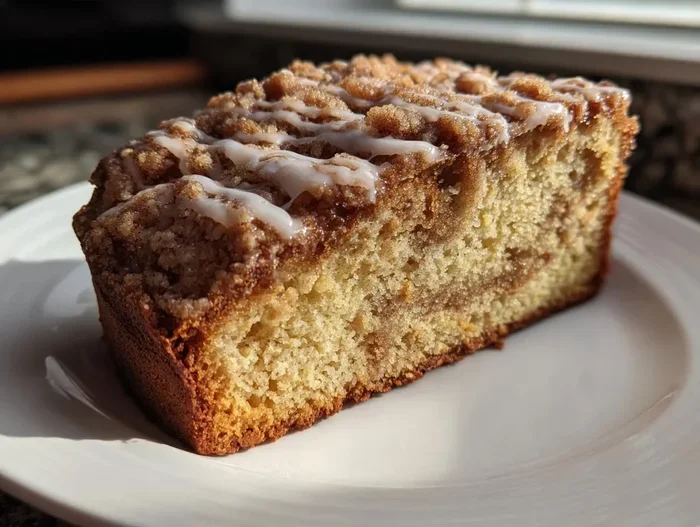
Pour the batter into your prepared pan. For the classic crumb topping, mix together a quarter cup of flour, a quarter cup of your sweetener substitute, and a tablespoon of cold butter. Use your fingers to create rough, crumbly pieces. Sprinkle this evenly over the batter.
Step Seven: Bake and Cool
Bake for 35 to 45 minutes. The cake is done when a toothpick inserted into the center comes out clean. The top should be golden brown and firm to a light touch.
Let the cake cool in the pan for ten minutes, then transfer it to a wire rack. Allow it to cool completely before slicing. This resting period lets the crumb set and makes for cleaner, more attractive slices.
Tips for the Perfect Coffee Cake
Baking a great coffee cake is about more than just following a recipe. Small details make a big difference in the final result. Here are some tried-and-true tips from experienced bakers.
Use Room Temperature Ingredients
Cold eggs and milk do not blend as smoothly. Take them out of the fridge about thirty minutes before you start. Room temperature ingredients create a smoother batter and more even baking. This is one of the simplest yet most overlooked tips in baking.
Do Not Overmix the Batter
Once the dry and wet ingredients come together, mix just until combined. Overmixing develops gluten in the flour, which turns a tender cake into something dense and chewy. Stir gently with a spatula or use the lowest mixer speed.
Check Your Baking Powder Freshness
Old baking powder loses its potency over time. Test it by dropping half a teaspoon into hot water. If it bubbles vigorously, it is still good. If not, replace it. Fresh leavening agents are essential for a light, fluffy homemade coffee cake.
Adjust Sweetness to Your Taste
Since you are using a substitute for brown sugar, taste the batter before pouring it in. Natural sweeteners like honey and maple syrup can be sweeter than brown sugar. Adjust the amount to match your preference. You can always add a little more, but you cannot take it away.
Let the Cake Rest Before Serving
Patience is key. A coffee cake tastes better after it has cooled for at least twenty minutes. The flavors meld together, and the texture firms up. If you can wait an hour, even better.
Delicious Variations to Try
Once you master the basic recipe, you can get creative. Variations are what make baking fun and personal. Here are some ideas to elevate your coffee cake without brown sugar.
Apple Cinnamon Coffee Cake
Fold half a cup of diced apples into the batter. Sprinkle extra cinnamon on top before baking. Add a handful of chopped walnuts to the crumb topping for a satisfying crunch. This variation is perfect for fall and winter mornings.
Blueberry Lemon Coffee Cake
Toss one cup of fresh blueberries into the batter gently. Add two teaspoons of lemon zest to the wet mixture for a bright, zesty kick. A simple lemon glaze drizzled on top after baking takes this version to the next level.
Chocolate Chip Coffee Cake
Stir in one cup of chocolate chips after mixing the batter. Use semi-sweet chips for the best balance of sweetness and richness. This version works wonderfully as a dessert or an afternoon treat.
Nutty Toasted Almond Coffee Cake
Add half a cup of sliced almonds to the crumb topping. Toast them lightly in a dry pan before sprinkling for extra flavor and crunch. A drizzle of almond extract in the batter complements the nuts beautifully.
Storing and Serving Your Coffee Cake
A freshly baked coffee cake is hard to resist, but leftovers deserve proper care too. Here is how to store your cake so it stays delicious for days.
Room Temperature Storage
Wrap the cake tightly in plastic wrap or store it in an airtight container at room temperature. It will stay fresh for up to three days. The crumb topping retains its texture best this way.
Refrigerator Storage
For longer storage, wrap the cake and place it in the refrigerator. It will keep for up to five days. Bring slices to room temperature before serving for the best flavor and texture.
Freezing Your Coffee Cake
You can freeze a whole cake or individual slices. Wrap tightly in plastic wrap, then add a layer of aluminum foil. Frozen cake stays good for up to three months. Thaw overnight in the refrigerator or at room temperature for a few hours.
Reheating Tips
If you want to reheat a slice, wrap it lightly in foil and warm it in the oven at 300 degrees for about ten minutes. Avoid the microwave, which can make the cake rubbery. For a quick refresh, you can also use a toaster oven on a low setting.
If you are looking for more oven-based sweet treats, check out this guide on how to reheat funnel cake in the oven for additional warming techniques that work well with cake-based desserts.
Conclusion
Baking a coffee cake without brown sugar is entirely achievable and incredibly rewarding. With the right substitutes and a little confidence, you can create a moist, flavorful cake that rivals any traditional recipe. Whether you choose honey, maple syrup, coconut sugar, or the classic white sugar and molasses combo, each option brings something wonderful to the table.
This homemade coffee cake is perfect for breakfast, brunch, or an afternoon pick-me-up with your morning coffee. The recipe is forgiving, versatile, and easy to customize. You can bake it as-is or experiment with fruits, nuts, and spices to make it your own.
So the next time you find yourself without brown sugar, do not panic. Grab your mixing bowl, pick your favorite substitute, and get baking. Your kitchen is about to smell incredible, and your taste buds are in for a real treat.
Frequently Asked Questions
Can I use white sugar instead of brown sugar in coffee cake?
Yes, you can. White sugar will work but may result in a slightly drier cake. To compensate, add an extra tablespoon of butter or an extra egg yolk to maintain moisture. The flavor will be lighter and less caramel-like compared to the traditional version.
What is the best substitute for brown sugar in baking?
Coconut sugar is the closest match in terms of flavor and texture. It has a similar caramel-like taste and granulated consistency. If you want a liquid substitute, honey and maple syrup work wonderfully but require reducing other liquids in the recipe slightly.
How do I make my coffee cake moist without brown sugar?
Use sour cream or yogurt in the batter, as they add significant moisture. Also, do not overbake. Pull the cake out when a toothpick comes out with just a few moist crumbs. Adding an extra egg yolk can also help keep the crumb tender and soft.
Can I make this coffee cake recipe gluten-free?
Absolutely. Swap the all-purpose flour for a 1-to-1 gluten-free baking flour blend. Make sure your baking powder and other ingredients are also gluten-free. The cake may be slightly denser, but the flavor will still be excellent.
How long does coffee cake without brown sugar last?
At room temperature in an airtight container, it lasts up to three days. In the refrigerator, it stays fresh for five days. Frozen cake, properly wrapped, keeps well for up to three months. Always bring refrigerated or frozen slices to room temperature before serving for the best taste.
Can I add coffee to this coffee cake recipe?
Yes, you can. Add one tablespoon of instant coffee granules to the wet ingredients. It enhances the coffee flavor without making the cake taste like coffee. Just make sure the coffee is fully dissolved before mixing it into the batter. For more coffee-inspired recipes, check out this guide on how to make coffee in the microwave oven for additional caffeine-powered ideas.