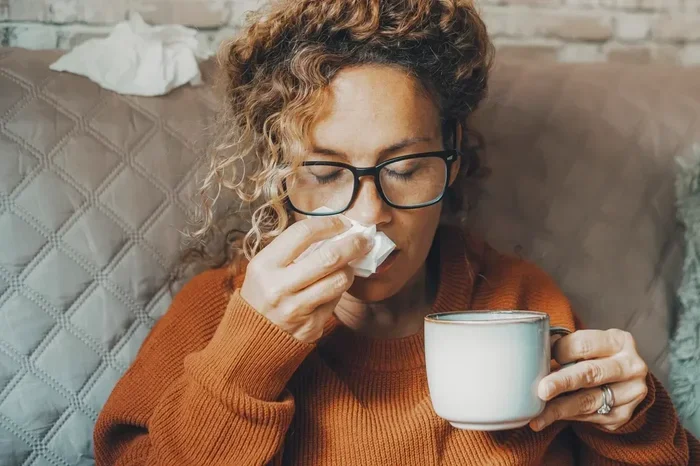
Drinking Coffee When Sick Is It Good or Bad for Recovery
Drinking coffee when sick can be both helpful and harmful depending on your symptoms and how much you consume. Coffee when sick may boost alertness and offer antioxidant benefits, but it can also cause dehydration and worsen certain symptoms. This guide covers everything you need to know about drinking coffee while ill so you can make the best choice for your recovery.
Have you ever woken up feeling terrible and reached for your morning cup of coffee even though you are under the weather? We have all been there. The aroma of fresh brew can feel like a small comfort when your body is fighting off a cold or the flu. But is it actually helping you recover, or could it be making things worse?
Drinking coffee when sick is a topic that comes up more often than you might think. People love their morning ritual, and giving it up feels like a sacrifice even when they are not feeling well. The truth is that coffee and illness have a complicated relationship. It is not simply good or bad. It depends on many factors, including your symptoms, how much you drink, and what else you put in your cup.
In this article, we will explore the full picture of coffee when sick. You will learn about the benefits, the risks, and the best practices for enjoying your favorite beverage without slowing down your recovery. Whether you are dealing with a common cold, a stubborn cough, or a full-blown flu, this guide has you covered.
Key Takeaways
- Moderate coffee intake can provide comfort and mild symptom relief when you are sick.
- Excessive caffeine may lead to dehydration, which slows down recovery.
- Coffee and cold symptoms can interact in unexpected ways, especially with sore throats and stomach issues.
- Timing and quantity matter a lot when deciding whether to drink coffee while ill.
- Alternatives like herbal teas can offer similar warmth without the downsides of caffeine.
- Always consult a doctor if your symptoms persist or worsen after consuming coffee.
📑 Table of Contents
- Can You Drink Coffee When Sick?
- How Coffee Affects Different Types of Illness
- Best Practices for Drinking Coffee While Sick
- When Should You Avoid Coffee Entirely?
- Alternatives to Coffee When You Are Sick
- Expert Insights on Coffee and Recovery
- Quick Tips for Coffee Lovers Who Get Sick Often
- Common Mistakes People Make With Coffee When Sick
- Conclusion
Can You Drink Coffee When Sick?
The short answer is yes, you can drink coffee when you are sick in most cases. However, moderation is key. A single cup of coffee during illness is unlikely to cause serious harm for most healthy adults. But drinking multiple cups throughout the day can lead to problems that may delay your healing process.
Your body needs rest and fluids to fight off an infection. Coffee is a mild diuretic, which means it can push water out of your system faster than usual. This is where the concern begins. If you are already losing fluids through fever, sweating, or a runny nose, adding a diuretic into the mix might not be the best idea.
The Role of Caffeine When You Are Ill
Caffeine is a central nervous system stimulant. It helps you feel more awake and focused. When you are sick and feeling groggy, that boost can seem like a lifesaver. Coffee and energy when sick are closely linked in many people’s minds. But that energy boost comes with a trade-off.
Caffeine can also increase your heart rate slightly and stimulate your stomach. If you are already nauseous or dealing with stomach issues, coffee might make those symptoms feel worse. The acidity in coffee can irritate your stomach lining, especially when your body is already under stress from fighting an illness.
Benefits of Drinking Coffee While Sick
Believe it or not, there are some genuine benefits to drinking coffee while ill. Let us look at them more closely.
- Antioxidant boost: Coffee is rich in antioxidants, which support your immune system. These compounds help fight free radicals in your body, giving your natural defenses a small but meaningful advantage.
- Mental alertness: When you are sick, brain fog is real. A cup of coffee can sharpen your focus and help you stay functional during the day.
- Warm comfort: There is something deeply soothing about holding a warm mug of coffee. The warmth can help ease congestion temporarily and provide a sense of comfort that purely functional drinks cannot match.
- Pain relief synergy: Some over-the-counter pain relievers contain caffeine. A small amount of coffee may enhance the effectiveness of certain medications, though you should always check with your doctor about this.
- Mood improvement: Being sick can be emotionally draining. Coffee stimulates dopamine production, which can lift your spirits and make the recovery period a bit more bearable.
Risks of Drinking Coffee While Sick
Now let us look at the other side of the coin. Coffee and cold symptoms can clash in ways that are not always obvious.
- Dehydration: This is the biggest risk. Coffee pulls water from your body, and when you are already losing fluids through illness, dehydration can set in quickly. Dehydration worsens fatigue, headaches, and dizziness.
- Disrupted sleep: Sleep is your body’s best tool for healing. Caffeine can interfere with deep sleep, which means your recovery takes longer. Even if you drink coffee in the morning, it can still affect your sleep quality hours later.
- Stomach irritation: The acids in coffee can cause heartburn, acid reflux, and general stomach discomfort. These issues are already more likely when you are sick, so coffee can compound the problem.
- Increased heart rate: When your body is fighting an infection, your heart is already working harder. Adding caffeine to the mix can place extra strain on your cardiovascular system.
- Interference with medications: Some cold medicines and antibiotics interact with caffeine. This can cause jitteriness, increased side effects, or reduced effectiveness of the medication.
How Coffee Affects Different Types of Illness
Not all illnesses are the same, and drinking coffee when sick affects different conditions in different ways. Let us break this down by common sickness types.
Coffee and the Common Cold
The common cold comes with congestion, a runny nose, and general fatigue. A single cup of coffee for cold recovery is generally fine. The warmth of the coffee can even help loosen mucus temporarily. However, drinking too much coffee when you have a cold can dry out your nasal passages, making congestion worse over time.
Also, if you are taking any cold medications, check the labels. Many contain ingredients that do not mix well with caffeine. The combination can cause jitters, elevated blood pressure, and difficulty sleeping.
Coffee and the Flu
The flu is more severe than a common cold. It often brings fever, body aches, and extreme fatigue. During a flu episode, your body desperately needs hydration. Coffee and flu recovery do not always go hand in hand because of the dehydration risk.
If you want to drink coffee while recovering from the flu, keep these tips in mind:
- Limit yourself to one small cup per day.
- Drink an extra glass of water for every cup of coffee you consume.
- Avoid drinking coffee on an empty stomach, as this can worsen nausea.
- Skip coffee in the afternoon or evening to protect your sleep quality.
Coffee and a Sore Throat
A sore throat makes swallowing painful, and the thought of drinking anything hot might not appeal to you. But if you are craving coffee with a sore throat, there are a few things to keep in mind. Hot coffee can actually soothe a sore throat temporarily by increasing blood flow to the area. However, coffee is acidic, and acid can irritate an already inflamed throat.
Adding a splash of milk or a touch of honey can help neutralize some of the acidity. Just be mindful that dairy can thicken mucus for some people, which might make congestion worse.
Coffee and Stomach Illness
If you are dealing with a stomach bug or food poisoning, coffee is probably not your friend right now. The acidity can irritate your already sensitive digestive tract. Caffeine can also speed up bowel movements, which is the last thing you need when your stomach is already in turmoil.
In cases of vomiting or diarrhea, dehydration is a serious concern. Coffee can make this worse significantly. Stick to clear fluids like water, broth, or electrolyte drinks until your stomach settles down.
Best Practices for Drinking Coffee While Sick
If you decide that drinking coffee while ill is worth it for you, here are some best practices to follow. These tips will help you enjoy your coffee without sabotaging your recovery.
Stick to One Cup
The golden rule of coffee when you are sick is to keep it to one small cup. This gives you the comfort and alertness boost without overloading your system with caffeine. One cup is enough to get the benefits without the downsides of excessive dehydration or sleep disruption.
Pair It with Plenty of Water
For every cup of coffee you drink, aim to drink at least one full glass of water. This simple habit helps counteract the diuretic effect of caffeine. Staying hydrated is absolutely critical when you are sick, and balancing coffee with water is the easiest way to do it.
Choose the Right Time of Day
Drink your coffee in the morning or early afternoon. Avoid it after 2 PM, as caffeine can stay in your system for six to eight hours. Poor sleep will only delay your recovery, and you need every hour of quality rest you can get.
Go Easy on Additives
When you are sick, your body does not need extra sugar or heavy cream. Keep your coffee simple. A small amount of honey can soothe a sore throat and add natural sweetness. A splash of oat milk is gentler on the stomach than whole dairy.
Listen to Your Body
This is perhaps the most important advice of all. If your body is telling you that coffee is making you feel worse, stop drinking it. Everyone responds differently to caffeine when they are sick. What works for one person might not work for another. Pay attention to how you feel after each cup and adjust accordingly.
When Should You Avoid Coffee Entirely?
There are certain situations where you should skip the coffee altogether. Knowing when to put the mug down is just as important as knowing when it is okay to sip.
High Fever
If you have a fever above 101 degrees Fahrenheit, avoid coffee. Fever already puts a strain on your body and increases fluid loss. Adding caffeine into the mix can push you closer to dehydration. At this point, water, herbal teas, and clear broths are much better choices.
Severe Nausea or Vomiting
Coffee can trigger or worsen nausea, especially on an empty stomach. If you are actively vomiting or feel like you might, do not reach for coffee. Your stomach needs a break, and coffee will only add more acid to the mix.
Medication Interactions
Some medications interact badly with caffeine. Antibiotics like ciprofloxacin, antidepressants, and certain asthma medications can have amplified side effects when combined with coffee. Always read the medication label or ask your pharmacist if you are unsure.
Heart Conditions
If you have any heart-related issues, caffeine can be risky even when you are healthy. When you are sick, your cardiovascular system is already under extra strain. Skip the coffee and opt for caffeine-free alternatives instead.
Alternatives to Coffee When You Are Sick
If you decide that coffee is not the right choice for you while you are recovering, there are plenty of alternatives that can still give you comfort and warmth.
Herbal Teas
Herbal teas like chamomile, ginger, and peppermint are excellent substitutes. They provide warmth without caffeine, and many have natural healing properties. Ginger tea, for example, can soothe nausea and reduce inflammation. Chamomile promotes relaxation and better sleep, which is exactly what your body needs when fighting off illness.
Warm Lemon Water
Warm water with lemon is a simple but powerful alternative. It hydrates you, provides vitamin C, and can soothe a sore throat. It is gentle on the stomach and does not carry any of the dehydrating effects of coffee.
Broth-Based Soups
Warm broth is one of the best things you can consume when you are sick. It hydrates, provides electrolytes, and delivers nutrients that support your immune system. Chicken soup in particular has been shown to have mild anti-inflammatory properties that can ease cold symptoms.
Decaf Coffee
If you truly miss the taste and ritual of coffee, decaf is a great middle ground. You get the warm comfort and flavor without the caffeine. It is a smart way to satisfy your craving while still supporting your recovery.
Expert Insights on Coffee and Recovery
Nutritionists and doctors generally agree that moderate coffee consumption when sick is acceptable for most people. The key word is moderate. Dr. Sarah Chen, a family medicine physician, often advises her patients to stick to one small cup if they cannot give up their morning coffee entirely. She emphasizes that hydration should always come first.
Registered dietitian Mark Rivera adds that coffee can play a small role in maintaining normalcy during illness. He notes that keeping some of your daily routines intact, like enjoying a morning beverage, can have psychological benefits that support overall recovery.
However, both experts warn against using coffee as a substitute for proper hydration. When you are sick, water, electrolyte drinks, and clear broths should be your primary fluids. Coffee can be a supplement, not a replacement.
Some people also ask about making warm beverages quickly when they are too tired to do much. How to make coffee in microwave oven can be a quick and easy solution for those days when even brewing a pot feels like too much effort. A simple microwave method lets you enjoy a warm cup without standing over a stove or coffee maker.
Quick Tips for Coffee Lovers Who Get Sick Often
If you are someone who relies on coffee daily and gets sick frequently, these quick tips will help you navigate the balance between your coffee habit and your health.
- Keep a thermos of water next to your coffee mug to remind yourself to hydrate.
- Switch to half-caf or decaf during the worst days of your illness.
- Add turmeric or cinnamon to your coffee for extra anti-inflammatory benefits.
- Set a daily caffeine limit of 100 mg or less when you are sick, which is roughly one small cup.
- Avoid iced coffee when sick, as the cold temperature can aggravate throat irritation and congestion.
- Eat a small meal before drinking coffee to protect your stomach lining.
Common Mistakes People Make With Coffee When Sick
There are several mistakes that people make regularly when they try to drink coffee while ill. Avoiding these pitfalls can make a big difference in how quickly you recover.
- Drinking coffee instead of water: This is the most common mistake. Coffee should supplement your fluid intake, not replace it.
- Ignoring medication labels: Many people do not check whether their medications interact with caffeine. This can lead to unpleasant side effects or reduced treatment effectiveness.
- Drinking coffee on an empty stomach: When you are sick, your stomach is already sensitive. Coffee without food can cause nausea and acid reflux.
- Drinking coffee late in the day: This is a mistake even when you are healthy, but it is especially harmful when you are sick because your body needs extra sleep to heal.
- Assuming more coffee equals more energy: More caffeine does not mean more healing. In fact, too much can leave you more exhausted once the effects wear off.
Another thing to keep in mind is that not all coffee preparations are equal. A sugary frappuccino or a flavored latte loaded with syrup can actually suppress your immune system temporarily due to the high sugar content. Stick to simple, black coffee or coffee with minimal additions when you are fighting off an illness.
If you are looking for a quick pick-me-up on a day when you are not feeling well but still want to enjoy your favorite beverage, knowing how to make coffee in microwave oven can be a real game-changer. It saves time and energy, which are both in short supply when you are under the weather.
Conclusion
Drinking coffee when sick is not inherently good or bad. It is all about balance, timing, and how your body responds. A single cup of coffee can offer comfort, antioxidants, and a much-needed mental boost during a tough day of illness. But overdoing it can lead to dehydration, poor sleep, and stomach issues that slow your recovery.
The best approach is to listen to your body, stay hydrated with plenty of water, and treat coffee as a small part of your recovery plan rather than the centerpiece. If your symptoms are severe or persist for more than a few days, please consult a healthcare professional before relying on any caffeinated beverages.
Remember that rest, proper nutrition, and adequate hydration are the real foundations of recovery. Coffee can complement those efforts, but it cannot replace them. Enjoy your cup wisely, and give your body the time and care it needs to heal.
Frequently Asked Questions
Is it okay to drink coffee when you have a cold?
Yes, it is generally okay to drink a small amount of coffee when you have a cold. One cup in the morning can help with alertness and comfort. Just make sure you drink extra water alongside it to stay hydrated.
Can coffee make a fever worse?
Coffee does not directly cause a fever to rise, but it can contribute to dehydration, which may make you feel worse. When you have a fever, your body loses fluids quickly, and caffeine can accelerate that loss. Stick to water and broth during high fevers.
Should I avoid coffee if I have a stomach bug?
Yes, it is best to avoid coffee when you have a stomach bug. The acidity and caffeine can irritate your digestive system and worsen nausea and diarrhea. Focus on clear fluids and electrolyte drinks until your stomach settles.
How much coffee is safe to drink when sick?
One small cup (about 8 ounces) per day is generally safe for most people when they are sick. This amount provides the benefits of coffee without the risks of excessive dehydration or sleep disruption.
Can I drink coffee with cold medicine?
It depends on the medication. Some cold medicines contain stimulants that interact with caffeine. Others may cause drowsiness, and coffee can counteract that effect. Always read the label or ask your pharmacist before combining coffee with any medication.
What is the best time of day to drink coffee when sick?
The best time is in the morning or early afternoon. Avoid coffee after 2 PM so it does not interfere with your sleep. Quality sleep is essential for recovery, and caffeine can reduce the quality of the rest you get.