How To Brew Ground Coffee Without A Machine At Home
Brewing ground coffee without a machine is easier than you think. This guide walks you through how to brew ground coffee without a machine using simple methods like stovetop brewing, pour over, and cold brew. You will learn everything from choosing the right coffee grounds to mastering water temperature for a perfect cup at home.
There is something deeply satisfying about making a cup of coffee from scratch. Whether you are at home, camping, or traveling, knowing how to brew ground coffee without a machine gives you freedom and flexibility. You do not need expensive equipment or years of experience. With just a few simple tools and some basic know-how, you can enjoy a delicious cup of coffee anytime.
This guide covers everything you need to know about how to brew ground coffee without a machine. We will explore multiple ground coffee brewing methods, share practical tips, and help you avoid common mistakes. By the time you finish reading, you will feel confident enough to brew your own coffee like a pro. Let us dive in and discover the wonderful world of manual coffee brewing.
Manual brewing has a rich history that stretches back centuries. People around the world developed creative ways to make coffee long before electric machines existed. From Turkish coffee pots to Scandinavian drip methods, these traditions shaped how we enjoy coffee today. The best part is that you do not need any fancy gear to carry on these traditions. Coffee without an espresso machine is not only possible, it can be absolutely delicious.
Key Takeaways
- Multiple Methods Available: You can brew great coffee without a machine using stovetop, pour over, cold brew, and microwave techniques.
- Minimal Equipment Needed: All you need is hot water, ground coffee, and a simple filter or cloth to get started.
- Water Temperature Matters: The ideal range is 195-205°F for optimal coffee extraction and flavor.
- Fresh Grounds Make A Difference: Using quality coffee grounds and grinding them fresh improves taste significantly.
- Cold Brew Is A Great Alternative: It produces smooth, less acidic coffee and requires no heat at all.
- Practice Makes Perfect: Adjusting ratios and brewing times helps you find your ideal cup every time.
📑 Table of Contents
Why Brew Ground Coffee Without A Machine
You might wonder why anyone would want to brew coffee without a machine. The truth is, there are many great reasons. Manual brewing methods have been around for centuries. People made great coffee long before electric machines existed. Today, these methods are making a big comeback among home brewers and coffee enthusiasts alike.
The Beauty Of Simple Coffee Brewing
Simple methods often produce the best results. When you brew coffee by hand, you control every step. You decide the water temperature, the steeping time, and the coffee-to-water ratio. This level of control leads to a more personalized cup. Many coffee lovers say manual brewing brings out deeper, richer flavors that machines sometimes miss.
Another big advantage is cost. Machines can be expensive. A basic pour over setup or a stovetop pot costs a fraction of what an espresso machine does. Plus, there are no parts to break or maintain. This makes affordable coffee brewing a reality for everyone. You also avoid the hassle of cleaning complex machine parts. A simple pot or filter is easy to rinse and store.
When You Need Coffee Without Electricity
Sometimes you find yourself in a situation with no power. Maybe you are camping in the woods. Perhaps there is a power outage at home. Or you might be traveling in a place with unreliable electricity. In these moments, knowing coffee without electricity methods is a lifesaver.
Methods like stovetop brewing and cold brewing work without any electrical outlet. You only need hot water (which you can boil on a campfire or gas stove) and your favorite coffee grounds. This is why camping coffee enthusiasts love manual brewing so much. A hot cup of rustic coffee making in the wilderness is one of life’s simple pleasures.
Top Methods To Brew Ground Coffee Without A Machine
Now let us get into the fun part. There are several effective ways to brew ground coffee without a machine. Each method has its own charm and flavor profile. Here are the best ground coffee brewing methods you can try at home today.
Method 1: Stovetop Brewing
Stovetop brewing is one of the oldest and most reliable methods. You can use a simple pot or pan on your stove. This method works beautifully on gas stoves, electric stoves, and even camp stoves. It is the ultimate coffee without electricity backup when you have a flame source available.
Here is how to do it. Start by adding cold water to a small pot. Use about two tablespoons of coffee grounds per six ounces of water. Bring the water to a gentle boil. Once it starts bubbling, remove the pot from the heat. Let it sit for about four minutes. The grounds will settle to the bottom. Pour carefully into your cup, leaving the sediment behind.
This method produces a strong, full-bodied cup. It is similar to rustic coffee making traditions from around the world. Many people who love stovetop coffee swear by this simple approach. In countries like Turkey, Greece, and Bosnia, this style of brewing has been perfected over generations. You can experiment with adding spices like cinnamon or cardamom for a unique twist.
Method 2: Pour Over Coffee
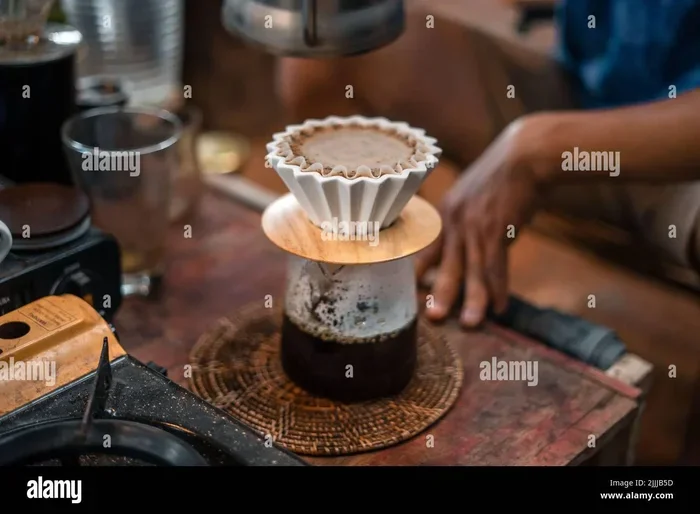
Pour over brewing is a favorite among coffee enthusiasts. It gives you excellent control over the brewing process. All you need is a filter, a pour over cone, and hot water. This is widely considered one of the best ways to brew ground coffee for clean, bright flavor.
Place a paper or cloth filter in your pour over cone. Set it over your mug or carafe. Add your ground coffee to the filter. A good ratio is about two tablespoons per six ounces of water. Heat your water to between 195 and 205 degrees Fahrenheit. Slowly pour the water over the grounds in a circular motion. Let it drip through. The result is a clean, bright cup of filter coffee at home.
Pour over coffee highlights the subtle flavors in your beans. It is perfect for lighter roasts and single-origin coffees. If you want to try a simple version without special equipment, you can even use a folded paper towel as a filter. Just place it in a small strainer and brew as normal. The key is to pour slowly and evenly for the best results.
Method 3: The French Press Alternative
While a French press is technically a machine, you can achieve similar results without one. This method is sometimes called immersion brewing. You steep the coffee grounds directly in hot water and then strain them out. It is one of the easiest manual coffee brewing techniques to master.
To try this at home, place your coffee grounds in a heat-safe jar or mug. Pour hot water over them. Stir gently and let it steep for about four minutes. Then strain the liquid through a fine mesh sieve, cheesecloth, or even a clean cotton cloth. The result is a rich, full-bodied cup that tastes remarkably similar to French press coffee.
This is a great option for those who want a French press alternative without buying extra equipment. It works well for medium and dark roasts. The longer steeping time extracts more oils and flavors from the grounds. You get a bold, satisfying cup with minimal effort. This method is also perfect for making larger batches for guests.
Method 4: Microwave Coffee Brewing
If you want the fastest option, try brewing coffee in the microwave. It is quick, easy, and requires very little cleanup. How to make coffee in microwave oven is a popular search, and for good reason. This method is perfect for busy mornings when you do not have time to wait for a stovetop.
Here is the simple process. Place your coffee grounds in a microwave-safe mug. Add cold water. Microwave the mug for about two to three minutes. The water will heat up and begin to brew the coffee as it warms. Let it sit for a minute or two so the grounds settle. Then carefully pour into another mug, leaving the sediment behind.
Some people prefer to heat the water separately and then pour it over the grounds in a different mug. This gives you more control over the brewing temperature. Either way, microwave brewing is a convenient option for those who want strong coffee without a machine in minutes. It is not the most flavorful method, but it gets the job done when you are short on time.
Method 5: Cold Brew Coffee
Cold brew is a fantastic option, especially during warm weather. It produces a smooth, less acidic cup of coffee. Best of all, it requires no heat at all. This makes it one of the most accessible forms of coffee without electricity if you have a refrigerator.
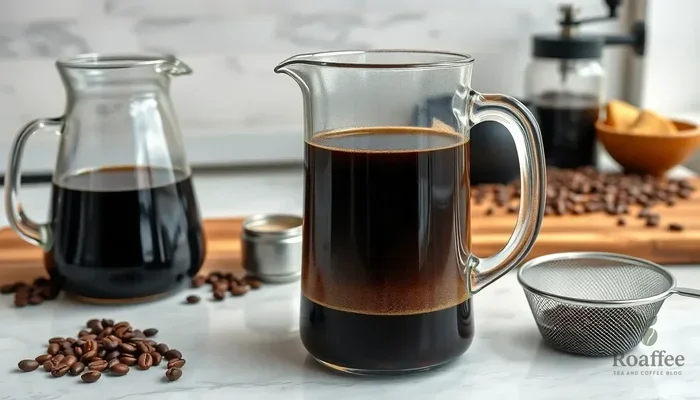
To make cold brew, add your coffee grounds to a jar or pitcher. Pour cold or room temperature water over them. Stir gently to make sure all the grounds are wet. Cover the jar and place it in the refrigerator. Let it steep for 12 to 24 hours. After steeping, strain the mixture through a fine mesh sieve or cheesecloth.
The result is a concentrated coffee that you can dilute with water or milk. Cold brew is naturally sweet and very smooth. It is one of the best manual coffee brewing methods for people who prefer a milder taste. You can also make a large batch and store it in the fridge for up to a week. This makes cold brew coffee a convenient option for busy mornings throughout the week.
Step By Step Guide To The Best Method
Now that you know the different methods, let us walk through the best all-around approach. The pour over method is widely considered the best balance of simplicity and quality. Here is a detailed step-by-step guide for how to brew ground coffee without a machine using this technique.
Preparing Your Coffee Grounds
Start with fresh coffee grounds if possible. Grinding your beans just before brewing makes a huge difference in flavor. If you do not have a grinder, buy pre-ground coffee from a local roaster. Look for a medium grind size, which works well for most manual methods.
Measure your grounds carefully. A good starting point is two tablespoons of coffee per six ounces of water. You can adjust this ratio based on your taste preferences. If you like stronger coffee, add more grounds. If you prefer a lighter cup, use less. Using the right amount of coffee grounds is the foundation of a great brew.
Getting The Water Right
Water temperature is crucial for good coffee extraction. The ideal range is 195 to 205 degrees Fahrenheit. Water that is too hot will over-extract the coffee and make it bitter. Water that is too cool will under-extract and leave your coffee tasting weak and sour. Getting this right is the water temperature for coffee secret that separates good brews from great ones.
If you do not have a thermometer, bring your water to a boil and then let it sit for about 30 seconds. This brings it into the sweet spot. Always use clean, filtered water if possible. The quality of your water directly affects the taste of your coffee. Hard water with heavy minerals can alter the flavor profile of your brew.
The Brewing Process
Place your filter in the pour over cone and rinse it with hot water. This removes any paper taste and preheats your equipment. Discard the rinse water and add your measured coffee grounds to the filter.
Start pouring the hot water slowly over the grounds. Begin with a small amount and let the coffee “bloom” for about 30 seconds. The bloom is when the grounds release carbon dioxide and start to expand. This step ensures even extraction and brings out the best flavors. After the bloom, continue pouring the remaining water in a slow, steady stream. Keep the water level consistent. The entire brewing process should take about three to four minutes. Once all the water has dripped through, remove the filter and enjoy your freshly brewed cup.
Tips For Perfect Coffee Every Time
Even with simple methods, a few tips can elevate your coffee from good to great. Here are some expert coffee brewing tips to keep in mind as you practice your technique.
Water Temperature Matters
We mentioned this before, but it deserves extra emphasis. Getting the water temperature right is the single most important factor in brewing great coffee. Too hot and you get bitterness. Too cool and you get sourness. Aim for that 195 to 205 degree range every time for the best results.
If you are boiling water on a stovetop, watch it carefully. Once the water reaches a rolling boil, take it off the heat. Let it cool for about 30 to 45 seconds before pouring it over your coffee grounds. This small wait makes a noticeable difference in flavor. Patience here pays off with a smoother, more balanced cup.
Grind Size And Extraction
The size of your coffee grounds affects how quickly they extract flavor. Coarse grounds brew faster and produce a lighter cup. Fine grounds extract more slowly and create a stronger, more intense flavor. Understanding this relationship is key to mastering coffee extraction at home.
For stovetop brewing, use a medium to coarse grind. For pour over, a medium grind works best. For cold brew, go with a coarse grind since the steeping time is so long. Using the wrong grind size can lead to over-extraction or under-extraction, both of which ruin the taste of your coffee. Invest in a simple hand grinder if you want to take your homemade coffee to the next level.
Common Mistakes To Avoid
Even experienced home brewers make mistakes sometimes. Here are a few to watch out for. First, do not use boiling water directly on your grounds. It is too hot and will create a bitter, harsh cup. Second, do not rush the steeping process. Good coffee takes time. Third, do not reuse coffee grounds. The flavor is already extracted after the first brew, so reusing them gives you weak, watery coffee.
Another common mistake is using too much or too little water. Always measure carefully. A kitchen scale is a great investment for anyone serious about homemade coffee. Finally, do not ignore the freshness of your beans. Old, stale grounds produce flat, lifeless coffee. Store your beans in an airtight container away from light and heat. Fresh coffee grounds make all the difference.
Comparison Of Brewing Methods
Not sure which method is right for you? Here is a quick comparison to help you decide. Each method has its own strengths and ideal use cases. Use this table to find the best fit for your lifestyle.
| Method | Brew Time | Difficulty | Best For | Equipment Needed |
|---|---|---|---|---|
| Stovetop Brewing | 10 minutes | Easy | Strong, full-bodied coffee | Pot or pan |
| Pour Over | 5 minutes | Medium | Clean, bright flavor | Filter cone, filter |
| Immersion (French Press Style) | 4 minutes | Easy | Rich, bold cup | Jar, strainer or cloth |
| Microwave Brewing | 3 minutes | Very Easy | Quick morning coffee | Microwave-safe mug |
| Cold Brew | 12-24 hours | Very Easy | Smooth, low-acid coffee | Jar, strainer or cheesecloth |
As you can see, there is a method for every situation and skill level. If you want the fastest option, go with microwave brewing. If you want the smoothest taste, try cold brew. For the best all-around flavor, pour over is hard to beat. Each method represents a different approach to how to brew ground coffee without a machine, and all of them produce genuinely enjoyable results.
Once you have brewed your perfect cup, you might want to reheat any leftovers later. If so, you can reheat something in the oven gently to warm your coffee without burning it. Just use a low temperature and stir frequently to maintain the flavor.
Pairing Your Homemade Coffee With Food
Great coffee deserves great food. The right pairing can elevate both your coffee and your snack. There are endless possibilities when it comes to coffee and food pairings. The rich flavors of homemade coffee complement a wide range of foods beautifully.
For a classic combination, try pairing a bold stovetop brew with warm, creamy cheese. You can warm up some brie in the oven for a delicious treat that pairs beautifully with your morning coffee. Check out how to warm brie in the oven for easy instructions on melting this delicious cheese to perfection. The warmth of the cheese and the richness of the coffee create a comforting experience.
Other great pairings include fresh pastries, dark chocolate, and fruit. A light pour over coffee goes wonderfully with a buttery croissant. A strong cold brew pairs beautifully with a piece of dark chocolate. The possibilities are endless, and experimenting with pairings is part of the fun of homemade coffee. Try different combinations and find your favorites.
Conclusion
Learning how to brew ground coffee without a machine opens up a world of possibilities. Whether you are at home, camping, or traveling, you can always enjoy a great cup of coffee. The methods we covered are simple, affordable, and produce results that rival any coffee shop. Ground coffee brewing methods like stovetop, pour over, immersion, microwave, and cold brew give you options for every situation.
Start with one method and practice it until you feel comfortable. Then try another method and compare the flavors. Over time, you will develop your own preferences and techniques. The beauty of manual brewing is that there is no single right way. You get to create your perfect cup based on your taste and lifestyle.
Remember to use fresh coffee grounds and pay attention to water temperature. Take your time with the process and enjoy it. Brewing coffee by hand is a ritual that brings calm and joy to your day. So grab some coffee grounds, heat up some water, and start brewing your perfect cup today.
With a little practice, you will be making excellent coffee without ever touching an electric machine. Embrace the simplicity and satisfaction of manual coffee brewing. Your taste buds will thank you. Explore different ground coffee brewing methods and find the one that fits your routine best. The journey to better coffee starts with a single step.
Frequently Asked Questions
Can I use any type of ground coffee for these methods?
Yes, you can use any type of ground coffee for manual brewing methods. However, the grind size matters a lot. Medium grind works best for most methods like pour over and stovetop brewing. Coarse grind is ideal for cold brew and immersion methods. Using the right grind size ensures proper extraction and the best flavor from your coffee grounds.
How do I know if my water temperature is correct without a thermometer?
Bring your water to a boil and then let it rest for about 30 to 45 seconds. This cooling period brings the temperature into the ideal 195 to 205 degree Fahrenheit range. Another trick is to look for small bubbles forming at the bottom of the pot, which indicates the water is hot but not yet at a full rolling boil. This is an essential coffee brewing tip for beginners.
Can I reuse coffee grounds for a second brew?
While it is technically possible to reuse coffee grounds, the second brew will be much weaker and less flavorful. Most of the desirable compounds have already been extracted during the first brew. For the best taste, always use fresh coffee grounds for each new cup of coffee. Reusing grounds is not the best way to brew ground coffee if you want full flavor.
What is the best coffee-to-water ratio for manual brewing?
A good starting ratio is two tablespoons of coffee grounds per six ounces of water. This produces a balanced, medium-strength cup. You can adjust this ratio to suit your taste. If you prefer stronger coffee, add more grounds. If you like it milder, use less coffee or more water. Finding your perfect ratio is part of the joy of manual coffee brewing.
Is cold brew coffee the same as iced coffee?
No, cold brew and iced coffee are different. Iced coffee is regular hot-brewed coffee that has been cooled and served over ice. Cold brew is made by steeping coffee grounds in cold water for 12 to 24 hours. Cold brew is naturally smoother, less acidic, and sweeter than regular iced coffee. It is one of the most popular coffee without electricity methods for people who love a mild, refreshing cup.
Do I need special equipment to brew coffee without a machine?
No, you do not need any special equipment. At minimum, you need a heat source, hot water, coffee grounds, and something to strain the liquid. A simple pot, a mug, a mesh sieve, or even a clean cloth can serve as your brewing and straining tools. The beauty of these ground coffee brewing methods is their simplicity and accessibility for everyone.