What Makes Coffee Taste Good and How to Brew Better
What makes coffee taste good comes down to a few simple things: fresh beans, the right water temperature, proper grind size, and a clean brewing method. When you get these basics right, every cup tastes richer, smoother, and more enjoyable. This guide walks you through each factor and gives you practical steps to brew better coffee at home.
There is nothing quite like a great cup of coffee in the morning. The aroma fills the room. The warmth hits your hands. And the first sip wakes up your senses. But have you ever wondered what makes coffee taste good? Is it the beans? The water? The machine you use? The truth is, great coffee comes down to a combination of simple factors that anyone can master at home.
Whether you drink coffee every day or just a few times a week, understanding the basics of flavor will change the way you brew. You do not need expensive gear or fancy training. You just need the right knowledge and a little patience. In this guide, we will break down everything that affects your cup. From bean selection to water quality, from grind size to brew time, we cover it all. By the end, you will know exactly how to make your coffee taste better starting today.
So grab your favorite mug and let us dive in. This is your complete guide to understanding what makes coffee taste good and how to brew better coffee every single time.
Key Takeaways
- Fresh, quality beans are the foundation: Start with freshly roasted, whole beans for the best flavor.
- Water temperature matters a lot: Aim for 195°F to 205°F for optimal extraction.
- Grind size should match your method: Fine for espresso, medium for drip, coarse for French press.
- Clean your equipment every time: Old oils and residue ruin the taste of your coffee.
- Ratio is key: Use the right coffee-to-water ratio for a balanced cup.
- Experiment and have fun: Small changes in brewing can make a big difference in flavor.
📑 Table of Contents
What Makes Coffee Taste Good: The Core Factors
At its heart, coffee flavor comes from a process called extraction. When hot water meets coffee grounds, it pulls out hundreds of compounds that create the taste, aroma, and body of your drink. Too little extraction and your coffee tastes weak and sour. Too much and it turns bitter and harsh. The sweet spot is where all the good flavors balance out.
The Science Behind Coffee Flavor
Coffee beans contain over a thousand flavor compounds. During brewing, water dissolves these compounds at different rates. Some come out fast, like fruity and acidic notes. Others take longer, like chocolatey and nutty flavors. The goal is to extract the right amount of each compound to create a well-rounded cup.
This is why coffee extraction is so important. It is the process that determines whether your coffee tastes amazing or just okay. When you understand extraction, you understand why small changes in temperature, time, and grind size can completely transform your brew.
Key Factors That Shape Your Cup
Several things work together to determine the final taste of your coffee. Let us look at each one closely.
- Bean quality: Fresh, high-quality beans make a huge difference.
- Roast level: Light, medium, and dark roasts all taste very different.
- Grind size: The size of your grounds affects how fast flavors release.
- Water temperature: Too hot or too cold water ruins extraction.
- Brew time: Longer is not always better. Timing matters.
- Water quality: Clean, filtered water lets the true coffee flavor shine.
- Coffee-to-water ratio: Getting the proportions right is essential for balance.
Each of these factors plays a role. But together, they create the perfect cup of coffee. When you control them all, you are in charge of your brew every time.
The Role of Coffee Beans
Everything starts with the beans. You can have the best machine in the world, but if your beans are old or low quality, your coffee will taste flat. Think of beans as the foundation of your coffee. Without a solid foundation, nothing else matters.
Freshness Matters More Than You Think
Fresh coffee beans taste dramatically better than stale ones. When coffee is roasted, it starts to lose its flavors over time. Within two to four weeks of roasting, the beans begin to go flat. The aromatic oils that give coffee its rich smell start to fade.
To get the best flavor, always buy whole beans and grind them just before brewing. This keeps the coffee freshness locked in. Look for a roast date on the bag, not just an expiration date. The closer to the roast date, the better your coffee will taste.
Roast Level and Origin
Light roast beans preserve more of the original flavors from the region they grew in. You will taste more fruit, floral notes, and acidity. Medium roast beans offer a balanced profile with hints of caramel and nuts. Dark roast beans bring out bold, smoky, and chocolatey flavors.
Where the beans come from also matters a lot. Ethiopian beans often have fruity and wine-like notes. Colombian beans tend to be smooth and nutty. Kenyan beans are bright and complex. When you explore coffee flavor profiles, you start to notice how origin shapes every sip. Try different beans and find the ones that match your taste.
Water Temperature and Quality
Water makes up more than 98 percent of your cup of coffee. So it should come as no surprise that water quality and temperature have a massive impact on taste. Even the best beans cannot shine through if the water is wrong.
Getting the Right Temperature
The ideal water temperature for brewing coffee is between 195°F and 205°F. Water that is too hot will over-extract the grounds, pulling out bitter compounds. Water that is too cold will under-extract, leaving your coffee sour and weak.
If you do not have a thermometer, here is a simple trick. Boil your water and then let it sit for about 30 seconds. This brings it down to the sweet spot. For those who want precision, a gooseneck kettle with temperature control is a great investment.
Understanding how heat affects brewing is similar to how it works in cooking. Just as knowing what does conv bake mean on my oven helps bakers get consistent results, knowing your brewing temperature helps you get consistent coffee flavor every time.
Why Water Quality Matters
Tap water can contain chlorine, minerals, and other impurities that alter the taste of coffee. These flavors mix with your coffee and create off-tastes that are hard to pin down. Filtered water removes these contaminants without stripping away beneficial minerals that help extract flavor.
Use clean, filtered water for the best results. Avoid distilled water, though, because it lacks minerals that help with extraction. A good filter pitcher or a simple under-sink filter makes a big difference in how your coffee tastes.
Brewing Methods That Bring Out Flavor
Different brewing methods bring out different flavors in coffee. Some methods produce a bold, full-bodied cup. Others create a clean, bright, and delicate brew. The method you choose shapes the final taste just as much as the beans do.
Popular Brewing Methods
Here are some of the most common ways to brew coffee at home, along with what makes each one special.
- Drip coffee maker: Easy and consistent. Great for everyday brewing with a medium grind.
- French press: Full-bodied and rich. Uses a coarse grind and four-minute steep time.
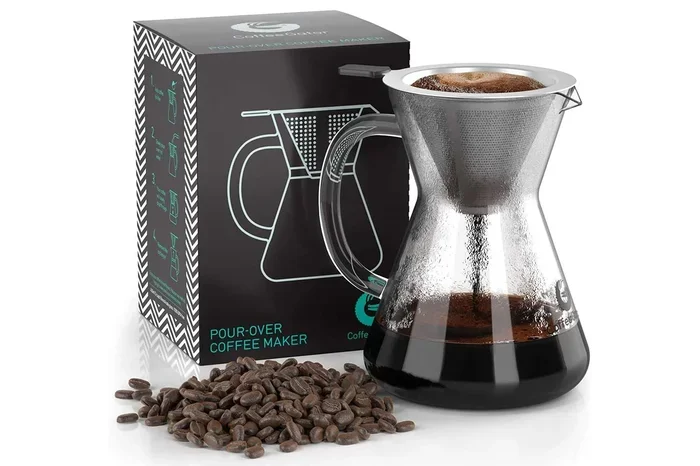
- Pour over: Clean and bright. Gives you control over every part of the process.
- AeroPress: Fast and versatile. Produces a smooth, low-acid cup.
- Espresso machine: Bold and concentrated. Requires a fine grind and precise pressure.
Each method extracts coffee differently. A French press lets more oils through, which gives a heavier body. A pour over filters out more oils, creating a cleaner taste. Try different methods and see which one brings out flavors you love most.
Alternative Methods Worth Trying
If you want to switch things up, there are plenty of other methods to explore. Cold brew makes smooth, low-acid coffee that is perfect for hot days. It takes longer to make but the result is worth it. You can also try how to make coffee in microwave oven for a quick cup when you are short on time. It is not the traditional method, but it works in a pinch and still produces a decent cup.
The point is to keep experimenting. Different methods highlight different flavor notes in the same beans. A light roast Ethiopian bean might taste fruity in a pour over but completely different in a French press. The possibilities are endless.
Common Mistakes That Ruin Coffee Taste
Even experienced coffee drinkers make mistakes that hurt the flavor of their cup. Knowing what to avoid is just as important as knowing what to do right. Here are the most common errors that lead to bad-tasting coffee.
Over-Extraction and Under-Extraction
Over-extraction happens when water pulls too many compounds from the grounds. The result is bitter, harsh, and astringent coffee. Under-extraction is the opposite. Not enough flavor gets pulled out, leaving the coffee sour, thin, and watery.
Both problems come from the same root causes. Grind size that is too fine causes over-extraction. Brew time that is too long also causes over-extraction. On the other hand, grind size that is too coarse or brew time that is too short leads to under-extraction. Fixing these variables is the first step toward a better cup.
Dirty Equipment
Old coffee oils build up inside your brewer, grinder, and mugs over time. These rancid oils create a stale, greasy taste that ruins even the freshest beans. Cleaning your equipment after every use is one of the easiest ways to improve your coffee taste.
Run hot water through your machine after each brew. Wash your French press, pour-over dripper, and grinder parts regularly. A deep clean once a week with warm water and mild soap keeps everything fresh. Think of it like maintaining any kitchen tool. Clean equipment means better flavor every single time.
Using Stale or Pre-Ground Coffee
Pre-ground coffee loses its freshness fast. Once the beans are ground, the flavorful oils start to evaporate within minutes. By the time you brew, much of the aroma and complexity is already gone. Always grind your beans right before brewing for the best results.
If you must buy pre-ground coffee, store it in an airtight container away from light and heat. But even with proper storage, whole beans will always taste better than pre-ground. The difference is noticeable from the very first sip.
Tips to Brew Better Coffee Every Day
Now that you understand what affects coffee flavor, here are practical tips you can use right away to improve your daily brew.
Quick Daily Habits for Better Coffee
- Weigh your beans: Use a kitchen scale for consistency. A good starting ratio is 1:16, which means 1 gram of coffee to 16 grams of water.
- Store beans properly: Keep them in an airtight container at room temperature. Avoid the fridge, as moisture and odors can damage the beans.
- Preheat your brewer: Rinse your brewer with hot water before adding grounds. This keeps the temperature stable during brewing.
- Use fresh water every time: Never reboil water. Freshly drawn water has more oxygen, which helps with extraction and flavor.
- Taste and adjust: After each brew, taste your coffee and note what you like or dislike. Small tweaks lead to big improvements over time.
Experiment and Have Fun
The best coffee drinkers are the ones who experiment. Try changing one variable at a time. Adjust the grind size by one setting. Brew for 30 seconds longer. Use a different ratio. You will be surprised how much difference tiny changes make.
Keep a simple coffee journal. Write down what you used and how the coffee tasted. Over time, you will build a personal recipe that produces your perfect cup every time. There is no single right way to brew coffee. The best method is the one that brings you the most enjoyment.
Understanding what makes coffee taste good is a journey, not a destination. Every new bean, every new method, and every new technique teaches you something. Embrace the process and let your taste buds be your guide.
Final Thoughts on Brewing Better Coffee
What makes coffee taste good comes down to a few simple principles done right. Start with fresh, quality beans. Use clean, filtered water at the right temperature. Grind your beans just before brewing. Choose a method that suits your taste. And keep your equipment clean.
These basics are easy to follow, and the results are immediate. You will taste the difference in your very next cup. Great coffee does not have to be complicated. It just takes a little knowledge and a little care.
So the next time you brew a cup, think about what you are doing and why. Every step matters. Every choice shapes the flavor. And every cup is a chance to make something better than the last. Now go brew yourself a great cup of coffee and enjoy every sip.
Frequently Asked Questions
What are the most important factors that make coffee taste good?
The most important factors are bean freshness, water temperature, grind size, brew time, and water quality. When you get these five things right, your coffee will taste significantly better. Start with fresh whole beans and clean filtered water for the best results.
How does water temperature affect coffee taste?
Water that is too hot over-extracts the coffee, making it bitter. Water that is too cold under-extracts, making it sour. The sweet spot is between 195°F and 205°F. This range allows for balanced extraction and brings out the best flavors in your beans.
Can I use tap water to brew coffee?
You can, but filtered water is much better. Tap water often contains chlorine and minerals that can alter the taste of your coffee. Filtered water removes these impurities and lets the true coffee flavor come through clearly.
How long do coffee beans stay fresh after roasting?
Coffee beans are at their best within two to four weeks of roasting. After that, they start to lose flavor and aroma quickly. Always look for a roast date on the bag and try to use the beans within that window for the freshest taste.
What is the best coffee-to-water ratio for a balanced cup?
A good starting ratio is 1:16, meaning one gram of coffee to 16 grams of water. You can adjust this based on your taste preferences. If your coffee tastes too weak, add more grounds. If it tastes too strong, add more water.
Why does my coffee taste bitter even when I use good beans?
Bitterness usually comes from over-extraction. This can happen if your grind is too fine, your water is too hot, or your brew time is too long. Try adjusting one of these variables and see if the bitterness improves. Clean equipment also plays a big role in reducing bitter flavors.