How To Descale Melitta Coffee Machine Without Vinegar
Descaling your Melitta coffee machine without vinegar is simple, safe, and effective. You can use citric acid, lemon juice, or baking soda to remove limescale and keep your machine running smoothly. This guide walks you through every step with easy tips and practical advice.
Your Melitta coffee machine works hard every morning to deliver that perfect cup. Over time, hard water minerals build up inside the machine. This buildup, known as limescale, can slow down brewing and affect the taste of your coffee. Many people reach for white vinegar to clean it out. But there is a better way. Descaling your Melitta coffee machine without vinegar is easier, safer, and just as effective. In this guide, you will learn why descaling matters, which natural alternatives work best, and exactly how to do it step by step.
Whether you have a Melitta filter coffee maker or a more advanced model, the descaling process is similar. You do not need fancy chemicals or expensive store-bought products. Simple kitchen items like citric acid, lemon juice, and baking soda can do the job beautifully. Plus, regular maintenance keeps your machine running smoothly for years. Let us dive into the best ways to descale Melitta coffee machine without vinegar and get your brewer back to peak performance.
Key Takeaways
- Vinegar is not the only option: Citric acid, lemon juice, and baking soda work just as well for descaling your Melitta machine.
- Regular descaling extends machine life: Keeping limescale buildup in check prevents clogs and improves coffee taste.
- Natural descalers are gentle and safe: They won’t damage internal parts like harsh chemicals might.
- The process is quick and easy: Most descaling methods take less than 30 minutes with simple household ingredients.
- Prevention is key: Using filtered water and regular cleaning reduces how often you need to descale.
- Your coffee tastes better after descaling: Mineral buildup affects flavor, and removing it restores the true taste of your beans.
📑 Table of Contents
Why You Should Descale Your Melitta Coffee Machine
Descaling is one of the most important maintenance tasks for any coffee machine. When hard water passes through your Melitta brewer, it leaves behind mineral deposits. These deposits build up over weeks and months. This process is called limescale formation. Left unchecked, limescale can cause serious problems.
First, limescale clogs the water pathways inside your machine. This means less water flows through during brewing. Your coffee may come out weaker or take longer to brew. Second, mineral buildup affects the heating element. It has to work harder to heat the water. This increases energy use and can shorten the life of your machine. Third, limescale changes the taste of your coffee. The minerals interact with the water and create a flat, metallic flavor. Nobody wants that in their morning cup.
What Limescale Does to Coffee Taste
The flavor impact of limescale is real and noticeable. When mineral deposits coat the inside of your brewing chamber, they alter the water temperature. They also change how the water interacts with the coffee grounds. The result is a cup that tastes off or bitter. Regular descaling removes these deposits and restores the true flavor profile of your beans. If you notice your coffee tasting different than usual, limescale might be the culprit.
Descaling frequency depends on how often you use your machine and the hardness of your water. As a general rule, you should descale every one to three months. If you live in an area with hard water, you may need to descale more often. The good news is that natural descalers make this task quick and painless.
Best Natural Descaling Alternatives to Vinegar
White vinegar is a popular descaling agent. It contains acetic acid, which dissolves mineral deposits. However, vinegar has a strong smell that can linger in your machine. It can also leave behind a slight taste that affects your coffee. This is why many coffee lovers prefer natural descaling alternatives. These options are effective, gentle, and leave no unpleasant residue.
Citric Acid: The Top Choice for Descaling
Citric acid is the most popular vinegar alternative for descaling coffee machines. It is a natural acid found in citrus fruits. You can buy citric acid powder at most grocery stores or online. It works by dissolving the calcium and magnesium deposits that form limescale. The best part is that it leaves no taste or smell behind.
To use citric acid for descaling, mix one tablespoon of citric acid powder with one liter of warm water. Pour the solution into your Melitta’s water reservoir. Run a full brew cycle without coffee grounds. Then run two more cycles with clean water to rinse the machine thoroughly. Your machine will be descaled and ready to brew great-tasting coffee.
Lemon Juice: A Kitchen Staple Descaler
Lemon juice is another excellent natural descaler. It contains citric acid naturally, so it works in much the same way as pure citric acid powder. The advantage of lemon juice is that you probably already have it in your kitchen. You do not need to buy anything special.
To descale with lemon juice, mix the juice of two lemons with one liter of water. Pour it into the water tank and run a brew cycle. Follow up with two to three rinse cycles using clean water. Lemon juice leaves a fresh, mild scent that fades quickly. It is a simple and effective way to keep your Melitta machine clean.
Baking Soda: A Gentle Cleaning Option
Baking soda is a mild alkaline substance. It is great for general cleaning but works differently than citric acid for descaling. Baking soda helps break down light mineral deposits and removes coffee oil buildup. It is best used for light maintenance rather than heavy limescale removal. However, it is a wonderful addition to your regular cleaning routine.
To clean with baking soda, dissolve two tablespoons in warm water. Pour it through the machine and let it sit for 15 minutes. Then run a full brew cycle followed by two rinse cycles. Baking soda is gentle enough for regular use and helps keep your machine fresh between deeper descaling sessions.
Descaling Tablets and Commercial Natural Products
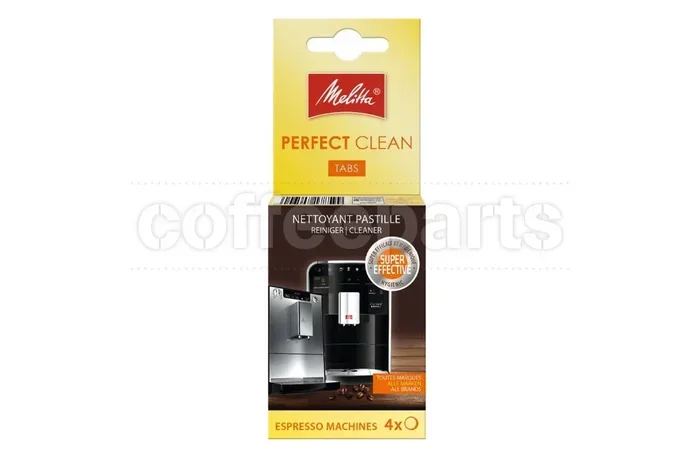
If you prefer a ready-made solution, descaling tablets are a great option. Many brands offer coffee machine descaling tablets made from natural ingredients. These tablets are pre-measured, so you do not have to guess the right amount. Simply drop one tablet into the water reservoir, add water, and run the descaling cycle.
Melitta also sells its own descaling solution designed specifically for their machines. Using a Melitta descaling solution ensures compatibility with all internal parts. It is slightly more expensive than DIY methods but very convenient. Either way, these products remove limescale effectively without the harshness of vinegar.
Step-by-Step Guide to Descaling Your Melitta Coffee Machine
Now that you know the best descaling alternatives, let us walk through the process. Follow these steps for a thorough and safe descaling experience. The entire process takes about 30 to 45 minutes.
Step 1: Gather Your Supplies
You will need your chosen descaling agent, clean water, and a clean cloth. If you are using citric acid or lemon juice, measure out the right amount. Have a large mug or container ready to catch the liquid that comes out of the machine.
Step 2: Empty the Water Reservoir
Remove any remaining water from the tank. If your machine has a removable water tank, take it out and empty it. This ensures the descaling solution mixes properly with fresh water.
Step 3: Add the Descaling Solution
Pour your chosen solution into the water reservoir. For citric acid, use one tablespoon per liter of water. For lemon juice, use the juice of two lemons per liter. For descaling tablets, simply drop one tablet into the tank and fill with water.
Step 4: Run the Brew Cycle
Place a mug under the coffee spout. Turn on the machine and let it brew halfway. Then pause the cycle and let the solution sit for 15 to 20 minutes. This soaking time allows the acid to dissolve the limescale deposits. After the rest period, complete the brew cycle.
Step 5: Rinse Thoroughly
Empty the mug and refill the reservoir with clean water. Run two to three full brew cycles with fresh water. This rinsing step is critical. It removes any remaining descaling solution and dissolved minerals. Taste the water after each rinse cycle. When the water tastes clean and neutral, your machine is ready.
Step 6: Wipe Down the Exterior
While the machine is rinsing, take a damp cloth and wipe down the exterior. Clean the drip tray and the coffee spout area. This removes any surface residue and keeps your machine looking its best.
Quick Tips for a Smooth Descaling Process
- Never skip the rinse cycles. Residual descaling solution can affect coffee taste.
- Use warm water for mixing. Warm water helps dissolve citric acid and baking soda faster.
- Descale on a day when you do not need coffee right away. The process takes about an hour including rinse cycles.
- Keep a log of your descaling dates. This helps you stay on schedule and avoid buildup.
How Often Should You Descale Your Melitta?
The right descaling frequency depends on several factors. Water hardness is the biggest factor. If you live in an area with hard water, minerals build up faster. You may need to descale every four to six weeks. If you have soft water, every three months is usually sufficient.
How often you use the machine also matters. A machine used multiple times daily needs more frequent descaling than one used occasionally. As a general guideline, descale your Melitta coffee machine every one to three months. This keeps limescale in check and ensures consistent brewing performance.
Signs Your Machine Needs Descaling
Watch for these warning signs that your Melitta machine needs descaling:
- Slower brewing time: If your coffee takes longer to drip, limescale may be blocking the water flow.
- Unusual taste: A metallic or flat taste in your coffee often signals mineral buildup.
- Strange noises: Gurgling or bubbling sounds during brewing can indicate clogged pathways.
- Visible white deposits: Check the water tank and spout for white chalky residue.
- Reduced steam or heat: If your machine is not heating water as hot as before, scale may be insulating the heating element.
Regular coffee machine maintenance goes beyond just descaling. Clean the filter basket after every use. Wipe down the exterior daily. Empty the drip tray regularly. These small habits make a big difference in how long your machine lasts and how good your coffee tastes.
Just as you care for your kitchen appliances, maintaining your coffee equipment is essential. For example, if you also use a combi oven, you know that regular cleaning and descaling keep appliances performing at their best. The same principle applies to your Melitta coffee machine.
Tips to Prevent Limescale Buildup
Prevention is always better than cure. Here are simple ways to reduce limescale buildup in your Melitta coffee machine:
- Use filtered water: Filtering your water removes many of the minerals that cause limescale. A simple carbon filter pitcher works great.
- Do not leave water in the tank: Empty leftover water after each use. Stagnant water accelerates mineral deposits.
- Descale on schedule: Do not wait for warning signs. Regular descaling prevents heavy buildup.
- Use the right water temperature: Melitta machines are designed to heat water to the optimal brewing temperature. Let the machine do its job without adjusting settings unnecessarily.
- Clean the brew unit regularly: Remove and rinse the brew unit under running water every week. This removes coffee oils and fine particles that mix with minerals.
Taking these preventive steps means less work during each descaling session. Your machine stays cleaner longer, and your coffee tastes better every morning. If you are curious about other coffee preparation methods, you might also enjoy learning how to make coffee in microwave oven for quick alternatives.
Common Mistakes to Avoid When Descaling
Even with the best intentions, people sometimes make mistakes during the descaling process. Here are common errors to avoid:
- Using too much descaling agent: More is not better. Excess citric acid or lemon juice can leave a sour residue. Stick to the recommended measurements.
- Skipping rinse cycles: This is the most common mistake. Always run at least two full rinse cycles with clean water after descaling.
- Using harsh chemicals: Bleach, dishwasher detergent, or other household cleaners can damage your machine. Stick to coffee-safe descalers only.
- Ignoring the manufacturer’s instructions: Every Melitta model has specific care guidelines. Check your user manual before descaling.
- Descaling too infrequently: Waiting until the machine shows problems means buildup has already occurred. Stay on a regular schedule.
- Forgetting to clean the filter: The filter basket traps coffee grounds and oils. Clean it separately during each descaling session.
Avoiding these mistakes ensures your descaling efforts are effective and safe. Your Melitta machine will thank you with years of reliable service and great-tasting coffee.
Final Thoughts
Descaling your Melitta coffee machine without vinegar is simple, affordable, and incredibly effective. Natural descalers like citric acid, lemon juice, and baking soda get the job done without harsh chemicals or lingering smells. The process takes just 30 minutes and makes a noticeable difference in your coffee’s taste and your machine’s performance.
Make descaling a regular part of your coffee routine. Your morning cup will taste fresher, and your machine will last longer. If you ever need to warm up leftovers or reheat food, check out how to reheat something in the oven for helpful kitchen tips. Keep your Melitta brewer clean, and it will keep serving you perfect coffee every single day.
Frequently Asked Questions
Can I use white vinegar to descale my Melitta coffee machine?
Yes, you can use white vinegar, but it is not the best option. Vinegar has a strong smell that can linger inside the machine and affect the taste of your coffee. Natural alternatives like citric acid or lemon juice work just as well without the unpleasant side effects.
How long does it take to descale a Melitta coffee machine?
The entire descaling process takes about 30 to 45 minutes. This includes the brew cycle, the soaking period, and two to three rinse cycles. The actual active time is short, but the rinse cycles need patience to ensure no residue remains.
Can I use lemon juice instead of citric acid to descale my Melitta?
Absolutely. Lemon juice contains natural citric acid and works very well for descaling. Use the juice of two lemons mixed with one liter of water. It is a convenient and effective alternative that most people already have at home.
Is descaling the same as cleaning my Melitta coffee machine?
No, they are different but complementary tasks. Cleaning removes coffee oils, grounds, and surface residue. Descaling specifically targets mineral buildup inside the water pathways and heating elements. You should do both regularly for best results.
What happens if I never descale my Melitta coffee machine?
Without regular descaling, limescale builds up inside the machine. This leads to slower brewing, poorer-tasting coffee, higher energy use, and eventually machine breakdown. Heavy limescale can cause permanent damage to the heating element and internal components.
Can I use baking soda alone to descale my Melitta coffee machine?
Baking soda is gentle and works best for light maintenance and oil removal. For heavy limescale, it is not strong enough on its own. Use baking soda for regular cleaning and citric acid or lemon juice for deeper descaling every one to three months.