
How To Reheat Something In The Oven Perfectly Every Time
Reheating food in the oven is the best way to bring back crispy textures and original flavors. Whether you are warming up pizza, chicken, or casserole, the right oven temperature and method make all the difference. This guide covers oven reheating tips for every type of dish, from leftover food to frozen meals. You will learn how to preheat the oven, choose the right oven safe dish, and avoid common mistakes. Follow our oven reheating guide and enjoy restaurant-quality results at home.
There is nothing worse than reheating last night’s dinner and ending up with a dry, rubbery mess. You spent time cooking a great meal, and now you want to enjoy it again without sacrificing taste or texture. The good news is that reheating food in the oven is one of the simplest ways to bring your leftovers back to life.
Unlike a microwave, which zaps food unevenly and turns crispy crusts soggy, the oven delivers gentle, even heat that keeps meals tasting fresh. Whether you are warming up pizza, roasted chicken, or a homemade casserole, this oven reheating guide will show you exactly how to do it right. Reheating food in the oven might seem basic, but a few smart tricks make a huge difference in the final result.
By the end of this article, you will know the best oven temperature for every type of dish, which oven safe dish to use, and how to avoid the mistakes that ruin leftovers. Let us get started.
Key Takeaways
- Use 350°F as your go-to temperature: Most leftovers reheat beautifully at this moderate heat.
- Cover food with foil to lock in moisture: This prevents drying out and keeps dishes tender.
- Let food come to room temperature first: This ensures even heating from edge to center.
- Use an oven safe dish every time: Never put non-oven-safe containers in a hot oven.
- Add a splash of water or oil: This restores crispiness and prevents toughness.
- Always check the internal temperature: Food safety matters, especially with meat and dairy.
- The oven beats the microwave for quality: You get better texture, flavor, and consistency.
📑 Table of Contents
Why Reheating in the Oven Works Better
Many people reach for the microwave because it is fast and convenient. But if you care about taste and texture, the oven is the clear winner. Understanding why helps you appreciate the process more and get better results every time.
The Problem with Microwaves
Microwaves heat food using radiation that excites water molecules. This creates steam inside your food, which makes bread soggy, pizza limp, and meats rubbery. The heat is also uneven, meaning some bites are scalding hot while others are still cold.
Reheating food in the oven avoids these issues completely. Hot air circulates around the dish, warming it evenly from all sides. The result is food that looks and feels much closer to when it was first cooked.
Benefits of Oven Reheating
- Even heating: Hot air surrounds the food on all sides, reducing cold spots.
- Better texture: Crispy edges stay crispy, and bread stays crusty.
- Moisture control: You can cover or uncover food to manage steam levels.
- Better flavor: The oven does not suck out flavors the way a microwave can.
- Handles larger portions: You can reheat a full pan of lasagna or an entire chicken.
How To Reheat Something in the Oven: Step-by-Step
Now that you understand why the oven works so well, let us walk through the actual process. These steps apply to almost any type of leftover food.
Step 1: Preheat Your Oven
Always start by preheating the oven to the right temperature. A hot oven begins reheating the moment your food goes in, which prevents it from sitting in a warm, damp environment. Most leftovers do great at 350°F, which is the sweet spot for oven reheating.
If you are reheating something delicate like fish or thin pasta, drop the temperature to 300°F. For thicker dishes like lasagna or roasted meat, 375°F works well. The key is matching the heat to the thickness and density of the food.
Step 2: Choose the Right Oven Safe Dish
Not every container belongs in a hot oven. Always use an oven safe dish made of glass, ceramic, or metal. Avoid plastic containers, disposable aluminum trays with plastic edges, and anything labeled “not oven safe.”
Glass dishes like Pyrex are excellent because they heat evenly and let you watch the food. Ceramic baking dishes work great for casseroles and baked pasta. Metal pans are ideal for meats and anything that benefits from direct heat contact.
Step 3: Let the Food Come to Room Temperature
This is a step many people skip, but it matters. Take your leftover food out of the refrigerator about 15 to 20 minutes before reheating. Letting it sit at room temperature helps it warm more evenly, which reduces the risk of a hot outside and a cold center.
Do not leave food out for more than two hours, though. Food safety is important, and perishable items should not sit at room temperature for too long.
Step 4: Add Moisture or Oil
Dry food dries out even more in the oven. Before placing your dish inside, add a small splash of water, broth, or olive oil. This creates a thin layer of steam that keeps the food moist during the reheating process.
For pizza, a few drops of water on the crust works wonders. For roasted vegetables, a light drizzle of olive oil restores that crispy, golden finish. For rice or grains, sprinkle a few drops of water and cover tightly.
Step 5: Cover with Foil or a Lid
Covering your dish with aluminum foil traps steam and keeps food from drying out. This is especially important for meats, baked pasta, and anything with a sauce.
If you want crispy edges, leave the dish uncovered for the last few minutes of reheating. This lets the surface brown and crisp up beautifully. It is a simple trick that separates good reheating from great reheating.
Step 6: Heat and Check
Place the dish on the middle oven rack for the most even heating. Set a timer and check the food periodically. Most items need 10 to 20 minutes, depending on thickness and density.
Use a food thermometer to make sure the internal temperature reaches 165°F for meats and poultry. For casseroles and pasta dishes, check that the center is hot to the touch before serving.
Best Oven Temperatures for Different Foods
Not all food is the same, and neither should your oven temperature be. Different dishes need different levels of heat to reheat properly without overcooking or drying out.
Quick Reference Table
Use this table as a starting point for your oven reheating guide. Adjust times and temperatures based on the thickness and density of your leftover food.
- Pizza: 375°F for 8 to 10 minutes on a foil-lined sheet pan
- Roasted Chicken: 350°F for 15 to 20 minutes, covered with foil
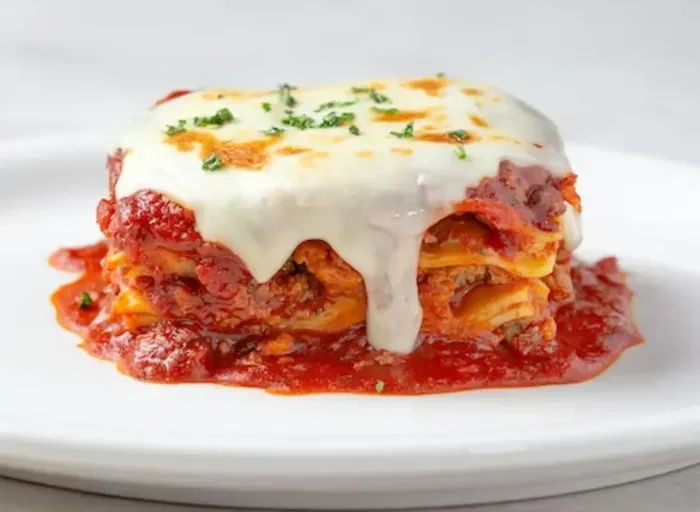
- Casseroles: 350°F for 15 to 25 minutes, covered then uncovered
- Baked Pasta: 350°F for 15 to 20 minutes with a splash of water
- Fried Foods: 375°F for 5 to 8 minutes on a wire rack
- Bread and Rolls: 350°F for 5 to 10 minutes wrapped in foil
- Cooked Vegetables: 350°F for 8 to 12 minutes with a light oil drizzle
- Cooked Fish: 300°F for 8 to 12 minutes, covered gently
- Cooked Rice and Grains: 350°F for 10 to 15 minutes with a damp paper towel
- Pies and Pastries: 350°F for 10 to 15 minutes
Oven Reheating Tips for Better Results
These practical oven reheating tips come from years of testing and real kitchen experience. They will help you get the best possible results from your leftover food.
Use a Wire Rack for Crispy Foods
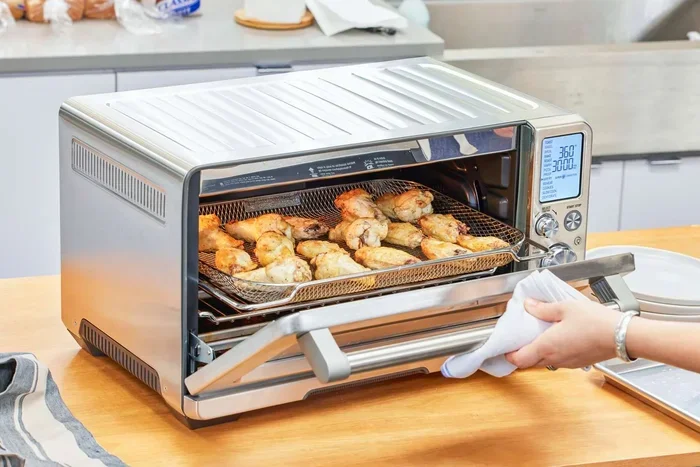
When reheating fried chicken, french fries, or any crispy item, place the food on a wire rack set over a baking sheet. The rack allows hot air to circulate underneath, which keeps the bottom crispy instead of turning it soft and soggy.
This is one of the best oven reheating tips you can follow. A wire rack costs almost nothing but makes a dramatic difference in texture.
Do Not Overcrowd the Pan
Spread food out in a single layer whenever possible. Overcrowding traps steam and creates uneven heating. If you need to reheat a large batch, use two pans or reheat in multiple rounds.
Think of it this way. You want hot air to reach every piece of food, and stacking items blocks that airflow. A little extra pan space goes a long way.
Revive Stale Bread and Rolls
Stale bread comes back to life beautifully in the oven. Wrap the loaf or rolls in foil and place them in a 350°F oven for 5 to 10 minutes. The trapped steam softens the crust and restores a fresh-baked feel.
For individual slices, skip the foil and place them directly on the oven rack for just 3 to 5 minutes. This gives you a lightly crispy exterior with a soft interior.
Reheat Pizza Like a Pro
Pizza is one of the most commonly reheated foods, and it deserves special attention. Skip the microwave entirely. Place your pizza slices on a foil-lined baking sheet and heat at 375°F for 8 to 10 minutes.
For extra crispy crust, place the pizza directly on the oven rack. This allows the bottom to crisp up while the cheese melts evenly. The result is a slice that tastes almost as good as fresh.
Use the Broiler for the Last Few Minutes
If your food looks hot but needs a golden-brown finish, switch the oven to the broiler for the final 2 to 3 minutes. This adds a beautiful caramelized top without overcooking the inside.
Watch the food closely during broiling. It can go from perfectly golden to burnt in seconds. This trick works especially well on casseroles, gratins, and topped dishes.
Common Mistakes When Reheating in the Oven
Even with the best intentions, it is easy to make mistakes that ruin your leftover food. Knowing what to avoid is just as important as knowing what to do.
Skipping the Preheat
Putting cold food into a cold oven leads to slow, uneven heating. The outside dries out while the inside stays cold. Always preheat the oven before adding your dish. This small step makes a noticeable difference in quality.
Using the Wrong Container
Not every dish or container is safe for oven use. Plastic containers can melt and release harmful chemicals. Glass with metal rims may shatter from thermal shock. Always double-check that your oven safe dish is truly oven safe before using it.
Reheating at Too High a Temperature
It is tempting to crank up the heat to save time, but this is a recipe for disaster. High temperatures burn the outside while leaving the inside cold or dry. Stick to moderate oven temperatures between 300°F and 375°F for the best results.
Forgetting to Add Moisture
The oven is a dry heat environment, which means food can dry out quickly without intervention. Always add a splash of water, broth, or oil before reheating. Covering with foil also helps retain moisture during the process.
Not Checking the Food Regularly
Every oven is different, and reheating times vary based on the dish and portion size. Set a timer, but also check the food visually and by touch. This prevents overcooking and helps you learn how your specific oven behaves.
Expert Insights on Reheating Food
Professional chefs and food safety experts agree on a few key principles when it comes to reheating food in the oven. These insights come from years of kitchen experience and food science research.
Chef Maria Torres, a professional chef with over 15 years of experience, explains it simply. “The oven is the best tool for bringing food back to its original quality. The key is patience. Low and slow heat preserves moisture and texture in a way that no other method can match.”
Food safety experts also emphasize the importance of reaching the proper internal temperature. The USDA recommends heating leftovers to at least 165°F throughout the dish. Using a food thermometer takes the guesswork out and ensures your leftover food is both delicious and safe to eat.
Another expert tip from culinary schools is to always reheat food only once. Repeatedly cooling and reheating food increases the risk of bacterial growth and degrades quality. Plan your portions wisely so you only reheat what you plan to eat.
Quick Tips for Perfect Oven Reheating
Here is a quick cheat sheet of oven reheating tips you can refer to every time you warm up leftover food.
- Always preheat the oven before placing food inside.
- Use 350°F as your default temperature for most dishes.
- Choose an oven safe dish made of glass, ceramic, or metal.
- Let food sit at room temperature for 15 to 20 minutes first.
- Add a splash of water or oil to prevent drying out.
- Cover with foil to trap moisture during reheating.
- Uncover for the last few minutes if you want crispy edges.
- Place dishes on the middle rack for even heating.
- Use a food thermometer to check that food reaches 165°F internally.
- Check food regularly to avoid overcooking.
Keep this list handy, and your leftover food will taste almost as good as the first time around.
Conclusion
Reheating food in the oven is a simple skill that transforms your leftovers into delicious, restaurant-quality meals. By following the right oven temperature, using an oven safe dish, and adding a little moisture, you can enjoy your favorite dishes all over again without sacrificing taste or texture.
Remember to preheat the oven, let food come to room temperature, cover with foil when needed, and always check for doneness. These small habits add up to a big difference in the final result. Whether you are reheating pizza, roasted chicken, or a homemade casserole, the oven is your best friend for bringing food back to life.
Start applying these oven reheating tips today, and you will never waste a great meal again. Your leftovers deserve to taste just as good as the first time, and now you know exactly how to make that happen.
Frequently Asked Questions
What is the best temperature to reheat food in the oven?
The best oven temperature for most leftovers is 350°F. This moderate heat warms food evenly without drying it out or burning the edges. For crispy foods like pizza or fried items, bump it up to 375°F for a slightly higher heat that restores crunch.
Can I reheat food in the oven if it is still frozen?
Yes, you can reheat frozen food in the oven, but you need to adjust your approach. Start at a lower temperature around 300°F and cover the dish with foil. Let it thaw and heat slowly, then uncover and increase the temperature for the last few minutes to crisp up the surface.
How long does it take to reheat food in the oven?
Reheating times vary depending on the dish and portion size. Most leftovers take 10 to 20 minutes at 350°F. Thicker dishes like lasagna or roasted meat may need 20 to 30 minutes. Always check the internal temperature and look for visual cues like steaming and bubbling before serving.
Is it safe to reheat food in the oven multiple times?
It is not recommended to reheat the same dish multiple times. Each cycle of cooling and reheating increases the risk of bacterial growth and degrades the quality of the food. The safest practice is to reheat only the portion you plan to eat in one sitting.
What type of dish should I use to reheat food in the oven?
Always use an oven safe dish made of glass, ceramic, or metal. Glass dishes like Pyrex heat evenly and are easy to monitor. Ceramic baking dishes work well for casseroles and pasta. Avoid plastic, paper, and containers with metallic paint or trim.
Why does my food come out dry when I reheat it in the oven?
Dry food usually means there was not enough moisture during the reheating process. Adding a splash of water, broth, or olive oil before heating helps. Covering the dish with foil also traps steam and keeps food moist. If your dish is still dry, try lowering the oven temperature slightly and increasing the time.



One Comment