Can I Make Espresso With Regular Coffee at Home Now
Yes, you can absolutely make espresso with regular coffee at home. You just need the right grind size, proper equipment, and a few simple techniques. This guide walks you through everything from choosing the best beans to pulling your first perfect shot.
Have you ever stared at your bag of regular coffee and wondered if you could turn it into something closer to espresso? Maybe you have been craving that rich, bold shot but do not own an expensive espresso machine. The good news is that making espresso with regular coffee at home is totally possible, and it is easier than you think.
Many people assume espresso requires special beans or a fancy device. But the truth is, regular coffee can absolutely work for a strong, concentrated brew that tastes a lot like the real thing. You just need to know a few tricks about grind size, water temperature, and extraction time. This guide will show you exactly how to do it, step by step.
Whether you are a complete beginner or a coffee lover looking to level up your home brewing game, you are in the right place. We will cover everything from the best beans to use, to the equipment you need, and even common mistakes to avoid. By the end, you will feel confident enough to pull your very first espresso-style shot with confidence.
Key Takeaways
- Regular coffee works for espresso: You can use any coffee beans, but dark roast and fine grind deliver the best results.
- Grind size matters a lot: A fine grind is essential for mimicking true espresso extraction at home.
- You do not need an expensive machine: Stovetop moka pots and French presses can create rich, espresso-like drinks.
- Water temperature and ratio are key: Getting these right makes a huge difference in flavor and crema.
- Practice makes perfect: Your first few shots may not be flawless, but you will improve fast with simple adjustments.
📑 Table of Contents
- What Is Espresso and How Does It Differ From Regular Coffee
- Can You Use Regular Coffee to Make Espresso
- The Best Coffee Beans for Homemade Espresso
- Equipment You Need to Make Espresso With Regular Coffee
- Step-by-Step Guide to Making Espresso With Regular Coffee
- Common Mistakes to Avoid When Making Espresso With Regular Coffee
- Expert Tips for Taking Your Home Espresso to the Next Level
- Frequently Asked Questions About Making Espresso With Regular Coffee
- Conclusion
What Is Espresso and How Does It Differ From Regular Coffee
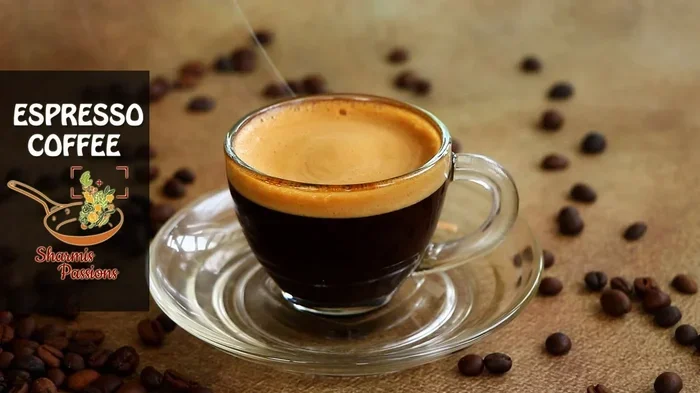
Before we dive into the how-to, let us quickly understand what sets espresso apart. Espresso is a concentrated coffee drink made by forcing hot water through finely ground coffee at high pressure. The result is a small, intense shot with a layer of golden foam on top called crema. Regular drip coffee, on the other hand, uses gravity and a longer brew time to pull flavor from coarser grounds.
Here are the key differences between the two:
- Brew method: Espresso uses pressure; regular coffee uses gravity or immersion.
- Grind size: Espresso needs a very fine grind, while regular coffee works best with a medium or coarse grind.
- Brew time: Espresso takes about 25 to 30 seconds; drip coffee can take several minutes.
- Concentration: Espresso is much stronger and more concentrated than a standard cup of drip coffee.
- Crema: Espresso has a distinctive foam layer that regular coffee does not produce.
Understanding these differences helps you know what to aim for when you are making espresso-style coffee at home. You are essentially trying to recreate that concentrated, pressurized extraction using whatever tools you have available.
Can You Use Regular Coffee to Make Espresso
The short answer is yes. You can use regular ground coffee to make something that tastes like espresso. However, the results depend on a few important factors that we need to talk about. Not all regular coffee will give you the same bold, rich flavor that a true espresso machine produces, but with the right approach, you can get impressively close.
The Role of Grind Size
This is the single most important factor. If you use regular coffee grounds that are too coarse, the water will pass through too quickly, and you will end up with weak, watery coffee. For espresso, you need a very fine grind, almost like powdered sugar. The finer the grind, the more surface area the water touches, and the more flavor it extracts in a shorter time.
If you do not have a burr grinder, you can ask your local coffee shop to grind your beans on the finest setting. Many shops will do this for free if you buy beans from them. Just make sure to tell them you want it for espresso-style brewing.
Water Temperature and Pressure
Espresso machines use water heated to about 195 to 205 degrees Fahrenheit and push it through the coffee at around 9 bars of pressure. At home, you cannot replicate that exact pressure without a machine, but you can get close. Using water that is just off the boil, around 200 degrees, helps extract the best flavors. The key is to not let the water boil, as boiling water can scorch the coffee and create a bitter taste.
For those who want to explore heat-based brewing techniques, you might find it interesting to read about how to make coffee in microwave oven for alternative quick brewing methods.
Why Dark Roast Works Best
While you can technically use any roast, dark roast coffee tends to produce the best espresso-like results at home. Dark roasts have more oils on the surface, which contribute to that rich, creamy texture and bold flavor profile. Light roasts can work, but they often produce a thinner body and less crema, which is the hallmark of a great espresso shot.
The Best Coffee Beans for Homemade Espresso
Not all coffee beans are created equal when it comes to making espresso. Here is what you should look for when choosing beans for your at-home espresso experiments.
- Dark roast beans: These bring out smoky, chocolatey, and caramel notes that feel very espresso-like. They also produce more crema.
- Medium-dark roast beans: A great middle ground. You get some of the boldness of dark roast without losing the origin flavors of the bean.
- Freshly roasted beans: Coffee tastes best within two to four weeks of roasting. Always check the roast date on the bag.
- Whole beans: Always buy whole beans and grind them just before brewing. Pre-ground coffee loses flavor fast.
- Single-origin vs. blends: Espresso blends (a mix of different beans) are traditionally used because they create a balanced, complex flavor. Single-origin beans can work too but may taste more acidic.
When you are shopping for beans, look for ones labeled as suitable for espresso or Italian roast. These are specifically roasted and formulated to produce that deep, rich flavor profile that espresso lovers crave.
Equipment You Need to Make Espresso With Regular Coffee
You do not need a fancy $1,000 espresso machine to get started. There are several affordable options that can produce excellent espresso-style coffee using regular coffee grounds. Here are the most popular choices:
Stovetop Moka Pot
A Moka pot is probably the best tool for making espresso-like coffee at home on a budget. It uses steam pressure to push water through ground coffee, creating a strong, concentrated brew that closely resembles espresso. They are inexpensive, durable, and easy to use. Simply fill the bottom chamber with water, add finely ground coffee to the filter basket, and place it on the stove.
French Press
A French press cannot create true espresso because it lacks pressure, but it can produce a very strong, rich coffee that works well as a base for espresso-style drinks. Use a fine grind and a shorter steeping time of about four minutes for the best results.
AeroPress
The AeroPress is a versatile little device that can produce something very close to espresso. It uses air pressure to force water through coffee grounds, and many coffee enthusiasts swear by it for making concentrated shots. It is portable, easy to clean, and very affordable.
When choosing your equipment, keep in mind that the material matters too. You want to make sure your tools can handle the heat safely. For example, if you are using glass or plastic containers with hot water, it is important to know whether they are heat-safe. Check out whether Duralex glassware can handle oven heat to learn more about heat-resistant materials in the kitchen.
Step-by-Step Guide to Making Espresso With Regular Coffee
Now that you know what beans to use and what equipment to grab, let us walk through the actual process. Follow these steps closely, and you will be enjoying a rich espresso-style shot in no time.
- Start with fresh, quality beans. Choose a dark or medium-dark roast and buy them whole.
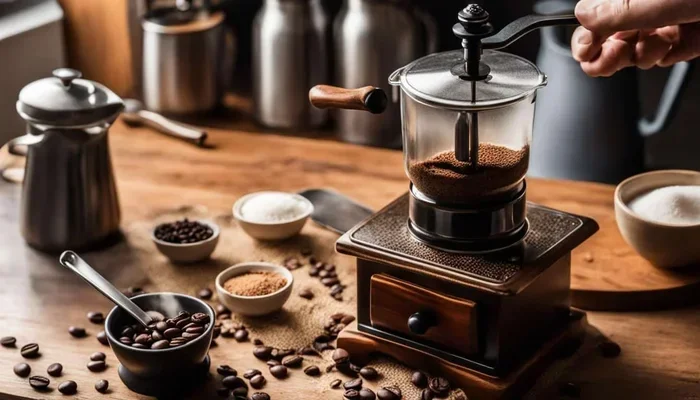
- Grind the beans finely. Use the finest setting on your grinder. The grounds should look and feel like table salt, not coarse sand.
- Heat your water. Bring water to just below boiling, around 200 degrees Fahrenheit. If you do not have a thermometer, let the water boil and then wait 30 seconds.
- Prepare your brewing device. Whether you are using a Moka pot, AeroPress, or French press, set it up according to the manufacturer’s instructions.
- Add the coffee grounds. Use about two tablespoons of finely ground coffee for every six ounces of water. Adjust to taste.
- Brew for the right amount of time. For a Moka pot, this takes about five minutes on medium heat. For an AeroPress, about one to two minutes of steeping and pressing.
- Serve immediately. Espresso-style coffee tastes best when it is fresh and hot. Pour it into a warm cup and enjoy it right away.
For those interested in comparing different cooking methods and how they affect timing and results, you might enjoy learning about what cooks faster in a convection oven versus a regular oven for broader kitchen insights.
Quick Tips for Better Results
- Tamp the grounds evenly. If you are using a Moka pot or AeroPress, press the coffee down gently and uniformly for consistent extraction.
- Pre-warm your cup. Pour hot water into your serving cup before brewing to keep the espresso hot longer.
- Experiment with ratios. Try using slightly more coffee or less water to increase the strength and richness.
- Clean your equipment thoroughly. Old coffee oils can go rancid and affect the taste of your next brew.
Common Mistakes to Avoid When Making Espresso With Regular Coffee
Even with the best intentions, it is easy to make a few common errors that ruin your espresso-style coffee. Here are the mistakes to watch out for:
- Using the wrong grind size: This is the number one mistake. Too coarse and the coffee will be weak and sour. Too fine and it will be bitter and clogged.
- Using boiling water: Boiling water extracts bitter compounds and burns the coffee. Always let it cool slightly before brewing.
- Not using enough coffee: Espresso-style drinks need more coffee per ounce than regular drip coffee. Do not be shy with the grounds.
- Brewing for too long: Over-extraction leads to harsh, bitter flavors. Stick to the recommended brew times.
- Using stale coffee: Old, pre-ground coffee loses its flavor quickly. Always grind fresh right before brewing.
- Skipping the preheat step: A cold cup or cold equipment can drop the temperature of your brew and result in flat, underwhelming flavor.
By avoiding these six mistakes, you will notice a dramatic improvement in the taste and quality of your homemade espresso-style coffee. It is all about the small details.
Expert Tips for Taking Your Home Espresso to the Next Level
Once you have the basics down, you can start experimenting to get even better results. Here are some tips from experienced home baristas that will help you push your coffee game further.
Try the Bloom Technique
Before you start the full brew, pour a small amount of hot water over the coffee grounds and let them sit for about 30 seconds. This releases carbon dioxide from the fresh beans and helps the coffee extract more evenly. You will notice the grounds bubbling and expanding, which is a sign that your coffee is fresh and ready.
Adjust Your Coffee-to-Water Ratio
The standard ratio for espresso-style coffee is about 1:2, meaning one part coffee to two parts water. But taste is personal. Try a 1:1.5 ratio for a stronger, more concentrated shot, or 1:2.5 for something slightly lighter. Keep a notebook of your experiments so you can replicate your favorites.
Store Your Beans Properly
Oxygen, light, heat, and moisture are the enemies of fresh coffee. Store your beans in an airtight container in a cool, dark place. Do not keep them in the fridge, as moisture and odors can affect the flavor. A small opaque canister on your counter works perfectly.
Clean Your Equipment After Every Use
Coffee oils build up over time and can turn rancid, which makes every subsequent cup taste off. Rinse your Moka pot, AeroPress, or grinder after each use, and do a deeper clean with hot water and mild soap once a week.
Frequently Asked Questions About Making Espresso With Regular Coffee
Can I use instant coffee to make espresso?
Technically yes, but instant coffee will not give you the same rich, bold flavor or crema that freshly ground beans produce. Instant coffee is already brewed and dried, so it lacks the complexity and depth of fresh coffee. If you are in a pinch, dissolve a teaspoon of instant coffee in a small amount of hot water, but for the best results, stick with freshly ground regular coffee.
Do I need a special espresso machine to make espresso at home?
No, you do not need an expensive machine. A stovetop Moka pot, AeroPress, or even a French press can produce espresso-style coffee using regular grounds. These tools are affordable, easy to use, and deliver surprisingly great results. The key is getting the grind size and water temperature right.
What is the difference between espresso roast and regular coffee roast?
Espresso roast is typically a dark roast that is roasted longer to bring out bold, smoky, and caramel-like flavors. Regular coffee can be any roast level, from light to dark. You can use regular dark roast coffee for espresso-style brewing, and it will taste very close to what you would get from a true espresso machine.
How long does it take to make espresso with a Moka pot?
A Moka pot typically takes about five to seven minutes from start to finish, including heating the water and brewing the coffee. The actual extraction happens in the last few minutes once steam pressure builds up and pushes the water through the coffee grounds. It is much faster than drip coffee but slower than a true espresso machine.
Can I make espresso drinks like lattes and cappuccinos with regular coffee?
Absolutely. Once you have your strong espresso-style shot, you can add steamed milk, milk foam, or even flavored syrups to create lattes, cappuccinos, or macchiatos at home. The concentrated base works perfectly as a foundation for all your favorite espresso drinks.
Why does my homemade espresso taste bitter?
Bitterness usually comes from using water that is too hot, grinding the coffee too fine, or brewing for too long. Try lowering the water temperature slightly, using a slightly coarser grind, or reducing the brew time. Fresh beans also make a big difference, as stale beans tend to produce more bitter flavors.
Conclusion
Making espresso with regular coffee at home is not only possible, it is incredibly rewarding. You do not need a high-end machine or special beans to enjoy a rich, bold, espresso-style shot right in your own kitchen. All you need is the right grind size, proper water temperature, a little patience, and a basic brewing tool like a Moka pot or AeroPress.
Remember to always use fresh, quality beans, grind them just before brewing, and experiment with ratios and brew times until you find your perfect cup. Avoid the common mistakes we covered, and do not be afraid to try new techniques. Every batch you make brings you one step closer to mastering the art of homemade espresso.
The beauty of making espresso-style coffee at home is that you get to customize everything to your taste. Too strong? Add a bit more water. Too weak? Use more coffee grounds. It is all about finding what works best for you. So grab your favorite regular coffee, fire up your stove, and start brewing. Your perfect espresso shot is closer than you think.