Can Duralex Go In The Oven Everything You Need To Know
Can Duralex Go In The Oven? Yes, but only under specific conditions. Duralex is a tempered glass brand that can handle moderate oven temperatures, typically up to 350°F (175°C). However, you must avoid sudden temperature changes to prevent thermal shock and breakage.
Duralex is a name that pops up in kitchens around the world. You might have a set of Duralex tumblers on your shelf or a Duralex baking dish tucked away in a cabinet. These glassware pieces are famous for being tough, lightweight, and shatter-resistant. But when it comes to heat, many people wonder: Can Duralex Go In The Oven? The short answer is yes, but with important limits. You can use Duralex in the oven, but you need to know the right temperatures and avoid sudden changes. This guide covers everything you need to keep your glassware safe and your meals perfectly baked.
Many home cooks love Duralex oven-safe glass for its versatility. It works in the microwave, oven, and even the freezer. However, not all glass is created equal. Some glass brands can handle high heat, while others will crack or shatter. Duralex uses a special tempered glass process that makes it more resistant to thermal changes. Still, it has limits. Understanding those limits helps you avoid a kitchen disaster. I’ll walk you through the science, the safe temperatures, and the common mistakes that cause breakage. By the end, you’ll feel confident about using your Duralex in the oven.
Key Takeaways
- Duralex is oven-safe: It can go in the oven at moderate temperatures, usually up to 350°F (175°C).
- Avoid thermal shock: Never move Duralex from a cold fridge to a hot oven or vice versa.
- Check for cracks: Inspect your glassware before each use. Even tiny chips can cause failure under heat.
- Not for broilers or stovetops: Duralex is designed for ovens and microwaves, not direct flame or broiler heat.
- Hand-wash recommended: Dishwashers can weaken glass over time. Gentle hand washing extends its life.
- Vintage pieces need care: Older Duralex may have lower heat resistance than modern pieces. Treat them gently.
📑 Table of Contents
- What Is Duralex Glassware and Why Is It So Popular?
- Can Duralex Go In The Oven? The Definitive Answer
- How Heat-Resistant Is Duralex Glass?
- Duralex Oven Safety: What to Do and What to Avoid
- Duralex vs. Pyrex and Other Glass Baking Dishes
- How to Properly Use Duralex in the Oven
- Cleaning and Caring for Duralex After Oven Use
- Conclusion
What Is Duralex Glassware and Why Is It So Popular?
Duralex is a French company that has made glass bakeware and tumblers since 1939. Their signature product is the Duralex tumbler, but they also make casserole dishes, mixing bowls, and oven-safe plates. The glass they use is called Léger or tempered soda-lime glass. This process involves heating the glass and then cooling it rapidly. That creates internal stresses that make the glass much stronger than regular glass. A single Duralex tumbler can withstand a lot of wear and tear.
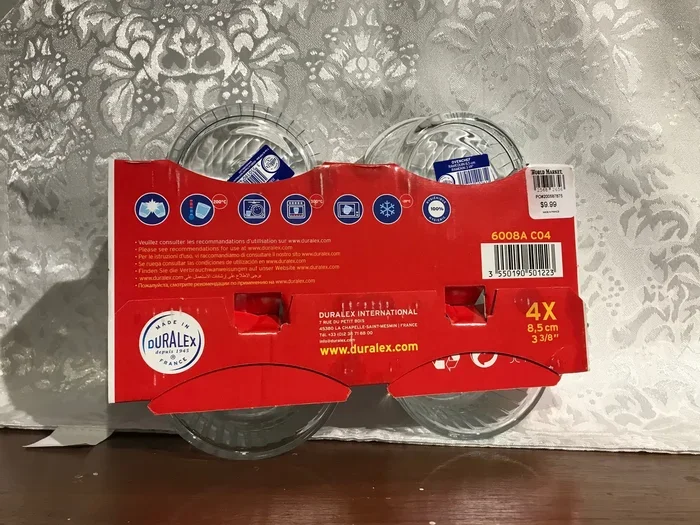
People love Duralex because it is lightweight yet durable. It does not scratch easily, and it is food-grade glass. You can serve food directly in a Duralex dish and then pop it in the oven. The brand is also dishwasher safe and often microwave safe. This makes it a go-to choice for everyday cooking. Many families pass down vintage Duralex pieces because they last for decades. However, vintage items may not meet modern heat resistance standards. Always check the bottom of the piece for an oven-safe symbol or label.
The History of Duralex
Duralex originated in La Chapelle-Saint-Mesmin, France. The company developed its tempered glass technique to create products that could handle daily use. Over the years, they expanded into kitchen glassware, including oven dishes and serving bowls. The Duralex ovenproof line became popular in Europe and later worldwide. Today, you can find Duralex products in millions of homes. Their glass baking dish is a staple for casseroles and gratins.
What Makes Duralex Different from Regular Glass?
Regular glass, like a simple drinking glass, is not designed for heat. It has tiny imperfections that expand when heated, causing it to crack. Duralex uses a thermal-shock-resistant process. The glass is heated to around 600°C and then cooled evenly. This creates a balanced internal structure. As a result, the glass can handle moderate temperature swings. It is not indestructible, but it is far more resilient than standard glass. This is why Duralex oven use is common in many households.
Can Duralex Go In The Oven? The Definitive Answer
The question Can Duralex Go In The Oven comes up often, and the answer is a cautious yes. Duralex glassware is generally oven-safe, but only up to a certain temperature. Most modern Duralex pieces can handle up to 350°F (175°C). Some older or specialized pieces might handle slightly more, but 350°F is the safe standard. You can use your Duralex baking dish for casseroles, roasted vegetables, and even baked goods. Just remember that the oven must be at a moderate heat.
When you ask Can Duralex Go In The Oven, you must also consider the type of oven. A conventional oven works fine. A convection oven is also safe as long as the temperature stays within limits. However, you should never place Duralex under a broiler. The direct, intense heat from the top element can cause the glass to crack instantly. Similarly, you should not put Duralex on a stovetop or hotplate. The direct flame or electric coil creates uneven heating, which leads to thermal shock. So, for Duralex oven use, stick to the middle rack of a preheated oven.
What Temperatures Can Duralex Handle?
The safe oven temperature for Duralex is typically between 300°F and 350°F (150°C to 175°C). Some sources say it can handle up to 400°F (200°C), but that is pushing it. At higher temperatures, the risk of thermal shock increases. Thermal shock happens when one part of the glass expands faster than another. For example, if the bottom of the dish touches a hot rack while the top stays cool, stress builds up. That stress can cause the glass to shatter. To stay safe, keep your oven at or below 350°F.
Is Duralex Oven-Safe for All Types of Cooking?
Duralex is great for baking and roasting. You can make a casserole in a Duralex dish, bake a gratin, or roast a chicken. The glass distributes heat evenly, which helps food cook consistently. It is also safe for reheating leftovers in the oven. However, it is not meant for broiling or direct stovetop cooking. If a recipe starts on the stovetop and finishes in the oven, transfer the food to a different dish first. Never put a cold Duralex dish into a hot oven. Always let it come to room temperature first. This simple step prevents most accidents.
Key Takeaways for Oven Use
- Duralex is safe in the oven up to 350°F (175°C).
- Convection ovens are fine; broilers are not.
- Always preheat the oven before placing the dish inside.
- Never move a cold dish directly into a hot oven.
How Heat-Resistant Is Duralex Glass?
Understanding heat resistance helps you use Duralex safely. The glass is tempered, which means it is about four times stronger than regular glass. It can withstand temperature differences of around 130°F (54°C) without cracking. That means if the dish is at 70°F room temperature, you can put it in an oven preheated to 200°F safely. But jumping from 40°F fridge to 400°F oven is a recipe for disaster. The thermal shock resistance of Duralex is good, but not infinite.
The Science Behind Tempered Glass
When glass is tempered, the outer surface goes into compression while the inner core goes into tension. This balance makes the glass very strong. If a chip or crack forms on the surface, it can compromise this balance. That is why you should always inspect your Duralex before putting it in the oven. Even a tiny nick can grow when heated. The glass bakeware is designed to handle even heat distribution. Sudden or uneven heat is the enemy.
What Is Thermal Shock and Why Does It Matter?
Thermal shock is a rapid change in temperature that creates stress inside the material. For glass, this means one part expands while another stays the same. The result is cracking or shattering. Duralex is more resistant to thermal shock than regular glass, but it is not immune. You can avoid thermal shock by following a few simple rules. Always preheat your oven before placing the Duralex dish inside. Never put a hot Duralex dish on a cold or wet surface. Let it cool on a dry towel or a wooden board. These small habits keep your glassware intact.
Quick Tips for Preventing Heat Damage
- Always preheat the oven fully before inserting your Duralex dish.
- Place the dish on a dry, room-temperature baking sheet if the rack is very hot.
- Avoid opening the oven door too often, as temperature fluctuations can stress the glass.
- Let the dish cool inside the oven for a few minutes before removing it.
Duralex Oven Safety: What to Do and What to Avoid
Using Duralex in the oven is simple once you know the rules. The key is to avoid extreme temperature changes and direct high heat. Here is a quick guide to Duralex oven safety.
Do’s for Using Duralex in the Oven
- Do preheat the oven before placing the dish inside.
- Do place the dish on a middle rack for even heat.
- Do let the dish come to room temperature if it was in the fridge.
- Do use oven mitts when handling hot Duralex.
- Do check for cracks or chips before each use.
- Do allow the dish to cool gradually after removing it from the oven.
Don’ts for Using Duralex in the Oven
- Don’t place a cold Duralex dish into a hot oven.
- Don’t put a hot Duralex dish on a cold countertop or wet surface.
- Don’t use Duralex under a broiler or on a stovetop.
- Don’t expose the dish to direct flame or electric coil heat.
- Don’t heat an empty Duralex dish for a long time.
- Don’t use a damaged or chipped dish in the oven.
Common Mistakes That Can Damage Duralex Glassware
Many people break their Duralex by making simple errors. One common mistake is taking a dish straight from the refrigerator and putting it in a hot oven. The cold glass cannot handle the rapid expansion. Another mistake is placing a hot dish on a wet or cold surface. The sudden cooling can cause the bottom to crack. Some people also use Duralex to melt butter directly on the stovetop, which is a big no. The direct heat creates uneven expansion. Even reheating a frozen meal in a Duralex dish without thawing it first can cause breakage. Always thaw food before transferring it to a Duralex dish.
Expert Insights on Duralex Durability
Professional chefs often recommend Duralex for its even heat distribution. The glass does not create hot spots like metal pans sometimes do. This makes it ideal for delicate dishes like gratins and baked custards. However, experts also warn that no glass is completely immune to thermal shock. The best practice is to treat your Duralex with care and respect its limits. If you follow the basic rules, your Duralex oven-safe dishes will serve you well for many years.
Key Takeaways for Oven Safety
- Preheating is essential.
- Room temperature is your starting point.
- Middle rack ensures even cooking.
- Inspect for damage before every use.
- Avoid broilers, stovetops, and direct flames.
Duralex vs. Pyrex and Other Glass Baking Dishes
When shopping for glass bakeware, you will often compare Duralex to Pyrex. Both are popular brands, but they have differences. Pyrex is an American brand that also makes tempered glass bakeware. Historically, Pyrex used borosilicate glass, which is more resistant to thermal shock than soda-lime glass. Modern Pyrex products are often made of soda-lime glass, similar to Duralex. The heat resistance of both brands is generally up to 350°F to 400°F. However, Pyrex tends to have a slightly higher thermal shock resistance in some lines. The choice often comes down to personal preference and availability.
| Feature | Duralex | Pyrex |
|---|---|---|
| Material | Tempered soda-lime glass | Tempered soda-lime or borosilicate glass (varies by line) |
| Max Oven Temp | 350°F (175°C) typically | 350°F–450°F (175°C–230°C) depending on line |
| Thermal Shock Resistance | Good; avoid sudden changes | Good to excellent; borosilicate lines are better |
| Dishwasher Safe | Yes | Yes |
| Stovetop Safe | No | No |
| Broiler Safe | No | No |
| Weight | Lightweight | Lightweight to medium |
Both Duralex and Pyrex are excellent for baking dishes and casseroles. They both work well in the microwave and oven. The key is to treat them with care. Never expose either brand to direct flame or extreme temperature jumps. If you are looking for a glass baking dish that can go from fridge to oven, Duralex handles that transition well as long as you let it acclimate. For most home cooks, either brand will serve you perfectly.
How to Properly Use Duralex in the Oven
Using Duralex in the oven is straightforward. Start by checking the dish for any cracks or chips. Even a tiny flaw can grow under heat. Next, place the dish on a room-temperature baking sheet if you are worried about direct heat from the oven rack. This adds an extra layer of protection. Preheat your oven to the desired temperature before inserting the dish. Do not place the dish in a cold oven and then turn it on. The gradual heating in a cold oven can still cause stress if the temperature rises too fast.
Step-by-Step Guide to Oven Baking with Duralex
- Inspect the dish for damage.
- Let the dish come to room temperature if it was stored in a cold area.
- Preheat your oven to 300°F–350°F (150°C–175°C).
- Place the dish on the middle oven rack.
- Bake for the required time, checking periodically.
- Use oven mitts to remove the dish.
- Set it on a dry, heat-safe surface to cool.
Can You Put Duralex in a Convection Oven?
Yes, you can use Duralex in a convection oven. The fan helps circulate heat evenly, which is actually good for glass bakeware. Just make sure the temperature setting is within the safe range. Convection ovens can sometimes run hotter than traditional ovens, so you may need to reduce the temperature by 25°F. Always keep an eye on your dish. The even airflow reduces the risk of hot spots that could stress the glass.
What About Using Duralex for Reheating?
Reheating leftovers in a Duralex dish is perfectly safe. You can take a covered Duralex casserole straight from the fridge and put it in a preheated oven at 300°F. The glass will warm up gradually. Covering the dish with a lid or foil helps retain moisture. Just remember to let the dish cool slightly before moving it to the sink or countertop. A hot dish on a cold surface can still cause trouble.
Cleaning and Caring for Duralex After Oven Use
Proper cleaning extends the life of your Duralex glassware. After removing a dish from the oven, let it cool completely before washing. Do not plunge a hot dish into cold water. The sudden temperature change can cause it to crack. Once the dish is at room temperature, wash it with warm, soapy water and a soft sponge. Avoid steel wool or abrasive pads. If food is stuck, soak the dish in warm water for a few minutes. A non-scratch scrubbing pad works well for tough residues.
Is Duralex Dishwasher Safe?
Duralex is generally dishwasher safe, but hand washing is gentler. The high heat and harsh detergents in some dishwashers can degrade the glass over time. If you do use a dishwasher, place the dishes on the top rack. The top rack is away from the heating element and the lower spray arm. This reduces the risk of thermal stress during the wash cycle. For vintage Duralex pieces, hand washing is always the best choice.
Dealing with Stains and Odors
Glass bakeware can sometimes stain from tomato sauces or turmeric. To remove stains, make a paste of baking soda and water. Rub it gently on the stained area and let it sit for 15 minutes. Rinse thoroughly. For odors, soak the dish in a solution of water and a tablespoon of baking soda. The food-grade glass will not absorb smells permanently if you clean them promptly. Avoid using bleach or harsh chemicals on Duralex, as they can dull the surface over time.
Key Takeaways for Maintenance
- Let dishes cool completely before washing.
- Use a soft sponge and mild detergent.
- Hand wash vintage pieces for best care.
- Store dishes with soft cloths or paper towels between them.
- Avoid abrasive scrubbers that can scratch the surface.
Conclusion
So, Can Duralex Go In The Oven? Absolutely, as long as you follow the guidelines. Duralex is a tempered glass brand that handles moderate oven temperatures beautifully. Keep your oven at or below 350°F, avoid sudden temperature changes, and never use the dish under a broiler or on a stovetop. With proper care, your Duralex glass bakeware will serve you for many years. Whether you are baking a casserole, roasting vegetables, or reheating leftovers, Duralex is a reliable and safe choice. Treat it with respect, and it will reward you with countless delicious meals.
Frequently Asked Questions
Can Duralex Go In The Oven at 400 Degrees?
Most Duralex pieces are rated for up to 350°F (175°C). While some might survive 400°F, it is not recommended. Exceeding the safe temperature increases the risk of thermal shock and breakage. Stick to 350°F or lower for peace of mind.
Can You Put a Cold Duralex Dish in the Oven?
No, you should never put a cold Duralex dish directly into a hot oven. The sudden temperature difference can cause the glass to crack or shatter. Always let the dish come to room temperature first, and preheat the oven before placing the dish inside.
Is Duralex Safe to Use in a Microwave and Oven?
Yes, Duralex is both microwave and oven safe. The tempered glass handles the microwave’s gentle heating well. For the oven, just remember the 350°F limit and avoid broilers. Both appliances are safe for Duralex when used correctly.
What Happens if Duralex Gets a Small Chip?
Even a small chip can compromise the structural integrity of tempered glass. When heated, the stress around the chip can cause the dish to crack or shatter. It is best to retire any chipped Duralex piece from oven use and repurpose it for cold serving only.
Can You Put a Hot Duralex Dish in the Dishwasher?
No, you should not put a hot Duralex dish in the dishwasher. The sudden exposure to water and heat can cause thermal shock. Always let the dish cool to room temperature before washing, whether by hand or in the dishwasher.
How Long Can Duralex Stay in the Oven?
Duralex can stay in the oven for the duration of your recipe, whether that is 20 minutes or two hours. Just make sure the temperature stays within the safe range of 350°F or below. The glass will not degrade from extended baking time as long as the heat is moderate.