How To Make Cold Brew Coffee Gallon Perfect Every Time
Making a cold brew coffee gallon at home is simple, affordable, and delivers incredibly smooth flavor. This guide covers everything from choosing the right coffee grounds to mastering your steeping time and filtration method. You will learn proven ratios, expert tips, and common mistakes to avoid so your batch turns out perfect every single time.
Key Takeaways
- Use a 1:4 coffee to water ratio for a strong cold brew concentrate that you can dilute to taste.
- Coarse ground coffee is essential for clean extraction and easy filtration.
- Steep your batch for 12 to 24 hours in the fridge for the best smooth flavor.
- Cold brew concentrate lasts up to two weeks when stored properly in the refrigerator.
- Avoid fine grounds and hot water to prevent bitter and cloudy results.
- Batch brewing a gallon saves time and money compared to buying ready-made cold brew.
📑 Table of Contents
- What Is Cold Brew Coffee Gallon and Why It Is Worth Making
- Tools and Ingredients You Need for Batch Brewing
- Step-by-Step Guide to Making Cold Brew Coffee Gallon
- Tips for Getting the Perfect Flavor Every Time
- Storing and Serving Your Cold Brew
- Common Mistakes to Avoid When Brewing
- Frequently Asked Questions About Cold Brew Coffee Gallon
- Final Thoughts on Mastering Your Cold Brew Coffee Gallon
What Is Cold Brew Coffee Gallon and Why It Is Worth Making
Cold brew coffee gallon batches have taken the coffee world by storm, and for good reason. Unlike hot brewing methods, cold extraction uses time instead of heat to pull flavor from coffee grounds. The result is a remarkably smooth cup with low acidity and a rich, naturally sweet taste.
When you brew a full gallon at home, you save money, reduce waste, and always have refreshing iced coffee ready to go. A single batch can last you up to a week in the fridge. That means fewer trips to the coffee shop and more money in your pocket.
The process is dead simple. You mix coffee and cold water, wait, and then strain. No special equipment is required. Whether you are a beginner or a seasoned home brewer, making a cold brew coffee gallon is one of the easiest ways to level up your daily coffee game.
Many people wonder how cold brew differs from regular brewed coffee. The key difference is temperature. Cold water extracts flavor slowly, which brings out the sweet and chocolatey notes while leaving behind the bitter compounds. This is why cold brew concentrate tastes so different from a standard cup of hot coffee.
Tools and Ingredients You Need for Batch Brewing
Choosing the Right Coffee Grounds
The foundation of any great cold brew coffee gallon starts with your coffee grounds. You should always use coarse ground coffee for this method. Think of the texture like sea salt or rough sand. Fine grounds will slip through your filter and create a muddy, gritty cup.
Freshly ground coffee is ideal, but pre-ground works fine too. Look for a medium-coarse or coarse setting on your grinder. The grind size matters because it controls the speed of cold extraction and affects how clean your final product tastes.
Essential Equipment for Your Batch
You do not need fancy gear to brew a gallon of cold coffee. Here is what you need:
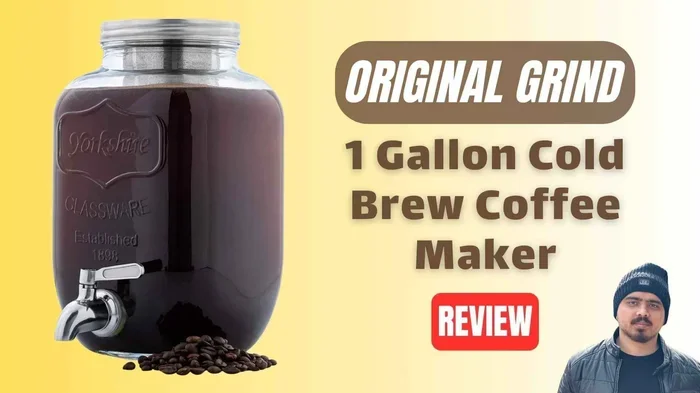
- A large mason jar or coffee pitcher with a lid, at least one gallon in size.
- A coffee strainer or fine mesh sieve for the first pass of filtration.
- A cheesecloth, nut milk bag, or fine paper filter for a second, finer strain.
- A measuring cup or kitchen scale to get your ratios right.
- Cold filtered water for the cleanest flavor possible.
If you prefer hot coffee instead, you can also check out how to make coffee in a microwave oven for a quick alternative method. But for now, let us focus on the cold brew process.
Getting the Coffee to Water Ratio Right
The coffee to water ratio is the most important part of your recipe. For a standard gallon of cold brew concentrate, use this ratio:
- 1 pound of coarse ground coffee to 1 gallon of cold water for a strong concentrate.
- 8 ounces of coffee to 1 gallon of water for a lighter, ready-to-drink brew.
Start with the stronger ratio if you like to dilute your coffee with ice or milk. You can always add more water later. The beauty of batch brewing is that you control the strength exactly to your liking.
Step-by-Step Guide to Making Cold Brew Coffee Gallon
Step One: Measure and Combine
Start by measuring out your coarse ground coffee. Add it to your clean mason jar or pitcher. Next, pour in the cold water slowly. Stir gently with a spoon to make sure all the grounds are fully saturated.
Make sure the water is truly cold. Room temperature water will not give you the same smooth results. Some people prefer to use filtered water because it removes chlorine and other flavors that can interfere with your coffee flavor.
Step Two: Let It Steep
Now comes the waiting game. Cover your jar and place it in the refrigerator. The brewing time for a gallon of cold brew is typically between 12 and 24 hours.
Here is a simple guide for timing:
- 12 hours produces a lighter, milder brew with subtle notes.
- 18 hours is the sweet spot for balanced flavor and smooth acidity.
- 24 hours gives you a strong, bold concentrate with deep rich notes.
Longer steeping does not always mean better. Going beyond 24 hours can introduce over-extracted bitter flavors. Find your preferred coffee strength by experimenting with different times.
Step Three: Strain and Filter
After steeping, it is time to separate the liquid from the grounds. Set up your strainer over a large bowl or another clean jar. Place your cheesecloth or fine mesh sieve inside the strainer.
Pour the mixture through slowly. Do not rush this step. Let gravity do the work. For an extra-clear result, you can do a second pass through a fresh piece of cheesecloth or a paper coffee filter.
This filtration step is what separates a smooth cold brew from a cloudy one. Take your time and you will be rewarded with a clean, bright cup.
Step Four: Dilute and Serve
Your cold brew concentrate is now ready, but it is very strong on its own. Dilute it with equal parts cold water, milk, or your favorite creamer. Start with a 1:1 ratio and adjust based on your taste.
Serve over ice for the classic refreshing drink. You can also use your cold brew as a base for lattes, smoothies, or even coffee cocktails. The possibilities are endless with a full gallon on hand.
Tips for Getting the Perfect Flavor Every Time
Use Quality Beans for Better Results
The quality of your beans directly impacts the final taste. Medium to dark roast beans work best for cold brew because they bring out chocolatey, nutty, and caramel notes. Light roasts can work too, but they tend to produce a more acidic cup.
Look for beans that are labeled as medium or dark roast. Single-origin beans can give you interesting flavor profiles. Experiment with different roasts to find what you love most.
Keep Everything Cold During the Process
Temperature matters in cold extraction. Always use cold water and store your brewing jar in the refrigerator from start to finish. Warm or hot water will extract different compounds and change the flavor profile dramatically.
If you live in a warm kitchen, place your jar in the coldest part of the fridge. Consistency in temperature leads to consistent, smooth results every time you brew.
Shake or Stir Mid-Steep
A simple trick that many people overlook is stirring your mixture halfway through the steeping time. Give the jar a gentle shake at the 6-hour mark. This redistributes the grounds and promotes even extraction.
Even extraction means every drop of your cold brew coffee gallon tastes balanced and full. It is a small step that makes a big difference in the final cup.
Try Different Coffee Origins
Do not be afraid to experiment with beans from different regions. Colombian beans often bring out caramel sweetness. Ethiopian beans can add fruity and floral notes. Brazilian beans tend to give a nutty, chocolatey base.
Each origin will taste different as a cold brew. Keep notes on what you like so you can repeat your favorite batches. This is part of the fun of batch brewing at home.
Storing and Serving Your Cold Brew
How Long Does Cold Brew Last in the Fridge
A properly stored cold brew concentrate lasts up to two weeks in the refrigerator. Store it in a sealed container, preferably glass, to preserve the flavor. Avoid plastic containers if possible, as they can absorb odors over time.
If you diluted your brew before storing, it will only last about 3 to 4 days. For the longest shelf life, keep your concentrate separate from any diluting liquids. Mix individual servings as you need them.
When you want to enjoy a warm version of your leftover cold brew, you can gently warm it up. If you need guidance on reheating beverages, learn how to reheat something in the oven without damaging the flavor.
Serving Ideas for Your Batch
A full gallon of cold brew opens up many serving options. Here are some ideas to try:
- Classic iced coffee with ice and a splash of milk.
- Cold brew latte with steamed or cold milk and a touch of vanilla.
- Cold brew mocha by adding chocolate syrup to your concentrate.
- Coffee smoothie blended with frozen banana and cocoa powder.
- Simple refreshment with just cold water and a squeeze of lemon.
Serving your cold brew coffee gallon in stylish glasses or mason jars also makes it feel like a café drink right at home. Your family and guests will love it.
Common Mistakes to Avoid When Brewing
Using the Wrong Grind Size
The most common mistake people make is using the wrong grind size. Fine grounds will pass through your filter and create a gritty, unpleasant texture. Always stick with coarse ground coffee for the cleanest results.
If your brew comes out cloudy or sandy, your grind is likely too fine. Adjust your grinder setting and try again. The right grind makes all the difference in the world.
Steeping for Too Long or Too Short
Timing is everything in cold extraction. Steeping for less than 12 hours usually results in weak, watery coffee. Going beyond 24 hours can make your brew taste bitter and harsh.
Stick to the 12 to 24 hour window and adjust based on your taste preferences. Keep notes on your timing so you can reproduce your perfect batch every time.
Skipping the Second Filtration
Some people strain their cold brew once and call it done. But skipping the second pass through cheesecloth or a paper filter often leaves fine particles in your cup. These particles can make the coffee taste muddy and dull.
Take the extra five minutes to filter twice. Your taste buds will thank you. The difference between single and double filtration is truly noticeable in the final glass.
Using Tap Water with Strong Chlorine Taste
Water makes up over 98 percent of your cold brew coffee gallon. If your tap water tastes chlorinated or off, your coffee will too. Always use filtered or spring water for the best flavor.
This is a small change that has a huge impact. Good water brings out the true character of your coffee beans. Do not overlook this simple but crucial step.
Frequently Asked Questions About Cold Brew Coffee Gallon
How Long Does Cold Brew Coffee Last in the Fridge
A sealed cold brew concentrate stays fresh for up to two weeks in the refrigerator. Once diluted with water or milk, it is best consumed within three to four days. Always store your batch in a clean, airtight glass container for maximum freshness.
Can I Use Regular Ground Coffee for Cold Brew
You can, but the results will not be as good. Regular fine or medium grounds tend to slip through filters and create a gritty texture. Coarse ground coffee is specifically designed for cold extraction and produces a much cleaner, smoother cup. Investing in a coarse grind is well worth it.
What Is the Best Coffee to Water Ratio for a Gallon
For a strong cold brew concentrate, use one pound of coffee per gallon of water. For a ready-to-drink batch, use eight ounces of coffee per gallon. Adjust these ratios based on how strong you like your coffee and how much you plan to dilute it before serving.
Can I Make Cold Brew Coffee in a Glass Pitcher
Absolutely. A glass pitcher works great for brewing a cold brew coffee gallon. Glass does not absorb flavors or odors like plastic can. Just make sure your pitcher is large enough to hold a full gallon plus extra space for the coffee grounds and any foaming during steeping.
Is Cold Brew Coffee Less Acidic Than Hot Coffee
Yes, cold brew is significantly less acidic than hot brewed coffee. The cold extraction process pulls out fewer acidic compounds, which is why cold brew often tastes smoother and less bitter. This makes it a great option for people who are sensitive to acidity or experience stomach discomfort from regular coffee.
How Do I Know When My Cold Brew Is Ready
Your cold brew is ready when it has steeped for at least 12 hours and the liquid has turned a rich brown color. Taste it at the 12-hour mark and every few hours after that. When the flavor hits the balance of smooth and strong that you enjoy, it is time to strain and serve.
Final Thoughts on Mastering Your Cold Brew Coffee Gallon
Brewing a cold brew coffee gallon at home is one of the simplest and most rewarding things you can do in the kitchen. With just a few ingredients and a little patience, you can create a smooth, refreshing drink that rivals any coffee shop offering.
Remember to use coarse ground coffee, keep your ratio consistent, and give your batch enough time to steep properly. The cold extraction process rewards you with a naturally sweet, low-acid cup that is perfect for hot days or anytime you want a pick-me-up.
Start with one batch and adjust the variables to match your personal taste. Soon you will have a reliable routine for batch brewing that fits seamlessly into your weekly schedule. Your wallet and your taste buds will both thank you.
Grab your mason jar, measure out your grounds, and start your first cold brew coffee gallon today. Once you taste the difference between homemade and store-bought, you will never go back.