Does Applying Coffee Make Your Skin Darker or Lighter
Applying coffee to your skin does not make it darker. In fact, coffee may help even out skin tone and provide antioxidant benefits. Many people use coffee grounds as a natural exfoliant to brighten the complexion and reduce the appearance of dark spots. The caffeine in coffee can stimulate blood flow and support healthy skin, but results vary depending on your skin type and how you apply it.
Have you ever wondered what happens when you put coffee on your skin? Maybe you spilled a cup of coffee and noticed a temporary stain on your hand. Or perhaps you saw a beauty blog claiming coffee can transform your complexion. The question keeps popping up: does applying coffee make your skin darker?
The short answer is no. Applying coffee to your skin does not make it darker in any permanent way. But the full story is more interesting than a simple yes or no. Coffee has a long history in natural skincare, and people use it for all sorts of reasons, from exfoliating dead skin cells to reducing the look of puffiness under the eyes.
In this article, we will dive deep into the science behind coffee and skin. We will explore what really happens when coffee touches your skin, whether it can lighten or darken your complexion, and how you can safely use coffee in your skincare routine. If you have ever been curious about coffee skin benefits, this guide is for you.
We will also share practical tips, common mistakes to avoid, and some easy DIY recipes you can try at home. So grab a cup of your favorite brew, and let us get into it.
Key Takeaways
- Coffee does not darken skin: There is no scientific evidence that applying coffee makes your skin darker.
- Coffee may brighten skin: The antioxidants and exfoliating properties can help even out skin tone.
- Melanin is the real factor: Skin color is determined by melanin production, not by topical coffee application.
- DIY coffee scrubs are popular: Many people use coffee grounds in face masks and body scrubs for skin benefits.
- Patch testing is essential: Always test coffee-based skin products on a small area first to avoid irritation.
- Consistency matters: Like most natural skincare remedies, results from coffee treatments build over time with regular use.
- Diet also affects skin: Foods rich in vitamins and antioxidants, like sweet potatoes, support overall skin health.
📑 Table of Contents
What Happens When Coffee Touches Your Skin
When you first apply coffee to your skin, you might notice a few things right away. The grounds feel gritty and textured. The liquid version might leave a temporary brown tint. But what is actually happening beneath the surface?
The Surface Stain Effect
Coffee contains natural pigments called tannins. These are the same compounds that make coffee stain your teeth or your favorite mug. When you apply coffee to your skin, those tannins can temporarily stain the outermost layer of skin. This stain is not permanent. It fades quickly, usually within a few hours or after you wash your face.
This temporary staining might make some people think their skin is getting darker. But rest assured, it is just a surface effect. The coffee pigment sits on top of the skin and does not penetrate deep enough to change your actual skin color.
How Caffeine Interacts With Skin
Caffeine is the most well-known compound in coffee. When applied to the skin, caffeine acts as a vasoconstrictor. This means it temporarily tightens blood vessels. The result is often a temporary tightening effect and a slight reduction in puffiness.
Many people use caffeine-based skincare products for this reason. You will find caffeine in eye creams, cellulite creams, and anti-aging serums. It is also a popular ingredient in coffee face masks sold at beauty stores.
Does Coffee Stain Permanently?
No. Coffee stains on skin are not permanent. Unlike a tattoo, which inserts pigment deep into the dermis, coffee sits on the epidermis. Your skin naturally sheds and renews itself every 27 days or so. The coffee stain will wash off with soap and water or fade within hours.
If you have ever had coffee drip on your skin and worried it would stay, you can relax. It is completely temporary and washes away easily.
The Science Behind Coffee and Skin Pigmentation
Now let us look at the real science. What determines your skin color in the first place? And can coffee actually influence that process?
Understanding Melanin Production
Your skin color is determined by a pigment called melanin. Specialized cells called melanocytes produce melanin. Everyone has roughly the same number of melanocytes. What differs is how much melanin they produce and what type of melanin they make.
Two types of melanin dominate human skin:
- Eumelanin: This is the brown-black pigment found in darker skin tones.
- Pheomelanin: This is the yellow-red pigment found in lighter skin tones.
The balance between these two pigments, along with genetics, sun exposure, and hormones, determines your natural skin tone. Coffee does not influence melanocyte activity in any meaningful way.
Can Coffee Affect Melanin Levels?
Some studies suggest that caffeine may have a mild effect on melanin production, but the results are far from conclusive. Most research on caffeine and melanin has been done in laboratory settings, not on human skin in real-world conditions.
Even in those studies, the effects were minimal. There is no strong evidence that applying coffee to your skin will increase or decrease melanin production. Your skin tone stays the same.
Coffee Antioxidants and Skin Health
Coffee is rich in antioxidants, especially a compound called chlorogenic acid. Antioxidants help fight free radicals, which are unstable molecules that can damage skin cells and accelerate aging.
Topical antioxidants are widely recognized in dermatology for their role in protecting the skin. While coffee antioxidants may support overall skin health, they do not change your natural skin color. They work at the cellular level to protect and repair, not to darken or lighten.
Coffee for Skin: Darkening or Lightening?
This is the question everyone wants answered. Let us break it down clearly.
Why People Think Coffee Darkens Skin
The confusion comes from the visible coffee stain. When you rub coffee grounds on your skin, it looks brown. That brown color is temporary, but it can be misleading. People see the brown tint and assume the coffee is changing their skin color.
Also, if you leave coffee on your skin for too long, it can cause a temporary darkening due to the staining effect. This is not a real change in your skin tone. It is simply the coffee pigment sitting on the surface.
Can Coffee Actually Lighten Skin?
Some people claim that coffee can lighten skin or reduce dark spots. There is some logic behind this claim. Coffee is a natural exfoliant. By removing dead skin cells, exfoliation can reveal fresher, brighter skin underneath.
Coffee also contains caffeine, which may help reduce the appearance of hyperpigmentation over time. Hyperpigmentation is when certain patches of skin become darker than the surrounding area. Regular exfoliation can help even out skin tone, which might give the appearance of lightening.
However, coffee does not contain any skin-lightening agents like hydroquinone or vitamin C in concentrations high enough to bleach or lighten skin. So while it may help even out your complexion, it will not fundamentally change your skin color.
What the Experts Say
Dermatologists generally agree that coffee is safe for topical use on most skin types. It is not known to cause skin darkening or lightening. If you are looking for real skin-lightening results, you should consult a dermatologist about proven treatments like retinoids, vitamin C serums, or chemical peels.
For a natural approach, coffee can be part of a healthy skincare routine. Just do not expect it to dramatically change your skin tone.
How to Use Coffee in Your Skincare Routine
If you want to try coffee for your skin, there are several ways to do it. Let us walk through the most popular methods.
Coffee Face Scrub
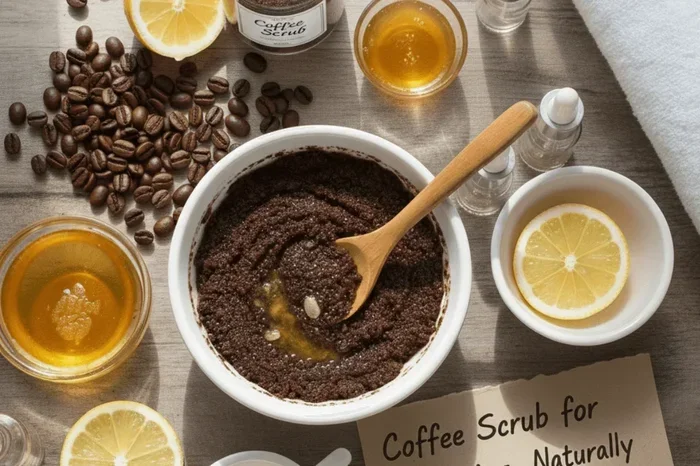
A coffee face scrub is one of the simplest DIY skincare projects. The grounds gently exfoliate dead skin cells, leaving your face feeling smooth and looking refreshed.
Here is a basic recipe:
- Mix 2 tablespoons of used coffee grounds with 1 tablespoon of honey.
- Add 1 teaspoon of coconut oil.
- Gently massage onto damp skin in circular motions.
- Leave on for 5 to 10 minutes.
- Rinse off with warm water.
Use this scrub no more than 2 to 3 times per week. Over-exfoliating can irritate your skin and cause redness.
Coffee Face Mask for Brightening
If you want to focus on evening out your skin tone, try a coffee face mask. Combine coffee grounds with yogurt and a squeeze of lemon juice. The lactic acid in yogurt and the vitamin C in lemon work alongside the coffee to create a brightening treatment.
Apply the mask for 15 minutes, then rinse thoroughly. Your skin should feel softer and look more radiant.
Coffee Under-Eye Treatment
Many people swear by coffee for reducing puffy eyes. The caffeine constricts blood vessels and can reduce swelling. Simply place two used coffee grounds under your eyes and relax for 10 minutes. Rinse with cool water.
For a quick fix, you can also steep two tea bags in hot water, let them cool, and place them over your closed eyes. This is a popular trick for morning puffiness.
Coffee Body Scrub
You can also use coffee grounds as a body scrub. Mix the grounds with olive oil and a few drops of your favorite essential oil. Use it in the shower to exfoliate dry skin on your elbows, knees, and heels.
The coarse texture of coffee grounds makes them excellent for rough patches. Just be gentle on sensitive areas like your chest and neck.
Quick Tips for Using Coffee on Skin
- Always patch test first. Apply a small amount behind your ear and wait 24 hours.
- Use finely ground coffee for face applications. Coarse grounds can be too harsh.
- Do not use coffee on broken or irritated skin.
- Moisturize after using coffee scrubs to prevent dryness.
- If you are using coffee grounds from brewing, make sure they are clean and free of additives.
Benefits of Coffee for Skin Care
Beyond the darkening and lightening questions, coffee offers several real benefits for your skin. Let us explore what the research and experience tell us.
Exfoliation
The granular texture of coffee grounds makes them a natural physical exfoliant. Exfoliation removes dead skin cells, unclogs pores, and promotes cell turnover. This can lead to smoother, brighter skin over time.
Unlike harsh chemical exfoliants, coffee grounds are gentle enough for most skin types when used correctly. They provide a mild scrubbing action without being too abrasive.
Antioxidant Protection
As mentioned earlier, coffee is packed with antioxidants. These compounds help protect your skin from environmental damage, including pollution and UV radiation. While coffee should not replace sunscreen, it can complement your sun protection routine.
Anti-Inflammatory Properties
Caffeine and other compounds in coffee have anti-inflammatory properties. This means they can help calm redness and reduce swelling. People with mild skin irritation or inflammation may find coffee treatments soothing.
Improved Blood Circulation
The caffeine in coffee stimulates blood flow when applied to the skin. Better circulation means more nutrients reach your skin cells. This can promote a healthier, more glowing complexion.
Reduction of Puffiness
Coffee is well-known for its ability to reduce puffiness. Whether it is under your eyes or on your face, caffeine can help tighten the skin temporarily and reduce the appearance of bloating.
Cellulite Appearance
Many people use coffee scrubs to reduce the appearance of cellulite. While coffee cannot eliminate cellulite, the exfoliation and circulation-boosting effects can make the skin look smoother temporarily.
Common Mistakes When Using Coffee on Skin
Using coffee on your skin sounds simple, but there are some mistakes that can cause problems. Here are the ones to watch out for.
Using Too Much Pressure
When you apply a coffee scrub, gentle pressure is key. Scrubbing too hard can damage your skin barrier and cause micro-tears. Always use light, circular motions.
Leaving Coffee On Too Long
Leaving coffee grounds on your skin for extended periods can cause excessive staining and irritation. Stick to the recommended times, usually 10 to 15 minutes maximum.
Skipping Moisturizer
Coffee can be drying, especially if you have dry or sensitive skin. Always follow up with a good moisturizer after using coffee on your face or body.
Ignoring Allergies
Some people may be allergic or sensitive to coffee. If you experience redness, itching, or burning after using coffee on your skin, stop immediately and wash the area thoroughly.
Expecting Overnight Results
Natural skincare takes time. If you expect coffee to transform your skin overnight, you will be disappointed. Consistent use over weeks and months is what produces visible results.
Using Coffee on Broken Skin
Never apply coffee to cuts, scrapes, or open wounds. The grounds can introduce bacteria and cause infection. Wait until your skin is fully healed before using coffee treatments.
Frequently Asked Questions
Can coffee make your skin darker permanently?
No, coffee cannot make your skin darker permanently. The temporary brown tint you may see after applying coffee is just a surface stain from the tannins in coffee. It fades quickly with washing and does not affect your natural skin color or melanin production in any lasting way.
Does coffee help lighten dark spots on the skin?
Coffee may help improve the appearance of dark spots over time through gentle exfoliation and increased blood circulation. However, it is not a skin-lightening treatment in the traditional sense. For significant hyperpigmentation, consult a dermatologist for proven treatments.
How often should I use coffee on my skin?
Using a coffee scrub 2 to 3 times per week is generally safe for most skin types. If you have sensitive skin, start with once a week and see how your skin reacts. Over-exfoliating can lead to irritation, dryness, and sensitivity.
Is it safe to put coffee on your face?
Yes, it is generally safe to put coffee on your face, as long as you do not have sensitive skin or allergies to coffee. Always do a patch test first, use finely ground coffee, and avoid applying it to broken or irritated skin. Moisturize after use to prevent dryness.
Can drinking coffee affect your skin color?
Drinking coffee does not change your skin color either. However, excessive coffee consumption can dehydrate your skin, which may make it look dull or tired. Staying hydrated and maintaining a balanced diet supports healthier-looking skin.
What is the best way to prepare coffee for a skin treatment?
The best way is to use freshly brewed, cooled coffee or fine coffee grounds. If you are brewing coffee at home, you can use the grounds after making your morning cup. For a smoother texture on your face, you can also blend the grounds to make them finer. If you want to learn more about brewing the perfect cup, check out our guide on how to make coffee in microwave oven for quick and easy methods.
Final Thoughts
So, does applying coffee make your skin darker? The answer is a clear no. Coffee may temporarily stain the surface of your skin, but it does not change your natural skin tone, increase melanin production, or cause any permanent darkening.
On the flip side, coffee is not a miracle skin-lightening treatment either. What it can do is support your skin through exfoliation, antioxidant protection, and improved circulation. These benefits may help your skin look healthier and more radiant over time.
If you are interested in natural skincare, coffee is a wonderful, affordable ingredient to explore. Just remember to be gentle, stay consistent, and manage your expectations. Real skincare results take time and patience.
And while you are exploring kitchen ingredients for beauty, do not forget that what you eat also matters. Nutrient-rich foods support your skin from the inside out. For example, sweet potatoes are packed with vitamins that promote healthy skin. Learn more about preparing them in our guide on how to make sweet potatoe in oven for a skin-friendly meal.
For those who enjoy baking with coffee or experimenting in the kitchen, understanding how your oven works can make all the difference. Check out our article on Cookeez Makery Oven How Does It Work if you are curious about oven technology and how it can help you create both delicious treats and simple kitchen skincare ingredients at home.
In the end, coffee is a versatile ingredient that belongs in both your cup and your skincare routine. Use it wisely, enjoy the process, and let your natural beauty shine through.