What Plant Makes Coffee And How It Ends Up In Your Cup
The coffee plant is the source of every cup you drink. It grows a fruit called a coffee cherry, which contains the beans we roast and brew. This article explains exactly what plant makes coffee and how those beans travel from the farm to your mug.
You sip your morning coffee without thinking about where it came from. But every drop starts with a plant. What plant makes coffee? The answer is simpler than you might think. It is a small bush or tree that grows bright red fruits. Each fruit holds two seeds. Those seeds become the coffee beans you grind and brew. The journey from that plant to your cup is long and fascinating. It involves farmers, processors, roasters, and baristas. In this article, you will learn exactly what plant makes coffee and how those beans end up in your mug. We will cover the plant itself, the fruit, processing, roasting, and brewing. You will also discover fun facts and practical tips along the way.
Many people assume coffee comes from a bean. In reality, it starts with a cherry-like fruit. The coffee plant thrives in warm climates near the equator. It needs rich soil, plenty of rain, and just the right altitude. The two most popular species are Arabica and Robusta. Arabica beans taste smooth and sweet. Robusta beans are stronger and more bitter. Both come from the same family of plants. Understanding the plant is the first step to truly appreciating your coffee. Let us dive into the world of coffee botany.
Key Takeaways
- The coffee plant belongs to the genus Coffea and produces red fruits called coffee cherries.
- Two main species dominate global production: Arabica and Robusta, each with distinct flavor profiles.
- Coffee cherries are processed using either the wet or dry method to extract the green coffee bean.
- Roasting transforms green beans into aromatic brown beans, with light, medium, and dark roast levels.
- Grinding and brewing release the flavors, and you can even brew coffee in a microwave oven for quick results.
- Home roasting is possible using a convection oven, which cooks faster than a regular oven.
- Understanding the journey helps you appreciate every sip of your daily coffee.
📑 Table of Contents
What Plant Makes Coffee: The Coffee Plant Explained
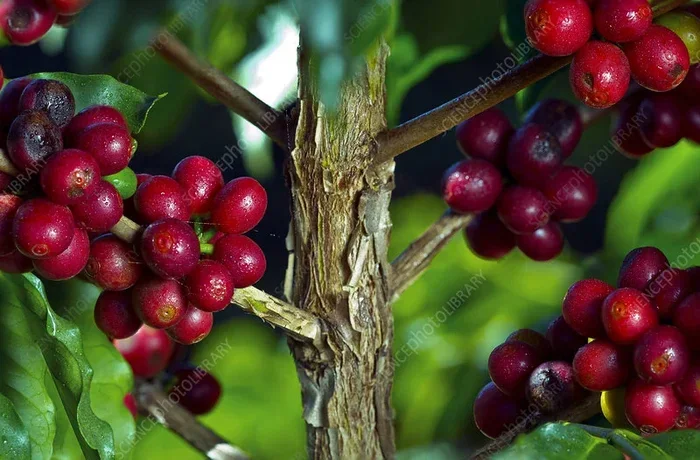
The coffee plant belongs to the genus Coffea. It is an evergreen shrub or small tree. Most coffee plants grow between 3 and 10 feet tall. Farmers prune them to keep the height manageable. The plant has glossy, dark green leaves. After a few years, it starts to bloom with white flowers. These flowers smell sweet, like jasmine. Once the flowers fall off, small green fruits begin to grow. These fruits are called coffee cherries. They take about 7 to 9 months to ripen. When ripe, they turn a bright, deep red. Some varieties turn yellow or orange instead. Inside each cherry, you usually find two seeds. Those seeds are what we call coffee beans. A single cherry can produce one bean, which is called a peaberry. Peaberries are rare and often prized for their flavor.
Where Does the Coffee Plant Grow?
The coffee plant loves the Coffee Belt. This is a region that wraps around the equator. It includes parts of Central and South America, Africa, and Asia. Countries like Ethiopia, Colombia, Brazil, and Vietnam are top producers. The plant grows best at high altitudes. Cooler temperatures slow the growth of the cherries. This allows more complex flavors to develop. Volcanic soil is also ideal. It is rich in minerals that help the plant thrive. Arabica plants prefer higher elevations and cooler climates. Robusta plants can handle lower altitudes and hotter weather. They are also more resistant to pests. This makes Robusta easier to grow in some regions.
How Long Does a Coffee Plant Live?
A healthy coffee plant can live for 50 to 100 years. However, most farmers harvest beans from plants that are 20 to 30 years old. The plant reaches full production after about 5 years. After that, it produces cherries every year. A single tree can yield around 1 to 2 pounds of roasted coffee per year. That is not much. It takes many trees to supply a single coffee shop. This is why coffee farming requires so much land and labor.
From Cherry to Bean: The Coffee Fruit
The coffee cherry is the fruit of the coffee plant. It looks a lot like a small red grape or cherry. Each cherry has several layers. The outer skin is called the exocarp. Beneath that is the pulp, or mesocarp. The pulp is sweet and fruity. Next comes a sticky layer called the parenchyma. Inside that lies the parchment, a thin protective shell. Inside the parchment, you find the green coffee bean. The bean itself has a thin seed coat called the silver skin. When you roast the bean, the silver skin falls off. The final product is the brown coffee bean you recognize. Each layer plays a role in protecting the bean during growth.
What Do Coffee Cherries Taste Like?
Coffee cherries are sweet and juicy. The pulp tastes like a mix of cherry and honey. Some people describe it as having tropical fruit notes. In some countries, farmers eat the cherries as a snack. Others make tea from the dried pulp. The fruit is not just a byproduct. It is an important part of the plant. The sweetness of the pulp helps feed the seed inside. This is what gives coffee its complex flavor profile.
How Many Beans Are in a Cherry?
Most coffee cherries contain two beans. They lie flat against each other, like two halves of a pea. That is why the coffee plant is often called a coffee tree. When only one bean develops, it forms a round shape. This is called a peaberry. Peaberries make up about 5 to 10 percent of a harvest. They are separated from regular beans because they roast more evenly. Some roasters believe peaberries have a sweeter, more concentrated flavor.
Processing and Milling: Turning Cherries into Green Beans
Once the cherries are picked, they must be processed quickly. If left too long, the fruit can ferment and ruin the beans. There are two main methods for processing coffee. The first is the wet process, also called the washed method. The second is the dry process, also called the natural method. Each method gives the final bean a different flavor.
The Wet Process
In the wet process, farmers remove the outer skin and pulp within 24 hours of picking. They use water to soak the cherries. A machine called a depulper strips away the fruit. The beans then sit in water for 12 to 48 hours. During this time, natural enzymes break down the sticky layer. After fermentation, the beans are washed clean. They still have the parchment and silver skin on. The wet process produces a clean, bright cup of coffee. It is common in countries with plenty of water, like Colombia and Kenya.
The Dry Process
The dry process is the oldest method. Farmers spread the whole cherries out to dry in the sun. They rake them regularly to ensure even drying. This can take two to four weeks. As the cherries dry, the fruit shrinks and hardens around the bean. Once fully dry, the cherries go to a mill. Machines called hullers remove the dried fruit and parchment. The dry process often gives the beans a fruity, earthy flavor. It is common in Brazil and Ethiopia. It also uses less water than the wet process.
What Happens After Hulling?
After hulling, the beans still have the silver skin attached. A polisher removes this thin layer. The beans are then sorted by size and weight. They are also graded for color and defects. High-quality beans are separated from lower-grade ones. This sorting ensures only the best beans make it to export. The green beans are then packed into jute bags. They are shipped to roasters around the world. At this stage, the beans are hard and smell grassy. They look nothing like the dark, aromatic beans in your grinder.
Roasting: Transforming Green Beans into Aromatic Coffee
Roasting is where the magic happens. Green coffee beans are soft and smell like grass. Roasting uses high heat to transform them. The heat causes chemical reactions inside the bean. Sugars caramelize, acids break down, and new flavor compounds form. The bean turns brown, expands, and becomes crunchy. Roasting is both a science and an art. Different roast levels bring out different characteristics.
Light Roast vs Medium Roast vs Dark Roast
Roasters control the final flavor by adjusting time and temperature. A light roast is roasted for a shorter time. The beans stay light brown and retain most of their original acidity. You can taste fruity or floral notes in a light roast. A medium roast is roasted a bit longer. The beans become medium brown. They have a balanced flavor with some sweetness. A dark roast is roasted the longest. The beans are dark brown and oily. Dark roasts have a bold, smoky, or chocolatey flavor. The original origin notes are often masked by the roast. Each roast level suits different brewing methods.
Can You Roast Coffee at Home?
Yes, you can roast coffee at home with simple equipment. One popular method is using your kitchen oven. If you use a convection oven, it can cook faster than a regular oven. That means you can roast small batches more efficiently. The fan circulates hot air around the beans, ensuring even roasting. You can also use a popcorn popper or a dedicated coffee roaster. Home roasting lets you experiment with different beans and roast levels. It is a fun way to customize your coffee exactly the way you like it.
When using a convection oven for roasting, you might wonder about the settings. If you see the conv bake option on your oven, it means the fan and heating element work together to circulate hot air evenly. This is ideal for roasting coffee beans because it prevents hot spots. You can learn more about what that setting means in our guide on what conv bake means on my oven.
What Temperature Should You Roast Coffee?
Roasting temperatures typically range from 350°F to 450°F. Light roasts are pulled at around 350°F to 400°F. Medium roasts reach 400°F to 430°F. Dark roasts go above 430°F up to 450°F. The beans make cracking sounds during roasting. The first crack sounds like popcorn popping. It signals the bean has expanded and reached a light roast. The second crack is quieter and more subtle. It signals the bean has reached a medium to dark roast. Roasters use these cracks as cues to stop the roast at the right time.
Grinding and Brewing: The Final Steps to Your Cup
Once the beans are roasted and cooled, they are ready to be ground. Grinding breaks the beans into small particles. This increases the surface area, which allows water to extract the flavors quickly. The grind size matters a lot. It affects how fast the coffee brews and how strong it tastes. There are many ways to grind coffee. Blade grinders chop the beans quickly. Burr grinders crush them into a more consistent size. For the best results, a burr grinder is the way to go.
How to Choose the Right Grind Size
Different brewing methods need different grind sizes. Here is a quick guide:
- Extra Coarse: Best for cold brew. It looks like rough sea salt.
- Coarse: Great for French press. It resembles chunky sand.
- Medium-Coarse: Good for drip coffee makers and pour-over.
- Medium: The standard for most automatic drip machines.
- Fine: Ideal for espresso machines. It feels like table salt.
- Extra Fine: Used for Turkish coffee. It is like powdered sugar.
Brewing Methods You Can Try at Home
You have many options for brewing coffee at home. A drip coffee maker is simple and convenient. A French press gives you a rich, full-bodied cup. Pour-over methods like the Hario V60 let you control the water flow. An espresso machine forces hot water through fine grounds at high pressure. Each method brings out different flavors. If you are in a rush, you can even make coffee in a microwave oven. Just add water and grounds to a microwave-safe mug, heat it for a minute or two, and stir. It is not the best method for flavor, but it works when you need a quick caffeine boost. You can find more tips on making coffee in a microwave oven in our dedicated guide.
Quick Tips for Better Brewing
- Always use fresh, filtered water. It makes up over 98 percent of your cup.
- Grind your beans just before brewing. This keeps the flavors fresh.
- Use the right water temperature. Aim for 195°F to 205°F.
- Measure your coffee and water carefully. A standard ratio is 1 to 2 tablespoons of coffee per 6 ounces of water.
- Clean your equipment regularly. Old oils can make your coffee taste rancid.
How Coffee Travels from Farm to Table
After processing and roasting, the beans are ready for export. Green beans are packed in large bags and shipped by sea or air. They travel thousands of miles to reach roasters in different countries. Importers and distributors handle the logistics. They ensure the beans arrive fresh and in good condition. Roasters then buy the beans in small or large batches. They roast them to bring out the best flavors. The roasted beans are then packaged and sent to cafes, grocery stores, and online retailers. Finally, you buy the beans or grounds and brew them at home. It is a global journey that connects farmers to drinkers.
The next time you drink a cup, think about the long road it took. It started as a tiny flower on a coffee plant. Then it became a red cherry on a branch. Farmers picked it, processed it, and dried it. It was shipped across the ocean, roasted to perfection, and ground just for you. That is the story of what plant makes coffee. It is a story of nature, hard work, and craft. Understanding this journey can make your daily coffee ritual even more meaningful.
You do not need to be a coffee expert to enjoy a great cup. Start by choosing quality beans. Try different roast levels and origins. Experiment with grind sizes and brewing methods. If you want to dive deeper into roasting at home, remember that a convection oven can be a great tool. It cooks faster than a regular oven, giving you more control over the process. And if you ever need a quick cup, you know you can always make coffee in a microwave oven. The world of coffee is vast and exciting. Every bean tells a story. Now you know that story starts with the coffee plant.
Frequently Asked Questions
What plant makes coffee?
The coffee plant, belonging to the genus Coffea, produces the beans we use to make coffee. The most common species are Arabica and Robusta. The plant grows a red fruit called a coffee cherry, which contains the seeds we roast and brew.
How long does it take for a coffee plant to produce cherries?
A coffee plant usually takes about 3 to 5 years to start producing fruit. Once mature, it can yield cherries every year for several decades. Each tree typically produces around 1 to 2 pounds of roasted coffee annually.
Can you roast coffee beans at home?
Yes, you can roast coffee beans at home using an oven, a popcorn popper, or a dedicated roaster. A convection oven is especially effective because it cooks faster than a regular oven, ensuring even roasting. Always keep an eye on the beans to avoid burning them.
What is the difference between Arabica and Robusta coffee?
Arabica beans are known for their smooth, sweet flavor with fruity or floral notes. Robusta beans are stronger, more bitter, and contain nearly twice the caffeine. Arabica plants grow best at high altitudes, while Robusta plants thrive at lower elevations and are more pest-resistant.
How do you grind coffee for the best flavor?
For the best flavor, use a burr grinder to achieve a consistent particle size. The grind size should match your brewing method. Coarse grinds work well for French press, while fine grinds are essential for espresso. Always grind your beans just before brewing.
Is it possible to make coffee in a microwave oven?
Yes, you can make a quick cup of coffee in a microwave oven. Simply combine ground coffee with hot water in a microwave-safe mug, heat for about 60 to 90 seconds, and stir. While it does not produce the same rich flavor as pour-over or French press, it is a convenient option when you are short on time.
=== CONCLUSION ===
What plant makes coffee? The answer is the coffee plant, a remarkable shrub that grows in warm climates around the world. From the coffee cherry to the green bean, from roasting to grinding, every step adds to the flavor you love. Understanding this journey helps you appreciate your daily cup even more. Whether you brew with a French press, an espresso machine, or even a microwave oven, you are taking part in a global tradition. Try different beans, experiment with roast levels, and enjoy the process. Coffee is more than a drink. It is a story that starts with a simple plant.