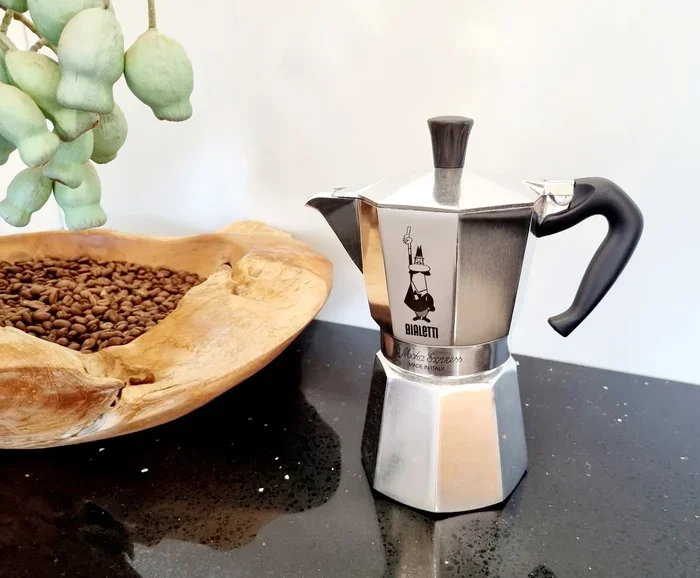
How To Use Bialetti Stovetop Coffee Maker Like A Pro
Brewing café-quality espresso at home is simple with a Bialetti Stovetop Coffee Maker. This iconic aluminum moka pot delivers rich, full-bodied coffee right on your stovetop. You’ll learn exact assembly, brewing steps, and pro tips for perfect results every time.
There’s something magical about the ritual of making stovetop espresso. The Bialetti Stovetop Coffee Maker has been a kitchen staple for decades, turning simple stove heat into rich, velvety coffee. Unlike drip machines or pod systems, this aluminum moka pot gives you control over every variable. You decide the grind, the water temperature, and the brew time. The result is a cup that tastes far more intentional than anything from a vending machine.
Many people buy a Bialetti and never unlock its full potential. They fill it wrong, use the wrong heat, or skip cleaning. That’s why this guide exists. Whether you just unboxed your first moka pot or you’ve been using one for years, you’ll discover techniques that elevate your daily coffee. We’ll walk through the entire process, from unboxing to that first satisfying sip. By the end, you’ll know exactly how to use Bialetti Stovetop Coffee Maker like a seasoned barista.
If you’ve ever wondered how to make coffee in microwave oven, that method relies on a completely different approach. The Bialetti stovetop maker uses direct heat and pressure to extract flavor, which creates a richer body. A combi oven can also heat water, but it’s not designed for this specific brewing method. You can explore how to use combi oven for other kitchen tasks, but for authentic stovetop espresso, the Bialetti remains unmatched. And if your coffee ever cools down, you can learn how to reheat something in the oven gently, though a fresh brew is always best.
Key Takeaways
- Correct Assembly Matters: Properly sealing the water chamber, filter basket, and upper pot prevents leaks and ensures even extraction.
- Low Heat Is Key: Using medium-low heat slows the brewing process, producing a smoother, less bitter espresso.
- Fresh Grounds Make a Difference: Use finely ground coffee, but not espresso-fine, for the best stovetop flavor.
- Clean After Every Use: Rinsing and occasional deep cleaning removes coffee oils that turn rancid and affect taste.
- Remove from Heat Early: Stop brewing as soon as you hear a gurgling sound to avoid over-extraction and burnt flavors.
- Experiment with Ratios: Adjusting coffee-to-water ratios lets you customize strength to your personal preference.
📑 Table of Contents
Understanding Your Bialetti Stovetop Coffee Maker
Before you brew, it helps to know the parts of your moka pot. The Bialetti design is brilliantly simple, with just a few components. Each piece plays a specific role in the extraction process. Understanding these parts ensures you assemble everything correctly.
The Bottom Water Chamber
This is the base where you add cold water. It sits directly on the stove burner. The chamber has a maximum fill line, usually marked with a small valve or groove. Never exceed this line, or hot water and steam could escape into your coffee. The water here is what generates the pressure needed to push hot water through the coffee grounds.
The Filter Basket
Sitting above the water chamber, the filter basket holds your ground coffee. It’s a removable, perforated container that snaps into place. You fill it to the top with coffee, but you don’t tamp it down tightly. The basket’s design allows even water distribution, which is crucial for balanced extraction. Using too fine a grind can clog the basket and create a messy, slow brew.
The Upper Serving Pot
This is where your finished coffee collects. It screws onto the bottom chamber, creating a seal. The upper pot often has a pour spout and a handle. As pressure builds, hot water travels through the coffee grounds and rises into this top section. The metal construction keeps the coffee warm longer than a glass carafe.
The Rubber Gasket and Safety Valve
The rubber gasket ensures an airtight seal between the bottom and upper pots. Over time, this gasket can wear out, leading to steam leaks and weak coffee. Check it regularly and replace it if it looks cracked. The safety valve sits on the bottom chamber and releases excess pressure. Never block this valve, as it’s a critical safety feature.
How To Use Bialetti Stovetop Coffee Maker Step by Step
Now that you know the parts, let’s brew. The process is quick and rewarding. Follow these steps exactly for the best results.
Step 1: Prepare the Water
Start with cold, filtered water. Fill the bottom chamber up to the safety valve’s level, but never above the max line. Cold water ensures a controlled brewing temperature. Hot water can shock the coffee grounds and create a flat, bitter taste. Some people use hot water to speed things up, but it sacrifices flavor complexity.
Step 2: Fill the Filter Basket
Remove the filter basket and fill it with freshly ground coffee. Use a medium-fine grind, similar to table salt. Do not press the grounds down. The water needs room to flow through evenly. Overpacking leads to channeling, where water finds the path of least resistance and under-extracts parts of the coffee.
Step 3: Assemble the Pot
Screw the upper pot onto the bottom chamber. Ensure the gasket is properly seated. Hand-tighten until snug, but don’t force it. A good seal is essential for building pressure. If you hear air escaping during brewing, the seal isn’t tight enough.
Step 4: Heat the Pot
Place the assembled Bialetti on a burner set to medium-low heat. The goal is a slow, steady extraction. High heat forces water through too quickly, resulting in sour, underdeveloped coffee. Low heat preserves the delicate oils and flavors. Keep the lid open so you can watch the process.
Step 5: Listen for the Gurgling Sound
Within a few minutes, you’ll hear a hissing and gurgling noise. This means the coffee is rising into the upper pot. When the sound becomes a loud, sputtering noise, immediately remove the pot from the heat. This is the sign that the brewing is complete. Leaving it on the burner will scorch the coffee grounds and create a harsh, burnt flavor.
Step 6: Serve and Enjoy
Stir the coffee gently in the upper pot before pouring. This mixes the crema and liquid for a consistent flavor. Serve immediately in small cups. Bialetti espresso is best enjoyed fresh. It has a bold, slightly smoky flavor that differs from pump espresso machines. The experience is rustic and deeply satisfying.
Tips for Perfecting Your Brew
Mastering the Bialetti takes a little practice. These pro tips will help you dial in the perfect cup every time.
- Use Room-Temperature Water: If you forget to fill the chamber with cold water, let it sit for a minute after adding hot tap water. This prevents thermal shock to the aluminum.
- Preheat the Pot: Rinse the bottom chamber with warm water before adding cold water. This small step keeps the brewing temperature more stable.
- Experiment with Coffee Ratios: A standard ratio is one tablespoon of coffee per one ounce of water. Adjust to taste. More coffee makes a stronger brew, but don’t exceed the basket’s capacity.
- Choose the Right Grind Size: A burr grinder gives you consistent particles. Avoid blade grinders, which create a mix of dust and chunks. The dust clogs the filter, and the chunks under-extract.
- Use a Heat Diffuser: If your stove runs hot, a heat diffuser spreads the flame evenly. This prevents the bottom from scorching while the top waits for water to push through.
- Add a Pinch of Salt: A tiny pinch of salt in the grounds reduces bitterness without making the coffee taste salty. This is a classic Italian trick.
Cleaning and Maintenance
Keeping your Bialetti clean is essential for great-tasting coffee. Coffee oils build up over time and turn rancid. Unlike a drip machine, you can’t just run a cleaning cycle. The moka pot requires manual care, but it’s simple.
Daily Cleaning Routine
After each use, disassemble the pot while it’s still warm (but not hot). Rinse the water chamber, filter basket, and upper pot with warm water. Use your fingers to remove the spent coffee grounds from the basket. Never use soap. Soap strips the seasoning from the aluminum and can leave a chemical taste. The aluminum naturally develops a patina that enhances flavor over time.
Deep Cleaning Weekly
Once a week, soak the filter basket in a mixture of baking soda and warm water. This removes oily residue. For the upper pot, rub a cut lemon inside to restore shine and remove stains. The rubber gasket should be removed and washed separately. Check it for cracks or stiffness. Replace the gasket every 6 to 12 months, depending on usage.
Descaling the Water Chamber
If you live in a hard water area, mineral deposits can build up inside the bottom chamber. To descale, fill the chamber with equal parts water and white vinegar. Bring it to a simmer on the stove without the upper pot attached. Let it sit for 15 minutes, then rinse thoroughly with plain water. Run a blank brew cycle with just water to flush out any vinegar taste.
Common Mistakes to Avoid
Even experienced users make errors that ruin a perfect pot of coffee. Here are the most common mistakes and how to fix them.
Using the Wrong Heat Level
High heat is the number one enemy of Bialetti coffee. It boils the water too fast, pushing steam through the grounds without proper extraction. The result is thin, sour coffee with a burnt aftertaste. Always start with medium-low heat. If you’re using a gas stove, keep the flame below the base of the pot. Electric coils can be tricky because they retain heat; use a heat diffuser if needed.
Overfilling the Filter Basket
It’s tempting to cram as much coffee as possible into the basket. This creates too much resistance, forcing the water to find gaps and bypass the grounds. You end up with weak, watery coffee and a mess of grounds in your cup. Fill the basket to the top, but level it off with a finger. Never press the coffee down.
Ignoring the Gasket
A worn gasket is a silent coffee killer. It lets steam escape before building enough pressure to push water through the coffee. You’ll notice the brew takes longer, or the coffee tastes watery. Replace the gasket annually. They cost just a few dollars and transform your pot’s performance.
Leaving Coffee in the Pot
Never leave brewed coffee sitting in the upper pot on the stove. The residual heat continues to cook the coffee, turning it bitter and acrid. Pour it into a warm cup or a thermos immediately after brewing. If you want to keep it hot, use a separate insulated container.
Bialetti vs Other Brewing Methods
How does the Bialetti Stovetop Coffee Maker stack up against other popular methods? This comparison helps you understand why it’s a unique choice for home espresso.
| Brewing Method | Brew Time | Flavor Profile | Ease of Use | Cost |
|---|---|---|---|---|
| Bialetti Stovetop Moka Pot | 4–5 minutes | Rich, bold, slightly smoky | Very easy, no electricity | Low ($20–$40) |
| Electric Drip Coffee Maker | 5–10 minutes | Mild, clean, light body | Very easy, automatic | Low ($30–$80) |
| French Press | 4 minutes steeping | Full-bodied, oily, textured | Simple, manual | Low ($20–$50) |
| Espresso Machine (Pump) | 25–30 seconds per shot | Concentrated, creamy crema | Requires learning, bulky | High ($200+) |
| Instant Coffee | 1 minute | Thin, artificial, weak | Easiest | Very low |
The Bialetti strikes a perfect balance between simplicity and flavor. It doesn’t require electricity or expensive pods, yet it produces a cup with more character than drip coffee or instant. The brewing time is short, making it ideal for busy mornings. It’s also incredibly portable, which makes it a favorite for camping trips or small kitchens.
Frequently Asked Questions About Bialetti
Let’s tackle some common questions that new Bialetti users often ask. These answers will help you avoid frustration and get the most from your stovetop coffee maker.
Can I use pre-ground coffee in my Bialetti?
Yes, you can use pre-ground coffee, but fresh beans ground just before brewing yield the best flavor. If you must use pre-ground, choose a medium-fine grind labeled for moka pots. Avoid espresso grind, which is too fine and will clog the filter basket. Store your coffee in an airtight container to preserve freshness.
Why does my Bialetti coffee taste bitter?
Bitterness usually comes from using too high a heat or leaving the pot on the stove too long. High heat over-extracts the coffee, pulling out harsh compounds. Also, using coffee that’s ground too fine can cause bitterness. Try lowering the heat and removing the pot as soon as you hear the sputtering sound. Cleaning the pot thoroughly also helps, as old coffee oils turn bitter over time.
Is it normal for the Bialetti to leak steam from the top?
A small amount of steam is normal during brewing. However, if steam sprays forcefully from the top or around the lid, the seal isn’t tight. Check that the gasket is properly seated and not damaged. Also, ensure you haven’t overfilled the water chamber. The safety valve should never be blocked, as it releases excess pressure.
Can I use a Bialetti on an induction stove?
Standard Bialetti pots are made of aluminum, which is not magnetic. They won’t work on induction cooktops unless the pot has an induction-compatible base. Bialetti does sell specific models with a magnetic disc in the bottom. Check the product description before purchasing if you have an induction stove.
How long does a Bialetti pot last?
With proper care, a Bialetti moka pot can last for years, even decades. The aluminum body is durable, but the rubber gasket and safety valve are the most likely parts to wear out. Replacing these small components regularly keeps the pot performing like new. Many people pass down their Bialetti pots as family heirlooms.
Can I make tea or other beverages in a Bialetti?
The Bialetti is designed specifically for coffee, but you can heat water for tea or hot chocolate in it. However, the pot’s narrow upper section isn’t ideal for steeping tea leaves. For tea, it’s better to use a kettle. The coffee oils left in the pot can also affect the taste of tea, so it’s best to stick to coffee for the best flavor.
Conclusion
Using a Bialetti Stovetop Coffee Maker is one of the simplest ways to elevate your daily coffee routine. It’s a tool that rewards attention to detail. By following the steps outlined in this guide, you’ll consistently brew rich, flavorful espresso without any complicated equipment. Remember to use low heat, fresh grounds, and a clean gasket. These small habits make a world of difference.
The beauty of the Bialetti is in its durability and simplicity. It doesn’t need electricity or pods. It just needs you. Once you master the technique, you’ll never go back to weak, lifeless coffee. The ritual of watching the coffee rise and hearing the gurgle becomes a cherished part of your morning. So grab your Bialetti, fill it with care, and enjoy the perfect cup of stovetop espresso. You’ve got this.