Does Coffee Damage Teeth Here Is What The Experts Say
Does coffee damage teeth? The short answer is yes, but the full story is more nuanced. Dental experts confirm that coffee can harm your tooth enamel due to its high acidity and staining properties. However, you do not need to give up your morning cup entirely. With the right oral hygiene habits and smart coffee drinking strategies, you can enjoy your brew while keeping your smile healthy and bright.
You wake up every morning and reach for that warm cup of coffee. It is comforting. It is energizing. It is practically a ritual for millions of people worldwide. But have you ever stopped to wonder, does coffee damage teeth? This is a question that many coffee lovers ask but rarely get a clear answer to.
The truth is, coffee is one of the most popular drinks on the planet, and it also happens to be one of the biggest culprits when it comes to dental problems. Dental professionals have studied the effects of coffee on oral health for decades. The findings are clear but not as scary as you might think. Coffee and oral health do not have to be enemies. With the right knowledge and habits, you can keep drinking your favorite brew without destroying your smile.
In this article, we will break down exactly how coffee affects your teeth, what the experts say, and what you can do to protect your enamel. Whether you drink one cup a day or five, this guide will give you practical advice you can use starting today.
Key Takeaways
- Coffee weakens tooth enamel over time because of its natural acidity, which can lead to erosion and sensitivity.
- Tannins in coffee cause stubborn stains that embed into the microscopic pores of your teeth.
- Adding sugar or sweeteners makes things worse by feeding harmful bacteria that cause tooth decay.
- Simple habits like rinsing with water after drinking coffee can significantly reduce damage.
- Regular dental checkups and professional cleanings are essential for coffee drinkers who want long-term dental health.
📑 Table of Contents
What Happens When Coffee Meets Your Teeth
You might think coffee just stains your teeth on the surface. But the reality is deeper than that. When you take a sip of coffee, the liquid coats your teeth and interacts with your enamel in several ways. Understanding these interactions helps you see why coffee and tooth damage go hand in hand for many people.
The Acidity Factor
Coffee is acidic. Most black coffee has a pH level between 4.5 and 5.5. Your enamel starts to break down when the pH drops below 5.5. This means your favorite morning drink is already in the danger zone. Tooth enamel erosion happens slowly over time. You might not notice it at first, but the damage adds up.
When acid attacks your enamel, it softens the outer layer of your teeth. This makes them more vulnerable to wear from brushing, grinding, and even eating. Over months and years, this erosion can lead to thinner enamel, increased tooth sensitivity, and a higher risk of cavities.
The Staining Reality
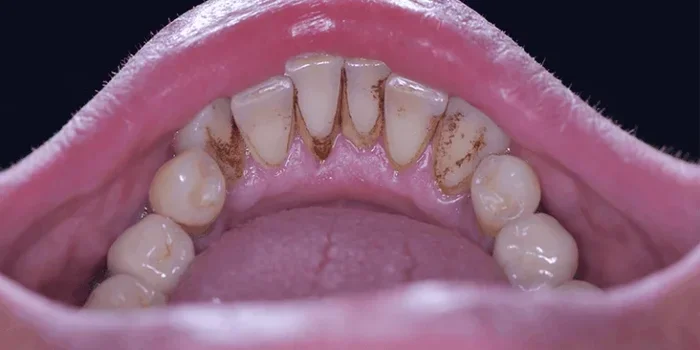
Ever notice that your teeth look yellow after weeks of drinking coffee? That is not your imagination. Coffee contains compounds called chromogens, which produce intense color. These chromogens stick to your enamel and create those telltale coffee stains on teeth.
But there is more. Coffee also contains tannins. Tannins are the same compounds found in red wine and tea. They help color compounds stick to your teeth even more firmly. Over time, these stains become deeply embedded. Regular brushing alone may not be enough to remove them. This is why many coffee drinkers eventually seek out teeth whitening treatments.
The Temperature Problem
Hot coffee can also play a role in dental damage. When you drink something very hot and then something very cold, your teeth expand and contract rapidly. This thermal shock can cause tiny cracks in your enamel. These micro-cracks collect stains and bacteria more easily. So that piping hot latte you sip slowly throughout the morning might be doing more harm than you realize.
The Science Behind Coffee And Tooth Damage
Scientists and dental professionals have conducted extensive research on how coffee affects teeth. Let us look at what the studies actually say about coffee consumption and dental health.
How Acid Erodes Enamel
A study published in the Journal of Dentistry found that coffee can cause significant enamel softening. The acid in coffee dissolves the mineral structure of your teeth. This process is called demineralization. When your enamel loses minerals, it becomes weaker and more prone to damage.
Here is what makes this particularly tricky. Many people add lemon, cream, or flavored syrups to their coffee. These additions can change the acidity level. Some flavored coffee drinks are even more acidic than black coffee. A sugary flavored latte, for example, combines acid with sugar, creating a double threat to your dental health.
Sugar and Bacteria: A Dangerous Combo
You already know sugar causes cavities. But did you know that coffee itself can make your mouth more hospitable to bacteria? Coffee reduces saliva flow in some people. Saliva is your mouth’s natural defense against harmful bacteria. When saliva production drops, bacteria thrive. They feed on leftover food particles and produce acids that further attack your enamel.
If you add sugar to your coffee, you are essentially feeding the bacteria that cause tooth decay. Even natural sweeteners like honey or maple syrup can contribute to this problem. The longer the sugar stays in contact with your teeth, the more damage it causes.
Coffee Drinking Habits That Make Things Worse
How you drink coffee matters just as much as what you drink. Certain habits can amplify the damage. Here are some common patterns that harm your teeth:
- Sipping coffee throughout the day. This keeps your teeth bathed in acid for hours. Your enamel never gets a chance to recover.
- Drinking coffee right before bed. Saliva production drops during sleep, so the acid stays on your teeth longer.
- Using a straw incorrectly. While straws can help, most people sip coffee through straws without actually directing the liquid past the teeth.
- Brushing immediately after drinking. This sounds like good advice, but brushing softened enamel can cause more wear. Wait at least 30 minutes.
Common Signs Of Coffee Damage To Teeth
How do you know if coffee is damaging your teeth? The signs are often subtle at first. But over time, they become impossible to ignore. Here are the most common indicators that your coffee habit is taking a toll on your dental health.
Yellow or Brown Discoloration
This is the most visible sign. If your teeth have lost their bright white appearance and developed a yellow or brown tint, coffee is likely the cause. The stains from coffee and oral health issues often appear on the front teeth first because that is where the liquid hits most directly.
Increased Tooth Sensitivity
Do your teeth hurt when you drink hot coffee or eat ice cream? Sensitivity is a classic sign of enamel erosion. When the protective layer of your teeth wears thin, the inner dentin becomes exposed. This dentin contains tiny tubes that lead directly to your nerve endings. The result is that sharp zing you feel with hot or cold foods.
Rough or Chalky Texture
Run your tongue over your teeth. They should feel smooth. If they feel rough or chalky, your enamel may be thinning. Acid erosion changes the surface texture of your teeth. This roughness also makes it easier for stains to cling to your enamel.
Tiny Cracks or Chips
Thermal damage from hot coffee can cause small cracks over time. You might not see them, but your dentist can spot them during a routine exam. These cracks weaken your teeth and make them more susceptible to further damage.
How To Protect Your Teeth While Enjoying Coffee
Here is the good news. You do not have to choose between your morning coffee and healthy teeth. There are many practical steps you can take to enjoy your daily brew without sacrificing your dental health. The key is building smart habits around your coffee consumption.
Rinse With Water After Every Cup
This is the single easiest thing you can do. After finishing your coffee, swish plain water around your mouth. This washes away the acid and staining compounds before they have time to do serious damage. It also helps restore your mouth’s pH balance. Make this a non-negotiable habit, and your teeth will thank you.
Use a Straw When Possible
Drinking coffee through a straw reduces contact with your front teeth. It is not a perfect solution, but it helps. If you drink iced coffee, this is especially easy to do. For hot coffee, a reusable straw works just as well.
Limit Sugar and Cream
The less sugar you add, the better for your teeth. If you need flavor, try adding a splash of milk instead of sugar. Milk also helps neutralize some of the acid. Just be aware that cream can still contribute to staining over time.
Wait Before Brushing
As tempting as it is to brush your teeth right after your morning coffee, resist the urge. Wait at least 30 minutes. Brushing immediately after acid exposure can brush away softened enamel. Use this time to rinse with water instead.
Drink Coffee in One Sitting
Instead of sipping coffee all morning long, try drinking it within 20 to 30 minutes. This limits the amount of time your teeth are exposed to acid. It also gives your saliva time to neutralize the pH in your mouth.
Chew Sugar-Free Gum
Chewing gum after coffee stimulates saliva production. More saliva means better natural cleansing of your teeth. Look for gum with xylitol, which has been shown to actively fight cavities.
Use Enamel-Strengthening Toothpaste
Not all toothpastes are created equal. Choose a toothpaste that contains fluoride or hydroxyapatite. These ingredients help remineralize and strengthen your enamel. Using a desensitizing toothpaste can also help with the sensitivity that comes from coffee consumption.
Consider Professional Whitening and Cleanings
Regular professional cleanings remove surface stains that brushing cannot. If you are a heavy coffee drinker, consider scheduling cleanings every four to six months instead of the standard six to twelve. Your dentist can also recommend professional whitening options that are safe for your enamel.
Quick Tips For Coffee Drinkers
Here are some fast, easy tips you can start using today:
- Drink a glass of water right after your coffee.
- Choose lighter roasts, which are less acidic than dark roasts.
- Avoid holding coffee in your mouth before swallowing.
- Use a reusable metal straw for iced coffee.
- Add a splash of milk to help neutralize acidity.
- Never brush your teeth within 30 minutes of drinking coffee.
- Visit your dentist at least twice a year for checkups.
Common Mistakes Coffee Drinkers Make
Many people think they are protecting their teeth when they are actually making things worse. Here are some common mistakes to avoid:
- Brushing too hard after coffee. This wears down already softened enamel.
- Using whitening toothpaste every day. Overuse can increase sensitivity and thin enamel.
- Ignoring sensitivity. If your teeth hurt when you drink coffee, see a dentist. Early intervention prevents bigger problems.
- Relying on mouthwash alone. Mouthwash helps, but it cannot replace brushing and flossing.
- Thinking iced coffee is safer. Iced coffee is still acidic. The temperature does not change the pH level.
Expert Insights On Coffee And Dental Health
We asked several dental professionals about their advice for coffee drinkers. Here is what they had to say.
Dr. Sarah Mitchell, Cosmetic Dentist
“I tell my patients that coffee is like a slow drip of damage. You do not feel it happening, but over months and years, the effects add up. The biggest mistake people make is thinking that because they do not feel pain, their teeth are fine. Enamel erosion is silent until it is serious.”
Dr. James Rivera, Prosthodontist
“Moderation is key. I do not tell patients to stop drinking coffee. That is unrealistic. Instead, I encourage them to be strategic about how and when they drink it. Rinsing with water, drinking in one sitting, and keeping up with dental cleanings makes a huge difference.”
Dr. Lisa Chen, Pediatric Dentist
“For younger patients who drink coffee, I emphasize the importance of building good habits early. If they learn to rinse with water and limit sugar now, they will protect their smiles for decades to come.”
What About Coffee Alternatives?
If you are worried about the effects of coffee on your teeth, you might wonder if there are safer alternatives. Some options include:
- Green tea. It has less staining potential and contains antioxidants that benefit oral health.
- Herbal coffee substitutes. Products like chicory root coffee are naturally caffeine-free and non-acidic.
- Cold brew concentrate diluted with water. Cold brew is less acidic than hot brewed coffee.
For those who love baking with coffee, you might enjoy learning about oven techniques that can help you create delicious coffee-flavored treats at home. Understanding your oven settings, like what does conv bake mean on my oven, can help you bake perfect coffee cakes and pastries every time.
Some people also explore different coffee preparation methods. For instance, you can learn how to make coffee in a microwave oven for a quick and easy cup without heating up your kitchen. The method you use to prepare your coffee does not change its acidity, but it can affect how quickly you drink it and how long your teeth are exposed.
When it comes to food pairings, some people enjoy cheese with their coffee. Interestingly, cheese can help neutralize acids in the mouth. If you are curious about whether cheese melts in the oven for your coffee-flavored desserts, there are plenty of resources available to guide you.
The Bottom Line: Should You Quit Coffee For Your Teeth
So, does coffee damage teeth? Yes, it can. But the damage is manageable and largely preventable. You do not need to quit coffee to keep your teeth healthy. You just need to be smart about how you drink it and how you care for your teeth afterward.
The evidence is clear. Coffee acidity erodes enamel. Coffee stains on teeth are real and stubborn. Sugar and cream make things worse. But with consistent oral hygiene, smart drinking habits, and regular dental visits, you can enjoy your coffee every single day without sacrificing your smile.
Think of it this way. Coffee is not the enemy. The lack of protective habits is the enemy. Once you build those habits into your routine, you can drink with confidence. Your teeth will stay stronger, whiter, and healthier for years to come.
The best approach is a balanced one. Enjoy your coffee. Protect your teeth. And visit your dentist regularly. That is the formula that dental experts everywhere recommend. It is simple, effective, and lets you keep doing what you love most in the morning.
Frequently Asked Questions
Can coffee permanently damage your teeth?
Coffee can cause permanent damage if you do not take steps to protect your enamel over time. Chronic acid exposure leads to irreversible enamel erosion. However, most damage can be prevented or slowed with proper oral hygiene and regular dental care. The key is taking action before the damage becomes severe.
How can I drink coffee without staining my teeth?
Rinse your mouth with water immediately after drinking coffee. Use a straw to reduce contact with your front teeth. Drink your coffee in one sitting rather than sipping throughout the day. And make sure you brush your teeth at least 30 minutes after your last sip. Regular professional cleanings also help remove surface stains before they set in.
Is cold brew coffee less harmful to teeth than hot coffee?
Cold brew coffee is slightly less acidic than hot brewed coffee, which means it may be a bit gentler on your enamel. However, it is still acidic and can cause staining. The temperature does not change the fundamental effects of coffee on your teeth. Both hot and cold coffee require the same protective habits.
How often should coffee drinkers visit the dentist?
Coffee drinkers should visit the dentist at least twice a year for cleanings and checkups. Some dental professionals recommend every four months for heavy coffee drinkers. More frequent visits allow your dentist to catch early signs of enamel erosion and staining before they become serious problems.
Does adding milk to coffee protect your teeth?
Milk can help neutralize some of the acid in coffee, which offers a small protective benefit. Milk also contains calcium, which supports enamel health. However, milk does not completely prevent staining or erosion. You still need to practice good oral hygiene habits regardless of what you add to your coffee.
What is the best toothpaste for coffee drinkers?
Look for toothpaste that contains fluoride and hydroxyapatite. These ingredients help strengthen and remineralize enamel. For coffee drinkers who experience sensitivity, a desensitizing toothpaste can provide relief. Avoid abrasive whitening toothpastes that can wear down enamel over time.
=== CONCLUSION ===
Does coffee damage teeth? The answer is yes, but only if you let it. Coffee is acidic, staining, and capable of causing real harm to your enamel over time. But with the right habits, you can enjoy every cup without worry. Rinse with water, limit sugar, wait before brushing, and see your dentist regularly. These simple steps go a long way toward protecting your smile. Coffee and dental health can coexist beautifully when you know how to manage your habits. So go ahead and enjoy your coffee. Your teeth will be just fine.