How To Brew Coffee On Stovetop And Get Perfect Results
Brewing coffee on the stovetop is one of the simplest and most rewarding ways to enjoy a rich, full-bodied cup at home. Whether you use a Moka pot, an Italian coffee maker, or a simple stovetop kettle, this method gives you control over every step of the process. In this guide, you will learn the exact techniques, equipment choices, and troubleshooting tips to brew coffee on stovetop like a pro.
There is something deeply satisfying about brewing coffee on stovetop. Unlike electric machines that do all the work for you, a stovetop brewer puts you in control. You decide the heat, the timing, and the strength of your cup. Whether you are a seasoned coffee lover or just starting your morning coffee ritual, learning to brew coffee on stovetop opens up a world of rich, bold flavor.
This guide walks you through everything you need to know. From choosing the right stovetop coffee maker to mastering the perfect water temperature, we cover it all. You will also discover common mistakes to avoid and tips that even experienced home baristas swear by. By the end, you will feel confident brewing a perfect cup every single morning.
Key Takeaways
- Choose the right stovetop coffee maker: Moka pots and Italian coffee makers are the most popular options for stovetop brewing.
- Use fresh, quality coffee beans: The flavor of your brew depends heavily on the beans you select and how you grind them.
- Control water temperature carefully: Heating water to the right range prevents bitterness and ensures proper coffee extraction.
- Follow a simple step-by-step process: Stovetop brewing is easy once you know the correct ratio of coffee grounds to water.
- Avoid common mistakes: Overheating, using too fine a grind, and skipping the pre-wet step can ruin your cup.
- Clean and maintain your equipment: Regular care keeps your stovetop brewer performing at its best for years.
📑 Table of Contents
What Is Stovetop Coffee Brewing?
Stovetop coffee brewing is the process of making coffee using heat from a stove rather than an electric machine. This method has been around for centuries and remains one of the most popular coffee brewing methods worldwide. The most iconic stovetop brewer is the Moka pot, but there are several other options too.
When you brew coffee on stovetop, you are essentially using steam pressure to push hot water through coffee grounds. This creates a strong, concentrated cup that many people compare to espresso. The result is a rich, full-bodied drink with deep flavor notes that drip machines often cannot match.
Why Choose Stovetop Brewing?
There are many reasons to choose stovetop brewing over other methods. First, it requires no electricity. This makes it perfect for camping trips, power outages, or kitchens with limited counter space. Second, stovetop coffee makers are affordable. A quality Moka pot costs far less than most electric espresso machines.
Third, stovetop brewing gives you hands-on control. You can adjust the heat, the grind size, and the water amount to suit your taste. Many coffee lovers enjoy this level of involvement. It turns your morning routine into a meaningful coffee ritual rather than just a quick task.
Quick Tips For Beginners
- Start with a Moka pot: It is the most beginner-friendly stovetop brewer and widely available.
- Buy whole beans: Grind them just before brewing for the freshest flavor.
- Use filtered water: It removes chlorine and minerals that can alter the taste of your coffee.
- Set a timer: Brewing typically takes three to five minutes. Timing helps you avoid overcooking the coffee.
- Be patient: Your first few cups may not be perfect. Practice makes the process easier and more enjoyable.
Types Of Stovetop Coffee Makers
Not all stovetop coffee makers are the same. Different designs produce different flavors and strengths. Here is a look at the most popular options you will find in kitchens today.
Comparison Table: Stovetop Coffee Makers
| Type | Pressure Level | Flavor Profile | Ease of Use | Price Range | Best For |
|---|---|---|---|---|---|
| Moka Pot | Medium | Strong, bold, espresso-like | Very Easy | $15 – $50 | Daily home brewing |
| Italian Coffee Maker | Medium | Rich, smooth, traditional | Easy | $20 – $60 | Authentic Italian style |
| Stovetop Espresso Maker | High | Intense, creamy, close to espresso | Moderate | $40 – $100 | Espresso enthusiasts |
| Kettle and Press Hybrid | Low (gravity) | Clean, smooth, mild | Very Easy | $25 – $45 | Beginners and casual drinkers |
Moka Pot
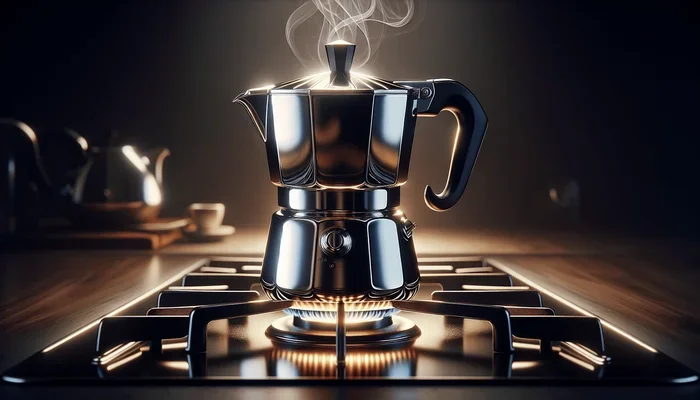
The Moka pot is the king of stovetop espresso makers. It was invented in Italy in 1933 and has been a kitchen staple ever since. A Moka pot has three chambers: a bottom water reservoir, a middle filter basket for coffee grounds, and a top collection chamber.
When you place the Moka pot on the stove, steam builds pressure and pushes hot water through the grounds. The coffee then rises into the top chamber. The result is a strong, espresso-like drink with a rich crema on top. Moka pots come in various sizes, from single-cup models to large family-sized pots that can make up to eighteen ounces.
Italian Coffee Maker
The term Italian coffee maker is often used interchangeably with Moka pot, but some designs differ slightly. Bialetti is the most famous brand, but many other manufacturers produce high-quality versions. These coffee makers use the same basic steam-pressure principle but may have different materials or filter designs.
Some Italian coffee makers use a valve system to regulate pressure. Others rely on simple gravity. The key is that all of them work on a stovetop and do not need electricity. This makes them incredibly versatile for any kitchen setup, from small apartments to full-sized homes.
Stovetop Espresso Maker
If you want something closer to true espresso, a dedicated stovetop espresso maker might be your best bet. These devices use higher pressure than a standard Moka pot, producing a crema and extraction profile that more closely resembles café-quality espresso.
They are a bit more expensive than Moka pots, but they deliver a noticeably different cup. If you are serious about your coffee extraction and want to experiment with pressure levels, this is worth considering. The crema and intensity are closer to what you would get from a professional machine.
Stovetop Kettle And French Press Hybrids
Some brewers combine a stovetop kettle with a French press. You heat the water on the stove, then pour it over grounds in a press-style container. This method gives you a cleaner cup than a Moka pot but still allows you to control the brewing time and temperature.
This hybrid approach is great for people who want the simplicity of French press coffee but prefer to heat water on the stove. It is also one of the easiest stovetop brewing methods for beginners who are just getting started with manual coffee making.
Step-By-Step Guide To Brewing Coffee On The Stovetop
Now that you know the types of brewers available, let us walk through the actual process. Follow these steps to get the best results every time you brew coffee on stovetop.
Step 1: Gather Your Equipment
Before you start, make sure you have everything ready. You will need your stovetop coffee maker, fresh coffee beans, a grinder, cold filtered water, and a heat source. Having everything prepared ahead of time makes the process smooth and enjoyable.
Also, make sure your brewer is clean. Residual oils from previous brews can affect the flavor of your fresh coffee. A quick rinse before starting goes a long way toward a clean, bright cup. Expert Insight: Many experienced brewers recommend warming the bottom chamber with a small amount of hot water before adding cold water. This reduces the temperature shock and promotes more even extraction.
Step 2: Measure And Grind Your Coffee
The ratio of coffee to water is crucial. A good starting point is one tablespoon of coffee grounds per one ounce of water. For a standard Moka pot that makes about six ounces, use six tablespoons of grounds.
Grind your beans to a fine grind consistency, similar to table salt. Do not grind too fine, or the water will struggle to pass through and your coffee will taste bitter. Do not grind too coarse, or the water will rush through and under-extract the grounds. A burr grinder gives you the most consistent results.
Step 3: Fill The Water Chamber
Fill the bottom chamber of your stovetop brewer with cold water. Most Moka pots have a safety valve or a fill line. Do not exceed this line. Using cold filtered water ensures no chlorine or mineral flavors interfere with your coffee.
Some people prefer to use hot water to speed up the brewing process. This is fine and can reduce the time your coffee spends on the stove. However, cold water is the traditional method and produces a more even extraction. Quick Tip: If you use hot water, make sure it is not boiling. Water at 200 degrees Fahrenheit works best for stovetop brewing.
Step 4: Add The Coffee Grounds
Place the filter basket into the bottom chamber and add your ground coffee. Do not pack the grounds down tightly. Simply level them off with your finger or a small spoon. Tamping the grounds creates uneven pressure and leads to inconsistent extraction.
If you want a stronger cup, add an extra half tablespoon. Just be careful not to overdo it, as too much coffee can block water flow and cause over-extraction. The grounds should sit loosely in the basket for optimal coffee extraction.
Step 5: Assemble And Heat
Screw the top chamber onto the bottom chamber securely. Place the Moka pot on a burner set to medium heat. Using medium heat is key. High heat causes the water to boil too quickly, which leads to a harsh, bitter taste.
Leave the lid open so you can monitor the brewing process. You will hear a gurgling sound as the coffee starts to flow into the top chamber. This is normal and means your stovetop espresso extraction is working correctly. Expert Insight: Professional baristas recommend lowering the heat slightly once you hear the first gurgles. This slows the flow and improves flavor balance.
Step 6: Remove From Heat And Serve
As soon as you hear a hissing and sputtering sound, remove the Moka pot from the heat. This usually takes about three to five minutes. The coffee will continue to flow for a few seconds after removal. Do not let it boil dry, as this burns the grounds and ruins the flavor.
Let the coffee rest for about thirty seconds before pouring. This allows the grounds to settle and the flavors to balance. Serve immediately for the best coffee flavor and enjoy it while it is hot. Quick Tip: A tiny drop of cold water mixed into the top chamber before brewing can help create a richer crema on your final cup.
Tips For Perfect Stovetop Coffee
Getting the perfect cup of stovetop coffee takes practice, but these tips will help you improve quickly.
Use Fresh, Quality Beans
The quality of your coffee beans directly affects the taste of your brew. Buy whole beans and grind them just before brewing. Pre-ground coffee loses its flavor within days of opening the bag. Look for beans that have been roasted within the last two weeks for the best results.
Choose a medium to dark roast for Moka pot brewing. These roasts produce the rich, bold flavors that stovetop coffee is known for. Lighter roasts can work too, but they tend to taste more acidic in a stovetop brewer. Expert Insight: Many roasters now offer specific Moka pot blends that are roasted and ground to optimize extraction in steam-pressure brewers.
Pay Attention To Water Temperature
Water temperature plays a huge role in coffee extraction. The ideal range is between 195 and 205 degrees Fahrenheit. Water that is too hot will over-extract the grounds and create bitterness. Water that is too cool will under-extract and produce a weak, sour cup.
On a stovetop, controlling temperature is easier than you think. Medium heat gives you a steady, consistent temperature that works well for most brewers. If your stove runs hot, use a heat diffuser to spread the heat more evenly. This simple tool can transform the quality of your brew coffee experience.
Experiment With Ratios
Every coffee lover has different preferences. Do not be afraid to experiment with the ratio of coffee to water. Start with the standard one tablespoon per ounce and adjust from there. If your coffee tastes too strong, use slightly less grounds next time. If it tastes too weak, add more.
Keeping a simple coffee journal can help you track what works. Write down the amount of coffee, the grind size, the water temperature, and the brew time. Over time, you will find your personal sweet spot and dial in your perfect cup.
Preheat Your Brewer
Preheating your stovetop coffee maker before brewing helps maintain a consistent temperature throughout the process. Simply rinse the bottom chamber with hot water before adding cold water and grounds.
This small step reduces the temperature drop when you first place the brewer on the stove. The result is a more even extraction and a smoother, more balanced cup of coffee. It is one of those small habits that separates a good cup from a great one.
Try Different Coffee Origins
Just like with any other brewing method, the origin of your beans matters. Ethiopian beans bring fruity, floral notes. Brazilian beans offer chocolatey, nutty flavors. Colombian beans are balanced and smooth.
Experimenting with different origins is one of the most fun parts of stovetop brewing. Each origin brings unique characteristics that shine through in a Moka pot. Try a single-origin bean and notice how the flavor profile changes. You might discover a new favorite combination.
Common Mistakes To Avoid
Even experienced home baristas make mistakes. Here are the most common ones and how to avoid them.
Using Too Fine A Grind
A common mistake is grinding the coffee too finely. When the grind is too fine, the water cannot flow through properly. This causes the coffee to taste bitter and over-extracted. It can also clog the filter basket and create a mess on your stove.
Stick to a fine but not powdery grind. Think of the texture of table salt or slightly coarser. If your coffee comes out slowly and tastes harsh, try grinding a bit coarser next time. The right fine grind allows water to flow steadily through the grounds for balanced extraction.
Using Too High Heat
High heat is the enemy of good stovetop coffee. It causes the water to boil too fast, which leads to uneven extraction and a burnt, bitter taste. Many people make the mistake of cranking up the heat to speed up the process, but this always backfires.
Always start with medium heat. If your stove runs hot, use a heat diffuser. This simple tool sits between the burner and the pot and spreads the heat evenly. It is one of the best investments you can make for stovetop coffee brewing. A diffuser costs just a few dollars but can dramatically improve your results.
Skipping The Cleaning Step
Coffee oils build up inside your brewer over time. These old oils turn rancid and taint the flavor of fresh coffee. If your stovetop coffee maker starts tasting off, it is probably time for a deep clean.
Disassemble your brewer after each use and rinse all parts with warm water. Do not use soap, as it can leave a residue that affects flavor. For a deeper clean, soak the parts in a mixture of baking soda and warm water once a week.
For those who also use an oven in their kitchen, keeping all your appliances clean is important. You can learn more about maintaining a clean kitchen by checking out our guide on how to use a self-cleaning oven Whirlpool for easy oven maintenance.
Not Using Enough Coffee
Another mistake is using too little coffee. This produces a weak, watery cup that tastes more like flavored water than real coffee. The ratio matters a lot in stovetop brewing because there is no paper filter to absorb excess water.
Follow the recommended ratio and adjust to taste. It is always easier to add more coffee than to fix a weak brew. Start with the standard measurement and go from there. Your taste buds will thank you for using the right amount of coffee grounds.
Stovetop Coffee Versus Other Brewing Methods
How does stovetop coffee compare to other popular brewing methods? Let us look at the key differences so you can decide what works best for you.
Stovetop Vs Drip Coffee
Drip coffee makers are convenient and consistent, but they often produce a thinner cup. Stovetop brewing extracts more oils and flavors from the grounds, resulting in a richer, more full-bodied drink. The trade-off is that stovetop coffee requires more hands-on attention.
If you enjoy the convenience of a drip machine but want better flavor, consider switching to stovetop brewing for at least some of your cups. The difference in taste is noticeable right away. Many people find that once they switch to stovetop, they prefer the richer flavor profile.
Stovetop Vs French Press
Both methods produce a full-bodied cup, but they work differently. A French press uses immersion brewing, where grounds steep in water for several minutes. A Moka pot uses pressure to push water through grounds. The result is that stovetop coffee tastes more concentrated and espresso-like, while French press coffee is smoother and more mellow.
Many coffee lovers own both and choose based on their mood. Some mornings call for the boldness of stovetop espresso, while others call for the smoothness of a French press. Having both options gives you flexibility throughout the week.
Stovetop Vs Microwave Coffee
If you do not have access to a stove or prefer a faster method, you can also make coffee in a microwave oven. Microwave coffee is quick and requires minimal equipment. However, it does not produce the same depth of flavor as stovetop brewing. The microwave heats water unevenly, which can lead to inconsistent extraction and a less satisfying cup.
For the best flavor, stovetop brewing wins hands down. But for a quick cup when you are in a rush, microwave coffee gets the job done. You can read more about making coffee in the microwave in our dedicated guide on how to make coffee in a microwave oven.
For those who enjoy exploring different kitchen appliances, you might also be interested in how a combi oven can be used for more than just roasting. These versatile appliances open up a world of cooking possibilities beyond coffee brewing.
Maintaining Your Stovetop Coffee Maker
A well-maintained stovetop coffee maker lasts for years and produces better coffee with each use. Here is how to keep yours in top condition.
Daily Cleaning Routine
After every use, disassemble your brewer and rinse all parts with warm water. Remove the filter basket and shake out the used grounds. Do not let wet coffee grounds sit in the brewer, as they can develop mold and odor.
Dry all parts thoroughly before reassembling. Storing a damp brewer can lead to bacteria growth and unpleasant smells. A quick drying routine takes only a minute but makes a big difference in the longevity of your stovetop coffee maker.
Deep Cleaning Weekly
Once a week, give your stovetop coffee maker a thorough cleaning. Remove any coffee oil buildup by soaking the parts in a solution of baking soda and warm water for about fifteen minutes.
For stubborn residue, use a soft brush or an old toothbrush to gently scrub the filter basket and chambers. Avoid abrasive cleaners or scouring pads, as they can scratch the interior surfaces and affect the taste of your coffee. Keeping the parts clean ensures that every cup tastes as fresh as the first one.
Replacing Parts Over Time
The rubber gasket and filter screen on your stovetop brewer will wear out over time. Replace these parts every few months to maintain a proper seal and consistent extraction. Most manufacturers sell replacement kits that include all the necessary components.
Check your gasket regularly for cracks or stiffness. A worn gasket allows steam to escape, which reduces pressure and weakens your coffee. A simple replacement fixes this problem quickly and cheaply. Keeping spare parts on hand means you never have to go without your morning brew coffee routine.
Conclusion
Brewing coffee on stovetop is one of the most rewarding ways to enjoy your daily cup. It gives you full control over the process, from the grind size to the water temperature. Whether you use a Moka pot, an Italian coffee maker, or a stovetop espresso maker, the principles remain the same: fresh beans, proper ratio, medium heat, and careful timing.
Remember to avoid common mistakes like using too fine a grind or excessive heat. Keep your brewer clean and well-maintained. And do not be afraid to experiment until you find your perfect cup. With a little practice, you will be brewing café-quality stovetop coffee right in your own kitchen.
Start your next morning with a rich, flavorful cup made the old-fashioned way. Once you try stovetop brewing, you may never go back to your electric machine again. The process is simple, the results are excellent, and the experience is truly satisfying.
Frequently Asked Questions
Can I use any type of coffee beans for stovetop brewing?
Yes, you can use any type of coffee beans, but medium to dark roasts work best for stovetop brewers like Moka pots. These roasts produce the rich, bold flavors that stovetop coffee is known for. Lighter roasts can work too, but they may taste more acidic in a pressurized brewer.
How long does it take to brew coffee on the stovetop?
Most stovetop coffee makers take between three and five minutes to brew a full pot. The exact time depends on the size of your brewer, the heat level, and the amount of coffee used. Watching for the gurgling sound is the best indicator that your coffee is ready.
Is stovetop coffee the same as espresso?
Stovetop coffee, especially from a Moka pot, is often compared to espresso because it uses steam pressure to extract flavor. However, it is not true espresso. The pressure is lower than a commercial espresso machine, so the result is strong and concentrated but not as intense as real espresso. Many people still call it stovetop espresso because of its similar bold character.
Can I use pre-ground coffee in a stovetop brewer?
Yes, you can use pre-ground coffee, but fresh grounds produce much better flavor. Pre-ground coffee loses its aroma and oils within days of opening the package. If you must use pre-ground, store it in an airtight container and use it within a week for the best results.
Why does my stovetop coffee taste bitter?
Bitter stovetop coffee is usually caused by using too high a heat, grinding the beans too finely, or leaving the pot on the stove too long. Lower the heat to medium, check your grind size, and remove the pot as soon as you hear the sputtering sound. Adjusting these factors will greatly reduce bitterness.
How often should I replace the parts on my stovetop coffee maker?
The rubber gasket and filter screen should be replaced every three to six months, depending on how often you brew. Check the gasket for cracks or stiffness regularly. A worn gasket reduces pressure and affects extraction. Replacement parts are inexpensive and easy to find from most manufacturers.