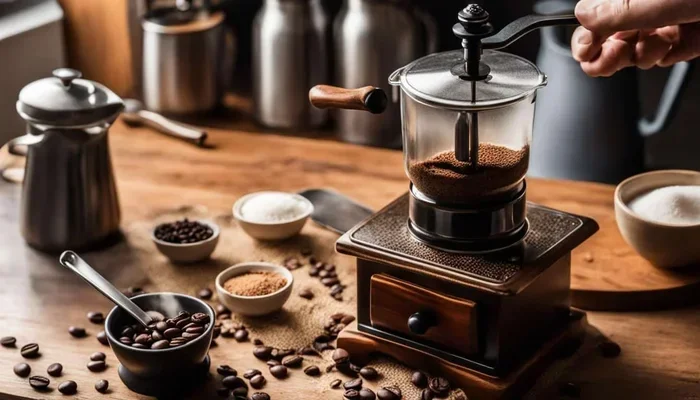
How To Make Filter Coffee In Tamil
Making filter coffee in Tamil is a cherished tradition that brings rich, aromatic South Indian coffee to your kitchen. This guide walks you through the authentic Tamil filter coffee recipe using a traditional coffee filter, fresh coffee powder, milk, and sugar. You will learn the step-by-step process, expert tips, and common mistakes to avoid for brewing the perfect cup of kadak filter coffee at home.
Tamil filter coffee is more than just a beverage. It is a way of life in South India. The rich aroma, the bold flavor, and the creamy froth on top make it something special. If you have ever wondered how to make filter coffee in Tamil style at home, you are in the right place. This guide will take you through every step of the process. You will learn about the ingredients, the traditional equipment, and the secrets that make Tamil coffee so beloved.
Making filter coffee at home is easier than you think. You do not need expensive equipment or fancy skills. All you need is a traditional coffee filter, good quality coffee powder, fresh milk, and a little patience. Whether you are a coffee lover or someone who wants to try something new, this Tamil filter coffee recipe will help you brew a cup that tastes just like the ones you get at a South Indian coffee shop.
The beauty of South Indian filter coffee lies in its simplicity and tradition. Every family has its own little twist. Some like it extra strong. Some prefer it sweet. But the core method stays the same. Let us dive into the world of authentic filter coffee and bring that magical Tamil coffee experience to your kitchen.
Key Takeaways
- Authentic Ingredients Matter: Using the right coffee powder, fresh milk, and a traditional metal filter is essential for true Tamil filter coffee.
- The Decoction Is The Heart: Brewing a strong coffee decoction in the filter is the most important step that defines the flavor.
- Froth Matters: Shaking milk in a traditional dabarah creates the creamy froth that makes Tamil coffee unique.
- Adjust To Your Taste: You can customize sweetness, milk ratio, and strength to match your personal preference.
- Avoid Common Mistakes: Using boiling water directly on coffee grounds and skimping on the decoction ratio are frequent errors.
- Explore Variations: Try ginger coffee, cardamom coffee, or masala filter coffee for exciting twists on the classic recipe.
📑 Table of Contents
- What Is Tamil Filter Coffee And Why It Is Special
- Ingredients You Need For Authentic Filter Coffee
- Step-By-Step Guide To Making Filter Coffee
- Tips For Perfect Filter Coffee Every Time
- Common Mistakes To Avoid When Making Filter Coffee
- Filter Coffee Variations You Can Try
- The Cultural Significance Of Tamil Filter Coffee
- Conclusion
What Is Tamil Filter Coffee And Why It Is Special
Tamil filter coffee is a traditional coffee brewing method from Tamil Nadu, a state in southern India. It uses a special two-part metal filter, ground coffee beans, milk, and sugar. The process is slow and deliberate. It is not rushed. This patience is what gives Tamil filter coffee its unique depth and richness.
Unlike regular drip coffee or espresso, filter coffee brews at a low temperature over time. This slow extraction brings out the natural oils and flavors from the coffee grounds. The result is a strong, aromatic, and full-bodied cup of coffee. The coffee is then mixed with frothy steamed milk and sugar to create a drink that is bold yet smooth.
Coffee culture in Tamil Nadu runs deep. Filter coffee is served at homes, offices, tea shops, and festivals. It is a social drink. People gather around a tumbler and dabarah to share conversations over hot cups of kadak coffee. Understanding this cultural context helps you appreciate why making filter coffee in Tamil style is about more than just a recipe. It is about tradition and connection.
Ingredients You Need For Authentic Filter Coffee
Before you start brewing, make sure you have everything ready. Having the right ingredients is the first step toward perfect authentic filter coffee. Here is what you need:
Choosing The Right Coffee Powder
The most important ingredient in any Indian coffee recipe is the coffee powder. For true Tamil filter coffee, you should use coarsely ground coffee beans. Many people in Tamil Nadu prefer a specific blend that includes roasted chicory. Chicory adds a slightly nutty and earthy flavor that balances the bitterness of the coffee.
You can buy pre-made filter coffee powder from Indian grocery stores. Brands like Nescafe Classic, Tata Coffee, and local Tamil brands work well. If you want the freshest taste, buy whole coffee beans and grind them yourself at home. Freshly ground coffee always tastes better and smells incredible.
When choosing coffee beans, look for a medium to dark roast. This roast level brings out the bold flavors that define Tamil coffee. Avoid using instant coffee powder. It does not give you the same rich experience that traditional coffee decoction provides.
Milk And Sweetener Options
Full-fat milk is the standard choice for South Indian filter coffee. The fat content in whole milk creates that creamy, rich texture that makes filter coffee so satisfying. Some people use toned milk or half-and-half as a lighter alternative. But for the most authentic taste, whole milk is the way to go.
For sweetening, regular white sugar works best. The amount of sugar is entirely up to you. Some people like their milk coffee very sweet. Others prefer it less sweet or even unsweetened. You can also try jaggery or palm sugar for a more traditional and earthy sweetness.
Equipment Needed
The traditional equipment for making filter coffee includes a few key items:
- Coffee filter (davara-tumbler set): This is a two-piece stainless steel filter. The bottom part holds the coffee grounds, and the top part acts as the chamber for hot water.
- Dabarah and tumbler: These are the traditional cups used for mixing and serving the coffee. The dabarah is a wider bowl, and the tumbler is a smaller cup that fits inside it.
- Small saucepan: For heating and frothing the milk.
- Spoon: For stirring and mixing.
If you do not have a traditional filter, you can also use a French press as a substitute. However, the metal filter gives the most authentic flavor. You can learn more about alternative coffee brewing methods in our guide on how to make coffee in microwave oven for quick methods.
Step-By-Step Guide To Making Filter Coffee
Now that you have everything ready, let us get into the actual process. Making filter coffee in Tamil style is a ritual. Enjoy every step of it. Here is the complete guide.
Step 1: Prepare The Coffee Filter
Start by placing a small amount of coffee powder into the filter compartment. Use about two to three tablespoons of coffee for a standard serving. Do not pack the coffee too tightly. A light, even layer works best for proper extraction.
Next, add a small pinch of turmeric powder and a pinch of salt. This might sound unusual, but it is a traditional Tamil trick. The turmeric and salt enhance the flavor of the coffee and bring out its natural sweetness. It is a small detail that makes a big difference in the final taste.
Place the top part of the filter on securely. Make sure it is tight so that no coffee grounds spill into your final brew. The coffee filter should be positioned over your serving cup or the dabarah.
Step 2: Brew The Coffee Decoction
Boil water in a small saucepan. Once the water reaches a rolling boil, remove it from the heat and let it sit for about 30 seconds. You do not want to pour boiling water directly onto the coffee grounds. Water that is slightly below boiling temperature extracts the best flavors without making the coffee bitter.
Pour the hot water slowly into the top chamber of the filter. Fill it about halfway. Let the water sit and drip through the coffee grounds. This process takes about 10 to 15 minutes. Do not rush it. The slow dripping is what creates the rich and concentrated coffee decoction.
Once all the water has dripped through, you will have a small amount of thick, dark, and aromatic coffee concentrate in the bottom cup. This is the heart of your filter coffee. The decoction should be strong and flavorful. If it tastes too weak, use more coffee powder next time.
Step 3: Prepare The Milk Mixture
While the decoction is brewing, it is time to prepare the milk. Pour about one cup of whole milk into a small saucepan. Heat it on medium heat until it starts to simmer. Do not let it boil over. You want the milk hot but not scorched.
Once the milk is hot, add sugar to taste. Two to three teaspoons is a good starting point. Stir well until the sugar dissolves completely. Then, let the milk cool slightly for a minute or two.
Now comes the fun part. Pour the hot milk into the dabarah. Using a spoon, quickly pour the milk back and forth between the dabarah and the tumbler. Do this about 10 to 15 times. This creates a beautiful, creamy froth on top of the milk. The froth is what sets Tamil filter coffee apart from regular coffee. It gives the drink a light, airy texture that balances the strong decoction.
Step 4: Combine And Serve
Pour the prepared milk with froth into your serving cup. Now, add two to three tablespoons of the coffee decoction to the milk. The ratio of decoction to milk depends on your preference. For a strong and bold cup, add more decoction. For a milder taste, use less.
Stir gently with a spoon. Watch the coffee and milk blend together. The final drink should be a beautiful dark brown color with a thick layer of froth on top. Serve it hot in the traditional dabarah and tumbler set.
The aroma of freshly brewed Tamil filter coffee will fill your kitchen. Take a moment to enjoy it before your first sip. The experience is as much about the senses as it is about the taste.
Tips For Perfect Filter Coffee Every Time
Making great filter coffee takes practice. Even experienced coffee makers sometimes need to adjust their process. Here are some expert tips to help you get the best results every time.
- Use fresh coffee powder: Stale coffee powder makes flat-tasting coffee. Always check the freshness of your coffee powder before brewing. Buy in small quantities and store in an airtight container.
- Do not skip the frothing step: The froth is not just for looks. It adds a creamy texture that softens the strong coffee flavor. Pouring the milk back and forth between the dabarah and tumbler is essential.
- Adjust the decoction strength: If your coffee tastes too weak, increase the amount of coffee powder or let the water drip through for a longer time. If it is too strong, add more milk.
- Heat milk gently: Boiling the milk too aggressively can create a skin on top and change the taste. Heat it slowly on medium heat for the best results.
- Experiment with ratios: There is no single perfect ratio. Try different amounts of decoction, milk, and sugar until you find your personal favorite. Some people prefer a 1:3 ratio of decoction to milk, while others like it stronger.
Common Mistakes To Avoid When Making Filter Coffee
Even the best intentions can lead to mistakes in the kitchen. Here are common errors that people make when brewing filter coffee and how to avoid them.
- Using boiling water directly on coffee grounds: This burns the coffee and creates a bitter taste. Always let the boiled water cool for 30 seconds before pouring it into the filter.
- Using too little coffee powder: The decoction should be strong and concentrated. If you use too little coffee, the final drink will taste watery and weak.
- Skipping the milk frothing: Some people pour hot milk directly into the coffee without frothing. This misses the signature creamy texture that makes Tamil filter coffee special.
- Adding sugar to the decoction: Sugar should always be added to the milk, not the decoction. This ensures even sweetness throughout the cup.
- Using low-quality instant coffee: Instant coffee does not produce the same rich decoction as freshly ground or traditional filter coffee powder. The flavor difference is significant.
Avoiding these mistakes will immediately improve the quality of your coffee brewing at home. Pay attention to the small details. They make all the difference.
Filter Coffee Variations You Can Try
Once you master the basic Tamil filter coffee recipe, you can start experimenting with different variations. Here are some popular twists that people in Tamil Nadu enjoy:
Ginger Filter Coffee
Add a small piece of fresh ginger to the coffee grounds before brewing. Ginger adds a warm, spicy kick to the coffee. It also has health benefits like aiding digestion and boosting immunity. This variation is especially popular during the winter months.
Cardamom Filter Coffee
Crush two to three cardamom pods and add them to the coffee grounds. Cardamom gives the coffee a fragrant, slightly sweet, and aromatic flavor. It is a classic combination in many South Indian households and adds a touch of elegance to your cup of strong coffee.
Masala Filter Coffee
This is a more adventurous version. Add a pinch of cinnamon, a tiny piece of star anise, and a small piece of ginger to the coffee grounds. The result is a complex and flavorful brew that feels like a warm hug on a cold day.
Cold Filter Coffee
For a refreshing twist, prepare the decoction as usual but let it cool completely. Mix it with cold milk and sugar. Serve over ice with a few coffee ice cubes for a cool and creamy drink. This is perfect for hot summer days.
The Cultural Significance Of Tamil Filter Coffee
Filter coffee is deeply woven into Tamil culture and identity. It is not just a drink. It is a symbol of hospitality, warmth, and community. In Tamil Nadu, offering a cup of filter coffee to a guest is a sign of respect and care.
Coffee shops called tiffin centers are popular gathering spots across Tamil Nadu. People of all ages sit together, chat, and enjoy cups of strong, sweet, and creamy coffee. The tumbler and dabarah set is iconic. You will see it in every home and every shop in the region.
The tradition of making filter coffee has been passed down through generations. Grandparents teach parents. Parents teach children. Each family adds its own little secret or twist. This is what keeps the tradition alive and evolving. When you make filter coffee at home, you are participating in a rich cultural heritage that spans decades.
If you enjoy making traditional beverages at home, you might also enjoy learning how to reheat beverages properly. Check out our guide on how to reheat something in the oven for tips on warming up drinks and food safely.
The beauty of Tamil filter coffee is that it brings people together. Whether you are enjoying it alone on a quiet morning or sharing it with friends and family, every cup tells a story. It is a story of tradition, flavor, and love.
Conclusion
Making filter coffee in Tamil style at home is a rewarding experience. It connects you to a rich tradition and gives you a cup of coffee that is far superior to anything from a packet or a café machine. The process is simple but meaningful. From choosing the right coffee powder to brewing the perfect decoction and creating that beautiful froth, every step matters.
Remember to use fresh ingredients, take your time, and enjoy the process. Do not be afraid to experiment with different ratios and variations. The best filter coffee is the one that tastes perfect to you. Share it with your loved ones and keep the tradition alive.
Now that you know how to make authentic Tamil filter coffee, it is time to put your knowledge into practice. Gather your ingredients, set up your filter, and brew yourself a cup of the best South Indian filter coffee you have ever tasted. Your kitchen will smell incredible, and your taste buds will thank you.
Frequently Asked Questions
What Is The Best Coffee Powder For Tamil Filter Coffee?
The best coffee powder for Tamil filter coffee is a coarsely ground blend of Arabica or Robusta beans, often mixed with roasted chicory. Look for traditional South Indian filter coffee brands or buy whole beans and grind them at home for the freshest flavor.
Can I Make Filter Coffee Without A Traditional Metal Filter?
Yes, you can use a French press as an alternative. However, a traditional metal filter gives the most authentic flavor and aroma. The slow dripping process through the metal filter is what creates the concentrated and rich coffee decoction that defines Tamil filter coffee.
How Strong Should The Coffee Decoction Be?
The decoction should be strong and concentrated. A good rule of thumb is to use two to three tablespoons of coffee powder per cup of water in the filter. The final drink should be bold and flavorful. You can always dilute it with more milk if needed.
Can I Make Tamil Filter Coffee Without Milk?
Yes, you can make black filter coffee without milk. This is sometimes called kaapi in Tamil. Simply brew the decoction and add sugar directly to it. However, the creamy milk version is the most traditional and popular way to enjoy Tamil filter coffee.
How Long Does The Coffee Decoction Last?
The fresh coffee decoction can last in the refrigerator for up to two to three days. Store it in an airtight container. When you want to make a fresh cup, simply reheat the decoction and mix it with hot milk and sugar. The flavor remains rich for several days.
Is Filter Coffee The Same As Regular Drip Coffee?
No, Tamil filter coffee is different from regular drip coffee. The traditional metal filter uses a slower brewing process that creates a more concentrated and aromatic decoction. The addition of frothed milk and sugar also gives it a unique taste and texture that is distinctly South Indian.