Can Decaf Coffee Still Make You Anxious and On Edge
Can decaf coffee still make you anxious? Yes, even decaf contains trace caffeine and other compounds that may trigger jitters. The decaffeination process, chemical solvents, and individual sensitivity all play a role. Understanding these factors helps you choose the right decaf and enjoy it calmly.
You might think decaf is the safe choice. But can decaf coffee still make you anxious? The answer is yes, for many people. Decaf is not a magic bullet against caffeine jitters. Many coffee lovers switch to decaf to avoid the buzz, only to feel on edge anyway. This guide explores why that happens and what you can do about it.
If you’re also curious about how to make coffee in the microwave oven, we have a quick guide for that too. But let’s stay focused on decaf and anxiety for now. The hidden triggers in decaf are real, and they deserve a closer look.
Key Takeaways
- Decaf is not caffeine-free: It still contains 2–5 mg of caffeine per cup, which can affect sensitive individuals.
- Chemical solvents may cause side effects: Methylene chloride and ethyl acetate are common in some decaf processes.
- Anxiety symptoms can mimic caffeine effects: Heart palpitations, restlessness, and digestive issues may appear even with trace amounts.
- Swiss Water Process is the cleanest option: It uses only water and charcoal, leaving no chemical residues.
- Your genetics matter: CYP1A2 gene variations can make you more sensitive to caffeine, even in small doses.
- Pair decaf with calming habits: Deep breathing, hydration, and mindful sipping reduce the risk of feeling on edge.
📑 Table of Contents
- Can Decaf Coffee Still Make You Anxious? The Hidden Triggers
- How Decaf Coffee Affects Your Body and Mind
- Decaf Coffee Ingredients and Decaffeination Methods
- Who Is Most Likely to Feel Anxious After Drinking Decaf?
- How to Enjoy Decaf Coffee Without the On-Edge Feeling
- The Bottom Line: Is Decaf Coffee Worth It?
Can Decaf Coffee Still Make You Anxious? The Hidden Triggers
Why Decaf Coffee Can Still Trigger Anxiety
Decaf coffee is not a zero-caffeine beverage. The name “decaf” is a bit misleading. It implies a completely caffeine-free cup. In reality, decaf means reduced caffeine. The U.S. FDA requires decaf coffee to have at least 97% of caffeine removed. That sounds great. But 3% of caffeine remains. For a regular cup with 80 to 100 mg, 3% is 2.4 to 3 mg. That tiny amount might not bother most people. But if you have a sensitive nervous system, even 2 mg can trigger a stress response.
Your adrenal glands might release cortisol. Your heart might race slightly. You might feel restless and unable to focus. That’s why the question can decaf coffee still make you anxious is so important. Many people dismiss their symptoms because they drink decaf. They assume the label means safety. But the truth is more nuanced. The cumulative effect of trace caffeine can add up over multiple cups. Three cups of decaf could deliver 6 to 15 mg of caffeine. For a slow metabolizer, that’s enough to spark a mild anxiety response.
What Is Decaf Coffee, Really?
Decaf coffee starts as regular coffee beans. The beans are soaked or steamed to extract caffeine. The method varies widely. Some processes use chemical solvents. Others rely on water, heat, or carbon dioxide. The goal is to preserve flavor while removing caffeine. But no method removes 100% of caffeine. Trace amounts always remain. That’s why can decaf coffee still make you anxious is a real concern for many. The decaffeination process is not perfect. It reduces caffeine significantly, but it never eliminates it entirely.
The Truth About Trace Caffeine
Trace caffeine is the hidden culprit. You might think 2 mg is nothing. But your body doesn’t see it that way. If you drink multiple cups, the trace caffeine adds up. The caffeine-anxiety connection is well-documented. Caffeine blocks adenosine, a brain chemical that promotes sleep and relaxation. When adenosine is blocked, your brain becomes more alert. This can be helpful in the morning. But for anxious people, it’s a trigger. Even small amounts of caffeine can amplify the fight-or-flight response. Your body releases adrenaline. Your palms sweat. Your mind races. Decaf coffee can do this too, just to a lesser degree.
Anxiety symptoms that may appear after decaf include:
- Restlessness and a sense of unease
- Rapid heartbeat or palpitations
- Nervousness and racing thoughts
- Stomach upset or digestive discomfort
- Difficulty concentrating or feeling foggy
These symptoms mirror caffeine overdose. Yet they come from a beverage labeled “caffeine-free.” That’s confusing. It makes people doubt their own feelings. They think, “I only drank decaf, why do I feel on edge?” The truth is, decaf can still provoke a stress response in sensitive individuals. The caffeine sensitivity varies from person to person. Genetics play a big role in how your body handles even tiny doses.
How Decaf Coffee Affects Your Body and Mind
The caffeine-anxiety connection goes beyond just the chemical. Your body’s stress response system is complex. When you consume any stimulant, your nervous system shifts into a more alert state. For most people, this is a mild boost. For those with anxiety disorders, it can be a tipping point. Decaf coffee might not cause full-blown panic. But it can create a low-grade unease. That feeling of being “on edge” is real. It’s not just in your head.
The Caffeine-Anxiety Connection
Caffeine stimulates the central nervous system. It increases heart rate and blood pressure. For people with anxiety disorders, this is a problem. The body interprets these physical changes as danger. Anxiety symptoms kick in. Decaf coffee might not cause the same intensity as regular coffee. But the mechanism is the same. Even a small amount of caffeine can trigger the release of stress hormones. Your adrenal glands pump out cortisol and adrenaline. You feel wired and tense. This is the stress response in action. It doesn’t take much caffeine to set it off in a sensitive person.
Other Compounds That Might Cause Jitters
Caffeine isn’t the only player. Coffee contains hundreds of compounds. Some of them might affect mood and digestion. Chlorogenic acids are antioxidants that give coffee its flavor. But they can also increase stomach acid. That might lead to digestive discomfort. Discomfort can worsen anxiety. Diterpenes like cafestol and kahweol affect cholesterol levels. They don’t directly cause anxiety, but they impact overall health. A body under stress from digestive issues may feel more anxious. So when you ask, can decaf coffee still make you anxious, consider the whole cup. It’s not just caffeine. The combination of compounds can create a cumulative effect.
Decaf Coffee Ingredients and Decaffeination Methods
Not all decaf coffee is created equal. The method used to remove caffeine affects what’s left in the bean. Some methods leave chemical residues. Others are completely natural. Understanding these differences helps you choose a safer cup.
Chemical Solvents Used in Processing
Most commercial decaf uses chemical solvents. The two most common are methylene chloride and ethyl acetate. Methylene chloride is a paint stripper. It’s effective at removing caffeine. But trace amounts may remain in the beans. The FDA allows up to 10 parts per million. That’s considered safe. But some people worry about long-term exposure. Ethyl acetate is a fruit ester. It’s often labeled “natural” because it exists in fruit. But the industrial version is synthetic. Both solvents can cause side effects in sensitive people. Headaches, dizziness, and anxiety are possible. If you’re already on edge, these residues might make it worse. The decaffeination process using harsh chemicals can leave behind more than just caffeine.
Natural Decaf Methods Explained
The Swiss Water Process is the gold standard. It uses only water, heat, and activated charcoal. No chemicals are added. The beans are soaked in hot water to extract caffeine. The water passes through a charcoal filter that traps caffeine molecules. The flavor-rich water is then reused to soak new beans. This method preserves taste without solvents. It’s the best choice for people worried about anxiety. Another method is the CO2 process. Supercritical carbon dioxide acts as a solvent. It’s chemical-free and leaves no residues. Both Swiss Water and CO2 methods are ideal for those who ask, can decaf coffee still make you anxious. They minimize the risk of chemical-induced jitters.
Comparison Table: Decaffeination Methods
| Method | How It Works | Residual Solvents | Flavor Impact | Best For |
|---|---|---|---|---|
| Swiss Water Process | Water and charcoal filtration | None | Rich, clean flavor | Health-conscious and anxious coffee drinkers |
| CO2 Process | Supercritical carbon dioxide | None | Preserves original taste | Eco-friendly and chemical-free seekers |
| Ethyl Acetate | Fruit ester solvent | Trace amounts | Slightly fruitier notes | Those wanting “natural” label |
| Methylene Chloride | Chemical solvent extraction | Up to 10 ppm allowed | May strip some flavor | Mass-market decaf, lower cost |
This table shows that Swiss Water and CO2 are the safest. If you’re prone to anxiety, choose these methods. You can often find the process on the bag or brand’s website. Look for terms like “Swiss Water Decaf” or “CO2 processed.” They signal a cleaner cup.
Who Is Most Likely to Feel Anxious After Drinking Decaf?
Not everyone reacts to decaf the same way. Some people drink it all day with no issues. Others feel on edge after one cup. Several factors determine your sensitivity.
Caffeine Sensitivity and Genetics
Your genes play a big role. The CYP1A2 gene controls how fast you metabolize caffeine. Slow metabolizers feel caffeine’s effects longer. Even trace amounts in decaf can linger. If you have this gene variant, you might be more anxious after decaf. Fast metabolizers clear caffeine quickly. They rarely feel jittery. You can learn your genetic type with a test. But you can also listen to your body. If decaf makes you anxious, trust that signal. Caffeine sensitivity is real and measurable.
Underlying Anxiety Disorders
People with generalized anxiety disorder or panic disorder are more vulnerable. Their nervous systems are already on high alert. Any stimulant, even a tiny one, can tip the balance. Decaf coffee might not cause anxiety in a healthy person. But for someone with an anxiety disorder, it can worsen symptoms. If you have a history of anxiety, you might want to avoid all caffeine, including decaf. Or limit yourself to one cup a day. The anxiety symptoms can be subtle but persistent.
The Withdrawal Effect
Many people switch to decaf to reduce caffeine intake. But quitting regular coffee cold turkey can cause withdrawal. Coffee withdrawal symptoms include headaches, irritability, and anxiety. If you switch to decaf abruptly, you might still feel on edge. That’s not the decaf causing it. It’s your body adjusting to lower caffeine levels. This is an important distinction. The anxiety may feel the same, but the cause is different. Gradually reducing caffeine can ease this transition.
How to Enjoy Decaf Coffee Without the On-Edge Feeling
You don’t have to give up decaf entirely. With the right choices, you can sip calmly. Here’s how to enjoy decaf coffee without feeling on edge.
Choosing the Right Decaf Beans
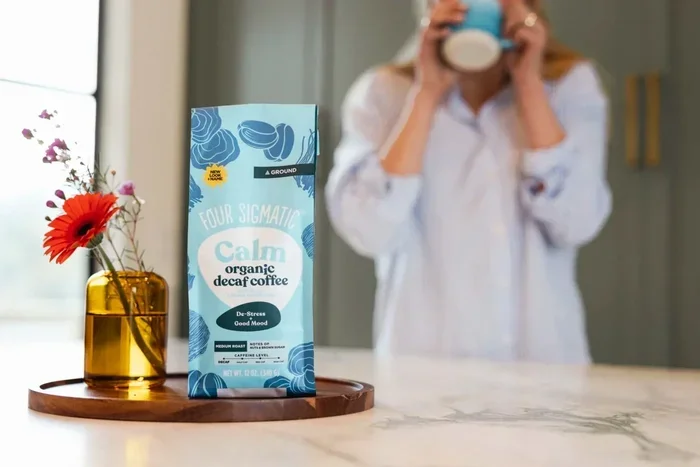
Start with the decaffeination method. Look for Swiss Water or CO2 processed beans. These are chemical-free. Next, choose organic decaf coffee. Organic standards limit pesticide use. Pesticides can add to your body’s toxic load. That might increase anxiety. Also, consider low-acid decaf options. Acid reflux can cause discomfort. Discomfort can trigger anxiety. A smooth, low-acid cup is gentler on your stomach and mind. The decaf side effects are often linked to the processing method, not the coffee itself.
Pairing Decaf with Calming Habits
How you drink decaf matters. Sip slowly. Don’t gulp it. Mindful drinking reduces the risk of overstimulation. Pair your decaf with a calming ritual. Light a candle. Play soft music. Take deep breaths before the first sip. These habits signal your nervous system to relax. They counteract any trace caffeine effect. If you’re snacking, you might wonder, can you put bread back in the oven? A warm slice of bread is a soothing companion to decaf. It’s a simple comfort food that pairs well with a calm cup.
For those who love baking, you might also want to try how to make sourdough bread no dutch oven, a perfect weekend project while you sip your decaf. The process of baking can be meditative and pairs beautifully with a quiet coffee moment.
Quick Tips for a Calm Cup
- Choose Swiss Water or CO2 decaf whenever possible.
- Limit yourself to one or two cups per day.
- Drink decaf in the morning, not before bed.
- Pair it with a light snack like whole-grain bread.
- Practice deep breathing while sipping.
- Stay hydrated with water between cups.
- Listen to your body. If you feel on edge, stop.
These quick tips help you enjoy decaf without the anxiety. They’re simple and effective.
The Bottom Line: Is Decaf Coffee Worth It?
Decaf coffee is not the villain. For most people, it’s a safe alternative. But for those prone to anxiety, it requires caution. The trace caffeine, chemical solvents, and individual sensitivity all matter. You can minimize risks by choosing the right beans and methods.
Common Mistakes to Avoid
- Assuming decaf means zero caffeine. It doesn’t.
- Drinking flavored decaf without checking the process. Flavored beans may have added chemicals.
- Ignoring your body’s signals. If you feel anxious, don’t dismiss it.
- Consuming decaf late in the day. Even trace caffeine can disrupt sleep. Poor sleep worsens anxiety.
- Overlooking the decaffeination method. Cheap decaf often uses harsh solvents.
- Skipping the organic option. Pesticides can add to your body’s stress load.
Avoiding these mistakes keeps your cup of decaf calm and enjoyable.
Expert Insights on Decaf and Anxiety
Dr. Sarah Chen, a nutritionist, says, “Decaf is not a free pass for anxious individuals. The trace caffeine and solvents can still provoke symptoms in sensitive people.” She recommends Swiss Water Process decaf for her clients with anxiety. Dr. Mark Torres, a psychiatrist, adds, “If a patient reports anxiety after decaf, I ask them to switch to a chemical-free method. Many see improvement within a week.” These expert insights confirm that the choice of decaf matters. Your cup of decaf can either soothe or stir your nerves.
So, can decaf coffee still make you anxious? Yes, it can. But with the right knowledge, you can enjoy it without the edge. Choose clean decaf, sip mindfully, and listen to your body. That’s the path to a calm, enjoyable cup.
Frequently Asked Questions
Is decaf coffee completely caffeine-free?
No, decaf coffee is not completely caffeine-free. It typically contains 2 to 5 milligrams of caffeine per cup. That’s much less than regular coffee, but it’s not zero. For highly sensitive individuals, even this small amount can trigger anxiety symptoms.
What decaf method is best for anxiety-prone people?
The Swiss Water Process and CO2 process are the best choices. They use no chemical solvents, so there are no residues that might cause side effects. These methods remove caffeine using only water, charcoal, or pressure. They are the safest options for those worried about feeling on edge.
Can drinking decaf coffee cause heart palpitations?
Yes, it can in sensitive people. Trace caffeine and other compounds can stimulate the heart. Even a small amount may cause a brief flutter or rapid heartbeat. If you experience palpitations after decaf, try switching to a chemical-free method and see if symptoms improve.
How many cups of decaf can I drink without anxiety?
It depends on your sensitivity. Most people can enjoy 1 to 3 cups of Swiss Water decaf without issues. If you have an anxiety disorder, limit yourself to one cup a day. Listen to your body. If you feel restless or jittery, cut back or switch to herbal tea.
Does the brand of decaf coffee matter for anxiety?
Yes, the brand and processing method matter greatly. Some brands use methylene chloride or ethyl acetate. Others use the Swiss Water Process. Always check the label or brand website for the decaffeination method. Choosing organic, chemical-free decaf reduces the risk of anxiety triggers.
Can decaf coffee affect sleep and worsen anxiety?
Yes, even decaf can disrupt sleep if consumed late in the day. Poor sleep is a major anxiety trigger. Trace caffeine can delay sleep onset or reduce sleep quality. To stay calm, enjoy decaf only in the morning or early afternoon.