Can You Use Oven Cleaner On Stove Top Grates Safely
Yes, you can use oven cleaner on stove top grates, but only with the right precautions. Can You Use Oven Cleaner On Stove Top Grates safely depends on the grate material and the type of cleaner. This guide walks you through the risks, safe methods, and step-by-step instructions to restore your grates without damage.
Every home cook knows the frustration of looking at greasy, burnt-on grime on stove top grates. You wipe, you scrub, but that stubborn residue just won’t budge. That’s when you reach for the oven cleaner and wonder: is this really a good idea? The short answer is yes—you can use oven cleaner on stove top grates, but there are important safety rules you must follow. This article explains exactly how to do it without damaging your cooktop or harming your health.
Many people assume oven cleaner is only for the inside of an oven. But the powerful degreasing formula works wonders on heavy-duty grime on metal grates too. The key is knowing which grates can handle it and which cannot. I’ll walk you through the risks, the safe methods, and the step-by-step process so you can get sparkling results. By the end, you’ll feel confident tackling even the worst buildup.
Key Takeaways
- Oven cleaner works on metal grates: It safely removes heavy burnt-on grease from stainless steel and cast iron grates when used correctly.
- Never use it on porcelain or enamel grates: The chemicals will strip the coating and cause permanent damage.
- Always wear protective gear: Gloves and eye protection prevent chemical burns and irritation from fumes.
- Rinse thoroughly after cleaning: Residue left on grates can affect food taste and may be harmful.
- Try alternatives first for light grime: Boiling water or baking soda paste are gentler options for regular maintenance.
- Dry grates completely after rinsing: This prevents rust, especially on cast iron grates.
📑 Table of Contents
Understanding Stove Top Grates and Grease Buildup
Why Grates Get So Dirty
Stove top grates take a beating every time you cook. They hold pots and pans directly over open flames. That means they endure high heat, oil splatters, and food spills daily. Over time, grease carbonizes into a hard, black crust. This burnt-on grease is tougher than everyday dirt. It sticks to the metal and won’t wash away with just soap and water.
Normal washing only removes surface grime. The real challenge is the layer that has baked on for weeks or months. Burnt-on grease contains carbonized fats and food particles. When you heat oil past its smoke point, it breaks down and re-solidifies on the grate. This creates a stubborn, sticky residue that resists scrubbing. For many home cooks, this buildup is a daily battle. The good news is that the right cleaner can dissolve it quickly.
Material Matters
Not all grates are the same. Common types include stainless steel, cast iron, and porcelain-coated grates. Each reacts differently to harsh chemicals. Stainless steel grates can handle some abrasion, but cast iron needs gentle care. Porcelain-coated grates have a delicate finish that can chip easily.
Stainless steel grates are durable and non-reactive. They can withstand oven cleaner for short periods. Cast iron grates are also tough but prone to rust if not dried properly. Porcelain-coated grates have a glass-like surface that oven cleaner can damage permanently. If you have drip pans under the grates, those may also be porcelain or enamel. Always check the manufacturer’s guidelines before using any strong cleaner. Knowing your grate material is the first step before you reach for any cleaner.
What Is Oven Cleaner and How Does It Work?
The Science Behind Foaming Cleaners
Oven cleaner is a heavy-duty degreaser designed to dissolve baked-on food and fat inside ovens. Most products come as a foaming spray. The foam clings to vertical surfaces and breaks down grease through chemical reactions. Strong alkaline ingredients like sodium hydroxide or potassium hydroxide are common. These substances saponify fats, turning them into soap-like substances that rinse away easily.
The foaming action is key. It allows the cleaner to stay in place rather than dripping off. This gives it time to penetrate deep into the grime. For stove top grates, this means the cleaner can reach into tiny pores and cracks where grease hides. The result is a thorough cleaning that scrubbing alone can’t achieve. Many people love oven cleaner for this reason. It saves time and elbow grease.
Ingredients to Know
Before you spray your stove top grates, check the label. Many oven cleaners contain lye, which is highly caustic. Some also have ammonia or solvents. These chemicals are effective but can be harsh on skin and lungs. They may also damage certain surfaces if left too long. Always choose a product labeled for food-contact surfaces if you plan to use it near cooking areas.
Lye-based cleaners work fast but require careful handling. Ammonia-based options are slightly milder but still potent. Some newer products use plant-based surfactants. These are safer for households with children or pets. Regardless of the type, always read the safety data sheet. Understanding what’s in your cleaner helps you use it wisely.
Can You Use Oven Cleaner On Stove Top Grates Safely?
When It’s Safe to Use
So, can you use oven cleaner on stove top grates safely? Yes, for most metal grates that are not porcelain-coated or painted. If your grates are bare stainless steel or cast iron without enamel, oven cleaner is generally safe. It works best on heavy, baked-on grease that normal washing can’t touch. The foaming action lifts the grime so you can wipe it away. Just make sure the grates are cool and remove them from the stove first.
Using oven cleaner on stainless steel grates is a common practice. Many professional cleaners recommend it for tough jobs. The alkaline formula breaks down carbonized fats effectively. For cast iron grates, it works well too, but you must rinse and dry them immediately. Cast iron is porous and can absorb chemicals if left too long. Always follow up with a light coat of oil after drying to protect the surface.
When You Should Avoid It
Never use oven cleaner on porcelain-coated, enamel, or painted grates. The chemicals will strip the coating and cause rust. Also, avoid it on glass or ceramic cooktop surfaces. The harsh formula can etch or discolor these materials. If you have a self-cleaning oven, you might be tempted to clean grates in that cycle, but the extreme heat can warp metal grates. Stick to manual cleaning for grates.
Another time to avoid oven cleaner is when the grates have plastic or rubber parts. Some grates have removable knobs or drip pans with plastic components. Oven cleaner can corrode these parts. Also, never use it on aluminum grates unless the product specifically states it’s safe. Aluminum reacts with strong alkalis and can pit or discolor. Always check the grate material before you spray.
Step-by-Step Guide to Cleaning Grates with Oven Cleaner
Preparing Your Workspace
Safety comes first. Open a window or turn on the exhaust fan. Oven cleaner fumes are strong and can irritate your lungs. Wear protective gloves to prevent chemical burns. Lay down newspaper or a drop cloth under the grates to catch drips. Make sure the grates are completely cool before you start. Never apply oven cleaner to a hot grate.
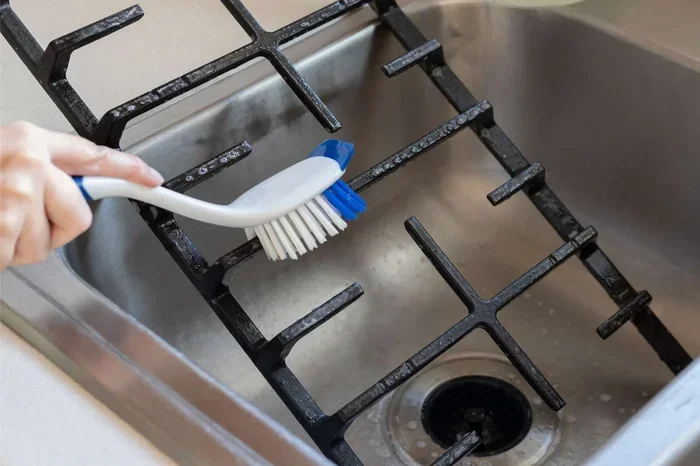
Gather your supplies: oven cleaner spray, a scrub brush, a non-abrasive scrubber, warm water, and clean towels. If you’re working outdoors or in a garage, that’s even better. Fresh air reduces fume exposure. Remove the grates from the stove and drip pans if applicable. Place them on a protected surface. This preparation step makes the cleaning process smooth and safe.
Applying the Cleaner
Spray the oven cleaner evenly over the entire grate surface. Hold the can about 6 inches away. Focus on areas with the worst burnt-on grease. Let the foam sit for 15 to 30 minutes. Do not let it dry out. The cleaner needs time to penetrate the grime. For extremely dirty grates, you can place them in a large plastic bag and spray inside, then seal the bag to contain fumes.
If the grease is exceptionally thick, you may need a second application. Wait for the first layer to foam and break down the surface. Then spray again. This two-step approach works wonders on long-neglected grates. Avoid using too much product at once. A thin, even coat is more effective than a drenched grate.
Rinsing and Drying
After soaking, rinse the grates thoroughly with warm water. Use a scrub brush or a non-abrasive scrubber to remove loosened grease. Rinse again until all soap residue is gone. Residue left behind can affect the taste of your food later. Dry the grates completely with a clean towel. This prevents rust, especially on cast iron. Once dry, reinstall them on your stove.
For cast iron grates, apply a very light coat of cooking oil after drying. This protects the iron from moisture and keeps it seasoned. For stainless steel, a quick polish with a dry cloth restores the shine. Always inspect the grates for any remaining grime. If spots remain, repeat the soaking process. A thorough rinse is the final, crucial step.
Quick Tips for Best Results
- Clean grates outdoors if possible to avoid inhaling fumes indoors.
- Use a plastic scrub brush to avoid scratching stainless steel.
- Never mix oven cleaner with other cleaning products.
- Wear eye protection if you’re spraying at an angle.
- For drip pans, line them with foil for easier future cleaning.
Alternative Cleaning Methods for Stubborn Grime
Boiling Water Method
If you prefer a chemical-free approach, try boiling water. Fill a large pot with water and bring it to a boil. Place the grates in a sink or bathtub. Pour the boiling water over them. The heat softens the grease, making it easier to wipe away. This method works well for moderate buildup and is safe for all grate types.
You can add a squirt of dish soap to the boiling water for extra degreasing power. Let the grates soak in the hot soapy water for 10 minutes. Then scrub with a brush. This technique is especially useful for stainless steel grates. It’s gentle, eco-friendly, and doesn’t produce harsh fumes. Many home cooks swear by it for weekly maintenance.
Baking Soda Paste
For a gentle abrasive, make a paste of baking soda and water. Mix three parts baking soda to one part water. Spread it over the grates and let it sit for 20 minutes. Scrub with a soft brush. Baking soda is a mild alkali that cuts through grease without scratching. It’s a great option for porcelain-coated grates where oven cleaner is a no-go.
You can also make a paste with baking soda and vinegar. The fizzing action helps lift dirt from the surface. Apply the paste, let it bubble for a few minutes, then scrub. This method is safe for most materials and leaves a fresh scent. It’s a staple of natural kitchen cleaning tips.
Commercial Degreasers
If oven cleaner feels too harsh, try a commercial kitchen degreaser. These products are designed for stovetops and cooktops. They are often less caustic than oven cleaners. Look for degreasers that are safe for food-contact surfaces. Spray, wait a few minutes, and wipe clean. Always follow the manufacturer’s instructions.
Some degreasers come in foaming formulas similar to oven cleaner. They adhere to vertical surfaces and dissolve grease effectively. Brands like Simple Green or Krud Kutter offer options for kitchen use. These are great for people who want strong cleaning power without the extreme chemicals. Keep a bottle in your kitchen for regular wipe-downs.
Safety, Maintenance, and Long-Term Care
Protecting Yourself
Always work in a well-ventilated area. Avoid breathing in the spray mist. Wear gloves and eye protection if you’re splashing. Keep children and pets away from the cleaning area. If you get cleaner on your skin, rinse it off immediately with plenty of water. These precautions make the job safe and stress-free.
Never eat or drink while cleaning with oven cleaner. The chemicals can transfer to your mouth if you touch your face. Wash your hands thoroughly after handling grates, even if you wore gloves. Store oven cleaner in a locked cabinet out of reach of children. Proper storage prevents accidental exposure.
Daily Habits to Reduce Buildup
Wipe your stove top grates after each use. A quick wipe with a damp cloth removes fresh grease before it hardens. This simple habit cuts down on deep cleaning sessions. Also, clean drip pans regularly. They catch a lot of overflow and can become a fire hazard if clogged.
Use a splatter screen when cooking with oil. It catches airborne grease and keeps grates cleaner longer. After cooking, let the grates cool slightly, then wipe them with a paper towel. This prevents food from bonding to the surface. Small efforts every day save hours of scrubbing later.
Deep Cleaning Schedule
Plan a deep clean every one to two months, depending on how often you cook. Soak grates in hot soapy water first, then scrub. For heavy grime, use the oven cleaner method safely. A regular schedule keeps grates looking new and prevents tough buildup.
Mark your calendar for a monthly deep clean. If you cook frequently, consider doing it every two weeks. Between deep cleans, use the boiling water method for a quick refresh. This routine maintains the appearance and function of your stove top grates. A little prevention goes a long way.
Cleaning stove top grates doesn’t have to be a battle. You now know that can you use oven cleaner on stove top grates safely is a question with a clear answer: yes, when you follow the right steps. Always check the grate material first, protect yourself from fumes, and rinse thoroughly. If oven cleaner feels too strong, try boiling water or a baking soda paste. Regular maintenance makes every cleaning session easier. With these tips, your grates will shine like new and your kitchen will smell fresh. Give it a try and enjoy the satisfaction of a truly clean stove.
Frequently Asked Questions
Is oven cleaner safe for all types of stove top grates?
No, oven cleaner is not safe for porcelain-coated, enamel, or painted grates. It can strip the coating and cause rust. It’s also unsafe for glass or ceramic cooktop surfaces. Always check the grate material before spraying. Bare stainless steel and cast iron grates without enamel are generally safe to clean with oven cleaner.
How long should I let oven cleaner sit on stove top grates?
Let the foam sit for 15 to 30 minutes. For extremely dirty grates, you can leave it for up to an hour, but do not let it dry out. Reapply if the foam loses its moisture. The longer it sits, the more it breaks down the burnt-on grease. Always rinse thoroughly after the waiting period.
Can I clean stove top grates in my oven’s self-cleaning cycle?
It’s not recommended. The extreme heat of a self-cleaning cycle can warp metal grates. It can also damage drip pans and other components. Manual cleaning with oven cleaner or alternative methods is safer and more effective for grates. Remove the grates and clean them separately.
What should I do if oven cleaner residue is left on the grates?
Rinse the grates thoroughly with warm water. Use a scrub brush to remove any remaining residue. If residue persists, wipe the grates with a cloth dampened with white vinegar. This neutralizes alkaline residue. Always dry the grates completely before reinstalling them on the stove.
Are there any natural alternatives to oven cleaner for stove top grates?
Yes, boiling water with dish soap is a great chemical-free option. A baking soda paste also works well for moderate grime. You can also use a commercial kitchen degreaser that is less caustic than oven cleaner. These alternatives are safer for regular maintenance and for more delicate grate materials.
How often should I deep clean my stove top grates?
Aim for a deep clean every one to two months. If you cook frequently or use a lot of oil, clean them every two weeks. Wiping grates after each use reduces the need for deep cleaning. A consistent schedule prevents heavy buildup and keeps your stove looking its best.