Dutch Oven Pots How To Cook Perfect Meals Every Time
Dutch oven pots are the ultimate kitchen companion for cooking perfect meals every time. These heavy, versatile pots lock in moisture and deliver even heat for braising, baking, and slow cooking. Whether you choose cast iron or enameled Dutch oven pots, you gain a reliable tool that handles everything from soups to sourdough bread. This guide covers how to pick, use, and care for your Dutch oven pots so you can cook with confidence every single day.
There is something magical about a heavy pot that turns simple ingredients into extraordinary meals. Dutch oven pots have been a kitchen staple for centuries, and for good reason. They distribute heat evenly, trap moisture inside, and let you cook dishes that taste like they simmered all day. If you have ever wondered why so many home cooks swear by their Dutch oven pots, this guide will show you exactly why.
In this article, we will walk you through everything you need to know about Dutch oven pots. You will learn about the different types available, how to choose the right one, and the best recipes to try. We will also share practical cooking tips and care instructions so your pot lasts for decades. By the end, you will feel confident enough to start cooking perfect meals every single time.
Let us be honest. Cooking a great meal does not require a fancy kitchen full of gadgets. It requires the right tools, and Dutch oven pots deliver exactly that. They are simple, durable, and incredibly effective. Whether you are a beginner or a seasoned cook, Dutch oven pots will change the way you prepare food at home.
Key Takeaways
- Dutch oven pots offer unmatched heat retention and even cooking for all types of meals.
- Cast iron and enameled Dutch oven pots each have unique benefits depending on your cooking style.
- Proper seasoning and cleaning extend the life of your Dutch oven pots significantly.
- One-pot meals made in Dutch oven pots save time and boost flavor.
- Dutch oven pots work on stovetops, in ovens, and even over campfires.
- Investing in quality Dutch oven pots pays off with years of reliable performance.
- Learning a few simple techniques unlocks the full potential of your Dutch oven pots.
📑 Table of Contents
What Are Dutch Oven Pots?
Dutch oven pots are thick, heavy cooking vessels designed to handle long, slow cooking with excellent heat retention. They typically feature a tight-fitting lid that traps steam inside, creating a self-basting environment. This design makes them perfect for braising, stewing, baking, and even frying. The heavy walls and lid work together to maintain a consistent temperature throughout the cooking process.
Most Dutch oven pots are made from cast iron, though enameled versions have become very popular in recent years. Cast iron Dutch oven pots are known for their durability and ability to retain heat for a long time. Enameled Dutch oven pots offer a non-reactive cooking surface that does not require seasoning. Both types share the same core design philosophy: heavy construction and a snug-fitting lid.
The beauty of Dutch oven pots lies in their versatility. You can use them on a stovetop, inside a conventional oven, or even over a campfire. They handle everything from deep frying to baking bread with ease. This makes them one of the most practical pieces of cookware you can own. Once you start cooking with Dutch oven pots, you will wonder how you ever managed without one.
How Dutch Oven Pots Work
The secret behind Dutch oven pots is their thick walls and heavy lid. When you heat the pot, the walls absorb and store thermal energy. Even when you lower the heat, the pot continues to cook your food gently and evenly. The lid traps moisture inside, which circulates and keeps your dishes tender and flavorful.
This self-basting effect is what sets Dutch oven pots apart from regular pots and pans. Your food stays moist without needing to add extra liquid. The even heat distribution prevents hot spots that can burn or undercook your meals. This is why Dutch oven pots excel at slow-cooked recipes like stews, roasts, and braised dishes.
Types of Dutch Oven Pots
Not all Dutch oven pots are the same. Understanding the different types helps you choose the right one for your cooking needs. There are two main categories: cast iron and enameled. Each has its own advantages and considerations.
Cast Iron Dutch Oven Pots
Traditional cast iron Dutch oven pots are the original design. They are made from a single piece of cast iron, which gives them excellent heat retention. These pots are incredibly durable and can last for generations if properly cared for. Many experienced cooks prefer cast iron because it improves with use over time.
Cast iron Dutch oven pots require seasoning to maintain their non-stick surface. Seasoning involves applying a thin layer of oil and heating it until it polymerizes. This creates a natural non-stick coating that enhances with each use. Some cooks love the ritual of seasoning, while others find it a bit time-consuming.
One thing to keep in mind with cast iron is that it reacts with acidic foods. Tomatoes, wine-based sauces, and citrus can strip the seasoning over time. However, many cooks still use their cast iron Dutch oven pots for these recipes and simply re-season afterward. The trade-off is worth it for the superior heat retention and durability.
Enameled Dutch Oven Pots
Enameled Dutch oven pots feature a glass-like coating fused to the cast iron surface. This coating eliminates the need for seasoning and makes the pot non-reactive. You can cook acidic foods like tomato sauces without worrying about damaging the surface. Enameled pots also come in a wide range of colors, which adds a stylish touch to your kitchen.
The main downside of enameled Dutch oven pots is that they can be more expensive than their bare cast iron counterparts. The enamel coating also requires gentle care to avoid chipping. You should avoid thermal shock, which happens when you move the pot from a hot surface to cold water. With proper handling, enameled Dutch oven pots can serve you well for many years.
Comparison Table
| Feature | Cast Iron Dutch Oven Pots | Enameled Dutch Oven Pots |
|---|---|---|
| Seasoning Required | Yes | No |
| Heat Retention | Excellent | Excellent |
| Acidic Food Compatibility | Limited | Full |
| Durability | Very High | High |
| Price Range | Budget to Mid | Mid to High |
| Weight | Heavy | Heavy |
| Color Options | Limited | Wide Range |
How to Choose the Right Dutch Oven Pots
Choosing the right Dutch oven pots depends on your cooking habits, budget, and personal preferences. There are a few key factors to consider before making your purchase. Taking the time to evaluate these factors will help you find the perfect pot for your kitchen.
Size Matters
Dutch oven pots come in various sizes, typically ranging from 3 quarts to 7 quarts. A 5-quart pot is the most popular size and works well for most families. If you cook for a large household or meal prep frequently, consider a larger size. For singles or couples, a 3-quart pot may be sufficient.
Think about what you plan to cook most often. If you make large roasts or whole chickens, go with a bigger pot. If you mostly simmer soups and stews, a medium-sized Dutch oven pot will work perfectly. Choosing the right size ensures your food cooks evenly and comfortably fits inside the pot.
Lid Design
The lid of your Dutch oven pots plays a crucial role in cooking performance. Look for a lid that fits snugly and has a slightly raised rim to collect condensation. Some lids feature self-basting spikes on the inside that distribute moisture evenly over your food. These small details make a big difference in the quality of your meals.
Handles and Weight
Dutch oven pots are heavy by design. The weight is what gives them their excellent heat retention. However, you should still be able to handle the pot comfortably. Look for models with large, heat-resistant handles on both sides. Some pots also come with a helper handle on the lid for easier lifting. Make sure you can safely move the pot when it is full of hot food.
Budget Considerations
Price is always a factor when buying Dutch oven pots. Cast iron pots tend to be more affordable, especially from well-known brands. Enameled pots from premium manufacturers can cost significantly more. However, remember that a good Dutch oven pot is a long-term investment. A quality pot can last a lifetime, making the cost per use very reasonable over time.
Best Dutch Oven Pot Recipes to Try
Once you have your Dutch oven pots, it is time to start cooking. The possibilities are nearly endless, but some recipes truly showcase what these pots can do. Here are some of the best recipes to try at home.
Classic Beef Stew
Beef stew is the quintessential Dutch oven recipe. The heavy pot sears the beef beautifully and then simmers the meat and vegetables in a rich broth for hours. The result is a tender, flavorful stew that tastes even better the next day. This is exactly the kind of meal that Dutch oven pots were made for.
Sourdough Bread
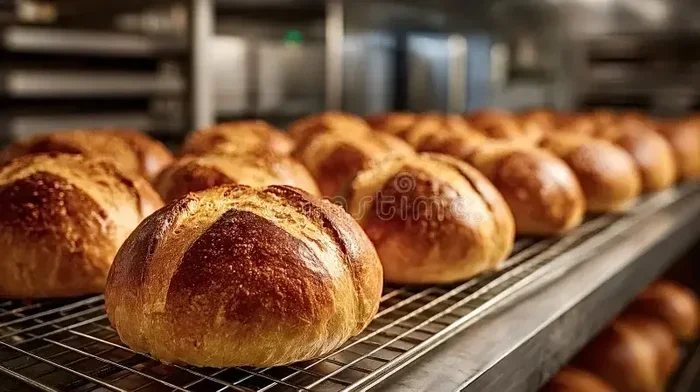
Baking sourdough bread in a Dutch oven pot is a game-changer. The pot traps steam during the initial phase of baking, which creates a crispy, golden crust. The even heat distribution ensures the bread bakes perfectly from edge to center. If you love freshly baked bread, a Dutch oven pot is all you need.
One-Pot Chicken and Rice
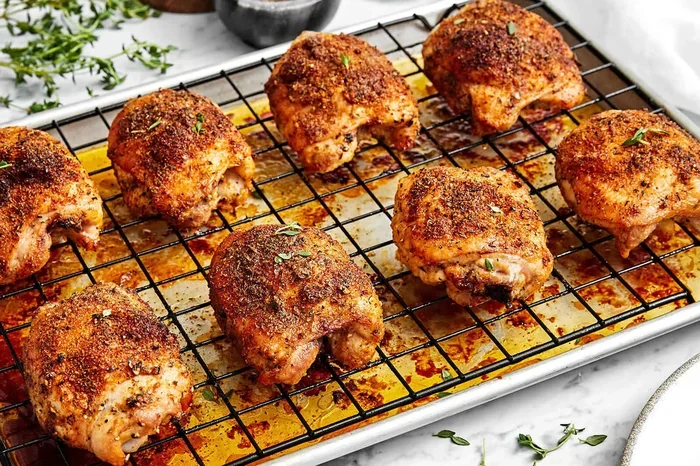
One-pot meals are incredibly convenient, and Dutch oven pots make them even easier. Chicken and rice cooked together in a single pot means fewer dishes to wash. The pot keeps everything at the right temperature, and the flavors meld beautifully as they cook. This is a weeknight dinner hero that the whole family will love.
Campfire Chili
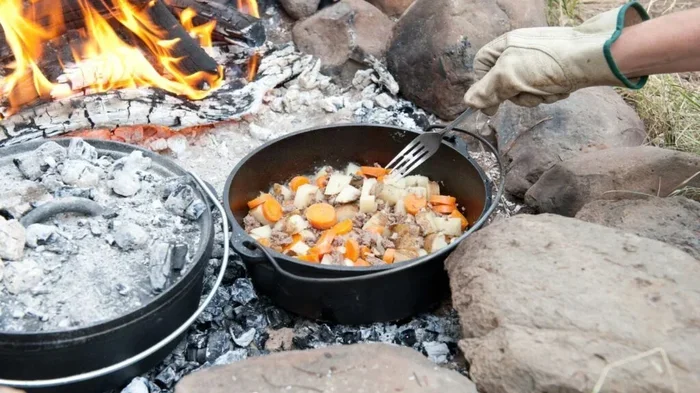
Taking your Dutch oven pots outdoors opens up a whole new world of cooking. Campfire chili is a favorite for outdoor enthusiasts. The pot sits right over the coals, and the heavy construction maintains a steady simmer without any fuss. Just add your ingredients, let it cook, and enjoy a hearty meal under the stars.
Cooking Tips for Perfect Results with Dutch Oven Pots
Using Dutch oven pots is straightforward, but a few tips can elevate your cooking from good to great. These techniques help you get the most out of your pot and ensure consistent, delicious results every time.
Preheat Your Pot Gradually
Always preheat your Dutch oven pot slowly over low to medium heat. Cast iron reacts poorly to sudden temperature changes, which can cause warping or cracking. Gradual preheating allows the heat to distribute evenly across the entire surface. This simple step prevents hot spots and ensures your food cooks uniformly.
Use the Right Heat Source
Dutch oven pots work on gas stoves, electric cooktops, induction surfaces, and in conventional ovens. However, they are not ideal for high-heat cooking like searing at maximum temperature. Use medium to low heat for most recipes. If you want to sear meat, do it quickly and then reduce the heat before adding liquids. This preserves the seasoning and prevents food from sticking.
Layer Ingredients Thoughtfully
When making stews or braises, layer your ingredients strategically. Place denser vegetables like carrots and potatoes at the bottom where they receive the most direct heat. Put tender ingredients like greens on top so they do not overcook. This layering technique ensures every component of your meal cooks to perfection.
Let the Pot Do the Work
One of the greatest advantages of Dutch oven pots is their self-basting design. Once you add your liquid and lid, resist the urge to lift the lid frequently. Every time you remove the lid, you release steam and extend the cooking time. Trust the process and let the pot work its magic. Your food will be more flavorful and tender because of it.
Rest Your Food Before Serving
Just like a roasted turkey, food cooked in a Dutch oven pot benefits from a resting period. Let your stew or roast sit for 10 to 15 minutes after removing it from the heat. This allows the juices to redistribute and the flavors to deepen. You will notice a noticeable difference in taste and texture when you follow this simple step.
Caring for Your Dutch Oven Pots
Proper care is essential for maintaining your Dutch oven pots and ensuring they last for years. The good news is that caring for these pots is not complicated. A few simple habits will keep your pot in excellent condition.
Cleaning Cast Iron Dutch Oven Pots
Clean your cast iron Dutch oven pots by hand using warm water and a stiff brush. Avoid using soap, as it can strip the seasoning. For stuck-on food, simmer a small amount of water in the pot for a few minutes to loosen the residue. Dry the pot thoroughly after washing to prevent rust. Apply a thin layer of oil after each cleaning to maintain the seasoning.
Cleaning Enameled Dutch Oven Pots
Enameled Dutch oven pots are easier to clean. You can use mild dish soap without worrying about damaging the surface. Soak any stubborn food particles in warm water for a few minutes before scrubbing. Avoid using abrasive cleaners or metal scouring pads, as these can scratch the enamel. If food sticks, fill the pot with warm water and let it sit overnight.
Storage Tips
Store your Dutch oven pots in a dry place with the lid slightly ajar to allow air circulation. This prevents moisture buildup, which can lead to rust on cast iron pots. If you stack pots, place a cloth or paper towel between them to prevent scratching. Proper storage keeps your pots ready for use at any time.
Common Mistakes to Avoid
One common mistake is using metal utensils on enameled Dutch oven pots. These can scratch the coating and compromise the cooking surface. Another mistake is thermal shock, which occurs when you place a hot pot on a cold surface or submerge it in cold water. Always let your pot cool gradually before cleaning or storing it. Avoiding these simple mistakes will extend the life of your Dutch oven pots significantly.
Why Dutch Oven Pots Are Worth the Investment
Investing in quality Dutch oven pots is one of the best decisions you can make for your kitchen. These pots deliver results that few other cookware pieces can match. They handle a wide range of cooking techniques, from searing and sautéing to baking and slow cooking. The food you prepare in a Dutch oven pot simply tastes better.
The durability of Dutch oven pots means you will not need to replace them anytime soon. A well-made Dutch oven pot can last a lifetime and even be passed down to the next generation. When you factor in the versatility and longevity, the value becomes clear. You are not just buying a pot; you are investing in a cooking companion that will serve you for decades.
Whether you are a weekend warrior experimenting with new recipes or a busy parent looking for easy weeknight dinners, Dutch oven pots have something to offer. They simplify cooking, enhance flavor, and bring joy to the kitchen. Once you experience the difference that Dutch oven pots make, you will never look back.
Conclusion
Dutch oven pots are truly one of the most versatile and reliable tools in any kitchen. They provide even heat, excellent moisture retention, and endless cooking possibilities. From hearty stews to freshly baked bread, these pots deliver consistently delicious results. Whether you choose cast iron or enameled, the right Dutch oven pot will transform your home cooking experience.
Take the time to choose the right size, learn a few basic techniques, and care for your pot properly. In return, your Dutch oven pots will reward you with flavorful meals for years to come. Start experimenting with new recipes today, and you will quickly understand why so many cooks consider Dutch oven pots an essential part of their kitchen arsenal. Cook with confidence, enjoy the process, and savor every bite.
Frequently Asked Questions
What is the best size Dutch oven pot for a family of four?
A 5-quart Dutch oven pot is the ideal size for a family of four. It handles most recipes comfortably, from soups and stews to roasted meats and baked bread. If you cook large batches or meal prep frequently, consider stepping up to a 6 or 7-quart size for extra capacity.
Can you use Dutch oven pots on an induction cooktop?
Yes, many Dutch oven pots work on induction cooktops. Cast iron Dutch oven pots are naturally induction-compatible because of their magnetic properties. Enameled Dutch oven pots also work on induction as long as the base contains a ferromagnetic material. Always check the manufacturer’s specifications before purchasing.
How often should you season a cast iron Dutch oven pot?
Season your cast iron Dutch oven pot every few weeks or whenever you notice food starting to stick. Some cooks season after every few uses to maintain a strong non-stick surface. Regular seasoning builds up the protective layer and keeps your pot performing at its best over time.
Can you bake bread in a Dutch oven pot?
Absolutely. Baking bread in a Dutch oven pot is one of the most popular uses for these versatile vessels. The pot traps steam during baking, which creates a crispy, professional-quality crust. Simply shape your dough, place it inside the preheated pot, and bake until golden brown.
Are enameled Dutch oven pots dishwasher safe?
Most manufacturers recommend hand-washing enameled Dutch oven pots, even if they are labeled as dishwasher safe. The high heat and harsh detergents in dishwashers can damage the enamel over time. Hand washing with warm water and mild soap is the safest way to keep your pot looking and performing great for years.
What is the difference between a Dutch oven pot and a regular stockpot?
The main difference lies in the construction and design. Dutch oven pots have thick walls and a heavy lid that retain heat exceptionally well, making them ideal for slow cooking and braising. Stockpots are taller and lighter, designed mainly for boiling large volumes of liquid. Dutch oven pots offer far more versatility and superior cooking results for a wide range of recipes.
=== SEO TITLE ===
Dutch Oven Pots How To Cook Perfect Meals Every Time
=== META TITLE ===
Dutch Oven Pots: Cook Perfect Meals Every Time
=== URL SLUG ===
dutch-oven-pots-cook-perfect-meals-every-time