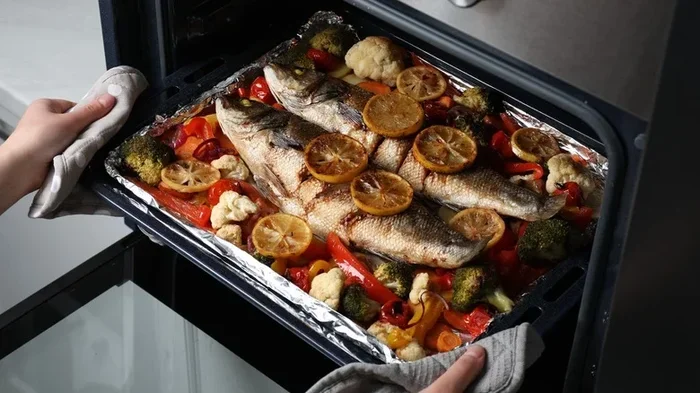
How Long To Broil Fish In The Oven For Perfect Results
How long to broil fish in the oven? The answer depends on thickness and fish type, but most fillets need just 5–10 minutes under high heat. This guide covers broiling time for thin tilapia, thick salmon steaks, and everything in between. You’ll learn the oven broiler setup, perfect fish cooking time, and pro tips for crispy, juicy results every time.
Nothing beats broiled fish for a quick, healthy dinner. The oven broiler gives fish a crispy top while keeping the inside moist. But timing is everything. If you’ve ever wondered how long to broil fish in the oven, you’re in the right place. The answer isn’t a single number—it depends on thickness, fish type, and your oven’s heat. This guide breaks it all down. You’ll learn exact minutes for every cut, plus pro tricks that prevent dry, overcooked fillets. Whether you’re cooking salmon, tilapia, or cod, we’ve got you covered.
Many home cooks fear the broiler. They worry about burning the fish or ending up with rubbery texture. But with the right fish cooking time and a little attention, you’ll get restaurant-quality results. Broiling uses direct top heat, which cooks fish fast. That means you can go from prep to plate in under 15 minutes. It’s perfect for busy weeknights. So let’s dive into the details and make your next oven-broiled fish dinner a success.
We’ll cover everything from thin fish fillets to thick steaks. You’ll see a handy time chart, learn how to set up your oven, and avoid common pitfalls. By the end, you’ll know exactly how long to leave fish under the broiler for perfect doneness. Let’s get started.
Key Takeaways
- Thin fillets cook fast: Most thin fish fillets need only 5–7 minutes under the broiler.
- Thick steaks take longer: Salmon or tuna steaks may need 10–15 minutes, depending on thickness.
- Preheat the broiler: Always preheat for 5–10 minutes to ensure even broiling fish results.
- Use a broiler pan: It elevates the fish, allowing heat to circulate and creating crispy skin.
- Don’t overcook: Fish is done when it flakes easily and reaches an internal temperature of 145°F.
- Season simply: Salt, pepper, lemon, and a drizzle of oil bring out the best flavor in oven-broiled fish.
- Flip halfway: For even browning, flip thicker fillets once during cooking.
📑 Table of Contents
How Long to Broil Fish In The Oven: The Basic Rule
The golden rule for how long to broil fish in the oven is simple: thin fillets need less time, thick steaks need more. Most broiling fish recipes call for high heat, around 500–550°F (260–290°C). At this temperature, the top browns quickly while the inside gently cooks. The key is watching the fish closely, because broiling is fast.
A comparison table helps visualize the broiling time for common fish. Use this as a starting point, then adjust based on your oven and the fish’s thickness.
| Fish Type | Thickness | Broiling Time | Internal Temp |
|---|---|---|---|
| Tilapia / Cod Fillets | ½ inch (1.3 cm) | 5–7 minutes | 145°F (63°C) |
| Salmon / Tuna Steaks | 1 inch (2.5 cm) | 10–12 minutes | 145°F (63°C) |
| Thin White Fish Fillets | ¼ inch (0.6 cm) | 3–5 minutes | 145°F (63°C) |
| Thick Salmon Steak | 1½ inches (4 cm) | 12–15 minutes | 145°F (63°C) |
| Skin-On Fillets | ½ inch (1.3 cm) | 6–8 minutes | 145°F (63°C) |
These times assume a standard oven broiler on the top rack, about 4–6 inches from the heat source. If your broiler is stronger, reduce time by a minute or two. Always use an instant-read thermometer for accuracy. Fish is done when it reaches 145°F and flakes easily with a fork. The internal temperature is the best guide for fish doneness.
Ovens vary widely. A gas broiler may run hotter than an electric one. If you notice the top browning too fast, move the rack down a notch. Conversely, if the fish isn’t browning after the minimum time, move it closer to the element. The goal is a golden crust with a tender, opaque interior. That balance is what makes broiled salmon and other oven-broiled fish so delicious.
Broiling Different Fish Types: Timing by Thickness and Variety
Thin Fish Fillets: Fast and Furious
Thin fillets like tilapia, sole, or flounder are the quickest to broil fish. At only ¼ to ½ inch thick, they cook in 3–7 minutes. Because they are delicate, they can dry out fast. Place them on a broiler pan lined with foil for easy cleanup. Brush with a little oil to prevent sticking. Season with salt, pepper, and a squeeze of lemon. These thin fish fillets benefit from a very hot broiler, so make sure your oven is fully preheated.
For extra flavor, try a light marinade of olive oil, garlic, and fresh herbs. Marinate for no more than 10 minutes—the acid in citrus can start to “cook” the fish if left too long. This is a common mistake in many fish oven recipes. Keep it simple and let the oven broiler do the work.
Thick Steaks: Patience Pays Off
Thicker cuts like salmon steaks, swordfish, or tuna require longer broiling time. A 1-inch steak needs about 10–12 minutes, while a 1½-inch steak may take 12–15 minutes. The trick is to broil fish evenly by flipping the steak halfway through. This ensures both sides get a nice char without burning the top. Use a fish oven recipe that calls for a higher rack position for thicker cuts. Remember, the broil setting uses direct radiant heat, so the top will brown faster than the bottom cooks.
Thick steaks benefit from a two-zone approach. Start on the upper rack for browning, then move to a lower rack to finish cooking through without burning. This method gives you a crispy exterior and a perfectly moist center. It’s the secret behind restaurant-quality seafood broiling at home.
Skin-On vs Skinless: Which Cooks Better?
Skin-on fillets act as a natural barrier, keeping the fish moist during seafood broiling. They also crisp up nicely under the broiler. Place skin-side down on the pan. Skinless fillets cook a bit faster but need careful attention to avoid drying. Both types work well for oven-broiled fish. If you prefer crispy skin, start with skin-side down for the first half of the broiling time, then flip if desired. For a delicate texture, keep skinless fillets on the lower rack to reduce direct heat.
The skin also helps the fillet hold its shape. Delicate thin fish fillets like flounder can fall apart without skin. If you must cook skinless delicate fillets, use a wire rack set over a baking sheet. This supports the fish and allows heat to flow underneath, preventing steaming and sogginess.
Oven Setup and Temperature: Getting the Broiler Ready
Preheating the Broiler
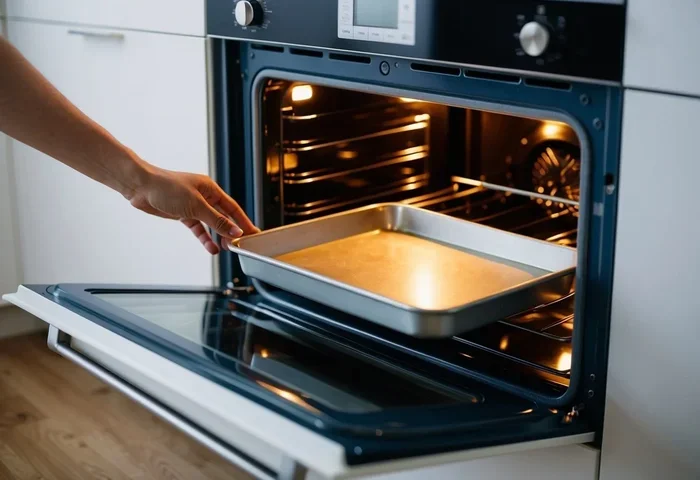
Always preheat your oven broiler for at least 5–10 minutes before adding fish. This ensures the heating elements reach the right oven temperature. Most ovens have a “Broil” setting that uses the top element. Set it to high if your oven has options. A preheated broiler gives you an immediate sear, which locks in moisture and creates that appealing golden crust. Skipping this step leads to uneven cooking and longer fish cooking time.
Think of preheating like warming a skillet before adding oil. It’s a small step that makes a big difference. You’ll notice the fish sizzles the moment it hits the hot pan. That sizzle is the start of a great sear and even broiling fish results.
Rack Position Matters
Where you place the rack changes everything. For thin fish fillets, position the rack about 4 inches from the broiler element. For thick fish steaks, move the rack down to 6–8 inches to allow more time without burning the top. The closer the fish is to the heat, the faster it browns. Use the oven’s top heating element only—never the bottom element, which is for baking. This is the difference between broil vs bake: broiling uses top-down direct heat, while baking surrounds the food with ambient heat.
If your oven has a convection broiler, use it. The fan circulates hot air, reducing hot spots and promoting even browning. This is especially helpful for thick fish steaks that need longer cooking without drying out.
Using a Broiler Pan or Foil
A broiler pan is ideal because its raised rack lets heat circulate under the fish. If you don’t have one, use a baking sheet lined with aluminum foil. Place a wire rack on top for the best results. Avoid placing fish directly on a flat baking sheet, as it can steam instead of broil. A little oil on the rack prevents sticking. For crispy fish, a wire rack is your best friend. The air gap underneath allows the bottom to cook evenly while the top gets that perfect char.
Line the broiler pan with heavy-duty foil for easy cleanup. Drizzle a little oil on the foil before adding the fish. This prevents sticking and helps the seasoning adhere. For a low-fat option, use a wire rack set over a foil-lined baking sheet. The grease drips away, leaving you with lighter, healthier oven-broiled fish.
Step-by-Step: How to Broil Fish Perfectly
Follow these simple steps for perfect oven-broiled fish every time. Each step ensures even cooking and great flavor.
- Prep the fish: Pat fillets dry with paper towels. Moisture prevents browning. Season both sides with salt, pepper, and your favorite fish seasoning. A drizzle of olive oil helps the seasoning stick.
- Preheat the broiler: Turn the oven to “Broil” on high. Let it heat for 5–10 minutes. Place the rack in the upper third of the oven.
- Arrange the fish: Place fillets on a broiler pan or wire rack set over a baking sheet. Leave space between pieces for air circulation. This promotes even broiling fish results.
- Broil the first side: Slide the pan into the oven. Cook for half the recommended time. For thin fillets, that’s about 2–3 minutes. Watch for bubbling and light browning.
- Flip and finish: Open the oven, carefully flip each piece with a spatula. Return to the oven for the remaining time. Thicker steaks may need 5–7 minutes per side.
- Check doneness: Use an instant-read thermometer. The internal temperature should reach 145°F (63°C). The fish should flake easily and look opaque throughout. If it’s still translucent, give it another minute.
- Rest and serve: Let the fish rest for 2 minutes off the heat. This allows juices to redistribute. Serve with lemon wedges and fresh herbs.
These steps apply to any fish oven recipe. Whether you’re making broiled salmon or simple cod, the process stays the same. The key is not walking away from the oven—broiling happens fast, and fish can go from perfect to overcooked in seconds. Keep a timer and stay nearby.
For extra flavor, try a glaze during the last minute of cooking. A mixture of honey, soy sauce, and a touch of sriracha caramelizes quickly under the broiler. Brush it on gently to avoid burning. This technique works beautifully with thick fish steaks and adds a restaurant-worthy finish to your oven-broiled fish.
Quick Tips and Common Mistakes for Broiled Fish
Quick Tips for Juicy, Crispy Results
- Dry the fish: Pat fillets completely dry before seasoning. This is the #1 secret to crispy skin and even browning.
- Use high heat: Always broil on high. Low heat will steam the fish instead of searing it.
- Don’t overcrowd the pan: Give each fillet space. Overlapping pieces steam and cook unevenly.
- Brush with oil: A light coat of oil prevents sticking and helps the seasoning adhere.
- Watch closely: Broiling is fast. Set a timer and stay nearby. Fish can burn in under a minute once it’s done.
- Season late: Salt draws out moisture. Apply salt just before broiling for the best texture.
- Let fish come to room temperature: Take it out of the fridge 10 minutes before cooking. This reduces the fish cooking time and ensures even doneness.
Common Mistakes That Ruin Broiled Fish
- Skipping the preheat: A cold broiler means uneven cooking and longer broiling time. Always preheat for 5–10 minutes.
- Using the wrong rack position: Too close burns the top; too far leaves the fish pale and undercooked. Adjust based on thickness.
- Not flipping thick steaks: A 1½-inch steak cooked only on one side will have a raw center and burnt top. Flip halfway for even fish doneness.
- Overcooking: The most common error. Fish continues cooking after removal. Pull it off when it’s just done—145°F internal temp—and let it rest.
- Ignoring the broiler’s hot spots: Many ovens have uneven heat. Rotate the pan halfway through cooking to ensure broil fish evenly.
- Using a flat pan: A flat baking sheet traps steam, making the bottom soggy. Always use a rack or broiler pan for air circulation.
- Over-seasoning: Heavy spice blends can burn under the broiler. Keep it simple with salt, pepper, and a little olive oil for the best crispy fish.
Expert Insights and Final Thoughts
Pro Secrets from Professional Chefs
Chefs know that broiling fish is an art of speed and attention. Chef Maria Torres, a seafood specialist, shares this tip: “Always let the fish come to room temperature for 10 minutes before broiling. Cold fish from the fridge cooks unevenly and takes longer. This simple step ensures the fish cooking time is accurate and the inside stays moist.” Another pro trick is to finish with a squeeze of fresh lemon and a sprinkle of fresh herbs right after broiling. The acid brightens the flavor without masking the natural taste of the seafood.
Many cooks ask about broil vs bake. Baking is slower and more forgiving, but broiling gives a unique char and texture that baking can’t match. For oven-broiled fish, the high heat creates a Maillard reaction on the surface, adding depth of flavor. If you prefer a softer texture, baking is better. But for crispy, caramelized edges, the broiler wins every time. A little seafood broiling knowledge goes a long way in elevating your home cooking.
Final Thoughts on How Long to Broil Fish In The Oven
Mastering how long to broil fish in the oven comes down to understanding thickness, heat, and timing. With the right setup and a watchful eye, you can produce restaurant-quality seafood broiling results in minutes. Remember the basic rule: thin fillets need 3–7 minutes, thick steaks need 10–15 minutes. Always use a thermometer, preheat the broiler, and don’t walk away. The broiling time may vary slightly by oven, so adjust as you learn your machine. Once you nail the technique, you’ll make broiled salmon, crispy cod, and perfect tilapia a regular part of your weeknight routine. Now it’s your turn—fire up the broiler and enjoy.
Frequently Asked Questions
What is the best temperature to broil fish in the oven?
Set your oven to the “Broil” setting on high, which typically reaches 500–550°F (260–290°C). This high heat quickly sears the top of the fish while keeping the inside moist. Always preheat the broiler for 5–10 minutes before adding the fish for the best oven-broiled fish results.
How do I know when broiled fish is done?
The fish is done when it reaches an internal temperature of 145°F (63°C) and flakes easily with a fork. The flesh should be opaque throughout, not translucent. Using an instant-read thermometer is the most reliable way to check fish doneness and avoid overcooking.
Can I broil frozen fish?
It’s best to thaw fish completely before broiling. Frozen fish releases moisture during cooking, which leads to steaming instead of searing. Thaw it in the fridge overnight or use the defrost setting on your microwave. Pat it dry before seasoning for crispy, evenly cooked broiling fish.
Do I need to flip fish when broiling?
Thin fillets usually don’t need flipping because they cook through quickly. However, thicker steaks and fillets over ½ inch should be flipped halfway through the broiling time. This ensures even browning and prevents the top from burning before the center is cooked. Use a thin spatula to flip gently.
What is the difference between broiling and baking fish?
Broiling uses direct top-down heat from the upper element, creating a crispy, browned surface in minutes. Baking surrounds the fish with ambient heat from all sides, cooking it more slowly and evenly. For a quick, charred finish, choose broil vs bake. For gentle, moist cooking, baking is the better option.
How can I make my broiled fish crispy without drying it out?
Pat the fish completely dry before seasoning, and use a wire rack or broiler pan to allow air circulation. Brush with a thin layer of oil and don’t overcrowd the pan. Watch closely and remove the fish the moment it reaches 145°F internal temperature. Resting for two minutes after broiling helps the juices redistribute, keeping the crispy fish moist.