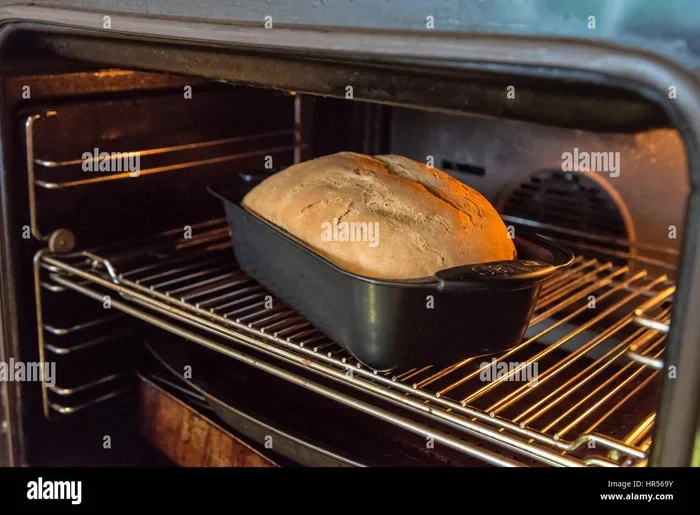
How To Heat Bread In Oven Without Foil At Home Today
Heating bread in the oven without foil is simple, fast, and keeps your bread tasting fresh. You will learn the best oven temperatures, timing, and tricks to get perfectly warm slices every single time. This guide covers everything from basic bread warming to advanced tips for crusty loaves.
There is something magical about warm bread straight from the oven. The smell fills your kitchen. The crust turns golden. And the inside stays soft and pillowy. Whether you are reheating leftover bread or warming up fresh dough, knowing how to heat bread in oven without foil makes a huge difference.
Many people reach for aluminum foil every time they put bread in the oven. But foil can actually cause problems. It traps too much steam. It can make the bottom soggy. And it sometimes leaves a metallic taste on your bread. The good news is that heating bread without foil is just as easy. In fact, it often gives you better results.
This guide will walk you through every step. You will learn the best temperatures, the right timing, and simple tricks that keep your bread tasting amazing. No special tools needed. No complicated steps. Just straightforward advice you can use today.
Key Takeaways
- No foil needed: You can heat bread beautifully using just your oven and a simple baking sheet or dish.
- Right temperature matters: Keeping your oven between 300°F and 350°F prevents burning and drying out.
- Timing is key: Most bread only needs 5 to 10 minutes to warm through without foil.
- Moisture tricks work: Adding a small pan of water or lightly dampening the bread keeps it soft.
- Freshness stays longer: Proper warming methods help preserve the bread texture and flavor.
- Works for all bread types: From sandwich loaves to crusty artisan bread, these methods apply to all kinds.
- Quick cleanup: Skipping foil means less mess and faster cleanup after reheating.
📑 Table of Contents
- Why Heat Bread Without Foil?
- How To Heat Bread In Oven Without Foil: Step by Step
- Best Oven Temperatures for Different Bread Types
- Tips for Keeping Bread Soft and Moist
- Common Mistakes People Make When Reheating Bread
- Expert Tips for Perfectly Warmed Bread Every Time
- How To Heat Bread In Oven Without Foil: Quick Reference Guide
- Frequently Asked Questions
- Conclusion
Why Heat Bread Without Foil?
You might be wondering why foil is even a problem. After all, it is a common kitchen staple. But when it comes to bread, foil can work against you in several ways.
Foil Traps Too Much Moisture
Aluminum foil creates a tight seal around your bread. This traps steam inside. Steam is great for some cooking tasks. But for bread, too much moisture makes the crust soft and limp. You lose that beautiful crispy exterior that makes bread so enjoyable.
Foil Can Affect the Taste
Some people notice a slightly metallic flavor when bread is wrapped in foil. This is especially true with acidic breads like those containing tomato or citrus. Even without strong flavors, foil can subtly change the taste of your bread.
No Foil Means Better Browning
When you skip the foil, heat circulates freely around the bread. This promotes even browning on all sides. The result is a more uniform golden crust that looks and tastes better.
Faster Cleanup
Let us be honest. Foil gets messy. It sticks to food. It tears easily. Without foil, your baking sheet stays clean. Cleanup takes seconds instead of minutes.
How To Heat Bread In Oven Without Foil: Step by Step
Now let us get into the practical part. Here is exactly how to heat bread in oven without foil using simple methods that work every time.
Step 1: Preheat Your Oven
Always start by preheating your oven. Set it to 325°F for most bread types. This moderate temperature warms the bread evenly without drying it out. If you prefer a crispier result, you can go up to 350°F. But 325°F is the sweet spot for gentle warming.
Step 2: Choose Your Baking Surface
Place a baking sheet directly on the middle oven rack. You can also use an oven-safe dish or a pizza stone. A pizza stone works wonderfully because it absorbs moisture and helps create a crispy bottom crust. Avoid using glass dishes for very hot temperatures, as they can crack.
Step 3: Arrange the Bread Properly
Lay your bread slices or loaf flat on the baking sheet. Do not stack them on top of each other. Overlapping bread traps steam and heats unevenly. Leave space between each piece so hot air flows freely around every surface.
Step 4: Heat for the Right Amount of Time
For bread slices, 3 to 5 minutes is usually enough. For a whole loaf, 8 to 12 minutes works well. For thicker bread like artisan sourdough, you may need up to 15 minutes. Check the bread halfway through to make sure it is not over-browning.
Step 5: Check and Remove
Use oven mitts to remove the baking sheet. Touch the bread gently to feel if it is warm through. The outside should be slightly crispy. The inside should be soft and warm. If it is not warm enough yet, put it back for another 2 to 3 minutes.
Best Oven Temperatures for Different Bread Types
Not all bread is the same. Different types of bread need different approaches. Here is a helpful guide to get the best results every time.
| Bread Type | Temperature | Time | Result |
|---|---|---|---|
| Sandwich Bread | 325°F | 3-5 min | Soft and warm |
| Sourdough Loaf | 300°F | 8-12 min | Crispy crust, soft inside |
| Baguette | 350°F | 5-7 min | Crispy and crunchy |
| Brioche | 300°F | 4-6 min | Rich and buttery |
| Whole Wheat | 325°F | 5-8 min | Nutty and warm |
| Frozen Bread | 325°F | 8-10 min | Thawed and warm |
These temperatures work because they balance heat penetration with moisture retention. Too hot and the outside burns before the inside warms. Too cool and the bread loses its freshness. Finding the right temperature for your specific bread type makes all the difference.
Tips for Keeping Bread Soft and Moist
One of the biggest concerns people have about reheating bread is drying it out. Here are proven tips to keep your bread soft and delicious.
Use a Damp Paper Towel
Before placing bread on the baking sheet, lay a slightly damp paper towel over the slices. The moisture from the towel creates steam during heating. This keeps the bread soft on the inside. Just make sure the towel is damp, not soaking wet. You do not want water dripping onto your baking sheet.
Add a Pan of Water to the Oven
Place a small oven-safe pan filled with water on the bottom rack while your bread heats. This adds humidity to the oven environment. It prevents the bread from drying out, especially during longer warming times. This trick works great for whole loaves and artisan breads.
Do Not Overheat
More time does not mean better results. Overheating bread turns it hard and stale very quickly. Stick to the recommended times. Check the bread frequently. It is always better to underheat slightly than to overheat.
Let It Rest After Heating
Once you remove bread from the oven, let it rest for 1 to 2 minutes. This allows the heat to distribute evenly throughout the loaf. The inside finishes warming while the outside sets. Cutting into it too soon can release steam and make the crust soggy.
Common Mistakes People Make When Reheating Bread
Even simple tasks like warming bread can go wrong. Here are the most common mistakes and how to avoid them.
Using Too High a Temperature
This is the number one mistake people make. Cranking the oven to 400°F or higher will burn the outside of your bread while leaving the inside cold. Always use moderate heat between 300°F and 350°F. Patience gives you better results than high heat.
Skipping the Preheat
Putting bread into a cold oven leads to uneven heating. The bread steams instead of warming properly. Always preheat your oven first. Wait until it reaches the target temperature before placing the bread inside.
Overcrowding the Baking Sheet
When bread slices overlap or touch, they steam instead of toasting. The result is soggy, unevenly heated bread. Give each piece room to breathe. If you need to warm a lot of bread, use multiple baking sheets and rotate them in the oven.
Forgetting to Check the Bread
Ovens vary in temperature. Some run hot. Some run cool. Never set a timer and walk away. Check your bread every couple of minutes. This way you catch the perfect moment when it is warm and golden.
Using the Wrong Bakeware
Not all pans work the same way for bread. Dark metal pans absorb more heat and can burn the bottom of your bread. Light-colored pans or parchment paper provide gentler, more even heating. Avoid plastic or silicone mats that are not rated for high oven temperatures.
Expert Tips for Perfectly Warmed Bread Every Time
Here are some professional tips that take your bread warming to the next level.
Use a Pizza Stone for Crispy Results
A pizza stone or baking steel is one of the best investments for bread lovers. These surfaces store heat and release it evenly. They draw moisture from the bottom of the bread, creating a crispy crust. Preheat the stone in the oven for at least 20 minutes before adding your bread.
Try the “Steam Burst” Method
For artisan breads with a thick crust, try this technique. Place your bread on a preheated baking stone. Put a small oven-safe dish of water on the rack below. The steam softens the crust slightly while the dry heat above crisps the top. This creates a beautiful contrast of textures.
Brush with Olive Oil
For an extra touch of flavor, lightly brush your bread with olive oil before heating. This adds a subtle richness and helps the crust brown more evenly. Use a pastry brush to apply a thin, even coat. Too much oil can make the bread greasy.
Store Bread Properly for Reheating
How you store bread affects how well it reheats. Keep bread in a bread box or paper bag for short-term storage. Avoid plastic bags, which trap moisture and make the crust soggy. Well-stored bread reheats much better than bread left out in the open or stored improperly.
How To Heat Bread In Oven Without Foil: Quick Reference Guide
Here is a quick reference you can keep handy for your next bread warming session.
- Preheat the oven to 325°F for most bread types.
- Line a baking sheet with parchment paper for easy cleanup.
- Place bread in a single layer with space between each piece.
- Heat for 3 to 12 minutes depending on bread thickness and type.
- Check halfway through to prevent over-browning.
- Remove when golden and warm to the touch.
- Let rest for 1 to 2 minutes before serving or slicing.
Following these simple steps ensures your bread comes out warm, crispy on the outside, and soft on the inside. No foil required. No stress involved. Just great-tasting bread every single time.
Frequently Asked Questions
Can I heat bread in the oven without foil and still get a crispy crust?
Absolutely. In fact, skipping foil often gives you a crispier crust. The hot air circulates freely around the bread, promoting even browning. Using a pizza stone or baking steel enhances this effect even further. Just make sure your oven is properly preheated to 325°F or higher.
How long should I heat bread in the oven without foil?
For bread slices, 3 to 5 minutes at 325°F is perfect. For a whole loaf, 8 to 12 minutes works best. Thicker artisan breads may need up to 15 minutes. Always check the bread at the halfway point to avoid overcooking. The bread is ready when it feels warm throughout and the crust is golden brown.
Is it safe to put bread directly on a baking sheet without foil?
Yes, it is completely safe. In fact, placing bread directly on a baking sheet or parchment paper gives better results than using foil. The direct contact promotes even heating and a crispier bottom. Just make sure your baking sheet is oven-safe and preheated along with the oven for the best results.
What is the best way to reheat leftover bread without drying it out?
The key is moderate heat and some added moisture. Set your oven to 300°F to 325°F. Place a damp paper towel over the bread slices or add a pan of water to the oven. Heat for 3 to 8 minutes depending on the bread type. These simple steps lock in moisture and keep your leftover bread soft and delicious.
Can I use this method for frozen bread?
Yes, you can heat frozen bread in the oven without foil. Set the oven to 325°F and place the frozen bread directly on a baking sheet. Heat for 8 to 12 minutes, checking halfway through. You may need a few extra minutes compared to fresh bread. The bread is done when it feels warm all the way through and the outside is lightly crispy.
Why does my bread get hard when I reheat it in the oven?
Bread gets hard when it is overheated or left in the oven too long. High temperatures above 375°F quickly dry out the bread. Another common cause is skipping the preheat step, which leads to uneven heating and moisture loss. Stick to 300°F to 350°F, keep an eye on the timing, and your bread will stay soft and delicious.
Conclusion
Learning how to heat bread in oven without foil is one of the simplest kitchen skills you can master. It saves you time, gives you better results, and keeps your bread tasting fresh and delicious. With the right temperature, proper timing, and a few simple tricks, you can warm any type of bread to perfection.
Remember to preheat your oven to 325°F. Arrange your bread in a single layer. Check it frequently. And never be afraid to skip the foil. Your bread will thank you with a crispy golden crust and a soft, warm center every single time.
Try these methods today. Experiment with different bread types and temperatures. Find what works best for your taste. Once you experience the difference that foil-free heating makes, you will never go back to the old way. Enjoy your perfectly warm bread!