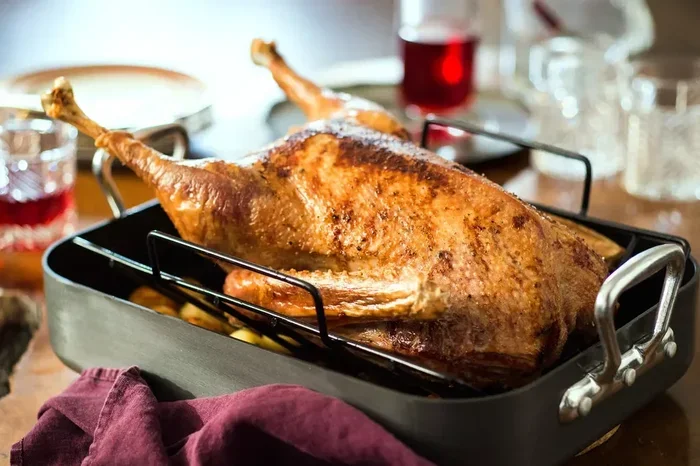
How To Roast Goose In Oven For A Perfect Holiday Meal
Learning how to roast goose in oven is easier than you think. This guide walks you through choosing, preparing, and cooking a whole goose to golden perfection. You will master seasoning, roasting times, and tips for crispy skin that will impress your holiday guests.
There is something magical about a golden roast goose sitting on the holiday table. The bird glistens with crisp skin, and the kitchen fills with a rich, savory aroma that draws everyone closer. How to roast goose in oven is a skill that transforms a simple bird into the centerpiece of a memorable feast.
Many home cooks feel intimidated by goose. Unlike chicken or turkey, goose has a thicker layer of fat and different cooking needs. But once you understand the basics, you will wonder why you ever hesitated. This guide covers everything from selecting the bird to slicing the perfect serving. By the end, you will feel confident enough to roast your own holiday goose like a pro.
Whether you are planning a Christmas dinner, a Thanksgiving alternative, or a special family gathering, a perfectly roasted goose makes the occasion feel extra special. The meat is richer than chicken, the skin is irresistible when done right, and the leftovers make incredible sandwiches the next day. Let us get into the details of making this happen in your own oven.
Key Takeaways
- Choose the right goose: A fresh, plump bird between 10-14 pounds works best for oven roasting.
- Dry brine overnight: Salting the goose the night before ensures juicy, flavorful meat throughout.
- Roast at 350°F: Plan for about 15 minutes per pound for a perfectly cooked holiday goose.
- Crispy skin trick: Prick the skin carefully and roast breast-side up for even browning.
- Rest before carving: Let the goose rest 20-30 minutes to lock in juices.
- Use goose fat wisely: Save the rendered fat for cooking potatoes or vegetables alongside the bird.
📑 Table of Contents
- Why Roast Goose In Oven For Your Holiday Meal
- Choosing The Right Goose For Oven Roasting
- Preparing And Seasoning Your Goose
- How To Roast Goose In Oven Step By Step
- Tips For Perfect Crispy Goose Skin
- Serving And Carving Your Roasted Goose
- Common Mistakes To Avoid When Roasting Goose
- Expert Insights On Roasting Goose
- Key Takeaways
- Conclusion
Why Roast Goose In Oven For Your Holiday Meal
Oven roasting is the most traditional and reliable method for cooking goose. It gives you full control over temperature and timing. You can monitor the bird closely and adjust as needed. Unlike grilling or smoking, oven roasting keeps the fat contained and renders it slowly into the pan.
The oven environment also allows for even heat distribution around the bird. This means the skin crisps up beautifully while the meat stays moist inside. For a traditional roast goose, there is simply no better method at home. The results are restaurant-quality with much less effort.
Benefits Of Oven-Roasted Goose
- Even cooking: The oven surrounds the bird with consistent heat from all sides.
- Crispy skin: Dry heat renders the fat and creates that signature crackling exterior.
- Hands-off timing: Once the goose is in the oven, you can prep sides and desserts.
- Goose fat collection: The rendered fat drips into the pan and can be saved for cooking.
- Presentation value: A whole roasted goose looks stunning on any holiday table.
Many families have passed down roast goose recipes for generations. The tradition carries a sense of warmth and celebration. When you serve oven-roasted goose, you are not just feeding people. You are creating a tradition they will remember and look forward to every year.
Choosing The Right Goose For Oven Roasting
Picking the right goose is the first step to a successful roast. Not all geese are created equal, and the size and quality of the bird matter a lot. A good starting point is a fresh goose weighing between 10 and 14 pounds. This size fits most standard ovens and feeds about six to eight people comfortably.
Look for a goose with firm, creamy-colored skin. The flesh should be pink and not discolored. Avoid any bird with a strong odor or visible bruising. If you can find a locally raised goose, even better. The meat tends to be more flavorful and the fat layer more evenly distributed.
Fresh Vs Frozen Goose
Fresh geese are ideal but can be hard to find in some areas. Frozen geese work perfectly fine as long as you thaw them properly. The key is to plan ahead. A frozen goose needs about three days in the refrigerator to thaw completely. Never thaw at room temperature, as this can lead to bacterial growth.
When buying a frozen goose meat product, check the packaging date. Make sure it has not been frozen for too long. A goose that has been stored properly will roast just as well as a fresh one. The difference is mostly in convenience and availability.
Understanding Goose Size And Portions
A 10-pound goose typically serves six people generously. A 14-pound bird can feed eight to ten. Keep in mind that goose bones are denser than chicken, so the yield of meat is lower per pound. Plan for about half a pound of raw goose per person to get a satisfying portion on each plate.
If you are cooking for a smaller group, you can always use the leftover meat in soups, salads, or sandwiches. Nothing goes to waste with a good roast goose. The bones also make a fantastic stock for future recipes.
Preparing And Seasoning Your Goose
Preparation is where the magic begins. A well-prepared goose roasts more evenly and tastes far better than one that goes straight from the fridge to the oven. Taking the time to prep the bird properly makes a huge difference in the final result.
Dry Brining The Goose
Dry brining is the best way to season a goose ahead of time. This process involves rubbing salt all over the bird and letting it rest uncovered in the refrigerator overnight. The salt draws out moisture, which then gets reabsorbed along with the seasoning. The result is meat that is deeply flavored and incredibly juicy.
Use about one tablespoon of kosher salt for every pound of goose. Rub it generously over the entire surface, including under the wings and around the cavity. Add pepper, garlic powder, or your favorite goose seasoning blend at this stage. Let the bird sit uncovered for 12 to 24 hours. This also helps dry the skin, which is essential for getting it crispy.
Aromatics And Stuffing Options
Many cooks like to stuff the cavity of the goose with aromatics. Classic options include halved onions, quartered apples, celery stalks, and fresh herbs like thyme and rosemary. These ingredients infuse the meat with a subtle fragrance as the goose roasts.
However, stuffing the cavity is optional. If you prefer, you can simply place aromatics in the roasting pan around the bird. This still adds flavor to the drippings and the rendered goose fat. The choice depends on your preference and how much oven space you have available.
Some cooks like to tie the legs together with kitchen twine. This helps the bird cook more evenly and keeps the stuffing inside if you choose to use it. A simple truss takes only a minute but improves the overall presentation and cooking results.
How To Roast Goose In Oven Step By Step
Now comes the part you have been waiting for. How to roast goose in oven is simpler than most people expect. Follow these steps and you will have a beautifully cooked bird with golden skin and tender, flavorful meat.
Step One: Preheat The Oven
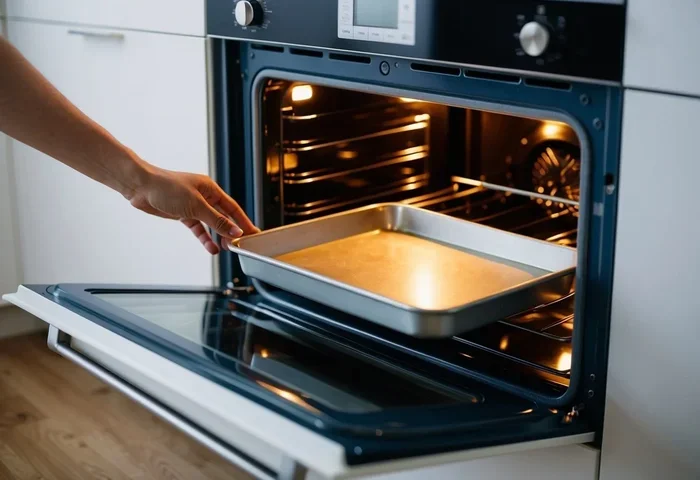
Start by preheating your oven to 350 degrees Fahrenheit. This is the ideal temperature for roasting goose. It is hot enough to render the fat and crisp the skin but not so hot that the outside burns before the inside cooks through.
If your oven runs hot, consider dropping the temperature to 325 degrees. Every oven is slightly different, and knowing your own oven helps you adjust accordingly. Use an oven thermometer if you are unsure about the accuracy of your built-in thermostat.
Step Two: Position The Goose
Place the goose breast-side up on a rack inside a roasting pan. The rack elevates the bird and allows hot air to circulate underneath. This promotes even cooking and prevents the bottom from sitting in fat and becoming soggy.
If you do not have a rack, you can create a bed of chopped onions, carrots, and celery in the bottom of the pan. The vegetables serve the same purpose by lifting the bird slightly. They also flavor the drippings for making gravy later.
Step Three: Roast And Monitor
Place the pan in the center of the oven. A general rule is about 15 minutes per pound at 350 degrees Fahrenheit. So a 12-pound goose will take roughly three hours. However, always use a meat thermometer to check the internal temperature.
The goose internal temperature should reach 165 degrees Fahrenheit in the thickest part of the thigh. The breast should read 160 degrees. Insert the thermometer into the meat without touching the bone, as bone contact gives a false reading.
Baste the goose every 45 minutes or so with the pan juices. This keeps the skin moist and promotes even browning. If the breast starts to brown too quickly, tent it loosely with aluminum foil. This prevents burning while the rest of the bird continues to cook.
Step Four: Increase Heat For Crispiness
During the last 20 to 30 minutes of cooking, you can increase the oven temperature to 400 degrees. This final blast of heat helps crisp up the skin even more. Watch it closely during this stage to prevent burning.
Some cooks like to brush the skin with a thin layer of goose fat during the last 30 minutes. This adds extra richness and helps achieve that deep golden color. The result is skin that shatters when you cut through it, which is exactly what you want.
Step Five: Rest The Goose
Once the goose reaches the proper internal temperature, remove it from the oven. Cover it loosely with foil and let it rest for 20 to 30 minutes. This step is crucial. Resting allows the juices to redistribute throughout the meat, making every slice moist and tender.
Do not skip this step, even if you are eager to dig in. Cutting into a goose that has not rested will cause the juices to run out onto the cutting board instead of staying in the meat. The wait is well worth it.
Tips For Perfect Crispy Goose Skin
The skin is what separates a good roast goose from a great one. Getting that perfect crispiness requires a few extra steps, but the effort pays off dramatically. Here are some tips to help you achieve crispy goose skin every single time.
Dry The Skin Thoroughly
Moisture is the enemy of crispy skin. After dry brining, pat the goose dry with paper towels before it goes in the oven. You can even leave it uncovered in the refrigerator for a few hours to air-dry the skin further. The drier the surface, the crispier the result.
Score The Skin Carefully
Use a sharp knife to make shallow cuts across the skin, being careful not to cut into the meat. Scoring helps the fat render out more evenly. It also gives the skin more surface area to crisp up. Make the cuts about a quarter inch apart for the best results.
Prick Small Bubbles
During roasting, the goose skin may develop small bubbles from trapped steam. Use a fork or a small sharp knife to prick these bubbles gently. This releases the steam and prevents the skin from becoming soggy in spots. It is a small step that makes a noticeable difference.
Render The Fat Properly
Goose fat renders out slowly during roasting. Some cooks drain the excess fat from the pan halfway through cooking. This prevents the bird from sitting in too much liquid, which can soften the skin. Save that rendered fat in a jar. It is liquid gold for cooking potatoes, roasting vegetables, or frying eggs the next day.
Serving And Carving Your Roasted Goose
Carving a roast goose is an art form worth learning. A beautifully carved goose on a platter makes a stunning presentation. It also ensures each guest gets a well-portioned serving with the right balance of meat, skin, and gravy.
The Right Tools For Carving
You will need a sharp carving knife and a sturdy carving fork. A long, thin blade works best for slicing through the crispy skin and tender meat. Make sure your knife is sharp before you start. A dull knife will tear the meat and make carving messy and frustrating.
Carving Technique
Start by removing the legs. Cut through the skin connecting the leg to the body, then pull the leg away slightly to expose the joint. Cut through the joint with your knife. Repeat on the other side.
Next, slice the breast meat. Hold the goose steady with the carving fork and cut thin slices parallel to the breastbone. The goal is to get each slice with a perfect balance of crispy skin and juicy meat. Work slowly and enjoy the process.
Remove the wings in the same way you removed the legs, by locating and cutting through the joint. Arrange all the pieces on a warm platter and spoon the pan juices over the top. The drippings from a roast goose make an incredibly rich and flavorful gravy.
Serving Suggestions
Roast goose pairs beautifully with classic holiday sides. Roasted root vegetables, mashed potatoes, cranberry sauce, and a warm grain stuffing all complement the rich flavor of the bird. The rendered goose fat makes an excellent base for roasting potatoes or sautéing green beans.
For a festive touch, garnish the platter with fresh herbs like rosemary sprigs or thyme bundles. A drizzle of pan jus over the carved meat adds shine and extra flavor. Your guests will be impressed by both the taste and the presentation.
Common Mistakes To Avoid When Roasting Goose
Even experienced cooks can make mistakes when preparing goose for the first time. Learning from these common errors helps you avoid frustration and serves up a better bird every time.
- Not brining ahead of time: Skipping the dry brine means less flavorful meat. Always plan to salt the goose the night before.
- Cooking at too high a temperature: A scorching hot oven burns the skin before the inside cooks. Stick to 350 degrees for best results.
- Skipping the rest period: Cutting into the goose immediately after roasting dries out the meat. Be patient and let it rest.
- Overcrowding the pan: Give the goose plenty of space in the oven. Airflow matters for even cooking and crispy skin.
- Ignoring the thermometer: Guessing the doneness leads to either undercooked or overcooked meat. A meat thermometer is your best friend.
- Forgetting to score the skin: Unscored skin renders fat unevenly and may result in patches that are chewy instead of crispy.
Avoiding these mistakes puts you well ahead of most home cooks. With a little preparation and attention to detail, you will roast a goose that rivals anything from a fine dining restaurant.
Expert Insights On Roasting Goose
Professional chefs who specialize in traditional cooking often share the same advice. The key to a perfect roast goose is patience and preparation. Chef Martin Yan, a well-known authority on cooking techniques, often emphasizes that goose rewards the cook who takes time to do it right.
Chef Marcus Samuelsson has noted that the secret to great goose lies in respecting the bird. Do not rush the process. Let the dry brine work its magic. Give the oven enough time to render the fat slowly. The results speak for themselves.
Another expert tip comes from the world of European cuisine. In many traditional kitchens, the goose is cooked the day before and reheated gently before serving. This allows the flavors to develop overnight and makes the day-of cooking much simpler. It is a technique worth trying if you want a stress-free holiday meal.
Remember that roast goose recipes vary by region and tradition. Some families add red wine to the pan, others use beer or stock. Some stuff the goose with apples and chestnuts, while others keep it simple with just salt and herbs. There is no single right way. Find the method that suits your taste and your family’s preferences.
Key Takeaways
- Choose a fresh 10-14 pound goose for the best oven roasting results.
- Dry brine overnight for deeper flavor and juicier meat.
- Roast at 350°F for about 15 minutes per pound and use a meat thermometer.
- Rest the goose for 20-30 minutes after roasting to lock in juices.
- Score and prick the skin to achieve maximum crispiness.
- Save the rendered goose fat for cooking side dishes the next day.
Conclusion
Mastering how to roast goose in oven opens up a world of holiday cooking possibilities. The process takes a bit of planning, but the reward is a stunning, flavorful bird that will be the talk of your gathering. From selecting the right goose to getting that perfect crispy skin, every step matters.
Follow the steps outlined in this guide and you will serve a roast goose that is juicy inside, golden and crisp outside, and full of rich, savory flavor. Pair it with your favorite holiday sides, carve it with care, and watch your family and friends enjoy every bite.
A perfect holiday meal does not have to be complicated. Sometimes the simplest traditions bring the most joy. A beautifully roasted goose on the table is a timeless tradition that brings people together. Give it a try this holiday season and create a memory that lasts a lifetime.
Frequently Asked Questions
How long does it take to roast a goose in the oven?
A 10 to 14 pound goose typically takes about 2.5 to 4 hours at 350 degrees Fahrenheit. The exact time depends on the size of the bird and whether you use a convection setting. Always rely on internal temperature rather than time alone to determine doneness.
Should I cover my goose with foil while roasting?
Generally, no. Roasting goose uncovered allows the skin to crisp up properly. However, if the breast starts to brown too quickly, you can tent it loosely with foil for the remaining cooking time. Remove the foil for the last 20 to 30 minutes for the best results.
What temperature should a roast goose reach?
The goose internal temperature should be 165 degrees Fahrenheit in the thigh and 160 degrees in the breast. Use a reliable meat thermometer inserted into the thickest part of the meat, avoiding the bone, for an accurate reading.
Can I use goose fat for cooking other dishes?
Absolutely. Rendered goose fat is one of the most flavorful cooking fats available. It is perfect for roasting potatoes, sautéing vegetables, or even frying eggs. Store it in the refrigerator in a sealed jar, and it will keep for several weeks.
Is roast goose healthier than roast turkey?
Goose and turkey have similar protein content, but goose has more fat due to its thicker skin and fat layer. However, much of the fat renders out during cooking. The choice between the two comes down to personal preference and tradition rather than significant health differences.
What is the best way to reheat leftover roast goose?
The best method is to reheat slices in a covered pan with a splash of broth or water at low heat. This keeps the meat moist. You can also reheat in the oven at 300 degrees for about 15 minutes. Avoid microwaving, as it tends to make the crispy skin soggy.