How To Use Drip Coffee Maker Ratio For Best Results
Master the drip coffee maker ratio with our simple guide. Learn the ideal coffee-to-water measurements, how to adjust for strength, and avoid common brewing errors. This step-by-step tutorial ensures a perfect cup every time.
Every morning, millions of people rely on a drip coffee maker to start their day. But have you ever wondered why your coffee sometimes tastes flat or too strong? The secret often lies in the drip coffee maker ratio. Getting the right balance of coffee grounds and water is the single most important step in brewing a great cup. Once you understand this simple concept, you can unlock a world of flavor.
The drip coffee maker ratio is just the relationship between the amount of coffee and the amount of water you use. It might sound technical, but it is really just a recipe. Think of it like baking a cake. Too much flour and the cake is dry. Too little and it falls apart. Coffee works the same way. The right ratio gives you a smooth, flavorful brew every time.
Most coffee experts agree on a starting point. The golden drip coffee maker ratio is usually 1:15 to 1:17. That means 1 gram of coffee for every 15 to 17 grams of water. For a standard 6-cup maker, this translates to about 30 grams of coffee and 500 grams of water. This ratio works well for medium roast beans and a normal grind size. From here, you can tweak it to match your personal taste.
Key Takeaways
- Standard ratio: Use 1:15 to 1:17 coffee to water for a balanced cup.
- Measure precisely: A kitchen scale gives the most consistent results.
- Adjust for taste: Change the ratio based on roast level and grind size.
- Water matters: Use filtered water between 195°F and 205°F.
- Avoid common errors: Don’t use too much coffee or tap water with chlorine.
- Store beans properly: Keep coffee in an airtight container away from light.
- Reheat leftovers: Follow proper reheating methods if you have extra coffee.
📑 Table of Contents
- Understanding The Drip Coffee Maker Ratio
- How To Measure Coffee And Water Correctly
- Factors That Change Your Perfect Ratio
- Step-by-Step Guide To Brewing With The Right Ratio
- Common Mistakes That Ruin Your Coffee Ratio
- Quick Tips For Consistently Great Drip Coffee
- Expert Insight: Why Ratios Beat Recipes
- Conclusion
Understanding The Drip Coffee Maker Ratio
The drip coffee maker ratio is the foundation of great coffee. It controls the strength, body, and flavor balance. Without the right ratio, even expensive beans can taste disappointing. The goal is to extract the right amount of flavor from the grounds. Too little water and the coffee tastes over-extracted and bitter. Too much water and it tastes weak and sour.
What Is The Ideal Ratio?
The ideal drip coffee maker ratio depends on a few factors. But for most people, a 1:16 ratio is a perfect starting point. This means 1 part coffee to 16 parts water. If you use 20 grams of coffee, you need 320 grams of water. This produces a clean, balanced cup. You can easily adjust this number up or down. If you like stronger coffee, move toward 1:15. If you prefer a lighter taste, try 1:17.
The Golden Ratio For Drip Coffee
The golden ratio for drip coffee is often cited as 1:15 to 1:17. This range works for the vast majority of drip coffee makers. It applies to both glass carafe machines and thermal models. The ratio is based on weight, not volume. Using a kitchen scale is the best way to get it right. Scoops and tablespoons can be inconsistent because coffee density varies. A scale removes all guesswork.
| Brew Strength | Coffee (grams) | Water (grams) | Ratio |
|---|---|---|---|
| Mild | 20 | 340 | 1:17 |
| Medium | 20 | 320 | 1:16 |
| Bold | 20 | 300 | 1:15 |
This table shows how easy it is to adjust your drip coffee maker ratio. Just change the water amount while keeping the coffee constant. You will taste the difference immediately. A milder cup lets the bean’s origin flavors shine. A bolder cup brings out roast character and body.
How To Measure Coffee And Water Correctly
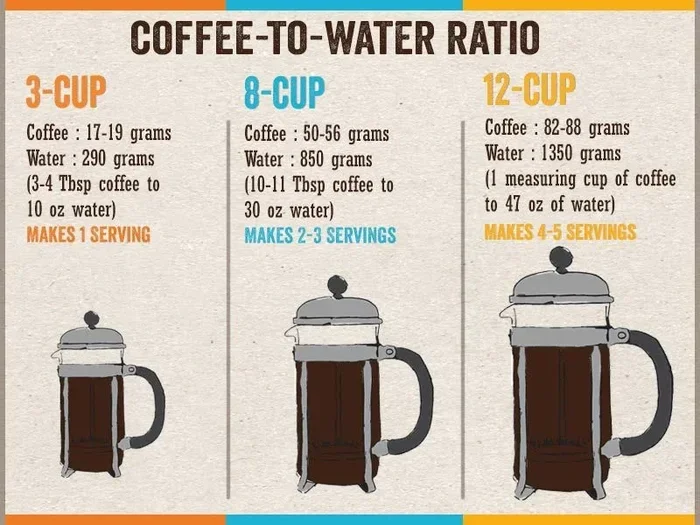
Measuring correctly is the key to nailing your drip coffee maker ratio. Many people scoop coffee with a tablespoon and guess the water. This leads to inconsistent results. A kitchen scale takes the guesswork out of the equation. It measures in grams, which is the standard for coffee brewing. If you do not have a scale, you can use tablespoons as a rough guide. Two tablespoons of ground coffee equal about 10 grams. But a scale is always better.
Using Tablespoons And Ounces
If you prefer not to use a scale, you can still get good results. Use 2 tablespoons of coffee for every 6 ounces of water. This is a common guideline for drip machines. A standard 12-cup coffee maker holds about 60 ounces of water. That means you need 20 tablespoons, or about 10 scoops, of coffee. Remember that a coffee maker cup is only 5 ounces, not 8. So a 12-cup machine actually makes 60 ounces of liquid. Adjust your drip coffee maker ratio accordingly for the best taste.
Kitchen Scale Vs. Scoops
A kitchen scale is the most accurate tool for measuring coffee. It costs very little and lasts for years. With a scale, you can follow the exact drip coffee maker ratio every time. Scoops are convenient but not precise. The size of a scoop can vary. And the amount of coffee you scoop depends on how tightly it is packed. For the most consistent brew, weigh your coffee. This is especially important if you are trying to reproduce a perfect cup.
Factors That Change Your Perfect Ratio
The drip coffee maker ratio is a starting point, not a rigid rule. Several factors can change what the perfect ratio is for you. Roast level, grind size, water temperature, and even the type of filter can all affect the brew. Understanding these variables lets you fine-tune your coffee. You will learn to make adjustments on the fly.
Coffee Bean Roast Level
Light roast beans are denser and contain more moisture. They often need a slightly finer grind and a bit more coffee to extract fully. A drip coffee maker ratio of 1:15 works well for light roasts. Medium roasts are the most versatile. They shine at a 1:16 ratio. Dark roasts are more porous and extract faster. They can turn bitter if over-extracted. For dark roasts, try a 1:17 ratio to keep the coffee smooth and balanced.
Grind Size And Extraction
Grind size plays a huge role in extraction. A drip coffee maker works best with a medium grind. It is similar to the texture of coarse sand. If the grind is too fine, the water passes through slowly. This over-extracts the coffee and makes it bitter. If the grind is too coarse, the water rushes through too fast. The result is under-extracted, sour coffee. When you change the grind, you may need to adjust your drip coffee maker ratio slightly. A finer grind might need a little less coffee to avoid bitterness.
Water Temperature And Quality
Water temperature affects how flavors are pulled from the grounds. The ideal range is between 195°F and 205°F. Water that is too hot burns the coffee. Water that is too cool under-extracts it. If you do not have a thermometer, let boiling water sit for 30 seconds before pouring. The quality of your water matters too. Tap water with heavy chlorine or mineral content can ruin the taste. Use filtered water for the cleanest cup. If you want to explore other coffee methods, check our guide on how to make coffee in microwave oven for a different brewing approach.
Step-by-Step Guide To Brewing With The Right Ratio
Now that you know the drip coffee maker ratio, let’s put it into practice. Follow these steps for a perfect pot every morning. The process is simple and takes only a few minutes.
Preparing Your Drip Coffee Maker
Start by cleaning your machine. A clean coffee maker brews better coffee. Remove any old grounds and rinse the filter basket. Fill the reservoir with fresh, cold filtered water. Place a clean filter in the basket. If you use a permanent mesh filter, make sure it is free of oil buildup. Next, add your coffee grounds. Weigh them with a scale for accuracy. For a 6-cup brew, use 20 grams of coffee and 320 grams of water. This 1:16 ratio is a reliable sweet spot.
For those using a combi oven, check our how to use combi oven guide if you are exploring multi-function kitchen appliances.
Brewing Process And Timing
Turn on the machine and let it do its work. A standard drip cycle takes about 5 to 7 minutes. The coffee should drip steadily, not gurgle or rush. If the water passes through too fast, your grind might be too coarse. If it drips slowly, the grind may be too fine. Once the cycle finishes, serve the coffee immediately. Drip coffee tastes best right after brewing. If you let it sit on a hot plate, it can turn bitter and lose its aroma.
Common Mistakes That Ruin Your Coffee Ratio
Even with the right drip coffee maker ratio, simple mistakes can ruin your coffee. Avoid these common errors to keep every cup tasting great.
Using Too Much Or Too Little Coffee
The most frequent mistake is eyeballing the coffee. Scooping a random amount leads to inconsistent brews. Some people use too much coffee, expecting a stronger cup. This often results in a bitter, harsh taste. Others use too little and end up with weak, watery coffee. Stick to your scale and the drip coffee maker ratio. You will notice an immediate improvement in flavor balance.
Ignoring Water Quality
Coffee is 98 percent water. The quality of your water directly affects the taste. Hard water with high mineral content can create a chalky mouthfeel. Chlorinated tap water adds an unpleasant chemical taste. Always use fresh, filtered water for the best results. If you have leftover brewed coffee, do not leave it sitting on heat. Learn how to reheat something in the oven properly to enjoy it later without ruining the flavor.
Skipping The Cleaning Routine
Oil buildup from coffee grounds can turn rancid over time. This stale oil taints the flavor of your next brew. Clean your drip coffee maker after every use. Rinse the carafe, filter basket, and any removable parts. Once a month, run a vinegar and water cycle to remove mineral deposits. A clean machine respects your carefully chosen drip coffee maker ratio.
Quick Tips For Consistently Great Drip Coffee
Small adjustments can make a big difference. Use these quick tips to refine your brew.
- Adjust for strength: Move the ratio to 1:15 for bolder coffee or 1:17 for a lighter cup.
- Grind fresh: Buy whole beans and grind them just before brewing. Pre-ground coffee loses flavor fast.
- Preheat the machine: Run a cycle of plain water before adding coffee. This warms the carafe and the internal parts.
- Store beans properly: Keep coffee in an airtight container at room temperature. Avoid the fridge, which introduces moisture.
- Use the right filter: Paper filters remove oils and give a cleaner cup. Permanent filters let more oils through for a fuller body.
Remember that the drip coffee maker ratio is your personal recipe. Keep a notebook of your favorite measurements. Note the bean type, grind size, and water amount. Over time, you will develop a deep understanding of what works best for your palate. This is the real secret to coffee freedom.
Expert Insight: Why Ratios Beat Recipes
Many coffee recipes give fixed amounts, like 3 scoops for 12 cups. But these ignore the fact that scoops vary and beans change density. A ratio based on weight is universal. It works whether you use a cheap drip machine or a high-end model. It works for light, medium, or dark roasts. The drip coffee maker ratio empowers you to adapt. You can use any scale, any bean, and any water source and still get a great cup. This is why professional baristas always use ratios, not recipes.
Another expert tip is to bloom your coffee. Before the full brew starts, add just enough hot water to saturate the grounds. Wait 30 seconds. This releases carbon dioxide and allows for even extraction. Then let the machine finish the cycle. Blooming works especially well with fresh roasted beans. It enhances the clarity of flavors in your cup.
If you ever find your coffee too strong or too weak, do not throw away the beans. Simply adjust the drip coffee maker ratio by a few grams. A small change can completely transform the cup. Keep experimenting until you find your perfect balance. The journey of dialing in your ratio is one of the most rewarding parts of making coffee at home.
Conclusion
Mastering the drip coffee maker ratio is the easiest way to dramatically improve your daily coffee. It removes guesswork and gives you consistent, delicious results every time. Start with the 1:16 golden ratio and adjust from there. Use a kitchen scale, filtered water, and fresh beans. Avoid the common pitfalls of eyeballing and poor water quality. With these simple steps, you will brew coffee that rivals your favorite café.
The beauty of the drip coffee maker ratio is that it works for everyone. Whether you drink one cup or a full pot, the principle stays the same. Take the time to measure, tweak, and enjoy the process. Your morning coffee will never be the same again. Grab your scale, try a new ratio today, and taste the difference for yourself.
Frequently Asked Questions
What is the standard drip coffee maker ratio?
The standard drip coffee maker ratio is 1:15 to 1:17, meaning 1 gram of coffee for every 15 to 17 grams of water. A 1:16 ratio is a great starting point for most people. This produces a balanced, medium-strength cup that works with medium roast beans.
Can I use tablespoons instead of a scale for the ratio?
Yes, you can use tablespoons as a rough guide. Two tablespoons of ground coffee equal about 10 grams. For a 6-cup brew, this means 4 tablespoons of coffee and 320 grams of water. However, a kitchen scale is much more accurate and will help you nail the drip coffee maker ratio perfectly every time.
How does roast level affect the drip coffee maker ratio?
Light roasts are denser and benefit from a slightly stronger ratio, around 1:15. Medium roasts work well at 1:16. Dark roasts are more porous and extract faster, so a 1:17 ratio keeps them smooth. Adjusting the ratio based on roast prevents over-extraction and bitterness.
What water temperature is best for drip coffee?
The ideal water temperature for drip coffee is between 195°F and 205°F. Water that is too hot can burn the grounds, while water that is too cool under-extracts them. If you do not have a thermometer, bring water to a boil and let it rest for 30 seconds before brewing. This simple step helps maintain the perfect drip coffee maker ratio extraction.
Why does my coffee taste bitter even with the right ratio?
Bitterness often comes from over-extraction, not just too much coffee. Check your grind size. A grind that is too fine slows the water and extracts harsh compounds. Also, make sure your water is not too hot. Clean your machine regularly, as old oils can turn rancid and add a bitter taste. Adjusting these factors will fix the problem while keeping your drip coffee maker ratio intact.
Can I reheat leftover coffee without ruining it?
Reheating coffee on the stove or in a microwave can make it taste stale and bitter. A better method is to reheat it gently in the oven. Follow our guide on how to reheat something in the oven for the best way to warm up leftover coffee without damaging its flavor.