How To Use Oven Step By Step The Complete Beginner Guide
Our complete guide teaches you how to use oven step by step with simple, beginner-friendly instructions. You will learn everything from preheating and temperature settings to baking, roasting, and broiling like a pro. Whether you own a gas or electric oven, this guide covers all the essential techniques you need to cook delicious meals with confidence.
Have you just moved into a new home or finally decided to start cooking more at home? If so, learning how to use oven step by step is one of the most important skills you can pick up. Your oven is a powerful kitchen appliance that can do so much more than just heat food. It bakes, roasts, broils, and even dehydrates when you know how to use it right.
Many beginners feel intimidated by their oven. The buttons, dials, and settings can seem confusing at first. But here is the good news. Once you understand the basics, using your oven becomes second nature. This guide walks you through every step in simple, easy-to-follow language. You do not need any fancy cooking skills. Just a willingness to learn and a little patience.
By the end of this guide, you will feel confident turning on your oven, setting the right temperature, and cooking a variety of dishes. We will cover everything from preheating to cleaning. Let us get started!
Key Takeaways
- Know Your Oven: Understanding the type of oven you have is the first step to using it correctly.
- Always Preheat: Preheating ensures even cooking and better results every time.
- Use an Oven Thermometer: Built-in thermostats can be inaccurate, so a separate thermometer helps you monitor the true temperature.
- Position Racks Properly: Where you place oven racks affects how your food cooks and browns.
- Master Basic Techniques: Baking, roasting, broiling, and convection cooking each serve different purposes.
- Clean Regularly: Keeping your oven clean improves performance and extends its lifespan.
- Safety Comes First: Always use oven mitts and follow safety guidelines to prevent burns and accidents.
📑 Table of Contents
Understanding Your Oven Types And Features
Before you learn how to use oven step by step, you need to know what kind of oven you have. Different ovens have different controls and features. Understanding your specific model makes everything easier.
Gas Ovens Vs Electric Ovens
Gas ovens use natural gas or propane to create heat. They heat up quickly and often provide a more moist cooking environment. Many home cooks love gas ovens because the temperature changes feel more immediate. You can turn the dial and see the flame respond right away.
Electric ovens use heating elements to warm up. They tend to provide more even heat distribution across the cooking chamber. This makes them great for baking cakes and bread where consistent temperature matters a lot. Electric ovens are also easier to clean in many cases.
Convection Ovens Explained
A convection oven has a fan and a exhaust system that circulates hot air around the food. This means your food cooks faster and more evenly. Many baking tips for beginners start with convection ovens because they reduce hot spots. If you have a convection oven, you may need to lower the temperature by about 25 degrees Fahrenheit compared to a conventional oven.
Self-Cleaning Ovens
Self-cleaning ovens use high heat to burn off food residue. They are incredibly convenient but require careful use. Always follow the manufacturer instructions when running a self-cleaning cycle. Keep pets and children away from the kitchen during this process because the oven gets extremely hot.
How To Preheat Your Oven Correctly
Preheating is one of the most important steps in how to use oven step by step. Many beginners skip this step, but it makes a huge difference in your cooking results. Preheating ensures your oven reaches the right temperature before your food goes in.
Why Preheating Matters
When you place food in a cold oven, it cooks unevenly. The outside might burn while the inside stays raw. Preheating gives your food a consistent starting point. It also helps baked goods rise properly. Think of it like warming up before a workout. Your oven needs to be ready before you put food inside.
How Long Does Preheating Take?
Most ovens take about 10 to 15 minutes to preheat to common cooking temperatures. If you are unsure, give it a full 15 minutes. Here are some quick tips:
- Always preheat with the oven empty. Putting food in too early throws off the temperature.
- Use the oven light to check. You can peek inside without opening the door and losing heat.
- Give it extra time for high temperatures. Going above 400 degrees Fahrenheit takes longer.
The Role Of An Oven Thermometer
Here is a secret many experienced cooks know. Your oven’s built-in thermostat may not be accurate. The temperature displayed on the dial could be off by 25 degrees or more. An oven thermometer is an inexpensive tool that takes the guesswork out of preheating. Simply place it inside your oven and compare the reading to the dial setting.
If you find your oven runs hot or cold, you can adjust accordingly. This small investment pays off big time in better cooking results.
Setting The Right Temperature And Rack Position
Getting the temperature and rack placement right is crucial when learning how to use oven step by step. These two factors directly affect how your food turns out.
Understanding Temperature Settings
Most recipes call for specific cooking temperatures. Here is a general guide to common oven temperatures and what they are used for:
- 250-300°F: Slow cooking and dehydrating
- 325-350°F: Baking cookies, cakes, and casseroles
- 375-400°F: Roasting vegetables and chicken
- 425-450°F: Quick roasting and pizza baking
- 475-500°F: Bread baking and high-heat roasting
Always set your temperature before placing food inside. Give the oven time to reach that temperature fully. Rushing this step leads to uneven cooking.
Oven Rack Positioning
Where you place your oven rack changes how your food cooks. Here is a simple guide:
- Bottom rack: Best for pizza and breads that need strong bottom heat
- Middle rack: The most versatile position for even cooking
- Top rack: Great for broiling and dishes that need a crispy top finish
When using multiple racks, avoid overcrowding. Air needs to circulate around the food for even baking times. If you are cooking on two racks, rotate the pans halfway through for best results.
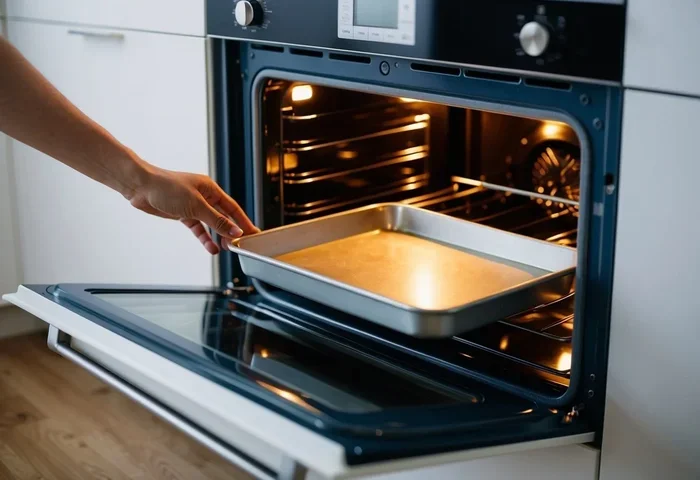
Using Baking Sheets And Cookware
Not all cookware works the same way in an oven. Always use oven-safe cookware that can handle high temperatures. Glass, metal, and ceramic are generally safe. Avoid plastic handles or covers that might melt. A good baking sheet is a kitchen essential. It works for cookies, roasted vegetables, and even sheet pan dinners.
Dark-colored pans absorb more heat and can cause food to brown faster. Light-colored pans reflect heat and cook more gently. Keep this in mind when choosing your bakeware.
Common Cooking Techniques Using Your Oven
Now that you know the basics, let us explore the main cooking techniques. Understanding these methods will help you use your oven with confidence every single time.
Baking
Baking is the most common oven use. It involves cooking food with indirect, surround heat. Cakes, bread, muffins, and pastries all rely on baking. The key to great baking is consistency. Keep your oven door closed as much as possible because opening it lets heat escape and can cause cakes to sink.
For beginners, start with simple recipes like chocolate chip cookies or a basic banana bread. These recipes teach you how the oven handles heat and how baking ingredients react to temperature.
Roasting
Roasting uses higher temperatures to cook food evenly while creating a flavorful browned exterior. It is perfect for meats, vegetables, and even fruits. When roasting vegetables, toss them in oil and spread them in a single layer on a baking sheet. This ensures all sides get crispy and golden.
Roasting times vary depending on the food and temperature. Always check for doneness using a meat thermometer for meats. Vegetables are done when they are tender and slightly caramelized at the edges.
Broiling
Broiling uses direct top heat to cook food quickly. It is similar to grilling but inside your oven. Use the broil setting for melting cheese on top of casseroles, getting a crispy finish on burgers, or charring peppers. Most broil settings run at very high temperatures, usually around 500 to 550 degrees Fahrenheit.
Watch broiled food carefully because it can go from perfectly browned to burnt in seconds. Keep the oven door slightly ajar during broiling to allow steam to escape and prevent overcooking.
Convection Cooking
If your oven has a convection setting, use it for roasting and baking. The fan circulates hot air, which reduces cooking time by about 25 percent. When using convection, lower the temperature by 25 degrees from what the recipe calls for. This prevents food from cooking too fast on the outside while staying raw inside.
Tips For Better Baking And Cooking Results
Even experienced home cooks continue learning how to get better results from their oven. Here are some proven tips that make a real difference.
Invest In An Oven Thermometer
We mentioned this earlier, but it is worth repeating. An oven thermometer is one of the best investments a home cook can make. It removes uncertainty from your cooking. You will know exactly what temperature your oven is at, not what the dial says it is.
Do Not Overcrowd The Oven
Packing too much food into the oven blocks airflow. This leads to uneven cooking and longer baking times. Give each piece of food space to breathe. If you need to cook a large batch, use multiple trays and rotate them halfway through.
Let Your Oven Do The Work
Resist the urge to open the oven door every few minutes to check on your food. Every time you open the door, you lose heat and temperature fluctuations occur. Use the oven light to check progress instead. For cakes and breads, opening the door too early can cause them to collapse.
Calibrate Your Oven Regularly
Over time, oven thermostats can drift out of alignment. This is called oven calibration. If you notice your food consistently burns or undercooks, your oven may need recalibrating. Many ovens have a calibration feature in the settings. You can also contact a technician for professional calibration.
Use Oven Mitts Always
Safety should always come first. Always wear oven mitts when handling hot pans and trays. Oven interiors can reach extreme temperatures, and touching a hot rack or pan without protection leads to burns. Keep a pair of quality oven mitts near your oven at all times.
Oven Cleaning And Maintenance
A clean oven performs better and lasts longer. Regular maintenance also keeps your food tasting great by preventing old food residue from affecting flavors.
Cleaning After Every Use
Wipe up spills as soon as the oven cools down. Use a damp cloth with mild soap for the interior. Avoid harsh chemical cleaners inside the oven cavity. For the oven door and glass, a mixture of baking soda and water works wonders.
Deep Cleaning Your Oven
Deep clean your oven every few months. Remove the oven racks and soak them in warm soapy water. For the interior, you can use a commercial oven cleaner or a natural paste of baking soda and water. Apply the paste, let it sit overnight, and wipe it clean the next day.
If you have a self-cleaning oven, run the self-cleaning cycle according to the manufacturer instructions. This feature uses extreme heat to burn off grease and food residue. Just make sure your kitchen is well ventilated during the process.
Replacing Oven Racks And Gaskets
Over time, oven racks can warp and oven door gaskets can wear out. Worn gaskets let heat escape, which affects cooking performance. Check your gaskets regularly for cracks or gaps. Replace them when needed. New racks and gaskets are usually inexpensive and easy to install.
Safety Tips Every Oven User Should Know
Using an oven safely protects you and your family. Follow these essential food safety and oven safety practices every time you cook.
- Never leave a hot oven unattended when broiling or using high temperatures
- Keep flammable items away from the oven, including towels and paper products
- Turn off the oven when finished cooking to prevent accidental fires
- Let the oven cool completely before cleaning or touching interior surfaces
- Use timers to remind yourself when food is done cooking
- Teach children about oven safety and keep them away from hot surfaces
Following these simple rules keeps your kitchen safe and your cooking experience enjoyable. Safety is not something to take lightly, especially with a hot appliance like an oven.
Conclusion
Learning how to use oven step by step does not have to be overwhelming. You now have all the foundational knowledge you need. From understanding your oven type to preheating correctly, setting the right temperature, and mastering baking, roasting, and broiling, you are well equipped to cook a wide variety of dishes.
Remember to always preheat your oven, use an oven thermometer for accuracy, and position your racks correctly. Keep your oven clean and maintain it regularly for the best performance. Most importantly, practice makes perfect. The more you use your oven, the more comfortable and confident you will become.
Start with simple recipes and gradually try more complex dishes. Soon enough, your oven will feel like an extension of your hands. Happy cooking!
Frequently Asked Questions
How long should I preheat my oven before baking?
Most ovens need 10 to 15 minutes to preheat to standard baking temperatures. For higher temperatures above 400 degrees, give it an extra few minutes. Always wait until the oven reaches the set temperature before placing your food inside.
Can I use a glass baking dish in the oven?
Yes, most glass baking dishes are oven-safe. However, check the manufacturer label to confirm the maximum temperature rating. Avoid placing cold glass dishes directly into a hot oven as this can cause them to shatter.
Why does my oven cook unevenly?
Uneven cooking is often caused by incorrect rack positioning or a dirty oven. Make sure you place food on the middle rack for the most even results. Also, check if your oven needs calibration or cleaning to improve heat distribution.
What is the difference between baking and roasting in an oven?
Baking typically uses lower temperatures around 300 to 375 degrees for items like cakes and bread. Roasting uses higher temperatures, usually above 400 degrees, for meats and vegetables. Both use indirect heat but at different levels for different food types.
How often should I clean my oven?
Wipe down your oven after every use to prevent buildup. Deep clean every two to three months. If you use your oven frequently, consider cleaning it once a month to maintain optimal performance and food flavor.
Do I really need an oven thermometer?
Yes, an oven thermometer is highly recommended. Most built-in oven thermostats are not perfectly accurate. A separate thermometer gives you the true temperature inside your oven, which leads to much better and more consistent cooking results.