How Long Should Salmon Be In The Oven For Perfect Results
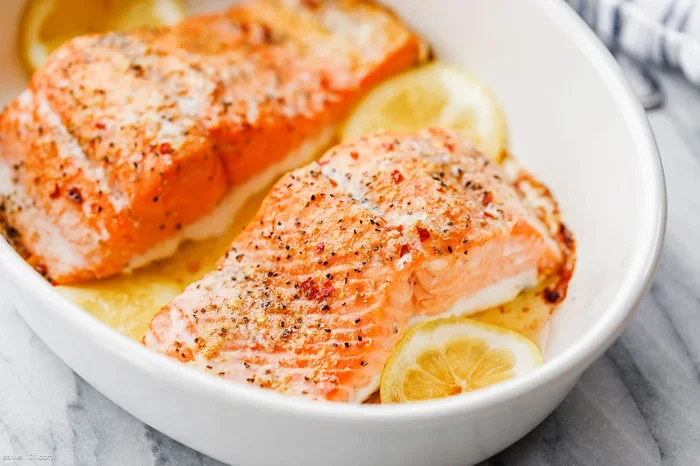
Baking salmon in the oven is one of the easiest and most delicious ways to prepare this healthy fish. The perfect bake time depends on thickness, temperature, and whether the fillet has skin. Most salmon fillets bake at 400°F in about 12 to 15 minutes, reaching a safe internal temperature of 145°F. This guide covers everything from timing and temperature to pro tips that guarantee restaurant-quality oven-baked salmon at home.
There is something magical about a perfectly baked salmon fillet. The outside turns golden and slightly crispy. The inside stays tender, moist, and beautifully pink. Yet so many home cooks struggle with timing. They either pull the fish out too early or leave it in way too long. The result? A dry, bland piece of fish that nobody wants to eat.
If you have ever wondered how long should salmon be in the oven, you are not alone. This is one of the most common questions home cooks ask. The answer is not as simple as a single number. Baking time depends on several factors. Fillet thickness matters. Oven temperature matters. Whether the skin is on or off matters too. In this guide, we break it all down so you can bake perfect salmon every single time.
Key Takeaways
- Standard bake time is 12 to 15 minutes at 400°F for a 1-inch thick fillet.
- Internal temperature of 145°F is the USDA-recommended safe doneness level for salmon.
- Skin-on salmon takes slightly longer and benefits from starting skin-side down.
- Thicker fillets need more time — always measure thickness before baking.
- Resting the salmon for 3 to 5 minutes after baking keeps juices locked in.
- Overcooking is the #1 mistake — use a meat thermometer for precision.
- Seasoning and preheating the oven are simple steps that make a big difference.
📑 Table of Contents
The Ideal Oven Temperature for Salmon
Temperature is the foundation of great baked salmon. Too hot, and the outside burns before the inside cooks. Too low, and the fish dries out slowly. Most chefs and home cooks agree on a sweet spot. 400°F is the best oven temperature for salmon. It cooks the fish evenly. It creates a lovely sear on the outside. And it keeps the inside moist and flaky.
Why 400°F Works So Well
At 400°F, the heat circulates evenly around the fillet. The skin crisps up nicely if you leave it on. The flesh cooks through without drying out. This temperature also works well for skinless salmon fillets. You get a beautiful golden color on top. The fish stays tender all the way through. Some recipes call for 375°F or 425°F. Both work. But 400°F gives you the best balance of speed and results.
Here is a quick look at common oven temperatures and what they do:
- 375°F: Slower bake, great for thicker fillets, gentler cooking.
- 400°F: The sweet spot for most salmon fillets, balanced cooking.
- 425°F: Faster bake, great for thin fillets or crispy skin.
- 450°F: Quick sear, best for very thin pieces, higher risk of drying.
If you are using a convection oven, reduce the temperature by about 25°F. So 375°F in a convection oven works just as well as 400°F in a standard oven. The fan circulates hot air, which cooks food faster and more evenly.
How Long to Bake Salmon by Thickness
This is where most people get confused. There is no single answer because salmon fillets come in different sizes. A thin piece of salmon needs less time than a thick one. The general rule is simple. Bake salmon for about 10 minutes per inch of thickness. This guideline works at 400°F and gives you a reliable starting point.
Thin Fillets (Half an Inch to Three-Quarter Inch)
Thin fillets cook quickly. A piece that is about half an inch thick needs only 6 to 8 minutes. Three-quarter-inch fillets take about 8 to 10 minutes. These thinner cuts are great for weeknight dinners. They are fast and easy. Just watch them closely so they do not overcook.
Standard Fillets (One Inch Thick)
A standard salmon fillet that is 1 inch thick bakes perfectly in about 12 to 15 minutes at 400°F. This is the most common thickness you will find at the grocery store. One-inch salmon fillets are the go-to choice for most recipes. They cook evenly and are forgiving if you are new to baking fish.
Thick Fillets (One and a Half Inches or More)
Thick cuts need more time. A fillet that is 1.5 inches thick may need 18 to 22 minutes. Two-inch thick pieces can take 22 to 25 minutes. The key here is to use a meat thermometer. Do not rely on time alone. Check the internal temperature in the thickest part of the fillet.
| Fillet Thickness | Approximate Bake Time at 400°F | Internal Temp Target |
|---|---|---|
| 0.5 inch | 6 to 8 minutes | 125°F to 130°F |
| 0.75 inch | 8 to 10 minutes | 130°F to 135°F |
| 1 inch | 12 to 15 minutes | 135°F to 140°F |
| 1.5 inches | 18 to 22 minutes | 140°F to 145°F |
| 2 inches | 22 to 25 minutes | 145°F |
Remember that the salmon continues to cook after you pull it out of the oven. This is called carryover cooking. The internal temperature will rise about 5 degrees as it rests. So if you want a final temp of 145°F, pull it out at 140°F. This keeps the salmon moist and prevents overcooking.
Step-by-Step Guide to Baking Salmon
Baking salmon does not need to be complicated. Follow these simple steps and you will get amazing results every time. Whether you are a beginner or a seasoned cook, this guide will help you nail it.
Step 1: Preheat Your Oven
Always preheat your oven before placing the salmon inside. Give it at least 10 to 15 minutes to reach the right temperature. A hot oven is essential for even cooking. It sears the outside quickly, locking in moisture.
Step 2: Prepare the Fillet
Take the salmon out of the refrigerator about 15 minutes before baking. Letting it come to room temperature helps it cook more evenly. Pat the fillet dry with paper towels. This is important for getting crispy skin. If you like, season it now with salt, pepper, olive oil, or your favorite salmon seasonings.
Step 3: Line the Baking Sheet
Use a parchment-lined baking sheet or a light coat of oil on the pan. This prevents the salmon from sticking. Parchment paper is the easiest option. It also makes cleanup a breeze. Place the fillet skin-side down if you are keeping the skin on.
Step 4: Bake and Monitor
Place the baking sheet on the center rack of the oven. Set a timer based on the thickness of your fillet. Use a meat thermometer to check the internal temperature. Insert it into the thickest part of the fillet at an angle. You want the reading to hit your target temperature.
Step 5: Rest the Salmon
Once the salmon is out of the oven, let it rest for 3 to 5 minutes. This allows the juices to redistribute throughout the fillet. Cutting into it right away lets all those flavorful juices run out onto the plate. Resting keeps every bite moist and delicious.
Tips for Perfectly Cooked Salmon Every Time
Even with the right time and temperature, small details can make or break your baked salmon. Here are some tried-and-true tips that will elevate your results.
Use a Meat Thermometer
This is the single best tool for baking salmon. A digital instant-read thermometer takes the guesswork out of cooking. You will know exactly when the fish is done. No more cutting into the fillet and wondering if it is cooked through. Invest in a good thermometer. It will change your cooking forever.
Brine the Salmon
Brining is a secret trick used by many professional cooks. Soak the salmon in a saltwater solution for 10 to 30 minutes before baking. This helps the fish retain moisture during cooking. The result is a juicier, more flavorful fillet. It is especially helpful for thinner cuts that tend to dry out faster.
Add Flavor with Glazes and Toppings
A simple glaze can transform basic baked salmon into something extraordinary. Try a honey mustard glaze, a maple soy glaze, or a lemon butter sauce. Brush it on during the last 5 minutes of baking. This gives the salmon a beautiful caramelized finish. Fresh herbs like dill or parsley also add a bright, fresh flavor.
Do Not Overcrowd the Pan
Give each fillet space on the baking sheet. Overcrowding traps steam and prevents the skin from crisping. If you are baking multiple fillets, use two baking sheets. Space them out so air can circulate freely around each piece.
Choose Quality Salmon
The quality of your salmon matters. Fresh wild-caught salmon has better flavor and texture than frozen farmed options. If you are using frozen salmon, thaw it properly in the refrigerator overnight. Never thaw salmon at room temperature. This can lead to uneven cooking and food safety issues.
Common Mistakes That Ruin Baked Salmon
Even experienced cooks make mistakes when baking salmon. Knowing what to avoid is just as important as knowing what to do. Here are the most common errors and how to fix them.
Skipping the Preheat
Putting salmon into a cold oven leads to uneven cooking. The fish starts cooking slowly and can end up dry on the outside and raw in the middle. Always preheat your oven. Give it time to reach the target temperature before the salmon goes in.
Overcooking the Fish
Overcooked salmon is the most common complaint. The flesh turns chalky white and falls apart. The moisture is gone. To avoid this, pull the salmon out when it is just slightly underdone. The carryover cooking will bring it up to the perfect temperature. A few extra minutes in the oven makes a huge difference.
Not Accounting for Thickness
If you follow a recipe that assumes a 1-inch fillet but your piece is 1.5 inches thick, you will undercook it. Always measure your fillet before baking. Adjust the time accordingly. A kitchen ruler or measuring tape works great for this.
Using the Wrong Pan
Dark baking sheets absorb more heat and can cause the bottom of the salmon to burn. Use a light-colored baking sheet or line it with parchment paper. A rimmed sheet pan works best. It catches any juices and prevents spills in your oven.
Forgetting to Let the Salmon Rest
Cutting into salmon immediately after baking releases all the juices. The fillet loses moisture and becomes dry. Give it those 3 to 5 minutes to rest. The texture improves dramatically. The flavor stays locked inside the fish.
Expert Insights on Baking Salmon
Professional chefs and culinary experts share a few insights that can take your baked salmon to the next level. These tips come from years of experience and testing.
Sear the Skin Side First
Chef recommendations often suggest starting with the skin side down for the first few minutes. This renders the fat and creates a crispy, delicious crust. After a few minutes, you can flip if desired. But many experts say leaving it skin-side down for the entire bake is the way to go.
High Heat for Crispy Skin
If you love crispy salmon skin, try a two-stage approach. Bake at 400°F for most of the time, then increase to 450°F for the last 2 to 3 minutes. This gives you perfectly cooked flesh with a crispy, crackling skin. It is a restaurant technique that works beautifully at home.
Pair Salmon with the Right Sides
Baked salmon pairs well with many sides. Roasted asparagus, garlic mashed potatoes, quinoa, or a fresh green salad all work great. The mild flavor of salmon complements a wide range of flavors. Experiment with different combinations to find your favorite.
How long should salmon be in the oven is a question that has many answers. But with the right temperature, timing, and a few simple techniques, you can bake salmon that rivals any restaurant. The key is understanding your fillet thickness, using a thermometer, and not being afraid to pull the fish out just a little early. Practice these methods a few times and they will become second nature.
Baked salmon is one of the healthiest and most delicious meals you can make. It is packed with omega-3 fatty acids, high-quality protein, and essential vitamins. It is also incredibly versatile. You can keep it simple with just salt and lemon. Or you can get creative with glazes, marinades, and toppings. Whatever your style, a perfectly baked salmon fillet is a meal worth mastering.
Next time you are planning salmon dinner, remember the tips in this guide. Preheat your oven to 400°F. Measure your fillet thickness. Set your timer accordingly. Use a thermometer to check doneness. Let the fish rest before serving. Follow these steps and you will enjoy juicy, flavorful, perfectly baked salmon every time. Your family and dinner guests will be impressed. And you will wonder why you ever overcooked salmon in the first place.
FAQs
Can you bake salmon at 350°F instead of 400°F?
Yes, you can bake salmon at 350°F, but it will take longer. A 1-inch fillet may need 20 to 25 minutes at this lower temperature. The fish cooks more gently, which can be helpful for very thick cuts. Just keep an eye on the internal temperature to avoid drying it out.
How do you know when salmon is done in the oven?
The best way to tell is by using a meat thermometer. Salmon is done when the internal temperature reaches 145°F in the thickest part. The flesh should also be opaque and flake easily with a fork. If you do not have a thermometer, look for these visual and texture cues.
Should you cover salmon with foil while baking?
Most experts recommend baking salmon uncovered. Leaving it uncovered allows the skin to crisp and the top to develop a nice golden color. However, if your salmon is very thin or prone to drying out, you can loosely tent it with foil for the last few minutes of baking.
Can you bake frozen salmon directly in the oven?
Yes, you can bake frozen salmon without thawing it first. Simply increase the baking time by about 50 percent. A frozen 1-inch fillet may need 20 to 25 minutes at 400°F. Make sure the center reaches a safe internal temperature of 145°F before serving.
What is the best way to season baked salmon?
A simple combination of olive oil, salt, pepper, and lemon juice works beautifully. You can also add garlic, fresh dill, or smoked paprika for extra flavor. Brush the seasoning onto the salmon before baking for the best results. A glaze added in the last few minutes adds a sweet and savory finish.
How long does leftover baked salmon last in the fridge?
Leftover baked salmon keeps well in the refrigerator for 3 to 4 days when stored in an airtight container. Reheat it gently in the oven at 275°F for about 10 minutes to keep it from drying out. Avoid microwaving if possible, as it can make the fish rubbery.