How To Know If My Kitchen Oven Is A Convection Oven
Figuring out if your oven is a convection model is easier than you think. Look for a fan icon, check your model number, or read the user manual. This guide will help you identify your oven type in minutes and start convection cooking with confidence.
Have you ever wondered whether your kitchen oven uses real convection technology or just a regular heating setup? It is a question many home cooks ask. The truth is, knowing your oven type changes everything. It affects how your food cooks, how long it takes, and even the texture of your baked goods.
Whether you just moved into a new home or bought a secondhand kitchen appliance, figuring out your oven type does not need to be hard. This guide walks you through every simple method you can use right now. You will learn what to look for, where to check, and how to test your oven like a pro. By the end, you will know exactly what kind of oven you are working with.
Key Takeaways
- Fan and Symbol Check: A fan icon on the control panel or back panel often means you have a convection oven.
- Model Number Lookup: Searching your oven’s model number online quickly reveals if it’s fan-forced or conventional.
- Convection vs Regular: Convection ovens use a fan to circulate hot air, while regular ovens rely on static heating elements.
- Even Cooking: One of the biggest signs of a convection oven is even browning and faster cook times.
- Manual Check: Your user manual will always list the oven type and all available convection settings.
- Pro Tips: Lower the temperature by 25°F when using convection bake for best crispy results.
📑 Table of Contents
- What Is a Convection Oven and Why Does It Matter?
- How To Know If Your Kitchen Oven Is A Convection Oven
- Convection vs Regular Oven: What Is the Difference?
- Signs Your Oven Has Convection Features
- How To Use Your Convection Oven Like a Pro
- Common Mistakes to Avoid With Convection Cooking
- Expert Tips for Getting the Best Results
- Conclusion
What Is a Convection Oven and Why Does It Matter?
Before you dig into the details, let us quickly cover the basics. A convection oven uses a rear fan and an extra heating element to push hot air around the cooking cavity. This moving air wraps around your food evenly. The result? Faster cooking, even browning, and crispy textures that regular ovens sometimes struggle to deliver.
Regular ovens, also called conventional ovens, heat food using static heat from a top or bottom element. The air inside sits still. That can create hot spots. Some areas of your dish get more heat than others. With a fan-forced oven, the fan eliminates those uneven zones.
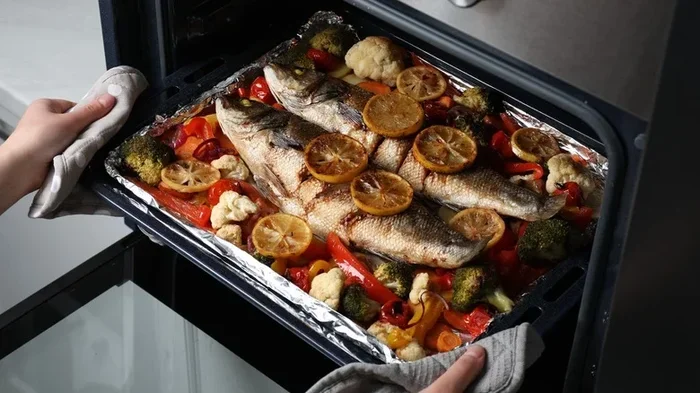
Convection cooking is especially great for roasting vegetables, baking pastries, and cooking multiple trays at once. If you love energy-efficient cooking, a convection model also saves time and power. That is why so many modern kitchen ovens now include this feature.
Why People Love Convection Ovens
- Faster cook times: Food cooks about 25% faster in a convection oven.
- Even results: Every dish comes out uniformly golden.
- Better browning: The circulating air creates a beautiful crispy exterior.
- Multi-rack cooking: You can bake several trays without worrying about uneven heat.
- Energy savings: Shorter cook times mean less electricity or gas used.
Now that you understand the basics, let us get into how you can actually tell if your oven has this feature.
How To Know If Your Kitchen Oven Is A Convection Oven
There are several easy ways to find out. You do not need to be a technician. Most methods take just a few minutes. Here are the most reliable ways to check.
1. Look for a Fan Icon on the Control Panel
Start with the most obvious clue. Stand in front of your oven and look at the control panel or display screen. Many modern ovens show a small fan symbol when the convection mode is active. This icon usually looks like a little fan with spinning blades. If you see it, your oven likely supports convection cooking.
Some ovens have a dedicated button labeled “Convection,” “Fan,” or “Convect.” Pressing it should turn on the fan and the back heating element. If your oven has this button, you are almost certainly dealing with a convection oven.
2. Check the Back Interior Panel
Open your oven door and look at the back wall of the cooking cavity. In a fan-forced oven, you will see a small circular fan housed behind a metal cover. This fan is the heart of the convection system. If you spot it, that is a clear sign your oven uses air circulation technology.
Be careful when looking inside. Make sure the oven is completely cool. Do not touch any internal parts. Just a quick visual check through the door is enough.
3. Find the Model Number and Search Online
Every oven has a model number stamped on a metal plate. You will usually find this plate on the inside of the oven door frame, on the back panel, or behind the storage drawer. Write down the full model number.
Then grab your phone or laptop. Search the model number on the manufacturer’s website or a quick Google search. The product page will list all the features. It will clearly state whether the oven is a convection model or a standard conventional oven. This method is one of the most accurate ways to identify your oven type.
4. Read the User Manual
If you still have the user manual that came with your oven, flip through it. The manual will list the oven type right at the top or in the product description section. Look for terms like “convection,” “fan-assisted,” or “fan-forced.”
Even if you lost the paper manual, most brands offer free digital copies online. Just search the brand name plus “model number manual PDF.” You will find it in seconds.
5. Look at the Oven Door Label or Sticker
Some manufacturers place a sticker or label on the oven door frame. This label lists the model number, serial number, and key features. Check it for any mention of “convection” or “fan.” This is a quick and easy check that takes less than thirty seconds.
6. Ask the Previous Owner or Landlord
If you bought a secondhand oven or are renting, simply ask the previous owner or landlord. They may know the brand and model off the top of their head. Even if they do not, they can point you toward the model number plate.
Convection vs Regular Oven: What Is the Difference?
Understanding the difference between a convection oven and a regular oven helps you cook better. Here is a side-by-side look at how they compare.
How Each Oven Heats Food
A regular oven has heating elements at the top and bottom. The heat rises naturally through the oven cavity. This is called static heat or passive heating. Food closest to the heating element cooks faster. Food on lower racks may cook more slowly.
A convection oven adds a fan and an extra heating element behind the back wall. The fan blows the hot air around the entire cavity. Every piece of food gets the same amount of heat. This is called forced air circulation.
Key Differences at a Glance
Here is a simple comparison to help you understand the difference clearly:
- Heat Distribution: Regular ovens have hot spots. Convection ovens spread heat evenly across all racks.
- Cook Time: Convection baking is typically 25% faster than conventional cooking.
- Temperature: You should lower the temperature by 25°F when using a convection oven.
- Browning: Convection ovens produce more even and attractive browning on baked goods and roasts.
- Best For: Regular ovens work great for simple tasks. Convection ovens shine with roasting, baking, and multi-rack cooking.
- Energy Use: Convection models use less energy because they cook faster.
Signs Your Oven Has Convection Features
Still not sure? Watch for these telltale signs that your kitchen oven supports convection mode.
Your Food Browns Evenly on All Sides
One of the biggest giveaways of a convection oven is perfectly even browning. If your cookies come out the same golden color on top and bottom, or your roast looks uniformly crispy all around, the fan is likely doing its job. In a regular oven, you often see one side darker than the other.
Your Cook Times Are Noticeably Shorter
If your recipes consistently finish faster than the listed time, your oven might be using convection cooking. The moving hot air transfers heat to food more efficiently. This means your oven temperature reaches the target faster and your food cooks through sooner.
You Have Multiple Cooking Modes
Modern ovens often come with several modes. If your oven offers “Convection Bake,” “Convection Roast,” “Air Fry,” or “Fan Grill,” it is definitely a convection oven. These modes all rely on the internal fan to work properly.
You See a Fan Running During Cooking
Listen carefully when your oven is on. If you hear a gentle humming or whirring sound coming from the back of the oven, that is the fan. Regular ovens are silent during cooking. A fan-forced oven always has this soft sound when the fan is active.
How To Use Your Convection Oven Like a Pro
Once you confirm your oven is a convection model, it is time to start using it right. Here are some practical tips that make a huge difference.
Lower the Temperature by 25°F
This is the golden rule of convection cooking. Because the fan pushes hot air directly onto food, it cooks faster and at higher effective temperatures. If a recipe says 375°F for a regular oven, set your convection oven to 350°F instead. The food will cook just right without burning.
Use Low-Rimmed Baking Sheets
The fan needs airflow to work properly. Avoid covering the oven floor with foil or using deep-sided pans that block the air. Use low-rimmed baking sheets and roasting pans. This lets the hot air circulate freely around every dish.
Do Not Overcrowd the Racks
One of the great benefits of a convection oven is multi-rack cooking. But do not overdo it. Leave space between pans so the air can flow around each one. Overcrowding blocks the fan and defeats the purpose of convection.
Use Convection Roast for Meat
If your oven has a “Convection Roast” mode, use it for chicken, beef, pork, and vegetables. The fan creates a dry, hot environment that sears the outside beautifully while keeping the inside juicy. You will get crispy skin on chicken and a perfect crust on roasts every time.
Turn Pans Halfway Through
Even with a fan, it is a good habit to rotate your pans 180 degrees halfway through cooking. This ensures absolutely even cooking and prevents any slight imbalance from the fan’s airflow direction.
Common Mistakes to Avoid With Convection Cooking
Even experienced cooks sometimes make mistakes with their convection oven. Here is what to watch out for.
Using the Same Temperature as a Regular Oven
This is the most common mistake. If you do not lower the temperature, your food can burn on the outside while staying raw inside. Always remember the 25°F rule for convection bake and convection roast modes.
Covering the Oven Floor with Foil
Some people line the bottom of the oven with foil to catch drips. In a fan-forced oven, this blocks the airflow and creates steam. It also prevents the fan from working properly. Use a baking sheet or oven-safe pan instead.
Using the Wrong Pan Type
Dark, heavy pans absorb more heat and can cause over-browning in a convection oven. Light-colored aluminum pans work best. They reflect heat and help your food cook evenly without burning.
Ignoring the Fan Setting
Not every dish benefits from convection. Delicate foods like soufflés, custards, and some cakes can be ruined by the fan’s force. For these items, use the regular bake mode or turn the fan off if your oven allows it.
Expert Tips for Getting the Best Results
Convection cooking becomes second nature once you get the hang of a few simple habits. Here are some expert-backed tips to elevate your results.
Invest in a Oven Thermometer
Not all ovens hold their set temperature perfectly. A small oven thermometer placed inside helps you verify the actual heat. This is especially useful in a convection oven because the fan can sometimes affect temperature readings.
Preheat With the Fan On
In a convection oven, preheating with the fan active ensures the entire cavity reaches the right temperature before you put food inside. This leads to more consistent results from the very first minute of cooking.
Experiment With Different Foods
Try using your convection oven for a wide range of dishes. Roast a whole chicken, bake a batch of cookies, or dehydrate fruits and vegetables. Once you see the difference, you will never want to go back to a regular oven for many tasks.
Clean the Fan and Heating Elements Regularly
Grease and food buildup can clog the fan and reduce its effectiveness. Wipe down the back interior panel and fan cover regularly. This keeps your convection oven running at peak performance for years.
Conclusion
Now you know exactly how to figure out if your oven is a convection oven. Whether you checked the fan icon, looked inside the cavity, searched the model number, or read the manual, you have all the tools you need. A convection oven is a fantastic kitchen appliance that makes cooking faster, easier, and more enjoyable.
Convection cooking delivers even browning, crispy results, and shorter cook times. Once you know your oven type, you can adjust your recipes and techniques to get the best possible outcomes. Start experimenting with your convection bake and convection roast settings today. You will notice the difference right away.
Share this guide with friends and family who are still unsure about their oven type. Knowing your oven is the first step to becoming a better home cook. Happy cooking!
Frequently Asked Questions
How can I tell if my oven is convection or conventional?
Look for a fan icon on the control panel, check the back interior for a fan, or search your oven’s model number online. If you see a fan symbol or a dedicated “Convection” button, your oven is a convection oven. The user manual will also confirm the oven type clearly.
Can I use regular recipes in a convection oven?
Yes, but you should lower the temperature by 25°F and check for doneness a few minutes early. Convection ovens cook faster and more efficiently, so adjustments are needed for the best convection cooking results.
What is the fan symbol on an oven called?
The fan symbol is often called the convection icon or fan-forced symbol. It usually looks like a small fan with spinning blades. When you see this icon on your kitchen oven display, it means the convection mode is active.
Does a convection oven use more energy?
Actually, the opposite is true. Because convection ovens cook faster, they use less total energy. The fan-assisted heating transfers heat more efficiently, which saves both time and electricity or gas over the long run.
What foods work best in a convection oven?
Convection ovens excel at roasting meats, baking pastries, making crispy results with vegetables, and baking multiple trays at once. The even air circulation ensures every dish comes out beautifully browned and cooked through.
Should I ever avoid using convection mode?
Yes, for delicate foods like soufflés, custards, and some cakes. The strong fan can disrupt their structure. For these items, use the regular bake setting or turn off the fan if your oven allows it. Knowing when to use each mode is key to great results.