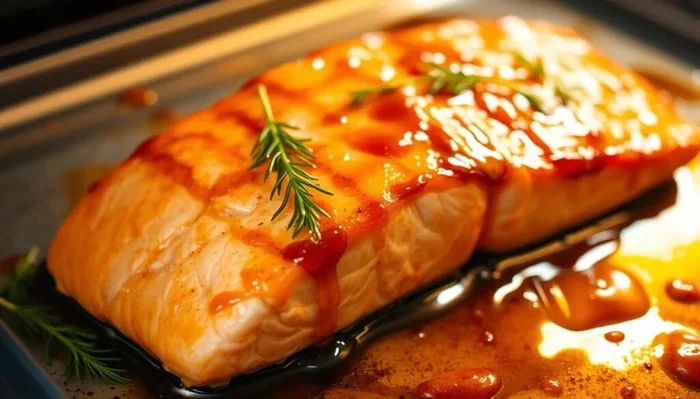
Perfect Temperature To Cook Fish In Convection Oven
Cooking fish in a convection oven is simple when you know the right temperature and timing. Most fish fillets bake beautifully at 400°F to 425°F in a convection setting. This guide covers what temperature to cook fish in convection oven for every type of fish, from delicate tilapia to thick salmon steaks. You will also learn how to get crispy skin, moist flesh, and perfectly flaky results every single time.
There is something magical about oven-baked fish. It is fast, healthy, and incredibly easy when you get the temperature right. Yet so many home cooks struggle with dry, overcooked fillets or fish that falls apart on the plate. The problem usually comes down to one thing: what temperature to cook fish in convection oven. Once you nail that number, everything else falls into place.
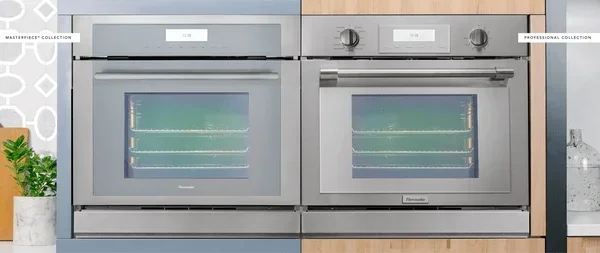
A convection oven uses a fan to blow hot air around the food. This means heat reaches every surface of the fish evenly. No more hot spots. No more flipping halfway through. Just beautifully cooked, golden, and flavorful fish with minimal effort. Whether you prefer delicate white fish or rich salmon, this guide will give you all the answers you need.
Key Takeaways
- 400°F to 425°F is the sweet spot: This range works for most fish fillets and steaks in a convection oven.
- Internal temperature matters most: Fish is done when it reaches 145°F internally, measured with a quick-read thermometer.
- Thicker cuts need lower temperatures and longer times: Delicate fish cooks faster, so adjust based on thickness.
- Convection fans circulate hot air evenly: This means your fish cooks faster and more uniformly than a standard oven.
- Pat fish dry before seasoning: Dry surfaces lead to crispy skin and better browning.
- Avoid overcooking: Fish continues to cook after removal, so pull it off a few degrees early.
- Use a baking sheet or oven-safe dish: Proper cookware helps with airflow and even cooking.
📑 Table of Contents
- Best Temperature To Cook Fish In Convection Oven
- How Long To Cook Fish In A Convection Oven
- Which Fish Types Work Best In A Convection Oven
- Tips For Perfectly Crispy Skin And Moist Flesh
- Common Mistakes To Avoid When Baking Fish In A Convection Oven
- Convection Oven Fish Recipes You Will Love
- Convection vs Conventional Oven For Cooking Fish
- Final Thoughts On What Temperature To Cook Fish In Convection Oven
Best Temperature To Cook Fish In Convection Oven
The most common and reliable temperature for cooking fish in a convection oven is 400°F to 425°F. This range works for the vast majority of fish types, whether you are baking a thin tilapia fillet or a thick salmon steak. At these temperatures, the fish cooks through quickly while developing a light golden crust on the outside.
But what temperature to cook fish in convection oven really depends on a few factors. The thickness of the fillet, the type of fish, and whether the skin is on or off all play a role. Let us break this down so you can confidently set your oven every single time.
Why 400°F to 425°F Works So Well
This temperature range hits the sweet spot between cooking the fish through and keeping it moist. At 400°F, the fish cooks gently and retains more moisture. At 425°F, you get a slightly crispier exterior and faster cook time. Both are excellent choices for most seafood.
The convection fan makes a big difference here. In a regular oven, you might need to bump up the temperature or cook longer to get the same result. With convection, the hot air moves around the fish constantly, so the cooking happens faster and more evenly. This is why many chefs prefer convection for bake fish dishes.
Temperature Guide by Fish Thickness
Thickness is the single biggest factor in determining how long to cook fish and at what temperature. Here is a simple breakdown:
- Thin fillets (less than 1/2 inch): Cook at 425°F for 8 to 10 minutes. These cook very quickly, so watch them closely.
- Medium fillets (1/2 to 1 inch): Cook at 400°F to 425°F for 12 to 15 minutes. This is the most common thickness for store-bought fillets.
- Thick steaks or whole fish (1 inch or more): Cook at 375°F to 400°F for 18 to 25 minutes. Lower heat prevents the outside from burning before the center cooks through.
Always use a meat thermometer to check the internal temperature. The USDA recommends fish reaches an internal temperature of 145°F. But many chefs prefer pulling fish at 140°F because it continues to cook slightly after removal. This keeps the flesh moist and tender.
How Long To Cook Fish In A Convection Oven
Temperature and time go hand in hand. Knowing the right convection oven fish temperature is only half the battle. You also need to know how long to leave the fish in the oven. Overcooking is the number one mistake people make with fish, and it leads to dry, rubbery texture.
As a general rule, fish needs about 10 minutes of cooking time per inch of thickness. But in a convection oven, you can reduce that by about 25%. The fan pushes hot air directly onto the food, so cooking times are shorter than in a conventional oven.
Quick Reference Cooking Times
Here is a handy guide for common fish types cooked in a convection oven at 400°F:
- Tilapia fillets: 8 to 10 minutes
- Cod fillets: 10 to 12 minutes
- Salmon fillets (6 oz): 12 to 15 minutes
- Halibut steaks: 14 to 18 minutes
- Whole branzino (1.5 lbs): 20 to 25 minutes
- Trout fillets: 10 to 12 minutes
- Mahi-mahi fillets: 10 to 12 minutes
These times are approximate. Always check for doneness by looking for the fish to turn opaque and flake easily with a fork. The internal temperature should read 145°F at the thickest part of the fillet.
Does Skin-On Fish Need Different Timing?
Yes, skin-on fish fillets can take a minute or two longer because the skin acts as a thin insulating layer. Place the fillet skin-side down on a lightly oiled baking sheet. The skin will crisp up beautifully in the convection oven while the flesh cooks through evenly. Some people prefer to remove the skin after cooking, but leaving it on during baking adds flavor and helps hold the fillet together.
Which Fish Types Work Best In A Convection Oven
Not all fish respond the same way to convection cooking. Some fish are naturally better suited for this method, and understanding which ones work best will help you plan your meals more effectively.
Delicate White Fish
Fish like tilapia, cod, and sole are thin and cook quickly. They are perfect for the convection oven because the even heat prevents them from drying out. These fish are ideal for fish oven recipes that call for a light seasoning of olive oil, lemon, and herbs. Keep an eye on them because they can go from perfectly done to overcooked in just a couple of minutes.
Rich, Fatty Fish
Salmon, mackerel, and sardines have higher fat content, which makes them more forgiving in the oven. The fat keeps the fish moist even if you cook it a little longer than planned. Salmon convection oven cooking is especially popular because the heat renders the fat beautifully and creates a gorgeous crispy exterior while keeping the center buttery and tender.
Thick and Meaty Fish
Halibut, swordfish, and tuna steaks are denser and need more time. These fish benefit from a slightly lower temperature, around 375°F to 400°F, to allow the center to cook without burning the outside. They also respond well to marinades and glazes, which caramelize nicely in a convection environment.
Whole Fish
Cooking a whole fish in a convection oven is a showstopper. Branzino, snapper, and sea bass are popular choices. The even airflow cooks the fish uniformly from all sides. Stuff the cavity with lemon slices and fresh herbs for added flavor. A whole fish typically takes 20 to 25 minutes at 400°F, depending on size.
Tips For Perfectly Crispy Skin And Moist Flesh
Getting crispy skin and moist, flaky flesh at the same time is the holy grail of oven-baked fish. It sounds difficult, but with a few simple techniques, you can achieve restaurant-quality results at home every time.
Pat the Fish Completely Dry
This is the single most important step. Moisture on the surface of the fish creates steam, which prevents crisping. Use paper towels to pat the fillet dry on both sides before seasoning. The drier the surface, the crispier the skin will get in the convection oven.
Preheat the Oven Properly
Always preheat your convection oven before placing the fish inside. A hot oven immediately starts cooking the surface of the fish, which helps form that desirable crispy crust. Give your oven at least 10 to 15 minutes to reach the target temperature before you put the fish in.
Use the Right Pan
A lightweight aluminum baking sheet works best for convection cooking. The thin metal conducts heat quickly and allows air to flow underneath the fish. Avoid dark, heavy pans because they absorb more heat and can cause the bottom of the fish to overcook. If you are using a glass dish, reduce the temperature by 25°F to compensate.
Do Not Overcrowd the Pan
Convection ovens rely on airflow to cook food evenly. If you place fillets too close together, the hot air cannot circulate properly, and the fish will cook unevenly. Leave at least an inch of space between each fillet. If you are cooking a large batch, use two baking sheets and rotate them halfway through.
Brush with Oil or Butter
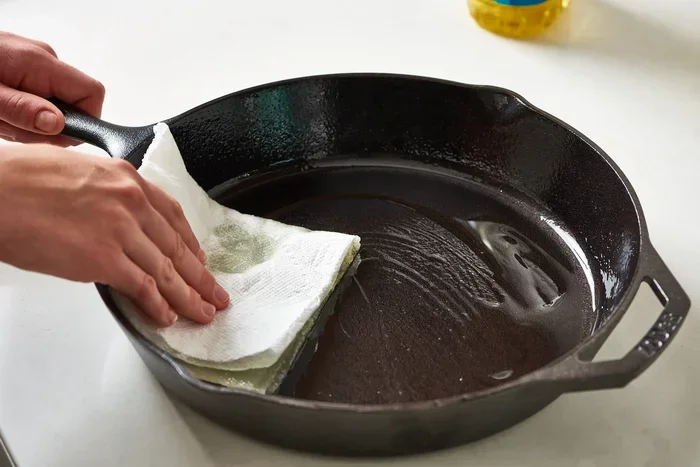
A thin layer of olive oil or melted butter on the surface of the fish helps conduct heat and promotes browning. It also prevents the fish from sticking to the pan. Use just enough to lightly coat the surface — too much oil will make the fish greasy instead of crispy.
Let the Fish Rest After Cooking
Just like meat, fish benefits from a short rest after coming out of the oven. Let it sit for 2 to 3 minutes before serving. This allows the juices to redistribute throughout the fillet, resulting in a more moist and flavorful bite. The internal temperature will also continue to rise slightly during this time.
Common Mistakes To Avoid When Baking Fish In A Convection Oven
Even experienced cooks make mistakes when baking fish. Knowing what goes wrong helps you avoid the same pitfalls and consistently achieve great results.
Cooking at Too High a Temperature
It is tempting to crank up the heat to speed things along, but this is the fastest way to dry out fish. High heat causes the outside to cook much faster than the inside, leaving you with a burnt exterior and a raw center. Stick to the recommended temperature range and let the convection fan do the work.
Not Using a Thermometer
Guessing whether fish is done is a recipe for disappointment. Without a thermometer, it is very easy to overcook fish by a few degrees. A quick-read digital thermometer takes the guesswork out of cooking. Insert it into the thickest part of the fillet at an angle for the most accurate reading.
Skipping the Seasoning Step
Some people throw fish in the oven with nothing on it. While plain baked fish is perfectly fine, a little seasoning makes a world of difference. A drizzle of olive oil, a sprinkle of salt and pepper, and some fresh herbs transform a plain fillet into something truly delicious. Garlic, paprika, and lemon zest are all fantastic additions.
Opening the Oven Door Too Often
Every time you open the oven door, you release heat and disrupt the airflow. In a convection oven, this is especially problematic because the fan is designed to maintain a consistent temperature. Resist the urge to check on the fish every few minutes. Trust the process and check only once or twice near the end of the cooking time.
Ignoring the Type of Fish
Not all fish are created equal. A thin tilapia fillet and a thick salmon steak have very different cooking needs. Treating them the same way will lead to inconsistent results. Adjust your temperature and timing based on the type and thickness of the fish you are cooking.
Convection Oven Fish Recipes You Will Love
Now that you know the right convection oven fish temperature and timing, it is time to put that knowledge to use. Here are three simple and delicious recipes to try tonight.
Lemon Herb Salmon
Preheat your convection oven to 400°F. Place a 6-ounce salmon fillet skin-side down on a lined baking sheet. Drizzle with olive oil and season with salt, pepper, minced garlic, and fresh dill. Squeeze half a lemon over the top. Bake for 12 to 15 minutes until the internal temperature reaches 140°F. Let it rest for 3 minutes and serve with roasted vegetables.
Crispy Parmesan Cod
Set your convection oven to 425°F. Pat two cod fillets dry and place them on a greased baking sheet. Mix grated parmesan cheese with breadcrumbs, a pinch of paprika, and chopped parsley. Sprinkle the mixture evenly over the top of each fillet. Drizzle lightly with olive oil. Bake for 10 to 12 minutes until the coating is golden and the fish flakes easily. Serve with a lemon wedge.
Mediterranean Whole Branzino
Heat your convection oven to 400°F. Season a 1.5-pound branzino inside and out with salt, pepper, and lemon slices. Stuff the cavity with fresh rosemary and thyme. Place the fish on a baking sheet lined with sliced onions. Drizzle with olive oil and bake for 22 to 25 minutes. The skin should be crispy and the eyes should be clear. Serve with crusty bread to soak up the juices.
Convection vs Conventional Oven For Cooking Fish
Understanding the difference between convection and conventional ovens helps you make better decisions every time you bake fish. In a conventional oven, heat comes from static heating elements at the top and bottom. The hot air sits still, which can create uneven cooking.
In a convection oven, a fan circulates the hot air around the food. This means every part of the fish gets the same amount of heat exposure. The result is faster cooking times, more even browning, and crispier textures. For fish, convection is almost always the better choice because it prevents the common problem of overcooked edges and undercooked centers.
If you are using a recipe written for a conventional oven, reduce the temperature by 25°F when using a convection setting. The moving hot air cooks food more efficiently, so you need slightly lower temperatures to achieve the same results. Alternatively, you can keep the temperature the same and reduce the cooking time by about 25%.
Final Thoughts On What Temperature To Cook Fish In Convection Oven
Getting the right convection oven fish temperature is easier than most people think. The magic number is between 400°F and 425°F for most fish fillets and steaks. Thicker cuts and whole fish do well at slightly lower temperatures around 375°F to 400°F. Always use a thermometer to check for doneness, and remember that fish continues to cook after you take it out of the oven.
With the tips and techniques in this guide, you have everything you need to cook fish that is moist, flavorful, and perfectly done every single time. The convection oven is one of the best tools you can have in your kitchen for seafood. It delivers consistent results with minimal effort. So preheat that oven, grab your favorite fish, and get cooking. Your next meal is going to be absolutely delicious.
Frequently Asked Questions
Can I cook frozen fish in a convection oven?
Yes, you can cook frozen fish in a convection oven, but you will need to increase the cooking time by about 50%. Preheat the oven to 400°F and place the frozen fillet on a lined baking sheet. Bake for 18 to 22 minutes depending on thickness. It is best to thaw fish first for more even cooking, but frozen fish works in a pinch.
What is the best internal temperature for salmon in a convection oven?
The best internal temperature for salmon is 140°F to 145°F. Many chefs prefer pulling salmon at 140°F because it stays moist and buttery. The center will still be slightly translucent, which is perfectly safe and delicious. Let the salmon rest for a few minutes after removing it from the oven, and the temperature will rise to 145°F.
Do I need to flip fish when baking it in a convection oven?
No, you do not need to flip fish in a convection oven. The fan circulates hot air around the fish, cooking it evenly on all sides. This is one of the biggest advantages of using a convection oven for seafood. Simply place the fillet skin-side down and let the oven do the work.
How do I know when fish is done without a thermometer?
Fish is done when it turns opaque and flakes easily with a fork. Gently press the thickest part of the fillet with your finger. If it feels firm and separates into flakes, it is ready. The flesh should be white or light pink, not translucent. When in doubt, use a thermometer to be safe.
Can I use parchment paper when baking fish in a convection oven?
Yes, parchment paper works great in a convection oven for baking fish. It prevents sticking and makes cleanup easier. However, do not let the parchment paper extend beyond the edges of the baking sheet because the fan can blow it around and cause uneven cooking or mess in the oven.
Is convection or regular oven better for cooking fish?
A convection oven is generally better for cooking fish because the fan circulates hot air evenly. This results in faster cooking times, crispier skin, and more uniform doneness. Fish cooked in a conventional oven may need more attention and flipping to cook evenly. Convection is the preferred method for most home cooks and professional chefs alike.
=== CONCLUSION ===
Learning what temperature to cook fish in convection oven is one of the simplest skills you can add to your cooking toolkit. With the right temperature, timing, and a few basic techniques, you can prepare restaurant-quality seafood at home without any stress. Stick to the 400°F to 425°F range for most fillets, use a thermometer to check doneness, and always pat your fish dry before seasoning. The convection oven does the heavy lifting for you, delivering evenly cooked, crispy, and delicious fish every time. Try these tips on your next fish dinner and taste the difference for yourself.