How To Bake Eggs In The Oven For A Delicious Breakfast
Baking eggs in the oven is the easiest way to make a healthy breakfast without standing over a hot stove. This guide covers everything you need to know about how to bake eggs in the oven, from basic techniques to delicious recipes that the whole family will love. You’ll learn simple tips that guarantee perfectly cooked eggs every single time.
Key Takeaways
- Oven-baked eggs save time and effort: You can cook a full breakfast while doing other morning tasks without worrying about stirring or flipping.
- Basic technique is simple: Just whisk, pour into a pan, add your favorite mix-ins, and bake at the right temperature.
- Meal prep becomes effortless: Egg muffin cups and egg cassades can be made ahead and reheated throughout the week.
- Temperature control is key: Baking at 350°F gives the best results for creamy, evenly cooked eggs.
- Many recipe variations exist: From classic scrambled eggs to veggie bakes and shirred eggs, there is something for everyone.
- Avoid common mistakes: Overbaking, wrong pan choice, and skipping the preheat are the top pitfalls to watch out for.
📑 Table of Contents
Why Baking Eggs In The Oven Is A Game Changer
Making eggs for breakfast does not have to be a chore. When you bake eggs in the oven, you free up your stovetop and your attention. You can toast bread, slice fruit, or pack lunches while the oven does all the work. It is one of the simplest kitchen upgrades you can make.
The beauty of oven-baked eggs lies in their consistency. Unlike stovetop scrambled eggs that can go from perfect to rubbery in seconds, eggs in the oven cook evenly and predictably. There is no need to stand there stirring constantly. You set the timer, walk away, and come back to a perfectly cooked breakfast.
The Hands-Off Advantage
When you bake eggs in the oven, you practice true hands-off cooking. This is a huge win for busy mornings. Parents, students, and anyone juggling a tight schedule will appreciate this approach. You can prep multiple servings at once and feed a crowd without breaking a sweat.
Oven breakfast meals also reheat beautifully. Leftover eggs taste almost as good as fresh ones. This makes meal prep eggs a smart strategy for anyone who wants grab-and-go mornings during the week.
Why It Beats Stovetop Eggs
Stovetop eggs require constant attention. You must monitor the heat, stir frequently, and watch for that perfect moment to pull them off the burner. With oven-baked eggs, you set the temperature and let time do the work. The result is often more uniform in texture and easier to scale up.
Also, cleaning up is simpler. Most oven egg recipes use just one baking dish or muffin tin. There are no greasy pans or sticky spatulas to scrub. Less mess means more time enjoying your breakfast.
What You’ll Need To Get Started
Before you start, gather a few basic items. The good news is you do not need fancy equipment. A few simple tools and fresh ingredients are all it takes to make great bake eggs in the oven meals every morning.
Ingredients For Basic Oven Eggs
Here is what you need for a simple batch of oven-baked eggs:
- Eggs: Fresh large eggs work best. Use as many as you need for servings.
- Milk or cream: A splash adds creaminess and softness to the final texture.
- Salt and pepper: Basic seasoning goes a long way in bringing out flavor.
- Butter or cooking spray: This prevents sticking and adds richness.
- Cheese (optional): Shredded cheddar, mozzarella, or feta all work wonderfully in egg bake with cheese recipes.
Once you master the basic method, you can get creative. Add vegetables, herbs, meats, or spices to customize your egg bake recipe any way you like.
Tools And Equipment
You do not need much gear to start baking eggs in the oven. Here is a short list of essentials:
- Oven-safe baking dish or skillet: A glass or ceramic dish works great for frittatas and casseroles.
- Muffin tin: Perfect for making individual baked egg cups and egg muffin recipe batches.
- Ramekins or small oven-safe bowls: Ideal for shirred eggs baked with cream and herbs.
- Whisk or fork: For beating the eggs smooth and even.
- Non-stick spray or butter: To grease your pans before adding the egg mixture.
Having these items on hand makes the whole process smooth and enjoyable. You can start with just a muffin tin and a baking dish. Everything else is optional but helpful.
How To Bake Eggs In The Oven: A Simple Step By Step Guide
The process of baking eggs in the oven is straightforward and forgiving. Once you understand the basic method, you can experiment with countless variations. Here is the simplest way to get started.
Step 1: Preheat And Prep
Start by preheating your oven to 350°F. This is the ideal egg baking temperature for most recipes. While the oven heats up, prepare your pan. Grease a baking dish, muffin tin, or ramekin with butter or cooking spray.
Preheating is a step many people skip, but it matters. A hot oven ensures the eggs start cooking immediately. This leads to better texture and more even results. Do not rush this step if you want perfect baked eggs.
Step 2: Whisk The Eggs
Crack your eggs into a bowl. Add a splash of milk or cream, about one tablespoon per egg. Season with salt and pepper. Beat the mixture until the yolks and whites are fully combined.
For scrambled eggs in oven style, whisk thoroughly for a fluffy result. For a more custard-like texture in shirred eggs, whisk gently and leave it slightly uneven. The method you choose depends on the style you prefer.
Step 3: Add Your Favorite Mix Ins
This is where creativity comes in. Pour the egg mixture into your prepared pan. Then add your chosen ingredients:
- Vegetables: Diced bell peppers, spinach, tomatoes, mushrooms, or onions all work well.
- Meats: Cooked bacon, ham, or sausage add protein and flavor.
- Cheese: Sprinkle shredded cheese on top or mix it into the eggs.
- Herbs: Fresh chives, parsley, dill, or basil brighten up any baked eggs with vegetables dish.
Do not overfill your pan. Leave a little room for the eggs to expand as they bake. A good rule of thumb is to fill each cavity or dish about three-quarters full.
Step 4: Bake And Check
Place the pan in the preheated oven. For a standard egg baking time, bake for 12 to 20 minutes depending on the dish size and desired doneness. Check the eggs at the 12-minute mark. They are done when the edges are set but the center still has a slight jiggle.
The eggs will continue to cook after you remove them from the oven due to residual heat. This carryover cooking means you should pull them out just before they look fully done. Let them rest for a minute or two before serving.
Top Oven Egg Recipes To Try
Once you understand the basic method, you can explore different oven egg recipes. Each style offers a unique texture and flavor profile. Here are some of the most popular ways to bake eggs in the oven.
Classic Baked Scrambled Eggs
This is the simplest form of oven-baked eggs and a great place to start. Whisk eggs with a splash of milk, pour into a greased baking dish, and bake at 350°F for about 12 to 15 minutes. Stir gently halfway through for a softer curd texture.
Many people are surprised by how creamy and tender oven-scrambled eggs turn out. The gentle, even heat prevents the rubbery texture that overcooked stovetop eggs sometimes have. Add a pinch of garlic powder or a dash of hot sauce for extra flavor.
Egg Muffin Cups For Meal Prep
Egg muffin cups are a game changer for make ahead breakfast lovers. Simply whisk eggs, add your favorite fillings, and pour the mixture into a greased muffin tin. Bake at 350°F for 15 to 18 minutes until the centers are set.
These baked egg cups store beautifully in the fridge for up to five days. Reheat them in the microwave for 30 to 60 seconds in the morning. They are perfect for busy weekdays when you need something fast and nutritious.
You can freeze them too. Wrap individual cups in plastic wrap and store them in freezer bags. They keep for up to two months and thaw in minutes.
Veggie Egg Bake With Cheese
This breakfast casserole style dish is hearty and satisfying. Sauté your favorite vegetables in a skillet first, then transfer them to a greased baking dish. Pour whisked eggs over the top, add cheese, and bake until golden and puffed.
A veggie egg bake with cheese makes an excellent egg casserole for weekend brunch or family breakfast. Try combinations like spinach and feta, bell pepper and cheddar, or mushroom and Swiss. Each variation brings its own unique flavor profile.
Shirred Eggs In Ramekins
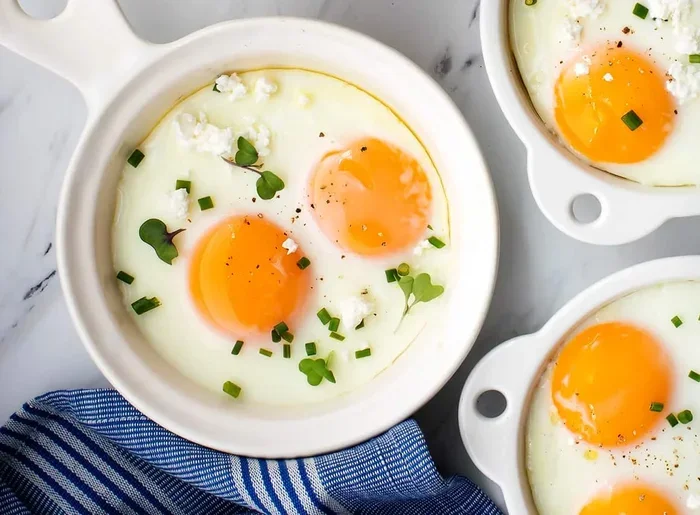
Shirred eggs are a classic French technique that works beautifully in the oven. Crack eggs into buttered ramekins, add a splash of cream, and bake at 375°F for about 10 to 12 minutes. The whites set while the yolks stay wonderfully runny.
Serve shirred eggs on toasted bread for an elegant oven breakfast that feels restaurant-quality. This method is perfect for a special weekend treat or when you want to impress guests with minimal effort.
Tips For Perfect Baked Eggs Every Time
Even though baking eggs in the oven is simple, a few pro tips can elevate your results from good to great. These small adjustments make a noticeable difference in texture, flavor, and presentation.
Getting The Temperature Right
350°F is the sweet spot for most oven egg recipes. This moderate temperature cooks the eggs gently and evenly. Higher temperatures can cause the edges to overcook while the center remains underdone.
If you are making a large casserole or frittata, you may need to lower the temperature slightly to 325°F. This allows the center to cook through without burning the edges. Always use an oven thermometer to verify your oven’s actual temperature, as many ovens run hot or cold.
Avoiding Overbaking
The most common mistake with bake eggs in the oven is overbaking. Eggs continue to cook after removal due to residual heat. Pull them out when they still look slightly underdone in the center. They will set to perfection as they rest.
Set a timer and check early. It is always better to underbake slightly and return the dish for a few more minutes than to overbake and end up with rubbery, dry eggs. Trust the process and learn the timing for your specific oven.
Adding Flavor And Seasoning
Plain eggs can be delicious, but a little seasoning goes a long way. Before baking, try adding:
- A pinch of smoked paprika for warmth and color.
- Fresh herbs like chives, dill, or basil for brightness.
- A dash of hot sauce or cayenne for a gentle kick.
- A splash of cream cheese for extra richness.
- Umami boosters like a sprinkle of nutritional yeast or a dash of soy sauce.
Seasoning the eggs before baking allows the flavors to meld together during cooking. This creates a more complex and satisfying taste compared to seasoning after baking.
Make Ahead And Storage Tips
Meal prep eggs are one of the biggest advantages of oven-baked eggs. Here is how to store them properly:
- Refrigerate: Store cooked eggs in an airtight container for up to 5 days.
- Reheat gently: Use the microwave for 30 to 60 seconds or the oven at 300°F for 5 to 10 minutes.
- Freeze: Wrap individual portions tightly and freeze for up to 2 months. Thaw overnight in the fridge.
- Avoid reheating multiple times: Reheat only what you plan to eat immediately for the best texture.
Proper storage keeps your make ahead breakfast tasting fresh and prevents food waste. Label your containers with the date so you always know what is on hand.
Common Mistakes People Make When Baking Eggs
Even simple recipes have pitfalls. Knowing what to avoid helps you achieve better results every time. Here are the most common mistakes when you bake eggs in the oven and how to fix them.
Using The Wrong Pan
Not every pan is suitable for oven use. Avoid pans with plastic handles, non-stick coatings not rated for high heat, or thin disposable trays. Always choose oven-safe bakeware made of glass, ceramic, or heavy-duty metal.
The pan material also affects cooking. Dark pans absorb more heat and can cause eggs to brown faster. Light-colored or glass pans provide more even, gentle cooking. Choose based on the texture you prefer in your oven-baked eggs.
Baking Too Long
Overbaking is the number one enemy of great oven eggs. When eggs bake too long, they become dry, rubbery, and lose their appealing texture. Set a timer, check early, and remember that carryover cooking continues after removal.
If you find your eggs consistently overbake, try reducing the time by 2 to 3 minutes and checking more frequently. Every oven is different, and it may take a few attempts to find the perfect timing for your specific setup.
Skipping The Preheat
Some people put eggs into a cold oven and hope for the best. This leads to uneven cooking and longer bake times. Always preheat your oven before adding the eggs. A properly preheated oven ensures consistent egg baking temperature from the moment the dish goes in.
Give your oven at least 10 to 15 minutes to reach the target temperature. If you have an oven with a quick preheat feature, use it. Starting with the right temperature makes all the difference in the final result.
Conclusion
Baking eggs in the oven is one of the easiest and most rewarding breakfast techniques you can learn. It saves time, reduces mess, and produces consistently great results. Whether you prefer classic scrambled eggs, individual muffin cups, or a hearty veggie casserole, the oven delivers every time.
The beauty of this method is its simplicity and versatility. Once you master the basic technique, you can customize your oven breakfast in endless ways. Try different vegetables, cheeses, herbs, and meats to discover your perfect combination. Meal prep becomes effortless when you can bake a week’s worth of eggs in one session.
Start with the simple method outlined in this guide. Experiment with the recipes and tips provided. Soon, baking eggs in the oven will become your go-to breakfast routine. You will wonder how you ever managed mornings without it.
Grab your whisk, preheat the oven, and give it a try this weekend. Your taste buds and your busy morning schedule will thank you. Happy baking!
Frequently Asked Questions
Can I bake eggs in the oven without milk?
Yes, you absolutely can. Milk adds creaminess but is not required. Simply whisk your eggs with a pinch of salt and pour them into a greased pan. The eggs will still cook beautifully and taste great. You can add a small splash of water instead if you want a slightly lighter texture.
What temperature is best for baking eggs in the oven?
350°F is the ideal egg baking temperature for most recipes. This moderate heat cooks the eggs evenly without drying them out. For larger casseroles or frittatas, you may want to reduce the temperature to 325°F to ensure the center cooks through without overcooking the edges.
How long do baked eggs last in the fridge?
Cooked oven-baked eggs stay fresh in an airtight container in the refrigerator for up to 5 days. Make sure they have cooled completely before storing them. Reheat individual portions in the microwave for 30 to 60 seconds for a quick and easy breakfast.
Can I freeze baked egg cups for later?
Yes, baked egg cups and egg muffin recipe batches freeze very well. Wrap each cup tightly in plastic wrap and place them in a freezer bag. They keep for up to 2 months. Thaw them overnight in the refrigerator and reheat in the microwave for best results.
What is the difference between shirred eggs and baked scrambled eggs?
Shirred eggs are whole eggs baked in a ramekin with cream, keeping the yolk runny and the white set. Baked scrambled eggs are whisked eggs baked in a dish and stirred partway through for a curdled texture. Both are delicious oven breakfast options but offer very different eating experiences.
Do I need to grease the pan before baking eggs?
Yes, greasing your pan is an important step. Use butter, cooking spray, or a light coat of oil to prevent the eggs from sticking. This makes removal much easier and helps the eggs cook evenly. A well-greased pan also adds a subtle richness to the final dish.