How To Steam Bake In Oven For Perfectly Juicy Results
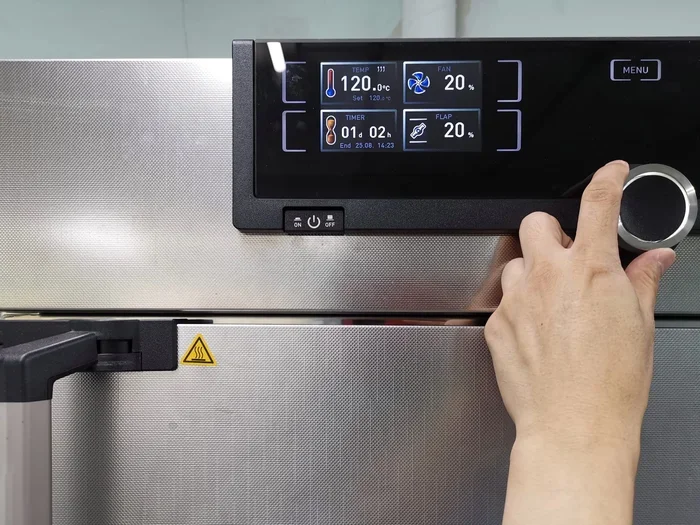
Steaming in your oven is a game-changer for cooking that keeps food juicy, tender, and full of flavor. You will learn how to steam bake in oven using simple tools, the right temperature settings, and easy techniques. This guide covers everything from basic setup to advanced tips for perfect results every single time. Whether you bake bread, cook vegetables, or prepare proteins, steam baking transforms your everyday meals.
Steaming food in the oven might sound like something only professional chefs do. But here is the truth. You can do it right at home with your regular oven. Steam bake in oven techniques have been used for centuries in professional kitchens. Now, home cooks everywhere are discovering how easy and rewarding this method really is.
The big question most people ask is. Why steam bake? The answer is simple. Steaming locks in moisture and keeps your food from drying out. It creates a tender texture that dry heat alone simply cannot match. Whether you are baking bread, cooking fish, or roasting vegetables, steam changes everything for the better.
In this guide, you will find everything you need to know. We will walk through the basics step by step. You will learn about equipment, temperatures, timing, and pro tips. By the end, you will feel confident enough to try steam baking in your own kitchen tonight.
Key Takeaways
- Steam baking adds moisture: It keeps baked goods, meats, and vegetables tender and juicy.
- You need minimal equipment: A baking dish, aluminum foil, and water are all you need to start.
- Temperature control matters: Lower temperatures with steam prevent drying out your food.
- Bread benefits hugely: Steam creates a crispy crust and a soft, airy crumb.
- It works for many foods: From cakes to fish to veggies, steam baking fits many recipes.
- Avoid common mistakes: Too much water or wrong temperature can ruin your dish.
- It is easy to learn: With a few simple steps, anyone can master steam baking at home.
📑 Table of Contents
- What Is Steam Baking And Why Does It Work?
- What You Need To Steam Bake In Oven
- How To Set Up Your Oven For Steam Baking
- Best Foods To Steam Bake In Oven
- Temperatures And Timing For Perfect Steam Baking
- Common Mistakes To Avoid When Steam Baking
- Benefits Of Steam Baking You Will Love
- Final Thoughts On Steam Baking In Your Oven
What Is Steam Baking And Why Does It Work?
Steam baking combines dry oven heat with controlled moisture. The steam surrounds your food and creates a humid cooking environment. This might sound simple, but the science behind it is powerful. When steam hits your food, it keeps the surface cool at first. This allows the inside to cook through before the outside browns too much.
Here is why this matters so much. Without steam, bread crust sets too early. The inside gets trapped and does not rise properly. With steam, the crust stays soft longer. The loaf expands fully and develops that perfect airy crumb. The same principle works for cakes, custards, and delicate proteins.
Moist heat cooking also helps retain nutrients. Many vitamins break down under high dry heat. Steam cooking preserves more of the good stuff in your food. It is simply a healthier and more flavorful way to cook.
The Science Behind Steam Baking
When water turns to steam, it holds a lot of energy. That energy transfers gently to your food. Unlike a broiler or direct heat, steam warms evenly. There are no hot spots that burn the edges of your dish. The result is food that cooks consistently from edge to center.
Steam also plays a big role in the Maillard reaction. This is the chemical process that creates browning and flavor. With steam, you get the best of both worlds. A golden, flavorful crust on the outside and a moist interior on the inside.
What You Need To Steam Bake In Oven
One of the best things about steam baking is how little equipment you need. You do not need a fancy steam oven to get started. Your standard home oven works perfectly fine. Here is what you will need.
- A deep baking dish or roasting pan: This holds your water and sits below the rack with your food.
- A wire rack or oven-safe tray: This elevates your food above the water level.
- Aluminum foil or a lid: This traps steam around your food and keeps the moisture in.
- Hot water or broth: This creates the steam. You can use plain water or add flavor with stock.
- An oven thermometer: This helps you track the real temperature inside your oven.
Some people invest in a steam oven for their kitchen. These are fantastic appliances that inject steam directly into the cooking chamber. But they are expensive. For most home cooks, the simple method described above works just as well. You will be amazed at the results you can get with just a baking dish and some foil.
Choosing the Right Baking Dish
Your dish should be deep enough to hold at least one inch of water. A glass or ceramic dish works great because it heats evenly. Avoid thin metal pans that warp under high heat. The size of your dish depends on what you are cooking. A large roasting pan is ideal for whole chickens or big loaves of bread. A smaller dish works fine for individual cakes or side dishes.
How To Set Up Your Oven For Steam Baking
Setting up your oven for steam bake in oven cooking is easy. Follow these simple steps and you will be ready to go in no time.
- Preheat your oven: Set it to the temperature your recipe calls for. Most steam baking recipes use temperatures between 325°F and 425°F.
- Prepare your water pan: Fill a deep baking dish with hot water. About one to two inches deep works well.
- Place the dish on the lower rack: This keeps the steam rising up toward your food. Never put the water pan on the same rack as your food.
- Place your food on the upper rack: Use a wire rack or oven-safe tray to elevate the dish above the water.
- Cover with foil or a lid: This traps the steam and creates that moist cooking environment.
- Bake as directed: Check your food regularly. The steam will do most of the work for you.
That is really all there is to it. The simplicity of this setup is what makes steam baking so appealing. You do not need special skills or expensive gear. Just a few household items and you are good to go.
Quick Tips For Setup
- Always use hot water: Cold water slows down the preheating process and delays steam production.
- Do not let the water boil dry: Check the water level halfway through cooking and add more hot water if needed.
- Use parchment paper under foil: This prevents the foil from sticking to delicate foods like cakes.
- Vent the foil slightly: A small slit in the foil lets excess steam escape and prevents condensation from dripping onto your food.
Best Foods To Steam Bake In Oven
Steam baking works with a wide variety of foods. Once you understand the basics, you can experiment with almost anything. Here are some of the best options to try.
| Food | Best Temp Range | Why It Works |
|---|---|---|
| Bread | 375°F – 425°F | Steam creates a crispy crust and soft crumb |
| Cakes and cupcakes | 325°F – 350°F | Moisture keeps the cake tender and prevents cracking |
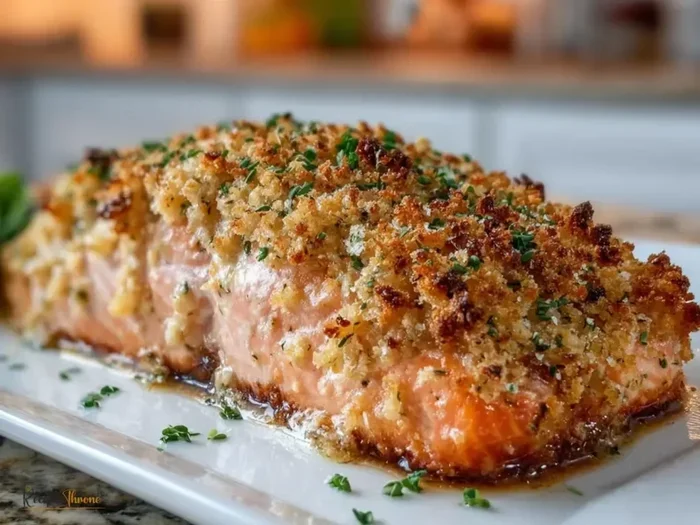
| Fish and seafood | 350°F – 375°F | Steam gently cooks delicate proteins without drying them out |
| Chicken and poultry | 375°F – 400°F | Keeps the meat juicy while the skin crisps up |
| Vegetables | 350°F – 400°F | Steam caramelizes natural sugars while keeping nutrients |
| Custards and puddings | 325°F – 350°F | Gentle, even heat prevents curdling and creates a silky texture |
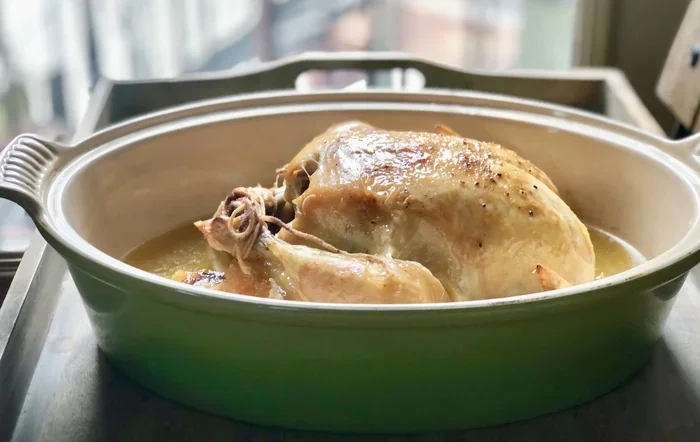
As you can see, steam bake in oven methods are incredibly versatile. Bread is probably the most popular use case. A good loaf of homemade bread with a crackling crust and soft inside is one of life’s great pleasures. But do not stop at bread. Try steaming a whole chicken next. The results will surprise you.
Steaming Vegetables In The Oven
Oven-steamed vegetables are a fantastic side dish. Toss your veggies with a little olive oil and seasoning. Place them in a covered dish with a splash of water. The steam cooks them quickly and evenly. They come out bright, tender, and full of natural flavor. This method works especially well for broccoli, carrots, green beans, and asparagus.
Temperatures And Timing For Perfect Steam Baking
Getting the temperature right is crucial for steam baking success. Most recipes call for slightly lower temperatures than you would use for dry roasting. This is because the steam adds heat energy without scorching the surface of your food.
Here is a general guide to follow:
- 325°F – 350°F: Best for delicate items like cakes, custards, and fish.
- 350°F – 375°F: Great for vegetables, chicken, and enriched breads.
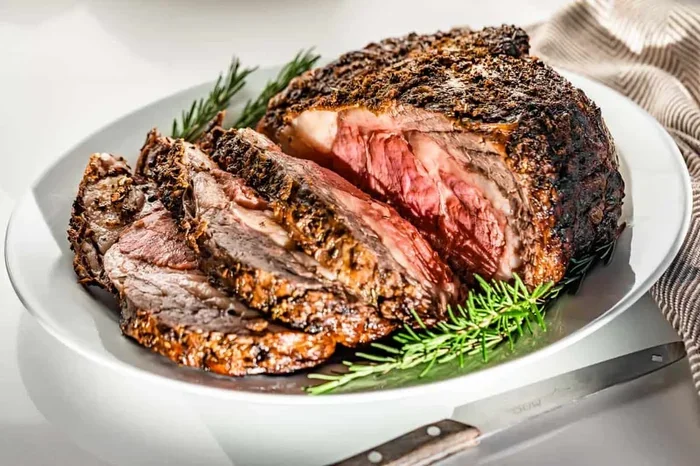
- 375°F – 425°F: Ideal for crusty breads and hearty roasts.
Timing depends on what you are cooking and how large the piece is. A whole chicken might take 90 minutes with steam. A loaf of bread could take 35 to 45 minutes. Always use a meat thermometer for proteins. For bread, tap the bottom of the loaf. If it sounds hollow, it is done.
How Long Should You Steam Bake?
There is no single answer to this question. It depends on the food, the size, and your oven. As a general rule, steam baking takes about 10 to 15 minutes less than dry baking. The moisture helps cook the food faster and more evenly. Start checking your dish a few minutes before the recipe suggests. You can always cook it longer, but you cannot undo overcooking.
One thing to keep in mind. Every oven is different. Some run hot. Some run cold. An oven thermometer takes the guesswork out of the equation. It is a small investment that pays off big time. You will never wonder if your oven is accurate again.
Common Mistakes To Avoid When Steam Baking
Even though steam baking is straightforward, a few common mistakes can trip you up. Learning what to avoid will save you time and frustration.
Using too much water: This is the number one mistake beginners make. If your water pan is too deep, it can splash into your food or create too much steam. One to two inches is the sweet spot. More than that and you risk boiling over.
Opening the oven door too often: Every time you open the door, you release the steam. This drops the temperature and disrupts the cooking process. Resist the urge to peek. Trust the process and check your food only when the timer goes off.
Skipping the cover: If you do not trap the steam, you lose the whole benefit of this cooking method. Always use foil, a lid, or a Dutch oven to keep the moisture in.
Using cold water: Starting with hot water gets steam production going faster. Cold water delays the process and can lead to uneven cooking in the early minutes.
Placing food in the water pan: Your food should always sit above the water level. If it touches the water, you are boiling, not steaming. Use a rack to keep everything separated.
Expert Insight: The Power Of Steam In Bread Baking
Professional bakers have known the secret of steam baking for centuries. When bread goes into a hot oven with steam, something magical happens. The steam keeps the outer layer of dough soft and pliable. This allows the loaf to expand fully during the first part of baking. Once the crust sets, the steam evaporates and the crust turns golden and crispy. The inside stays soft and airy. This is why artisan bakeries produce such incredible bread. And now you can replicate it at home.
Benefits Of Steam Baking You Will Love
Steam bake in oven methods offer so many advantages. Here is why you should make this technique a regular part of your cooking routine.
- Juicier results: Food retains more moisture. Your chicken, fish, and vegetables stay tender and flavorful.
- Better texture: Bread gets a professional-quality crust. Cakes stay soft and do not dry out.
- Nutrient retention: Less heat exposure means more vitamins and minerals stay in your food.
- Reduced need for added fats: Steam cooks food gently without requiring extra butter or oil.
- Easier cleanup: Covered dishes prevent splatters and spills inside your oven.
- More even cooking: Steam distributes heat uniformly. No more burnt edges with raw centers.
The benefits speak for themselves. Once you start steam baking, you will wonder how you ever cooked without it. It is one of those techniques that immediately improves the quality of your food. And the best part is. It is easy to learn and requires almost no extra equipment.
Steam Baking Vs. Traditional Baking
Traditional baking relies solely on dry heat. Hot air circulates around your food and cooks it from the outside in. This works well for many dishes. But it can dry out delicate foods like fish, chicken breast, and custards. Steam baking adds moisture to the equation. This creates a gentler cooking environment that preserves tenderness and flavor.
The difference is most noticeable in bread. A traditionally baked loaf can have a thick, hard crust and a slightly dry interior. A steam baked loaf has a thin, crispy shell and a soft, pillowy crumb inside. Once you taste the difference, you will never go back to dry baking for bread.
Final Thoughts On Steam Baking In Your Oven
Steam baking is one of the simplest yet most powerful cooking techniques you can add to your kitchen skills. It takes almost no extra equipment, costs nothing to try, and delivers noticeably better results. From crusty artisan bread to tender steamed vegetables, this method elevates everyday cooking to a whole new level.
The beauty of steam bake in oven cooking is its accessibility. You do not need a professional-grade steam oven. A basic home oven, a baking dish, some water, and a piece of foil are all you need. Start with something simple like steamed vegetables or a basic loaf of bread. Once you see and taste the difference, you will be hooked.
Remember to keep your water level consistent, avoid opening the oven door too often, and experiment with different foods and temperatures. The more you practice, the more intuitive it becomes. Soon, steam baking will feel like second nature. You will wonder how you ever managed without it.
So go ahead. Try it tonight. Your taste buds will thank you. Happy cooking!
Frequently Asked Questions
Can I use steam bake in oven with any type of oven?
Yes, absolutely. Any standard home oven works for steam baking. You simply place a pan of water on the lower rack and cover your food with foil. Convection ovens also work great for this method. The key is creating a humid environment, not the type of oven you own.
How much water should I use for steam baking?
Use about one to two inches of water in a deep baking dish. This amount produces enough steam without risking overflow. Always use hot water to speed up steam production. Check the water level halfway through cooking and add more if needed.
Is steam baking the same as using a steam oven?
Not exactly. A steam oven injects steam directly into the cooking chamber. When you steam bake in a regular oven, you create steam using a water pan on a lower rack. The end result is very similar. Both methods deliver moist, tender food with great texture.
Can I steam bake bread without a Dutch oven?
Yes, you can. A Dutch oven is one option for trapping steam, but it is not required. Simply place a pan of water on the lower rack and cover your bread loaf with aluminum foil. This creates the steam environment your bread needs for a perfect crust and soft crumb.
What temperature is best for steam baking fish?
Fish steams beautifully at 350°F to 375°F. The gentle heat and moisture prevent the fish from drying out. Most fish fillets are done in 20 to 25 minutes when steamed in the oven. Use a fork to check for flakiness before serving.
Does steam baking take longer than regular baking?
Actually, steam baking often takes slightly less time. The moisture helps transfer heat more efficiently to your food. Most recipes suggest checking your dish 5 to 10 minutes before the standard time. Always use a thermometer or visual cues to confirm doneness.
=== CONCLUSION ===
Steam baking in your oven is a simple, effective technique that transforms your everyday cooking. It keeps food juicy, creates beautiful textures, and requires almost no extra equipment. You have everything you need to get started right now. Follow the steps in this guide, avoid the common mistakes, and experiment with different foods. The results will speak for themselves. Your meals will be more flavorful, more tender, and more nutritious. Start your steam baking journey today and enjoy the difference it makes on your plate.