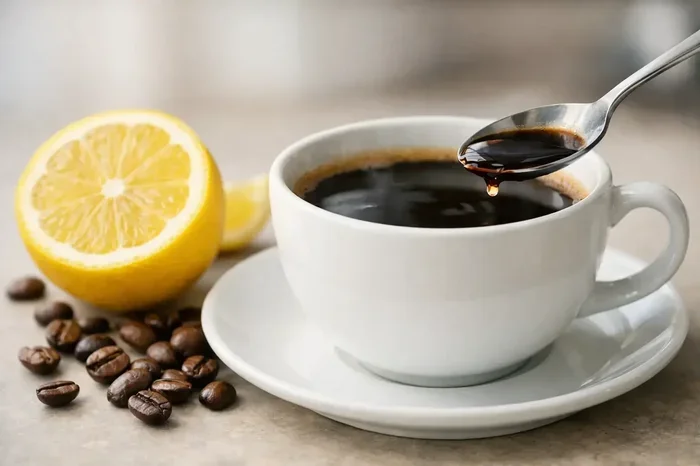
What Makes Coffee Sour And How To Fix It For Good Today
What makes coffee sour is usually under-extraction, wrong water temperature, or stale beans. When your brew tastes sharp, tangy, or thin, the extraction process did not pull enough flavor from the grounds. The good news is that fixing sour coffee is simple once you understand the root cause.
Nothing ruins a morning quite like a cup of sour coffee. You take that first hopeful sip, and instead of the rich, smooth flavor you were craving, your tongue gets hit with a sharp, tangy, almost lemon-like taste. It is disappointing, frustrating, and honestly a waste of good beans.
But here is the thing most people do not realize. What makes coffee sour is almost always a fixable problem. It is rarely about the beans themselves. More often, it is about how you are brewing them. The temperature of your water, the size of your grind, how long the water sits with the grounds, and even the ratio of coffee to water all play a huge role in the final cup.
Once you understand the science behind extraction, you will never have to drink a bad cup again. This guide breaks down exactly what makes coffee sour, shows you how to tell the difference between sour and bitter, and gives you practical, step-by-step fixes you can start using today. Whether you use a drip machine, a French press, or even how to make coffee in a microwave oven, these tips will transform your brew.
Let us dive in and get your morning cup tasting the way it should. Smooth, balanced, and full of flavor.
Key Takeaways
- Under-extraction is the #1 cause of sour coffee: When water passes through grounds too quickly, it pulls out bright, acidic compounds but misses the sweet, balanced flavors.
- Water temperature matters a lot: Brewing with water that is too cool leads to a sour, thin taste. The sweet spot is between 195°F and 205°F.
- Grind size directly affects flavor: A coarse grind brews too fast, causing under-extraction and sourness. Adjusting your grind can transform your cup.
- Brew time and ratio are critical: Too short a brew time or too much water compared to grounds will always produce a sour result.
- Fresh, quality beans make a difference: Stale or low-quality beans lack the compounds needed for a balanced, sweet brew.
- Equipment cleanliness affects taste: Old oils and residue in your coffee maker can turn your fresh brew sour or rancid.
- Small tweaks fix most sour coffee problems: You do not need expensive gear. Adjusting grind, temperature, time, and ratio solves the issue in most cases.
📑 Table of Contents
What Makes Coffee Sour: The Core Reasons
Sour coffee happens when the extraction process is incomplete. During brewing, hot water dissolves compounds from the coffee grounds. These compounds include acids, sugars, and bitter elements. When extraction is balanced, you get a cup that is sweet, complex, and satisfying. When it is incomplete, the acids dominate, and the result is a sharp, unpleasant sourness.
This is called under-extraction. Think of it like squeezing a sponge. If you only press it halfway, you get the surface water but miss what is deeper inside. The same thing happens with coffee grounds. If the water does not have enough time or the right conditions to pull out the deeper, sweeter compounds, the acids stay front and center.
Under-Extraction: The Main Culprit
Under-extraction is the single biggest reason for sour coffee. It occurs when the water does not spend enough time extracting the full range of flavors from the grounds. The result is a brew that tastes thin, sharp, and acidic.
Several factors cause under-extraction:
- Grind size too coarse: Large grounds have less surface area, so water passes through too quickly and does not extract enough flavor.
- Brew time too short: If the water is only in contact with the grounds for a few seconds, extraction is incomplete.
- Water temperature too low: Cool water cannot dissolve the compounds efficiently. It skips right past the sweet, balanced flavors.
- Too much water relative to grounds: A weak brew ratio means the water is diluted and passes through too fast.
Water Temperature and Its Role in Coffee Taste
Water temperature is one of the most overlooked factors in brewing great coffee. If your water is not hot enough, it simply cannot extract the full flavor profile from the grounds. The ideal range is between 195°F and 205°F. Anything below 195°F will likely produce a sour, under-extracted cup.
Think about it this way. Just like getting the right temperature to cook steak in oven after searing makes all the difference between a perfect steak and a disappointing one, getting the right water temperature makes or breaks your coffee. Precision matters in both cases.
If you are using a kettle, bring your water to a boil and then let it sit for about 30 seconds before pouring. This brings it into the ideal range. If you are using a machine, check that it is heating water to the proper temperature. Some older machines do not get hot enough.
Sour vs Bitter: Understanding Coffee Taste
People often confuse sour coffee with bitter coffee, but they are very different problems with very different causes. Understanding the difference is the first step toward fixing it.
Sour coffee tastes sharp, tangy, and almost citrus-like. It feels thin and lacks body. The flavor sits on the front of your tongue and fades quickly. This is a sign of under-extraction. Your brewing process is not pulling enough compounds from the grounds.
Bitter coffee tastes harsh, dry, and lingers on the back of your tongue. It can make you pucker. This is a sign of over-extraction. Too many compounds, especially bitter ones, have been pulled from the grounds. Bitter coffee often happens when the grind is too fine, the brew time is too long, or the water is too hot.
Here is a simple way to remember it:
- Sour = under-extracted (not enough flavor pulled out)
- Bitter = over-extracted (too much flavor pulled out)
Once you can identify which problem you are dealing with, you can take the right steps to fix it. For sour coffee, you need to increase extraction. For bitter coffee, you need to reduce it.
Common Brewing Mistakes That Cause Sour Coffee
Most sour coffee problems come down to a handful of common mistakes. Once you know what they are, you can avoid them easily. Let us walk through each one.
Grind Size Is Too Coarse
Grind size is one of the most important variables in coffee brewing. When your grounds are too coarse, the water rushes through them too quickly. There is not enough contact time for the water to dissolve the sugars and balanced flavor compounds. The result is a sour, thin cup.
If you are using a blade grinder, the grounds are often uneven, which makes this problem worse. Some particles are powder-fine while others are chunks. The fine particles over-extract while the chunks under-extract. The result is a confusing mix of sour and bitter flavors.
Quick fix: Try grinding your beans a little finer. If you are using a French press, aim for a medium-coarse grind. For drip coffee, a medium grind works best. For espresso, you need a fine grind. Adjusting even one or two settings on your grinder can make a huge difference.
Brew Time Is Too Short
Time is everything in coffee extraction. If the water is only in contact with the grounds for a few seconds, you are getting a very incomplete extraction. The acids come out first, which is why short brew times produce sour coffee.
Different brewing methods require different brew times:
- Drip coffee maker: Total brew time should be about 5 to 6 minutes.
- French press: Steep for 4 minutes before pressing.
- Pour over: Total brew time should be 3 to 4 minutes.
- Espresso: Extraction should take 25 to 30 seconds.
If your brew time is consistently too short, try slowing down the pour or adjusting your grind finer. Even a 30-second difference can transform your cup.
Wrong Coffee-to-Water Ratio
The ratio of coffee to water is another common culprit. If you use too much water for the amount of coffee, the brew becomes weak and sour. The water does not have enough coffee solids to extract from, so it rushes through and pulls out only the acidic compounds.
The golden ratio for most brewing methods is about 1:15 to 1:17. That means 1 gram of coffee for every 15 to 17 grams of water. A simple way to measure this is to use a kitchen scale. Do not rely on scoops or tablespoons. They are inconsistent and lead to unpredictable results.
Stale or Low-Quality Coffee Beans
Coffee beans start losing their freshness within two to four weeks of roasting. Old, stale beans do not have the compounds needed for a balanced extraction. The result is often a flat, sour, or hollow-tasting cup.
Always buy whole beans and grind them just before brewing. Look for a roast date on the bag, and try to use your beans within a month of that date. If you buy pre-ground coffee, it is already losing flavor the moment the bag is opened.
The coffee roast level also matters. Light roasts are naturally more acidic and can taste sour if not brewed correctly. Dark roasts are more forgiving and tend to produce a smoother, less acidic cup. If you are sensitive to sourness, try a medium or dark roast and see if it makes a difference.
How To Fix Sour Coffee For Good
Now that you know what causes sour coffee, let us talk about how to fix it. These are practical, actionable steps you can take right away. No expensive equipment needed.
Adjust Your Grind Size
This is the single most effective fix for sour coffee. If your brew tastes sour, try grinding your beans a little finer. More surface area means more extraction, which pulls out the sweet, balanced compounds that counteract sourness.
Start with a small adjustment. Even one notch finer on your grinder can change the taste dramatically. Brew a cup, taste it, and adjust from there. This trial-and-error process is the best way to find your personal sweet spot.
Control Water Temperature
Make sure your water is in the 195°F to 205°F range. If you do not have a thermometer, bring your water to a full boil and then let it rest for 30 to 45 seconds. This brings it into the ideal brewing zone.
Understanding temperature control is similar to knowing how your oven works. For instance, knowing what the conv bake setting means on your oven helps you cook better, just like understanding water temperature helps you brew better coffee. Precision is key in both cases.
Extend Brew Time
If your coffee is sour, try extending the brew time by 15 to 30 seconds. This gives the water more time to extract the full range of flavors from the grounds. Be careful not to go too far, or you will swing from sour to bitter.
For pour-over methods, try slowing down your pour. For drip machines, check that the water is distributing evenly over the grounds. For French press, make sure you are steeping for the full recommended time before pressing.
Check Your Coffee Beans and Freshness
Switch to fresh, high-quality beans if you have not already. Look for beans that were roasted within the last two to four weeks. Store them in an airtight container away from light and heat.
Also consider the origin and roast level of your beans. Ethiopian and Kenyan coffees are naturally bright and fruity, which can read as sour if not brewed properly. Brazilian and Colombian beans tend to be sweeter and more balanced, making them more forgiving for beginners.
Clean Your Equipment
Old oils and residue build up in coffee makers, grinders, and filters over time. This stale residue can turn your fresh brew sour or rancid. Clean your equipment regularly with hot water and a mild detergent.
For drip machines, run a cycle with white vinegar and water once a month. For French presses, disassemble and wash all parts thoroughly. For grinders, remove old grounds and wipe down the burrs. Clean equipment means clean, fresh-tasting coffee.
Quick Tips For Perfect Coffee Every Day
Want a quick checklist to make sure your coffee never tastes sour again? Keep these tips handy:
- Use fresh beans. Buy whole beans and grind them right before brewing. Check the roast date on the bag.
- Grind at the right size. Medium for drip, medium-coarse for French press, fine for espresso. Adjust if your coffee tastes sour.
- Heat water to 195°F to 205°F. Boil and rest for 30 to 45 seconds before pouring.
- Use the right ratio. Aim for 1:15 to 1:17 coffee to water. Use a kitchen scale for accuracy.
- Brew for the right amount of time. Do not rush the process. Give the water enough time to extract properly.
- Clean your gear. Regular cleaning prevents stale oils from ruining your brew.
- Taste and adjust. Every batch is an opportunity to fine-tune. Small changes add up to big improvements.
These tips work no matter what brewing method you use. Whether you prefer a classic drip machine, a manual pour over, a French press, or even how to make coffee in a microwave oven, the principles of proper extraction remain the same.
When Your Equipment Is The Problem
Sometimes the issue is not your technique. It is your equipment. Old, worn-out machines can cause consistent sour coffee no matter how carefully you follow the steps above.
Here are signs your equipment might be the problem:
- Your coffee maker does not heat water hot enough. If the water never reaches 195°F, your brew will always be under-extracted and sour.
- Your grinder produces uneven particles. A dull or low-quality blade grinder creates a mix of fine and coarse grounds, leading to inconsistent extraction.
- Your machine has buildup or residue. Mineral deposits and old oils can affect water flow and temperature, both of which impact extraction.
- Your filter is the wrong size or type. A poorly fitting filter can let grounds pass through or restrict water flow, both causing extraction problems.
If you have tried all the brewing adjustments and your coffee still tastes sour, it might be time to upgrade your equipment. A good burr grinder and a reliable coffee maker can transform your daily cup. Look for machines that give you control over temperature and brew time. These features make a real difference in the quality of your coffee.
Final Thoughts On Fixing Sour Coffee
What makes coffee sour is usually a combination of small, fixable mistakes. Under-extraction, wrong water temperature, coarse grind, short brew time, wrong ratio, or stale beans. Any one of these can throw off your entire cup. But the good news is that fixing them is straightforward and does not require expensive gear.
Start by identifying which mistake you are making. Taste your coffee and ask yourself whether it is sour or bitter. Then work through the fixes one at a time. Adjust your grind. Check your water temperature. Extend your brew time. Use fresh beans. Clean your equipment. You will be amazed at how quickly your coffee improves.
The journey to great coffee is all about understanding the basics and making small, deliberate adjustments. You do not need to be a professional barista. You just need to pay attention to what is happening during the extraction process. Once you do, every cup you brew will be smoother, sweeter, and more satisfying.
So go ahead. Brew yourself a fresh cup, try a few of these fixes, and enjoy the difference. Your morning routine deserves better than sour coffee, and now you have the tools to make it right.
Frequently Asked Questions
Why does my coffee taste sour even though I use good beans?
Good beans can still produce sour coffee if the brewing process is off. The most common causes are under-extraction from a coarse grind, water that is too cool, or a brew time that is too short. Check your grind size, water temperature, and brew time first. These three factors have the biggest impact on taste.
Is sour coffee bad for you?
Sour coffee is not bad for you. It simply means the extraction was incomplete. The coffee is still safe to drink, but it does not taste as good as it could. Fixing the brewing process will give you a smoother, more enjoyable cup without any health concerns.
Can I fix sour coffee after it is brewed?
You cannot undo the extraction once the coffee is brewed, but you can mask the sourness. Try adding a small pinch of salt, which neutralizes acidity. You can also add a splash of milk or cream to balance the flavor. However, the best approach is to prevent sourness during the brewing process itself.
What is the best water temperature for brewing coffee?
The ideal range is 195°F to 205°F. Water that is too cool will under-extract the grounds and produce a sour taste. Water that is too hot will over-extract and create bitterness. If you boil water, let it rest for 30 to 45 seconds before pouring it over the grounds.
Does the type of coffee maker affect sourness?
Yes, it can. Different brewers have different extraction times and water temperatures. Drip machines, French presses, pour overs, and espresso machines all require different techniques. If your current brewer consistently produces sour coffee, it may not be heating water to the right temperature or may have other issues that affect extraction.
How can I tell if my coffee beans are too old?
Fresh beans have a glossy appearance and a strong aroma. Old beans look dull, dry, and lose their smell. Check the roast date on the bag and try to use beans within a month of roasting. If your coffee tastes flat, sour, or hollow, stale beans are often the cause. Store beans in an airtight container away from light and heat to keep them fresh longer.