How To Clean An Oven Spill And Restore Your Kitchen
Cleaning an oven spill doesn’t have to be a nightmare. With the right tools and a bit of patience, you can remove grease, baked on food, and tough stains in under an hour. This guide walks you through every step of oven cleaning, from gathering supplies to preventing future messes. You will learn natural solutions, quick fixes, and expert tips that make kitchen cleanup faster and easier than ever.
You just pulled a delicious roast out of the oven, and then you see it. A big, ugly spill sitting right on the bottom of your oven. Maybe it was bubbling gravy. Maybe it was overflowing cheese. Whatever it was, now it is baked on and smoking every time you turn on the heat.
How to clean an oven spill is a question almost every home cook asks at some point. The good news is that you do not need expensive products or hours of scrubbing. With the right approach, oven cleaning can be simple, fast, and even enjoyable. This guide gives you everything you need to know to handle food spills, grease removal, and burnt food residue like a pro.
Whether you have a standard gas oven or a self-cleaning oven, the steps below will help you restore your oven interior to sparkling condition. Let us get started.
Key Takeaways
- Act fast: The sooner you tackle an oven spill, the easier the cleanup will be.
- Use household staples: Baking soda, white vinegar, and dish soap work wonders on most oven messes.
- Avoid harsh chemicals when possible: Natural solutions are safer for your family and your oven interior.
- Prevent future spills: Simple habits like using spill trays and covering dishes keep your oven cleaner longer.
- Know when to call a pro: Stubborn, burnt on grease may need professional oven cleaning services.
- Regular maintenance matters: Wiping down your oven after each use prevents grease buildup over time.
📑 Table of Contents
Why Oven Spills Happen And Why You Should Clean Them Fast
Oven spills are almost inevitable when you cook. Sauces bubble over. Meats release juices. Cheese melts past the edges of your dish. These food spills fall to the bottom of the oven and, if left alone, bake into hard, crusty messes.
But there is more at stake than just looks. Here is why you should address grease buildup quickly.
Spills Can Affect Your Cooking
When food residue sits on the oven floor, it burns every time you use the appliance. This creates smoke and unpleasant odors that can stick to your food. It can even affect the taste of your next meal. Nobody wants their cake to taste like last week’s spilled pasta sauce.
Grease Buildup Is a Fire Risk
Built up grease inside your oven is a real fire hazard. Over time, grease removal becomes harder because the residue carbonizes. This makes tough stains nearly impossible to remove without serious effort. Regular oven maintenance prevents this dangerous buildup.
Your Oven Works Harder With Mess Inside
A dirty oven can actually be less efficient. Burnt residue on the oven walls and floor can insulate heat, forcing your oven to work harder to reach the right temperature. This means longer cooking times and higher energy bills. Keeping your oven interior clean helps it run smoothly.
What You Need Before You Start Cleaning
Before you dive into oven cleaning, gather your supplies. Having everything ready saves time and keeps you from walking back and forth to the kitchen cabinet. Here is what you will need for most grease removal jobs.
- Baking soda — a natural grease degreaser that softens baked on messes
- White vinegar — helps dissolve residue and lifts stains
- Dish soap — cuts through grease on oven racks and trays
- Warm water — for making cleaning paste and soaking
- Spray bottle — for applying vinegar solution evenly
- Soft sponge or microfiber cloth — for scrubbing without scratching
- Plastic scraper or spatula — for removing large chunks of burnt food
- Rubber gloves — to protect your hands from grease and chemicals
- Old towel or newspaper — to catch drips and protect the floor
If you prefer store bought products, look for an oven-safe cleaner or a dedicated grease cutter spray. Just make sure the product is safe for use inside an oven. Some oven cleaner spray brands are specifically designed for baked on grease and will save you a lot of elbow grease.
Step By Step Guide To Clean An Oven Spill
Now that you have your supplies ready, let us walk through the actual process of how to clean an oven spill. Follow these steps in order for the best results.
Step One: Remove the Oven Racks
Start by pulling out all the oven racks. These will need separate cleaning, and removing them gives you full access to the oven interior. Set the racks aside in your sink or bathtub for later soaking.
Step Two: Scrape Off Large Debris
Use a plastic scraper to gently remove any large chunks of burnt food from the oven floor. Do not use metal scrapers because they can scratch the oven lining. Work slowly and carefully to avoid spreading the mess further.
Step Three: Make a Baking Soda Paste
Mix about half a cup of baking soda with a few tablespoons of warm water. Stir until you get a thick paste, similar to the consistency of toothpaste. This paste is your best friend for grease removal and breaking down burnt food residue.
Step Four: Apply the Paste to the Spill Area
Using your gloves, spread the baking soda paste directly over the spill and any surrounding stained areas. Focus on the worst spots but cover the entire oven floor if needed. Let the paste sit for at least 30 minutes. For tough tough stains, leave it on for a few hours or even overnight.
Step Five: Spray with Vinegar Solution
Fill a spray bottle with equal parts white vinegar and warm water. Spray the vinegar solution over the baking soda paste. You will see it fizz and bubble. This reaction helps lift dirt and grease from the oven surface.
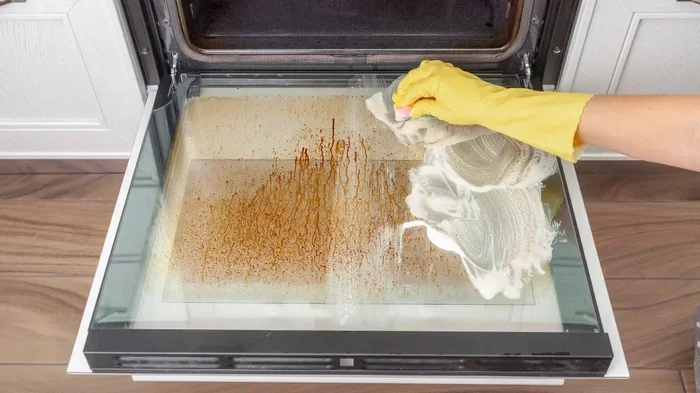
Step Six: Wipe Clean
After 10 to 15 minutes, use a damp sponge or microfiber cloth to wipe away the paste and loosened grime. You may need to rinse your cloth and repeat this step a few times. For stubborn grease, apply a little more paste and repeat the process.
Step Seven: Clean the Oven Racks
Soak the oven racks in hot, soapy water for at least 30 minutes. Scrub them with a sponge to remove grease and food residue. For heavily stained racks, sprinkle baking soda directly on them and scrub with a non-abrasive pad. Rinse thoroughly and dry before placing them back in the oven.
Step Eight: Wipe Down the Interior
Do a final wipe of the entire oven interior with a clean damp cloth. Remove any remaining baking soda residue. Your oven should now look and smell much cleaner.
- Using steel wool or abrasive pads that scratch the oven lining
- Skipping the vinegar step, which is key to activating the baking soda
- Not letting the paste sit long enough for tough stains
- Forgetting to clean the oven racks separately
Natural Cleaning Solutions That Really Work
Many people worry about using harsh chemicals inside their oven, especially if they cook for children or pets. The good news is that several natural solutions work just as well as commercial products for kitchen cleanup.
Baking Soda and Water
This is the most popular natural method for oven cleaning. Baking soda is a gentle abrasive and a natural grease degreaser. It works by breaking down food residue and absorbing odors. Mix it into a paste, apply it to the mess, and let it do the work for you.
White Vinegar and Water
Vinegar is a natural acid that dissolves mineral deposits and loosens grime. When combined with baking soda, the chemical reaction creates bubbles that lift dirt from surfaces. A 50/50 mix of vinegar and warm water in a spray bottle is perfect for steam cleaning your oven interior.
Lemon Juice and Water
Lemon juice is a natural degreaser with a fresh scent. Mix the juice of one lemon with a cup of water and heat it in the oven on low heat for about 10 minutes. The steam helps soften baked on food, making it easier to wipe away. This method also leaves your oven smelling wonderful.
Dish Soap and Warm Water
A simple mixture of dish soap and warm water can handle light spills and everyday grime. Add a few drops of dish soap to a bowl of warm water, dip your sponge, and wipe down the oven interior. This is a great go to method for regular oven maintenance.
| Cleaning Method | Best For | Time Needed | Eco-Friendly |
|---|---|---|---|
| Baking Soda Paste | Heavy grease and baked on food | 30 min to overnight | Yes |
| Vinegar Spray | Light to medium residue | 15-20 min | Yes |
| Lemon Steam | Odors and light spills | 10-15 min | Yes |
| Dish Soap and Water | Everyday maintenance | 10 min | Yes |
| Commercial Oven Cleaner | Severe buildup and stains | 1-3 hours | No |
How To Handle Stubborn Grease And Burnt On Food
Sometimes a regular cleaning routine is not enough. You may have a spill that has been sitting in your oven for weeks or even months. Here is how to deal with the really stubborn messes.
The Steam Soak Method
Fill a small oven safe bowl with water and add a few tablespoons of vinegar or lemon juice. Place it on the bottom rack of the oven and heat it to about 200 degrees Fahrenheit for 20 to 30 minutes. The steam softens the baked on food and makes it much easier to wipe away. After steaming, apply your baking soda paste and scrub as usual.
Using a Commercial Oven Cleaner
For extreme cases of grease buildup, a commercial oven cleaner spray may be necessary. Spray the product generously over the stained areas, avoiding the heating elements. Close the oven door and let the cleaner sit for the time recommended on the label. Then wipe everything clean with damp cloths. Always ventilate your kitchen when using chemical cleaners.
The Oven Bag Method
Some people swear by oven cleaning bags, which you fill with water and a cleaning solution, then place inside the oven and run it on a low setting for a few hours. The steam inside the bag loosens grime from all surfaces. This is a hands off approach that works well for kitchen cleanup of moderate messes.
When to Call a Professional
If you have tried everything and the burnt food residue just will not budge, it may be time to call in the professionals. Professional oven cleaning services have industrial grade tools and solutions that can handle even the worst tough stains. This is especially worth it if you have a self-cleaning oven that you do not want to damage with harsh products.
- Steam soaking softens even the oldest baked on messes
- Commercial cleaners are effective but should be used with caution
- Oven cleaning bags offer a convenient hands free option
- Professionals can handle extreme cases without risking damage to your oven
Keeping Your Oven Clean Going Forward
The best way to deal with oven spills is to prevent them from becoming big problems in the first place. A few simple habits can make a huge difference in your oven maintenance routine.
Use a Spill Tray or Foil Liner
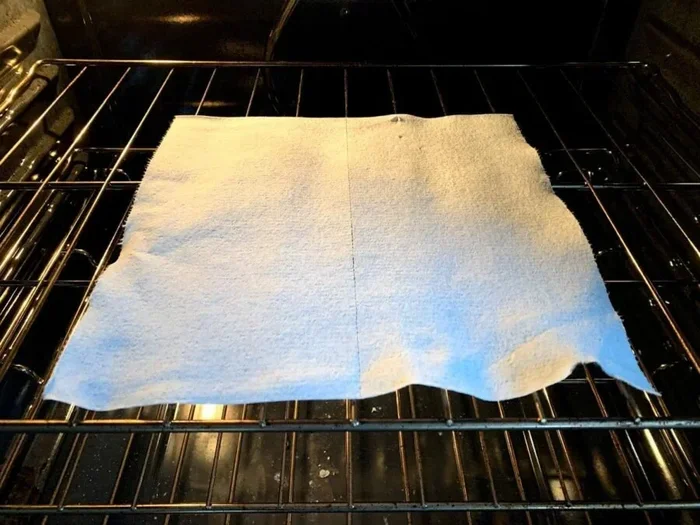
Place a disposable aluminum foil liner or a silicone spill tray on the bottom rack of your oven. This catches drips and spills before they reach the oven floor. Just remember to replace the liner after each use or when it gets too full.
Cover Your Dishes
When cooking foods that tend to bubble or splatter, use a lid or cover the dish with aluminum foil. This simple step prevents food spills from reaching the oven interior and saves you a lot of cleanup time.
Wipe Down After Each Use
Get in the habit of wiping the oven floor and walls with a damp cloth after every use while the oven is still warm. This takes only a minute and prevents grease from hardening into baked on food. Consistent grease removal like this keeps your oven looking great for years.
Do a Deep Clean Monthly
Even with daily care, your oven will benefit from a deeper cleaning once a month. Use the baking soda and vinegar method described above to keep kitchen hygiene at its best. Regular deep cleaning also extends the life of your oven and keeps it running efficiently.
Clean Your Oven Racks Regularly
Do not wait until the racks are caked with grease to clean them. Soak them in soapy water every few weeks and scrub off any residue. Clean racks also allow your oven to heat more evenly, which improves your cooking results.
Conclusion
How to clean an oven spill is a skill every home cook should have. With the right supplies, a little patience, and the methods outlined in this guide, you can handle any oven mess from light splatters to heavy baked on grease. The key is to act quickly, use the right cleaning solution for the job, and make regular maintenance part of your routine.
Natural solutions like baking soda, white vinegar, and lemon juice work wonders for most spills and are safe for your family and your oven. For tougher jobs, commercial oven cleaner spray products and professional services are there when you need them. Remember that prevention is always easier than cure, so use spill trays, cover your dishes, and wipe down your oven after each use.
Your oven is a central part of your kitchen, and keeping it clean means better tasting food, safer cooking, and a more enjoyable space to work in. Start using these tips today, and you will never dread an oven spill again. Happy cooking and happy cleaning.
Frequently Asked Questions
Can I use oven cleaner spray on a self-cleaning oven?
Most manufacturers advise against using commercial oven cleaner spray on self-cleaning ovens. The high heat cycle in these ovens is designed to burn off residue, and adding chemical cleaners can damage the interior lining. Always check your oven manual before using any product inside a self-cleaning model.
How long should I let baking soda paste sit on an oven spill?
For light spills, 30 minutes is usually enough. For tough stains and heavy grease buildup, let the paste sit for several hours or even overnight. The longer it sits, the more it breaks down the baked on food, which makes grease removal much easier.
What is the best natural solution for kitchen cleanup of oven spills?
The combination of baking soda paste and white vinegar spray is widely considered the best natural solution. The baking soda softens and lifts the grime while the vinegar dissolves residue and creates a fizzing action that reaches into crevices. This method is safe, affordable, and effective for most oven messes.
How often should I deep clean my oven?
A monthly deep clean is ideal for most home cooks. If you use your oven frequently or cook a lot of messy dishes, you may need to clean it every two weeks. Regular oven maintenance prevents burnt food residue from building up and makes each cleaning session much quicker and easier.
Is it safe to use a plastic scraper inside the oven?
Yes, a plastic scraper is safe and effective for removing large chunks of burnt food residue from the oven floor. Unlike metal scrapers, plastic tools will not scratch the oven lining or damage the heating elements. Just be gentle and avoid pressing too hard on delicate surfaces.
Can I prevent oven spills entirely?
While you cannot prevent every spill, you can significantly reduce them by using spill trays, covering dishes with lids or foil, and placing a sheet of aluminum foil on the rack below your cooking dish. These simple steps catch drips and keep your oven interior much cleaner between deep cleaning sessions.