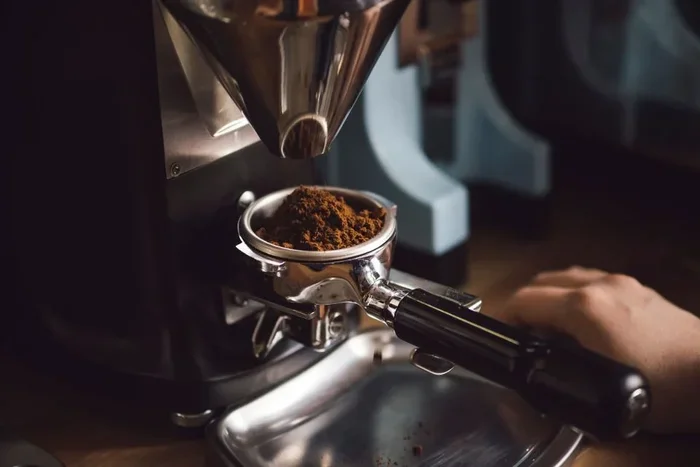
Can You Grind Ground Coffee For Espresso At Home Today
Yes, you can grind ground coffee for espresso at home, but pre‑ground beans need a fine espresso grind size and careful handling. Using a burr grinder and proper tamping pressure helps extract flavor from stale grounds. This guide covers risks, flavor changes, and quick fixes so you can still brew a decent shot without fresh beans.
You’ve got a bag of pre‑ground coffee sitting in the pantry and a shiny espresso machine begging to be used. The question is simple: can you grind ground coffee for espresso? The short answer is yes, but the full story is more interesting. Many home baristas face this exact situation—maybe you bought too much pre‑ground, or you’re experimenting with what you already have. This article walks you through everything you need to know, from grinder settings to flavor expectations, so you can pull the best possible shot with what’s on hand.
Using pre‑ground coffee for espresso isn’t ideal, but it’s far from impossible. The key is understanding how espresso grind size, extraction time, and coffee freshness interact. When you grind beans that have already been ground, you’re breaking down particles that have already lost some of their volatile oils. That doesn’t mean you’ll get a terrible shot, but you will need to tweak your technique. I’ll show you exactly how, step by step, so you never waste a bag of coffee again.
Before we dive into the methods, let’s clarify what we mean by “grind ground coffee.” You’re taking coffee that was already milled to a drip or medium grind and re‑processing it to an espresso‑fine consistency. This can be done with a burr grinder, a blade grinder, or even a mortar and pestle in a pinch. The goal is to achieve a uniform, powder‑like texture that allows hot water to extract flavor under pressure. Keep reading to see which method works best and what pitfalls to avoid.
Key Takeaways
- Re‑grinding is possible: Pre‑ground coffee can be used for espresso if you adjust your grinder to a very fine setting.
- Flavor will differ: Stale grounds lose oils, so you’ll get less crema and a flatter taste compared to fresh‑ground beans.
- Burr grinder is best: A burr grinder gives the consistent particle size needed for espresso extraction, unlike a blade grinder.
- Avoid over‑grinding: Grinding already fine pre‑ground coffee too much can cause over‑extraction and bitter flavors.
- Store grounds properly: Keep pre‑ground coffee in an airtight container away from heat and moisture to preserve what’s left.
- Tamping matters more: With pre‑ground coffee, a firm, even tamp helps compensate for the lack of fresh aromatic oils.
- Try a double shot: Using a slightly larger dose can boost flavor intensity when working with pre‑ground beans.
📑 Table of Contents
- What Happens When You Grind Pre‑Ground Coffee For Espresso?
- Can You Use Pre‑Ground Coffee In An Espresso Machine?
- The Best Grinders For Re‑Grinding Coffee
- Flavor And Extraction Differences
- Common Mistakes To Avoid
- Quick Tips For Better Espresso From Pre‑Ground Coffee
- When To Skip Re‑Grinding And Use Fresh Beans
- Conclusion
What Happens When You Grind Pre‑Ground Coffee For Espresso?
Understanding Coffee Freshness and Staling
Coffee starts losing flavor the moment it’s ground. The aromatic oils that give espresso its bright, complex character evaporate quickly. Pre‑ground coffee has already been exposed to air, so re‑grinding it won’t magically restore those oils. You’ll notice a flatter taste and less crema—the golden foam that sits on top of a proper espresso shot. That said, the caffeine content and basic coffee flavor remain intact. You’re just working with a less vibrant version of the bean.
Think of it like bread. If you leave a loaf out overnight, it goes stale. You can’t just put bread back in the oven and expect it to taste fresh again. The same logic applies to coffee grounds. Re‑grinding stale pre‑ground coffee won’t bring back the lost aromatics, but it can still produce a drinkable espresso if you adjust your expectations and method.
The Science of Re‑Grinding
When you grind coffee, you’re fracturing cell walls and releasing CO₂ and volatile compounds. Pre‑ground coffee has already undergone this process, and much of the gas has escaped. Re‑grinding further pulverizes the already‑small particles, which can lead to a very fine dust. This dust can clog your espresso filter or cause channeling, where water finds weak spots and rushes through unevenly. The result is an over‑extracted, bitter shot in some areas and an under‑extracted, sour shot in others.
To minimize these issues, you need a grinder that can produce a consistent fine grind without generating too much heat. Heat accelerates flavor loss, so a slow, cool grinding process is essential. I’ll cover grinder types in the next section.
Can You Use Pre‑Ground Coffee In An Espresso Machine?
Grinder Settings For Pre‑Ground Coffee
If you’re using a burr grinder, you can dial it down to the finest setting. Many grinders have an espresso preset, but pre‑ground coffee often needs to be even finer than that preset. Start one or two steps finer than your usual espresso setting and test. The goal is a texture similar to powdered sugar or flour. If you’re using a blade grinder, the results will be less consistent. You’ll get a mix of fine dust and slightly coarser particles, which leads to uneven extraction. Still, a blade grinder can work in a pinch if you pulse it carefully and sift out the large chunks.
Here’s a quick reference for grinder types:
- Burr grinder (conical or flat): Best choice. Provides uniform particle size and adjustable fineness.
- Blade grinder: Acceptable in emergencies. Pulse in short bursts and shake the grinder to redistribute grounds.
- Manual hand grinder: Great for control. Turn the handle slowly to avoid heat buildup.
Adjusting Tamping Pressure and Dose
Because pre‑ground coffee is often more compacted and less fluffy than freshly ground beans, you’ll need to pay extra attention to tamping. Use a light but firm pressure to create an even puck. Too much force can compress the grounds so tightly that water can’t pass through, resulting in a slow drip or no extraction at all. Aim for about 15–20 pounds of pressure. If your shot runs too fast, try a slightly finer re‑grind or a heavier tamp. If it runs too slow, go a touch coarser or lighten your pressure.
Dose matters too. For a single espresso shot, use about 7 grams of pre‑ground coffee. For a double, go up to 14 grams. Because the flavor is milder, some people like to use a bit more coffee to boost strength. This is especially helpful if you’re using medium roast pre‑ground, which already has less intensity than a dark roast.
The Best Grinders For Re‑Grinding Coffee
Burr Grinder vs Blade Grinder
A comparison table makes this easy to see:
| Feature | Burr Grinder | Blade Grinder |
|---|---|---|
| Grind Consistency | Very uniform, adjustable | Uneven, mix of dust and chunks |
| Heat Generation | Low, slow grinding | High, fast spinning blades |
| Price Range | Mid to high | Low |
| Best For Espresso | Excellent | Acceptable in a pinch |
| Ease of Cleaning | Moderate | Easy |
If you plan to use pre‑ground coffee for espresso regularly, investing in a quality burr grinder pays off. The consistency it provides is the single biggest factor in pulling a decent shot from stale grounds. Look for models with a wide range of fineness settings and a cool‑grind mechanism if possible.
Expert Insight: Why Consistency Beats Speed
When I first started experimenting with pre‑ground coffee, I used a cheap blade grinder and got frustrated with the gritty, inconsistent results. Switching to a burr grinder changed everything. The particles were uniform, and my shots started to look more like proper espresso, with a thin layer of crema. The lesson here is that consistency in grind size directly affects extraction. Even if the coffee is stale, uniform particles extract at a similar rate, giving you a balanced flavor profile.
Flavor And Extraction Differences
Why Fresh Grind Matters For Espresso
Freshly ground coffee releases a burst of aromatic compounds when hot water hits the puck. This is what creates the complex, layered flavors espresso is known for. Pre‑ground coffee lacks that immediate burst, so your shot will taste more muted. You might notice hints of chocolate or nuts, but the bright fruity or floral notes are often gone. The extraction time also tends to be shorter because the pre‑ground coffee has less gas to create resistance. This means you need to watch your shot timing closely.
Aim for a 25‑second extraction for a double shot. If it finishes in 20 seconds, your grind might be too coarse or your dose too low. If it takes 35 seconds, go slightly coarser or reduce the dose. With pre‑ground coffee, you’re essentially calibrating on the fly because the beans have already lost some of their natural oils.
How Pre‑Ground Affects Crema
Crema forms when CO₂ escapes from the coffee and mixes with the oils in the water. Pre‑ground coffee has much less CO₂, so you’ll see very little crema, if any. That doesn’t mean the coffee is bad—it just means the shot will look different. Some people add a tiny pinch of coffee oil or a drop of vanilla extract to the grounds before brewing to simulate a richer mouthfeel. This isn’t traditional, but it can make a pre‑ground espresso more enjoyable.
Another trick is to pull a “ristretto” shot, which uses the same amount of coffee but half the water. This concentrates the flavor and can mask some of the flatness that comes with pre‑ground beans. It’s a great way to get more intensity from what you have.
Common Mistakes To Avoid
Over‑Grinding The Coffee
The biggest mistake is grinding pre‑ground coffee too finely, thinking that finer always means stronger. In reality, over‑grinding creates a powder that packs too densely, blocking water flow. You’ll get a bitter, hollow shot with no sweetness. If you notice your espresso looks like dark tar and takes over 40 seconds to drip, stop. The grind is too fine. Go one step coarser and try again.
Using Wet or Old Grounds
If your pre‑ground coffee has been sitting in a humid environment, it may have absorbed moisture. Wet grounds clump together and won’t distribute evenly in the portafilter. Always check that your coffee is dry and free‑flowing before re‑grinding. If it feels damp or smells musty, it’s best to discard it. No amount of grinding can fix moldy or rancid coffee.
Ignoring The Portafilter
A dirty portafilter can ruin even the best‑ground coffee. Old coffee oils build up and turn rancid, adding a sour, off‑flavor to your shot. Always rinse your portafilter with hot water before loading the grounds. This also pre‑heats the basket, which helps with extraction consistency.
Quick Tips For Better Espresso From Pre‑Ground Coffee
Storage Tips To Preserve What’s Left
Even though you’re re‑grinding, proper storage can slow down flavor loss. Keep your pre‑ground coffee in an opaque, airtight container at room temperature. Avoid the freezer unless you’re storing it for more than a month, and never put it in the fridge where moisture can seep in. If you’ve opened the bag, squeeze out the air and seal it tightly. Some people transfer their grounds to a vacuum‑sealed jar, which works wonders for preserving the remaining aromatics.
Just as freezer paper can go in the oven for specific baking tasks without ruining it, coffee grounds can survive a short stay in the freezer if wrapped properly. The key is preventing condensation. Use a sealed bag with a zip‑top and remove as much air as possible before freezing.
The Right Dose and Ratio
For pre‑ground espresso, use a slightly higher dose than you would for fresh coffee. Try 8 grams for a single and 16 grams for a double. This extra coffee compensates for the weaker flavor. The ratio of coffee to water should be around 1:2 for a standard espresso. So 16 grams of coffee should yield about 32 grams of liquid espresso. Weigh your shots with a small kitchen scale for the most consistent results.
Preheat Everything
Pre‑ground coffee is more sensitive to temperature drops. Run a blank shot through your machine before pulling your actual espresso. This heats the group head, the basket, and the cup. A hot environment helps extract what little flavor remains in the stale grounds. If you’re using a microwave oven to heat your cup, make sure it’s completely dry—any water droplets can cool the espresso quickly and thin out the body.
Clean Your Grinder Regularly
Pre‑ground coffee leaves more fine dust in your grinder, which can build up and affect future grinding sessions. Brush out the burrs or blades after each use, and do a deep clean once a week with a grinder cleaning tablet or a small amount of uncooked rice. A clean grinder ensures that the next time you use fresh beans, you won’t get any stale flavors left over.
When To Skip Re‑Grinding And Use Fresh Beans
There are times when re‑grinding pre‑ground coffee just isn’t worth it. If the coffee is more than two weeks old, has been open to air for days, or smells flat and lifeless, it’s better to toss it and start fresh. Espresso is all about nuance, and stale grounds simply can’t deliver that. For a special occasion or when you want to impress guests, always use freshly ground beans. The difference in aroma, crema, and flavor is night and day.
Also, if you notice your pre‑ground coffee has any added flavors—like vanilla or hazelnut—re‑grinding can amplify those artificial notes. The heat from the grinder can make them taste harsh. Stick to plain, unflavored pre‑ground if you plan to re‑grind for espresso.
Conclusion
So, can you grind ground coffee for espresso? Absolutely. With the right grinder, a careful eye on extraction time, and a willingness to adjust your dose and tamp, you can still pull a respectable shot from pre‑ground beans. The flavor won’t match fresh‑ground espresso, but it can be surprisingly good if you follow the tips in this guide. Remember to store your coffee properly, clean your equipment, and keep experimenting until you find the sweet spot for your specific pre‑ground blend.
The next time you find yourself staring at a bag of already‑ground coffee, don’t toss it. Give it a second life in your espresso machine. You might be surprised at what a little knowledge and a few tweaks can do. Happy brewing!
Frequently Asked Questions
Can you put pre‑ground coffee in an espresso machine?
Yes, you can. Pre‑ground coffee works in an espresso machine, but you’ll need to grind it even finer to achieve the right extraction. Expect less crema and a milder flavor compared to freshly ground beans. Adjust your dose and tamping pressure to compensate for the stale grounds.
What grind size should you use for pre‑ground coffee?
Set your grinder to the finest setting, slightly finer than your usual espresso grind. The particles should resemble powdered sugar. If you’re using a blade grinder, pulse in short bursts and sift out any large chunks to get a more uniform texture.
Does re‑grinding pre‑ground coffee make it stronger?
Not necessarily. Re‑grinding breaks down the particles further, which can lead to over‑extraction and bitterness if you’re not careful. The caffeine content stays roughly the same, but the flavor may taste stronger simply because you’re using more grounds or a finer extraction. Balance your dose and time to get the best results.
How long can you keep pre‑ground coffee before it goes bad?
Pre‑ground coffee stays fresh for about one to two weeks after opening the bag. If stored in an airtight container away from light and heat, it can last up to a month, but the flavor will decline steadily. For the best espresso, try to use it within the first week.
Is it better to use a burr grinder or a blade grinder for re‑grinding?
A burr grinder is far superior. It produces a consistent particle size, which is critical for even extraction in espresso. A blade grinder creates an uneven mix of fine dust and coarse bits, leading to a sour and bitter shot. If you only have a blade grinder, pulse carefully and sift the grounds.
Can you make espresso with coffee that’s already been brewed?
No, you cannot make espresso from already brewed coffee. Espresso requires dry, ground coffee that is tamped and extracted under pressure. Re‑brewing used grounds produces a weak, flavorless liquid that lacks the concentrated character of real espresso. Always start with dry, ground coffee for the best results.