How To Clean Your Solis Coffee Machine For Best Results
Keeping your Solis coffee machine clean ensures every cup tastes fresh and full of flavor. This guide walks you through daily cleaning, deep descaling, and proper maintenance so your machine lasts for years. You will learn exactly what supplies to use, how to tackle hard water buildup, and simple habits that keep your coffee tasting its best every single morning.
Nothing beats the aroma of a fresh cup of coffee from your Solis coffee machine. But here is the thing most people overlook. A dirty machine makes terrible coffee. Oils build up, minerals clog the system, and old grounds stick around where they do not belong. If you want the best flavor every single morning, you need to know how to clean Solis coffee machine properly.
This guide covers everything from quick daily wipes to full deep cleaning sessions. You will learn what tools to use, how often to clean each part, and simple tricks that make the whole process faster. Whether you own a basic drip model or a fancy espresso machine, these steps work across the Solis lineup. Let us get into it.
Key Takeaways
- Daily cleaning prevents stale oils from building up and ruining your coffee flavor.
- Descaling every 1 to 3 months removes calcium deposits that slow down your machine.
- Using the right supplies like white vinegar or citric acid makes cleaning safe and effective.
- Cleaning the brew group, drip tray, and water reservoir tackles the dirtiest spots.
- Regular maintenance saves money by extending the life of your Solis coffee machine.
- Running a clean cycle with fresh water after descaling flushes out all residue completely.
- Wiping the exterior and steam wand after every use keeps your machine looking and working great.
📑 Table of Contents
- Why Regular Cleaning Matters For Your Solis Coffee Machine
- What You Need Before You Start Cleaning
- Step-by-Step Daily Cleaning Routine
- How To Descale Your Solis Coffee Machine
- Deep Cleaning The Brew Group And Removable Parts
- Troubleshooting Common Cleaning Issues
- Maintenance Schedule To Keep Your Machine Running Smoothly
- Final Thoughts On Cleaning Your Solis Coffee Machine
Why Regular Cleaning Matters For Your Solis Coffee Machine
Coffee is full of natural oils. Over time, those oils go rancid and leave a bitter taste behind. Hard water leaves mineral deposits inside the boiler and tubes. Old coffee grounds can harbor bacteria and mold if you do not clean them out. None of this sounds appetizing, right?
Regular cleaning solves all of these problems. It keeps your coffee tasting fresh. It also keeps your machine running efficiently. A well-maintained Solis coffee maker can last for many years. Skipping cleaning leads to clogs, strange tastes, and even breakdowns that cost money to fix.
The Science Behind Coffee Oil Buildup
When hot water passes through coffee grounds, it extracts oils and flavor compounds. Some of those oils stick to the inside of your machine. They collect on the brew group, the shower screen, and the carafe. Over days and weeks, these oils oxidize and turn stale. This is why a machine that has not been cleaned properly can make coffee taste burnt or sour.
A simple wipe-down after each use removes most of these surface oils. But deeper cleaning is needed to get at what hides inside the machine. This is where your weekly and monthly routines come in.
How Dirty Machines Affect Coffee Taste
Think about it this way. Would you drink coffee from a dirty mug? Of course not. The same idea applies to your machine. Old coffee residue mixes with fresh grounds and changes the flavor. Mineral buildup affects water temperature and flow rate. Both of these factors directly impact the taste of your brew.
Many people blame their coffee beans when the real problem is a dirty machine. Before you buy new beans, try cleaning your machine first. You might be surprised at how much better your coffee tastes after a good cleaning session.
What You Need Before You Start Cleaning
Gathering your supplies before you start makes the whole process smoother. You do not need anything fancy. Most of what you need is already in your kitchen pantry.
Essential Cleaning Supplies
- White vinegar or citric acid for descaling
- Warm water for rinsing and flushing
- Mild dish soap for removable parts
- Soft microfiber cloth for wiping surfaces
- Soft-bristle brush or old toothbrush for scrubbing
- Cotton swabs for reaching tight spots
- Dry clean towel for drying parts
What To Avoid Using
Not all cleaners are safe for coffee machines. Stay away from abrasive sponges that scratch surfaces. Do not use bleach or harsh chemical cleaners. These can leave behind residues that contaminate your coffee. Also avoid using soap inside the water reservoir or boiler. Soap residue is hard to rinse out completely and can affect flavor.
If you are wondering about other kitchen appliances and their cleaning routines, check out how to make coffee in a microwave oven for a quick alternative method when your machine needs a break from heavy use.
Step-by-Step Daily Cleaning Routine
A daily routine takes less than five minutes. It keeps your machine in great shape between deeper cleaning sessions. Think of it like brushing your teeth. Small daily habits prevent big problems later.
Step 1: Empty and Rinse the Drip Tray
Start by pulling out the drip tray. Dump any leftover water or coffee grounds into the trash. Rinse it under warm running water. Use a soft cloth to wipe away any stuck-on residue. Dry it completely before putting it back in the machine.
Step 2: Wipe Down the Exterior
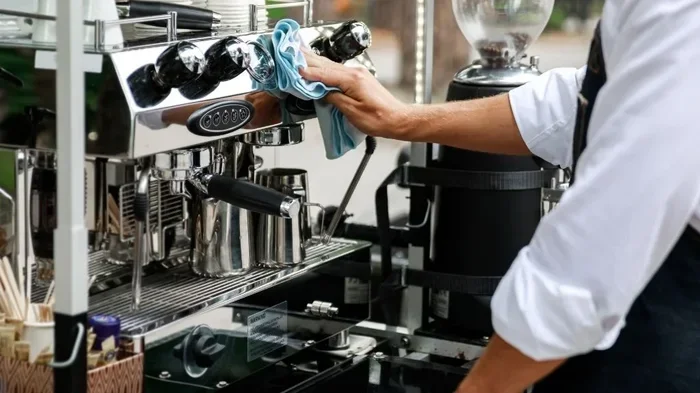
Take your microfiber cloth and give the outside of the machine a quick wipe. Pay attention to the steam wand, the bean hopper, and the control panel. Coffee spills happen often. Wiping them up right away prevents stains from setting in.
Step 3: Clean the Brew Group
Most Solis machines have a removable brew group. Pull it out gently and rinse it under warm water. Use your soft brush to remove any coffee grounds stuck in the filter basket. Do not use soap on this part. Rinse thoroughly and dry it with a clean towel before reinserting it.
Step 4: Run a Hot Water Cycle
After cleaning the removable parts, run a full hot water cycle without any coffee grounds. This flushes out any remaining oils or residue from the internal tubes. It also warms up the machine for your next brew. Some Solis models have a dedicated cleaning cycle. Check your user manual to see if yours does.
Quick Daily Cleaning Tips
- Always empty the grounds container after every use
- Wipe the steam wand immediately after steaming milk
- Leave the bean hopper lid open overnight to air out
- Replace the water filter according to the manufacturer schedule
- Never leave wet coffee grounds sitting in the machine
For tips on maintaining other kitchen appliances, you might find this guide on oven self-cleaning temperatures helpful for understanding how heat cycles work across different machines.
How To Descale Your Solis Coffee Machine
Descaling is the most important deep cleaning task you will do. It removes mineral deposits from hard water that build up inside your machine. These deposits are called limescale. They can clog tubes, reduce water flow, and even damage the heating element if left untreated.
How often you descale depends on your water hardness and how often you use the machine. As a general rule, descale every 1 to 3 months. If you notice slower brewing times or unusual noises, it is probably time to descale.
Using White Vinegar to Descale
White vinegar is the most popular and affordable descaling option. Here is how to do it:
- Mix equal parts white vinegar and water
- Pour the solution into the water reservoir
- Place a large container or carafe under the coffee outlet
- Run the machine through a full brew cycle without coffee grounds
- Let the solution sit in the machine for 15 to 30 minutes
- Run 2 to 3 full cycles with plain fresh water to rinse
That is it. The vinegar dissolves the mineral buildup. The rinse cycles flush out any vinegar taste or smell. Your machine will be clean and ready to brew great coffee.
Using Citric Acid as an Alternative
If you do not like the smell of vinegar, citric acid works just as well. It is a natural acid that dissolves limescale effectively. Use about one tablespoon of citric acid per cup of water. Follow the same steps as the vinegar method. Many professional coffee technicians prefer citric acid because it leaves no lingering smell.
For more information on cleaning other kitchen equipment, check out how to use a combi oven to understand how different kitchen appliances handle steam and heat cycles for cleaning purposes.
How To Tell When Descaling Is Complete
Your machine will tell you when it is clean. After descaling, run a test brew with fresh water only. If the water flows smoothly and the coffee tastes normal, you are done. If you still notice slow flow or a slight off-taste, run one more rinse cycle. Most machines also have a descaling indicator light that will turn off once the process is complete.
Deep Cleaning The Brew Group And Removable Parts
While daily cleaning handles the surface, deep cleaning gets at the hidden grime. You should do a thorough deep clean every 1 to 2 months depending on how often you use your machine.
Cleaning the Brew Group in Detail
The brew group is the heart of your Solis espresso machine. It is where the magic happens. But it is also where the most buildup occurs. Start by removing the brew group according to your model instructions. Most Solis machines have a simple release mechanism.
Once removed, rinse all parts under warm water. Use your soft brush to scrub the filter screen gently. Coffee oils love to stick to this screen. If you notice a dark, sticky film, that is oxidized coffee oil. It needs to be scrubbed away.
For stubborn buildup, soak the brew group parts in warm soapy water for 15 to 20 minutes. Then scrub and rinse thoroughly. Dry everything completely before reassembling. Moisture left inside can lead to mold growth.
Cleaning the Coffee Grinder
If your Solis machine has a built-in grinder, it needs cleaning too. Coffee oils build up in the grinder burrs over time. This affects the freshness of your grind and the flavor of your coffee.
Remove any remaining beans from the hopper. Use a soft brush to clean out ground coffee from the burrs. Some Solis models have a dedicated grinder cleaning cycle. Run this monthly for best results. You can also use grinder cleaning tablets designed specifically for coffee machines.
Cleaning the Carafe and Filter Basket
The carafe and filter basket are the easiest parts to clean. Wash them with warm water and mild dish soap after every use. For stained carafes, make a paste of baking soda and water. Scrub gently with a soft sponge. Rinse well and dry completely.
Never put glass carafes in the dishwasher unless the manufacturer says it is safe. The high heat can cause thermal shock and crack the glass. Hand washing is always the safer choice.
Troubleshooting Common Cleaning Issues
Even with regular cleaning, you might run into some issues. Here are the most common problems and how to fix them.
Slow Water Flow After Cleaning
If water is still flowing slowly after descaling, there may be a clog deeper in the system. Try running a mixture of vinegar and water through the machine twice. If that does not work, check the water filter. A clogged filter restricts water flow and needs to be replaced.
Strange Taste After Cleaning
A lingering taste after cleaning usually means you did not rinse enough. Run at least 3 to 5 full cycles with plain fresh water after descaling. This removes all traces of vinegar or citric acid. If the taste persists, try running a cycle with a teaspoon of baking soda dissolved in water, followed by several plain water rinses.
Mineral Deposits Not Coming Loose
Heavy mineral buildup sometimes requires a longer soak. Fill the water reservoir with a stronger vinegar solution and let it sit for up to an hour before running the brew cycle. For extremely stubborn deposits, you may need to repeat the descaling process twice in a row.
Steam Wand Not Working Properly
A clogged steam wand is a common issue. Run steam through the wand for a few seconds after each use to prevent milk buildup. If it is already clogged, soak the wand tip in warm water and use a pin or needle to clear any blockages. Wipe it clean with a damp cloth after steaming milk.
Maintenance Schedule To Keep Your Machine Running Smoothly
Consistency is the key to a long-lasting coffee machine. Here is a simple maintenance schedule you can follow. Print it out and stick it on your fridge or inside your cabinet door.
| Task | Frequency | What To Do |
|---|---|---|
| Empty drip tray and grounds container | Daily | Rinse and dry before replacing |
| Wipe exterior and steam wand | Daily | Use a damp microfiber cloth |
| Clean brew group | Daily or every other day | Remove, rinse, and brush gently |
| Run hot water flush cycle | Daily | No coffee grounds needed |
| Deep clean removable parts | Weekly | Soak, scrub, and rinse all parts |
| Clean coffee grinder burrs | Monthly | Brush out grounds and run cleaning cycle |
| Descale the machine | Every 1-3 months | Use vinegar or citric acid solution |
| Replace water filter | Every 2-3 months | Follow manufacturer guidelines |
Sticking to this schedule takes very little time. But it makes a huge difference in the quality of your coffee and the lifespan of your machine. A clean Solis coffee machine brews better coffee, runs more efficiently, and saves you from costly repairs down the road.
For more tips on keeping your kitchen appliances in top shape, check out our guide on how to reheat something in the oven for general appliance care tips that apply across the kitchen.
Final Thoughts On Cleaning Your Solis Coffee Machine
Cleaning your coffee machine does not have to be a chore. With a simple daily routine and a deeper clean every few weeks, your Solis coffee machine will keep brewing amazing coffee for years. The key is consistency. Small efforts every day add up to big benefits over time.
Remember to always use the right supplies. Avoid harsh chemicals. Stick to vinegar, citric acid, and mild soap. And never skip the rinse cycles after descaling. Your taste buds will thank you every morning when you take that first sip of fresh, clean coffee.
Now that you know exactly how to clean Solis coffee machine from top to bottom, there is no reason to let yours go another day without proper care. Start today. Your future self and your morning coffee will both be glad you did.
Frequently Asked Questions
How often should I clean my Solis coffee machine?
You should do a quick daily cleaning after every use and a deeper clean weekly. Descaling should happen every 1 to 3 months depending on your water hardness. If you use your machine frequently, lean toward the shorter cleaning intervals.
Consistency is more important than intensity. A little cleaning every day prevents the need for heavy deep cleaning sessions later on.
Can I use regular dish soap to clean my Solis coffee machine?
Yes, but only on removable parts like the carafe, drip tray, and filter basket. Never put soap directly into the water reservoir or boiler. Soap residue is difficult to rinse out completely and can leave a soapy taste in your coffee.
Stick to mild dish soap and always rinse parts thoroughly with clean water before reassembling them.
What is the best descaling solution for a Solis coffee machine?
White vinegar and water mixed in equal parts is the most affordable and effective option. Citric acid is another excellent alternative that leaves no smell behind. You can also use commercial descaling solutions designed specifically for coffee machines.
Avoid using lemon juice as a descaler. While it is acidic, it does not dissolve limescale as effectively as vinegar or citric acid.
Why does my Solis coffee machine taste bad even after cleaning?
An off-taste after cleaning usually means you did not rinse enough. Run at least 3 to 5 full cycles with plain fresh water after descaling. If the problem continues, check the water filter. A clogged or old filter can affect water quality and coffee taste.
Also make sure you are cleaning the brew group regularly. Coffee oils trapped in the brew group are a common hidden cause of bad-tasting coffee.
Can I put my Solis coffee machine parts in the dishwasher?
It depends on the part and the manufacturer’s instructions. Most removable parts like the carafe, drip tray, and filter basket are dishwasher safe. However, the brew group and grinder should always be cleaned by hand to avoid damage from high heat and harsh detergent.
When in doubt, hand wash all parts with warm water and mild soap. It is gentler and helps your machine last longer.
How do I know when my Solis coffee machine needs descaling?
Most Solis machines have a built-in descaling indicator light that alerts you when it is time. Other signs include slower brewing times, unusual noises during operation, and a white or chalky residue around the water outlet.
If you notice any of these signs, do not wait. Descaling early prevents mineral buildup from causing permanent damage to the heating element and internal tubes.